
REVIEW · COLOMBIAN COFFEE FARM TOURS
Bogota: Coffee Tasting Experience Tour with Exotic Varieties
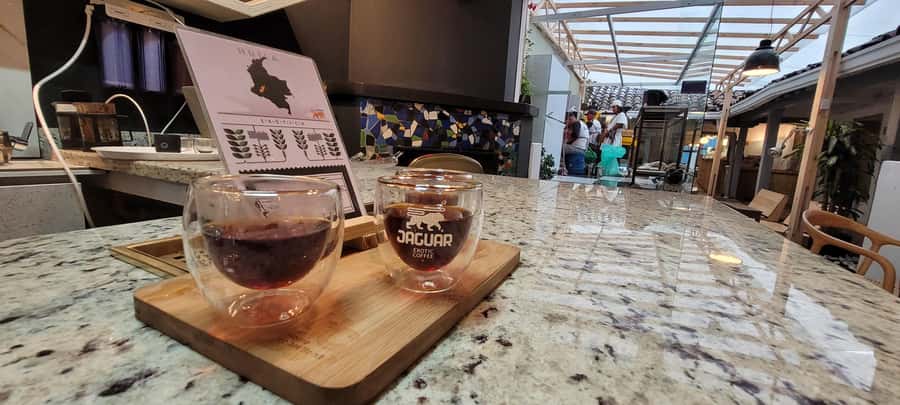
Coffee tasting becomes science fast. In Bogota, Jaguar Coffee House turns exotic-origin beans into a guided cupping session where aroma and flavor comparisons actually make sense, and I like that they connect taste to what happens during growing, harvesting, and roasting. One drawback to keep in mind: if the session starts unprepared, the lesson can feel short or focused on only a couple of coffees.
This is a private group experience, run in English or Spanish by a barista and expert tasters, near Chorro de Quevedo Plaza. You’ll spend 90 minutes learning how to smell, sip, and describe coffee like a pro, not just drink it.
Do note this isn’t for everyone. It is not permitted for caffeine-sensitive people, and it is not suitable for kids under 10 or for people with mobility issues, wheelchair users, or anyone with hearing or visual impairments.
In This Review
- Key things I’d circle before you book
- Where Jaguar Coffee House Is, and why that matters in Bogota
- The 90-minute flow: what you do step by step
- 1) Welcome and setup for cupping
- 2) Learning how coffee becomes flavor
- 3) Cupping rounds focused on aroma and taste
- 4) Comparing “why” not just “what”
- 5) Wellness benefits and coffee’s real effects
- 6) Wrap-up and time to ask questions
- How cupping actually teaches your nose and tongue
- Aroma first, then flavor
- You learn a comparison mindset
- The experts tie results to the process
- Exotic origin coffees: why “variety” is the point, not the gimmick
- The wellness angle: antioxidants and the stimulating reality
- Price and value: is $32 fair for 90 minutes in Bogota?
- Language and group style: what to expect if your Spanish or English is basic
- Who this coffee tasting suits best (and who might not love it)
- A few rules that protect the tasting (so you get better flavors)
- My booking checklist for a smooth cupping session
- Should you book this coffee tasting tour in Bogota?
- FAQ
- How long is the Bogota coffee tasting experience?
- What is the price per person?
- Where is the meeting point near Chorro de Quevedo Plaza?
- What languages are used during the experience?
- What is included in the tour price?
- Is an additional drink or food included?
- What should I bring to the tasting?
- What rules should I follow during the tour?
- Who is this tour not suitable for?
- Does booking allow flexibility for payment and cancellation?
Key things I’d circle before you book
- Expert-led cupping, not just sampling: you get guided instruction as you smell and taste
- Aroma and flavor training: you learn how to notice subtle differences across exotic beans
- Coffee process equals taste: growing, harvesting, and roasting are tied directly to what you taste
- Wellness talk with real effects: antioxidants and coffee’s stimulating side are part of the lesson
- Private group setting: you can expect a quieter, more personal pace than a big group tour
Other farms where the cup starts on the branch
- From Bogotá: Coffee Farm and Tequendama Falls Tour★ 4.5 · 130 reviews
- Bogota: Colombian Coffee Tasting★ 4.8 · 92 reviews
- Coffee Farm Experience Private Day Tour★ 5.0 · 81 reviews
- Coffee tasting experience at Divino Café Especial★ 5.0 · 57 reviews
Where Jaguar Coffee House Is, and why that matters in Bogota
You’ll meet very near Chorro de Quevedo Plaza, in a blue house with the Jaguar logo. That location helps because it sits in the part of central Bogota that many people use as a starting point for exploring on foot.
Also, a short, well-defined meeting point matters when your tour has a set duration. You don’t want to spend your first 20 minutes hunting down a meeting spot. This one is marked by the blue house and Jaguar logo, so you can plan to arrive a bit early and still feel relaxed.
Finally, the tour is set up as a sensory experience. Getting there without stress means you’ll be more ready to pay attention when they start talking aromas and flavor.
The 90-minute flow: what you do step by step
This tour is built around cupping, which is basically coffee tasting in a very structured way. The goal is not just to taste several cups, it’s to learn how to judge them consistently.
Here’s what the experience typically feels like, in the order you’ll experience it:
1) Welcome and setup for cupping
You’ll be welcomed into the cupping session at Jaguar Coffee House, and the barista and expert tasters guide you through how the tasting works. You’re given the resources used during the experience, and you’ll get the basics of what to pay attention to.
You can think of this as the mental warm-up. Before you taste, they set the vocabulary and the method.
2) Learning how coffee becomes flavor
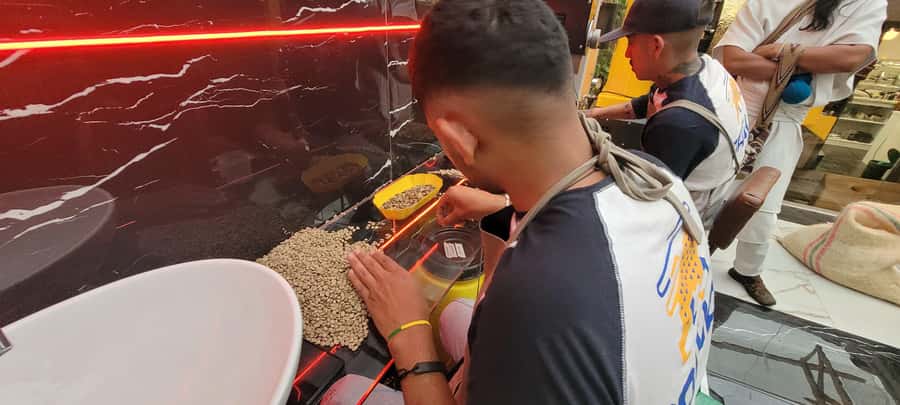
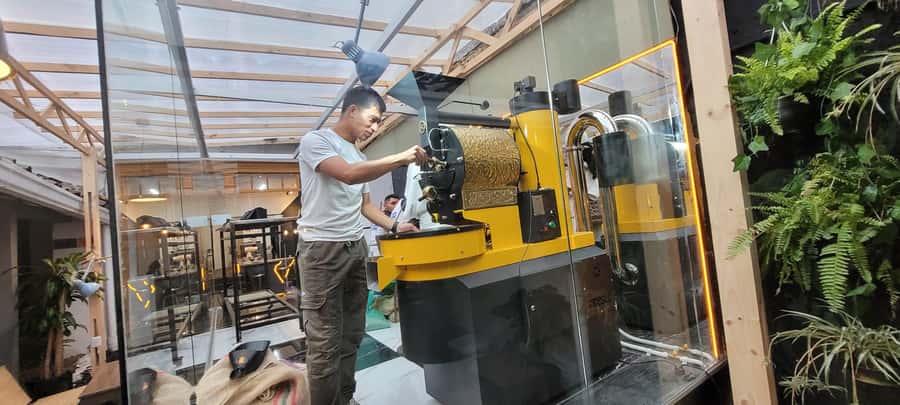
Then you get the story behind the cup. They teach you about the growing, harvesting, and roasting process for each coffee, and they explain how those choices influence the final flavor.
This part is genuinely useful because it connects something you can’t see, like farming practices or roast style, to something you can taste. If you’ve ever wondered why two coffees from different places taste completely different, this is where you get that answer.
Where Bogota eats, and what it pours

3) Cupping rounds focused on aroma and taste
Next comes the main event: tasting a curated selection of exotic origin coffees. You’ll explore aromas and flavors and learn how to appreciate subtle differences between varieties.
Cupping usually means you smell first, then taste, then compare. The instruction matters, because it helps you go beyond I like it or I don’t like it.
4) Comparing “why” not just “what”
As the session moves forward, the experts keep steering you toward comparisons. Instead of treating each coffee as a separate event, they help you notice patterns, like lighter roast versus darker roast, or how different origins can shift the flavor profile.
This is where the exotic part becomes practical. You’re not just trying random coffees, you’re learning a method for understanding them.
5) Wellness benefits and coffee’s real effects
After you’ve tasted, the tour also covers health and wellness benefits of high-quality exotic coffee. They mention antioxidants and coffee’s stimulating effects, so you see coffee as more than taste.
This section is best taken as general info, not medical advice. But it does add another layer to the experience, especially if you’re curious why coffee fits into a healthy lifestyle for some people.
6) Wrap-up and time to ask questions
With the 90 minutes, you get enough time to ask questions and connect the dots. You’ll leave with a clearer idea of what you liked, and more importantly, why you liked it.
How cupping actually teaches your nose and tongue
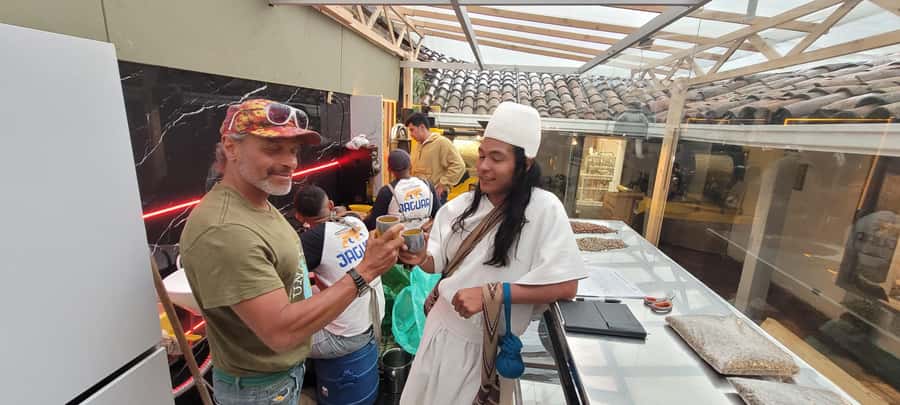
Cupping can sound fancy, but the teaching style makes it approachable. The big win is that you’re learning to focus your senses.
Aroma first, then flavor
You’ll be trained to pay attention to the way coffee smells before you taste it. This matters because aroma does a lot of the work in how you experience flavor.
If you normally drink coffee on autopilot, this experience helps you slow down just enough to notice details. Think: you can separate sweetness, roast character, and other flavor notes more clearly after a session like this.
You learn a comparison mindset
A lot of tastings fail because you taste, you react emotionally, then it’s over. Here, the guidance nudges you into comparison.
So when you taste coffee from different exotic origins, you’re not guessing randomly. You’re using the same approach again and again, which makes your preferences far more meaningful.
The experts tie results to the process
The strongest educational piece is the link between what happened on the farm or during roasting, and what you experience in the cup.
That’s why this isn’t just a fun coffee break. It’s a mini course in cause and effect, designed so you can actually remember it when you’re choosing a bag of beans later.
Exotic origin coffees: why “variety” is the point, not the gimmick
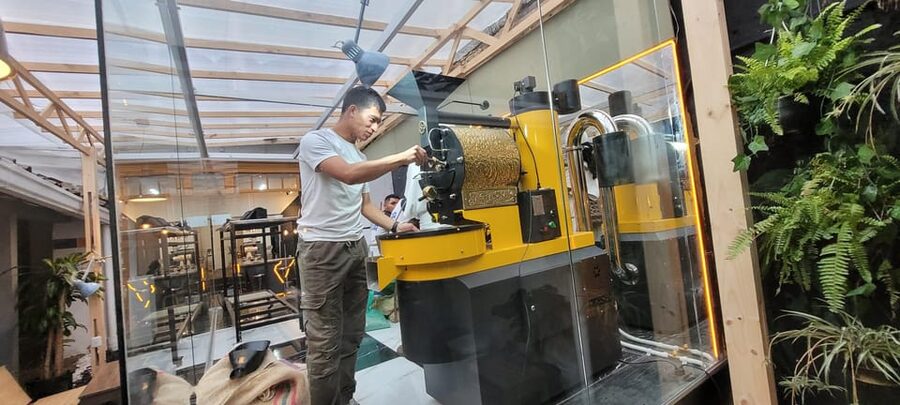
The tour’s theme is exotic coffee varieties, and the value is that it teaches diversity in a structured way.
You’re not only tasting different coffees, you’re learning how flavor profiles change based on the coffee’s background. They guide you through differences in taste and help you appreciate subtle distinctions between varieties.
A practical way to think about it:
- Two coffees can both be good, but one might feel brighter or more aromatic.
- Another might feel heavier or more roast-forward.
- And those differences can often be traced back to how the coffee was grown and processed, plus how it was roasted.
That’s the real takeaway. If you care about buying coffee in Bogota or ordering it later back home, you’ll understand your own taste better.
The wellness angle: antioxidants and the stimulating reality
The tour includes health and wellness benefits, specifically antioxidants and coffee’s stimulating effects. That’s not a weird add-on, because it fits the theme of high-quality coffee.
But here’s the practical note for you: this is still a coffee tasting. If you’re caffeine-sensitive, the tour is not permitted for you. So do not treat the wellness section as the main event and ignore the caffeine factor.
For everyone else, I like that the tour doesn’t just talk romance about coffee. It talks about the effects you’ll feel, plus the general benefits associated with high-quality coffee.
Price and value: is $32 fair for 90 minutes in Bogota?
At $32 per person for 90 minutes, this sits in the “educational experience” category rather than the cheap-and-cheerful tasting bracket.
Here’s what you’re paying for that makes the value more solid:
- Cupping/tasting instruction by a barista and expert tasters
- Use of resources during the experience
- A guided comparison of multiple exotic origin coffees
- Education about growing, harvesting, and roasting, not just taste impressions
What’s not included also matters for value:
- No tip is included
- No additional drink or food is included
So if you’re someone who needs snacks to stay comfortable, plan on buying your own food before or after. But as a focused tasting lesson, the price makes sense, especially because coffee education is hard to replicate on your own unless you buy tasting kits and then learn the method from scratch.
Language and group style: what to expect if your Spanish or English is basic
The instructor is listed as English and Spanish. That’s a plus because it means you can participate even if you’re not fluent.
The experience is also described as a private group. Even without an exact group size, private generally means the guide can slow down, answer questions, and respond to your pace.
For you, that matters because cupping is a “how to” activity. If you can’t hear instructions clearly, it’s harder to learn the method. A private group setup usually improves that.
Who this coffee tasting suits best (and who might not love it)
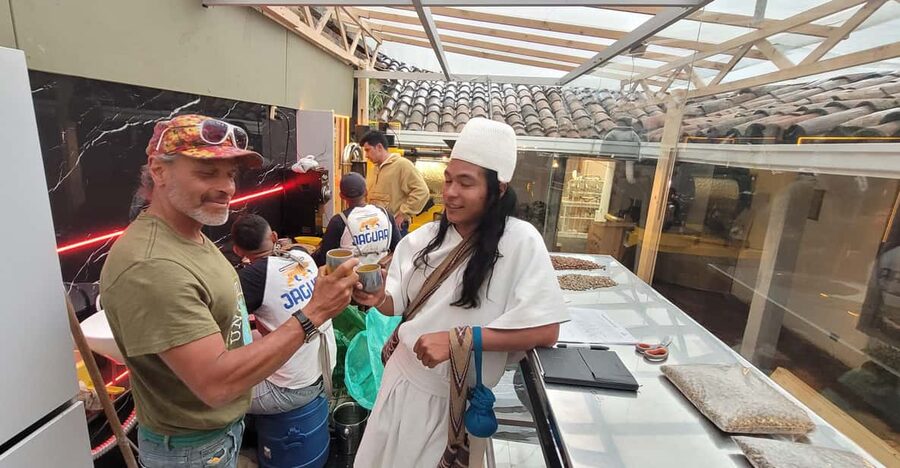
This tour is a strong fit if you:
- Enjoy learning by tasting, not just listening
- Want to understand why exotic coffees taste different
- Like structured sensory activities (aroma, flavor comparison)
- Are curious about coffee beyond the basics, especially process and roast influence
It is not suitable for:
- Children under 10
- People with mobility impairments or wheelchair users
- People who are visually impaired
- People who are hearing-impaired
- Caffeine-sensitive people (not permitted)
If you’re traveling with anyone who fits those categories, you’ll save time by choosing a different coffee activity.
A few rules that protect the tasting (so you get better flavors)
These tours can be sensitive to smell and distractions, and the rules reflect that. You’ll be asked not to bring pets, and no vaping. Alcohol and drugs are not allowed, and chewing gum is also not allowed.
One rule I really appreciate is the one about strong fragrances. Perfume, cologne, and other strong smells can mess with the aromas you’re supposed to detect. If you’re going straight from sightseeing, take a quick check before you arrive.
Also, bring a hair tie. It sounds minor, but cupping is a close-sense experience, and keeping hair off your face makes it easier to focus.
My booking checklist for a smooth cupping session
If you want this to go well, do these small prep steps:
- Bring your ID card or passport
- Wear comfortable clothes
- Bring a camera if you want to document the experience
- Skip strong fragrances that day, and avoid chewing gum
- If you’re sensitive to caffeine, don’t book this session
One more practical caution: a small number of bookings have described sessions that felt shorter or started with confusion. That’s not the most common pattern, but it’s enough to suggest a simple move: confirm your time slot so you’re not arriving to a mismatched start.
Should you book this coffee tasting tour in Bogota?
I’d book it if you want a real coffee education that focuses on how flavor works, not just what tastes good. The biggest strengths are the guided cupping, the attention to aroma and flavor differences, and the way the experts connect taste to growing, harvesting, and roasting.
Skip it if you hate caffeine, need wheelchair access, or are traveling with someone who is visually or hearing impaired. And if you’re expecting a big food pairing or extra drinks, know those are not included.
If you’re in Bogota and you want a memorable, practical coffee experience that builds your taste vocabulary fast, Jaguar Coffee House is a solid bet.
FAQ
How long is the Bogota coffee tasting experience?
The duration is 90 minutes.
What is the price per person?
It costs $32 per person.
Where is the meeting point near Chorro de Quevedo Plaza?
The meeting point is very near Chorro de Quevedo Plaza, at a blue house with the Jaguar logo.
What languages are used during the experience?
The instructor is available in English and Spanish.
What is included in the tour price?
The tour includes the cupping/tasting experience, a barista, and the use of resources during the session.
Is an additional drink or food included?
No. Additional drink and additional food are not included.
What should I bring to the tasting?
Bring your passport or ID card, a camera, comfortable clothes, and a hair tie.
What rules should I follow during the tour?
Pets are not allowed, vaping is not allowed, and alcohol and drugs are not allowed. Chewing gum is also not permitted, as well as strong fragrances. Electric wheelchairs are not allowed.
Who is this tour not suitable for?
It is not suitable for children under 10, people with mobility impairments, wheelchair users, visually impaired people, hearing-impaired people, and caffeine-sensitive people.
Does booking allow flexibility for payment and cancellation?
You can reserve now and pay later. Free cancellation is available up to 24 hours in advance for a full refund.
Coffee, Poured Around Bogota
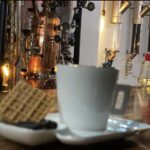
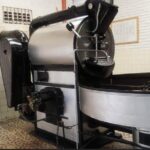

Eat and Drink Bogota
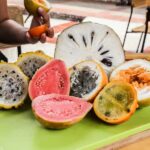

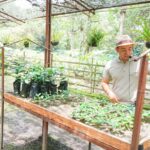
From Branch to Cup
Just added to our Bogota shelf
- Fun Graffiti Workshop: The Art of Aerosol and Color
★ 5.0 · 3 reviews - From Bogota: White Water Rafting Experience
★ 4.4 · 3 reviews - From Bogota: Excursion to Jaime Duque Park
★ 5.0 · 3 reviews - Bogotá: La Candelaria Food Tour with Tastings
★ 4.2 · 3 reviews - Walking tour José Celestino Mutis Botanical Garden 3 hrs
★ 5.0 · 3 reviews
Colombian Coffee Farm Tours, compared.
 ★ 4.7Medellin: Coffee Tour with Transport, Snacks and TastingsFrom $801,357 reviews
 ★ 4.9Medellín Coffee Farm Tour with Trolley and Cable Car RideFrom $56277 reviews
 ★ 5.0Coffee Tour at the Finca del CaféFrom $40213 reviews
 ★ 4.8Medellin: Coffee Tour and Wellness SpaFrom $88209 reviews
 ★ 4.9Salento: Private Cocora Valley, Salento & Coffee Farm TourFrom $157202 reviews
 ★ 4.9Medellin: Coffee Tour with Hotel Transfers and MealsFrom $70186 reviews
 ★ 4.8Medellin: Horseback Riding Coffee Farm Tour with Coffee SpaFrom $150151 reviews
 ★ 4.5From Bogotá: Coffee Farm and Tequendama Falls TourFrom $85130 reviews
Where else this tour turns up