
REVIEW · COLOMBIAN COFFEE FARM TOURS
Bogota: Coffee Tasting, Roasting, Filtration & Espresso Tour
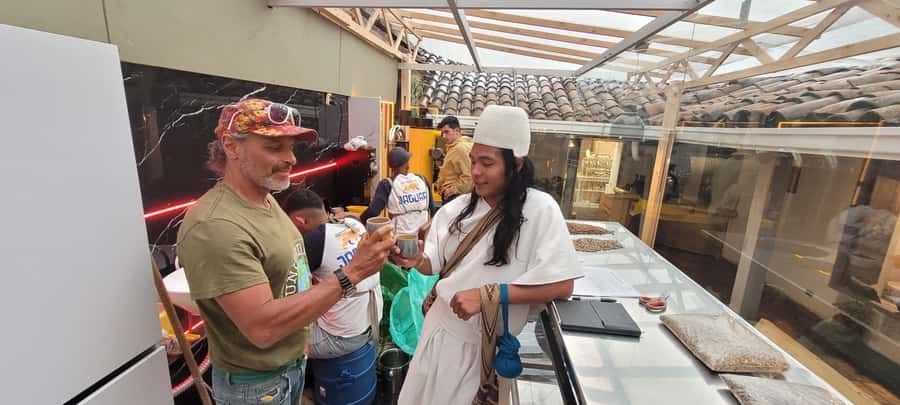
Smell beats sight in this Bogota coffee session. You get a real, sensory walkthrough of how beans turn into flavor, starting with the way they’re roasted and ending with you making drinks using different brewing methods. I particularly liked the hands-on roasting and tasting parts, and I also loved the chance to practice filtration and espresso instead of just watching from a chair. One drawback to weigh first: people who are caffeine sensitive are not allowed, so plan accordingly if you react to even small amounts.
This tour is built for active learning. The format focuses on aroma and taste changes through the roasting process, then ties that back to how brewing method affects what ends up in your cup. With a private group and English or Spanish instruction, you can get questions answered right away, which matters a lot for a subject as detailed as coffee.
The main consideration for your day is physical and sensory comfort. It’s not suitable for kids under 10, wheelchair users or people with mobility impairments, and it is also listed as not suitable for people with vertigo or hearing impairments.
In This Review
- Key things you’ll notice on this Bogota coffee tour
- Getting oriented near Chorro de Quevedo (and why that matters)
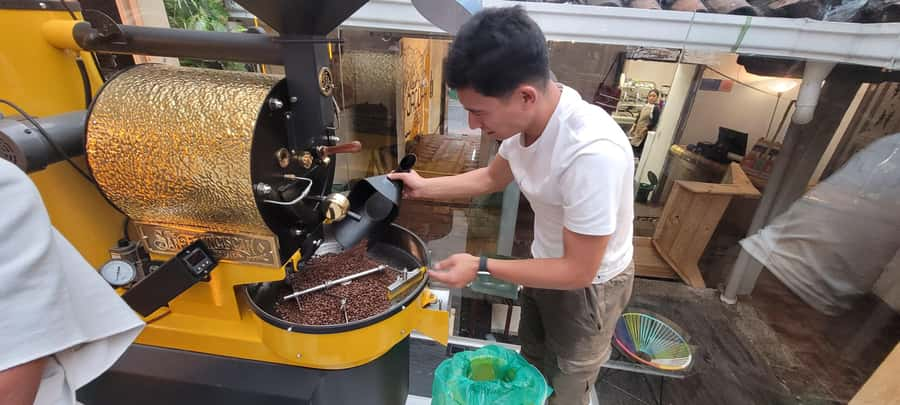
- The roasting experience: where coffee flavor starts to change
- Cataction tasting: learning to compare exotic varieties and processes
- Filtration brewing practice: tasting method changes the cup
- Espresso practice: learning extraction with a fast, precise method
- Latte art: the fun finish that teaches technique awareness
- Who this tour suits best (and who should skip)
- Price and value: why $85 for 150 minutes is fair if you want skills
- Meeting the day: what to bring and how to prepare
- Should you book this Jaguar Coffee House tour in Bogota?
Key things you’ll notice on this Bogota coffee tour
- Live roasting experience that connects aroma to flavor changes as coffee develops
- Cataction coffee tasting to compare varieties and processes by how they taste
- Filtration and espresso practice so you learn method, not just theory
- Latte art training to finish with a skill you can use later
- A private-group pace with a barista guiding you through steps and adjustments
Other farms where the cup starts on the branch
- From Bogotá: Coffee Farm and Tequendama Falls Tour★ 4.5 · 130 reviews
- Bogota: Colombian Coffee Tasting★ 4.8 · 92 reviews
- Coffee Farm Experience Private Day Tour★ 5.0 · 81 reviews
- Coffee tasting experience at Divino Café Especial★ 5.0 · 57 reviews
Getting oriented near Chorro de Quevedo (and why that matters)
I like tours that start in a place that’s easy to find and easy to reach. This one meets very near Chorro de Quevedo Plaza, in a blue house with the Jaguar logo. That’s helpful because it reduces the stress before you even start tasting coffee, and it makes it simple to pair the tour with other walkable time in central Bogota.
The session is 150 minutes, which is long enough for real practice. You’re not just doing a quick sampler. You’ll spend time with multiple stages, including roasting and then multiple brewing styles. With a private group, the pacing tends to feel more controlled, which is a plus when you’re switching between smells, tasting, and technique.
Plan to dress for standing and moving around. You’ll want comfortable shoes and clothes that breathe, since you may spend part of the time close to brewing and workshop-style activity. I also recommend bringing a camera, since coffee tasting is visual as well as sensory, even when the key details are smell and taste.
One more practical heads-up: strong perfumes or fragrances are not allowed. If you’re sensitive to crowded indoor spaces or strong scents, keep your own scent low so you don’t make the tasting harder for yourself or others.
The roasting experience: where coffee flavor starts to change
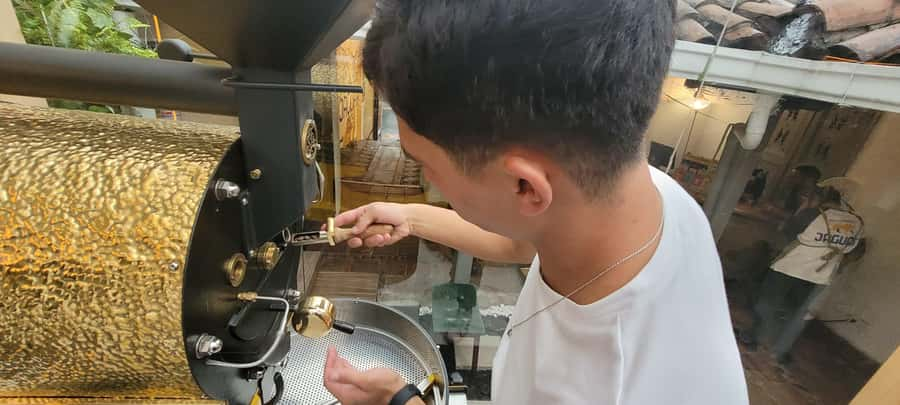
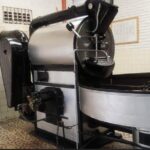
The heart of this tour is the roasting experience. Roasting is where coffee goes from green-bean potential to the complex aromas you associate with a great cup. Here, you don’t just get a lecture. You experience the roasting process live, and that changes how the whole class clicks.
You’ll learn how roasting evolves over time, and how that evolution shows up as shifts in aroma and flavor. This is where I think many coffee tours fail, because they jump to tasting without explaining what caused the flavor you’re detecting. In this session, the roasting and the tasting are tied together, so when you notice a different profile later, you have a reason for it.
A useful thing to pay attention to is smell in layers. During roasting, coffee aromas can change fast, and your nose starts to understand why people say coffee is a different kind of sensory experience than tea or wine. Even if you’re not a “coffee notes” person, you can still track what you smell and then match it to what you later taste.
Roasting also sets you up for the cupping and brewing comparisons. Different processes and bean types can land in your cup differently, but roast level is a huge baseline. Understanding that baseline makes the later steps feel less random and more like a cause-and-effect lesson.
Cataction tasting: learning to compare exotic varieties and processes
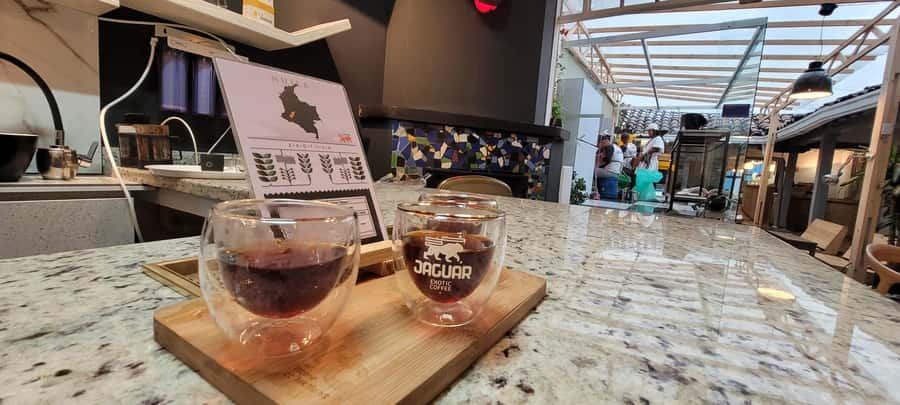
After the roasting stage, you move into tasting, including a cataction experience. The goal here is comparison. You’ll try different coffee types and varieties, and you’ll also explore different processes. That matters because process can affect sweetness, acidity, and the way certain flavors read in a cup.
I like tasting sessions that teach you what to do with what you’re tasting. Even without a formal “classroom” feel, you should come away with better instincts: what to look for first, how to notice aroma and taste differences, and how to connect those differences back to the earlier roasting and bean selection.
This part is also where “exotic” stops being a marketing word. Instead, it becomes a set of choices you can taste. You’re learning that coffee culture is not one flavor. It’s a range of profiles built from farming choices, processing methods, roasting decisions, and brewing extraction.
One more tip: take your time between samples. If you rush, your palate gets confused, and you start guessing. If you slow down, you’ll likely find patterns faster, like which cups taste brighter, which feel heavier, and which linger with a more noticeable aroma.
And yes, you should expect this to be interactive. A barista-guided session works best when you ask questions as you go.
Filtration brewing practice: tasting method changes the cup
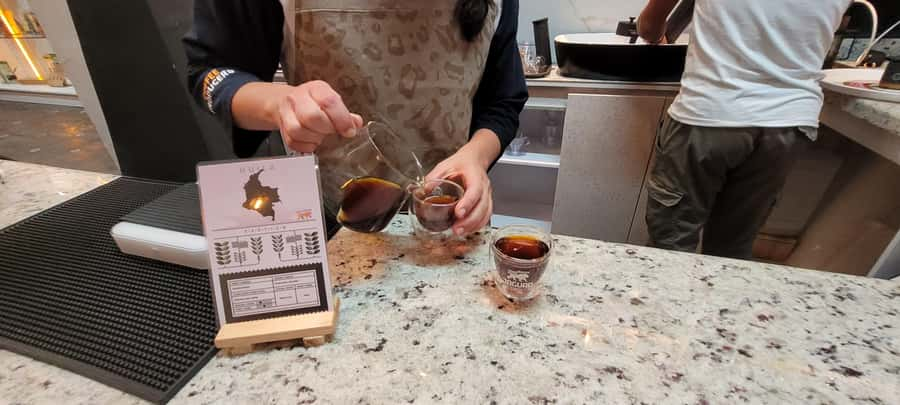
Then comes filtration. This is a practical shift from tasting to technique. Filtration methods tend to highlight clarity and detail, and they often make acidity and origin character easier to notice compared with espresso.
What you’ll get out of this stage is more than learning a recipe. You’re learning how small technique choices can impact extraction. Even if you don’t become a home barista that day, you’ll leave with a better understanding of why different cups taste different even when they start with the same beans.
This is also one of the most valuable parts if you’re a coffee enthusiast who wants to understand not just “what tastes good,” but why it tastes that way. For readers who drink mostly drip-style coffee or pour-over, this segment helps you connect taste to process without getting lost in complicated jargon.
Keep an eye on the basics during filtration practice: consistency and timing. When those slip, coffee can taste flat, too weak, or overly bitter. When they’re controlled, the cup usually reads cleaner and more balanced.
Where Bogota eats, and what it pours
Espresso practice: learning extraction with a fast, precise method
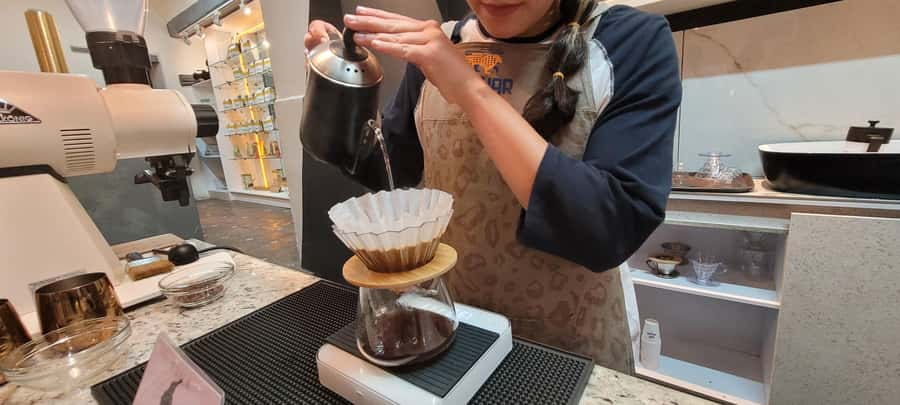
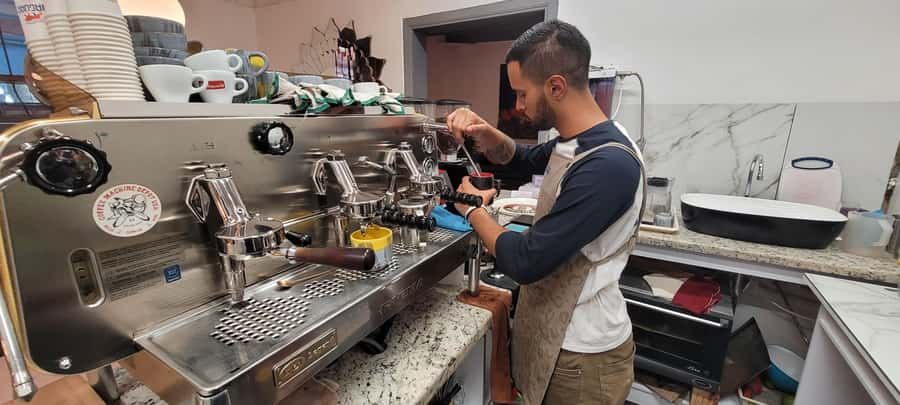
Right after filtration, you get espresso. Espresso is not just a different drink, it’s a different way of pulling flavor quickly and intensely. This portion of the tour matters because it forces you to experience coffee under pressure, where extraction speed and pressure-related factors can dramatically change taste.
I like that the tour pairs filtration and espresso back-to-back. It gives you a built-in comparison window. You can notice what gets amplified or muted when you switch brewing methods, and you start to understand what kind of profile each method tends to bring forward.
During espresso practice, you’ll likely focus on consistency and attention to detail. Espresso rewards precision, and even small differences can shift sweetness, balance, and bitterness. If you’re used to ordering espresso and only judging the final drink, this will change your perspective.
There’s also a value angle here. Home espresso can be expensive and confusing. A guided practice session helps you understand what you’re paying for and what skills matter most, so you don’t waste money chasing the wrong variables later.
Latte art: the fun finish that teaches technique awareness
The tour ends with an art latte experience, which is latte art practice. This is a fun stage, but it’s also more than decoration. Latte art is tied to how you pour and how your milk textures. In other words, it’s another technique that connects preparation to sensory results.
Even if your first attempt looks more like abstract art than a heart, you’re learning control. That matters because coffee is sensory, and your brain starts to associate process with outcome. You’ll probably notice that when milk is properly textured, your pour flows more predictably, and your end result looks better.
This is also a satisfying way to end a tour that could otherwise stay purely in tasting mode. You leave with a skill you can reuse, which is a big reason I enjoy hands-on coffee tours.
Who this tour suits best (and who should skip)
This is a strong fit if you love coffee and want hands-on learning. It’s also ideal if you like structure: roasting, then tasting, then filtration and espresso, then latte art. The tour has a clear “from bean to cup” path, and the private-group format can help you keep up even if you ask a lot of questions.
It can be less suitable if you have certain sensitivities or conditions. People with caffeine sensitivity are not allowed. The tour also lists it as not suitable for children under 10, wheelchair users and people with mobility impairments, and it is not suitable for people with vertigo or hearing impairments.
Also note what’s not allowed: pets, smoking, vaping, and alcohol or drugs. Strong fragrances are a no-go too. If you’re trying to book with a group, this matters for planning what people wear and bring.
Price and value: why $85 for 150 minutes is fair if you want skills
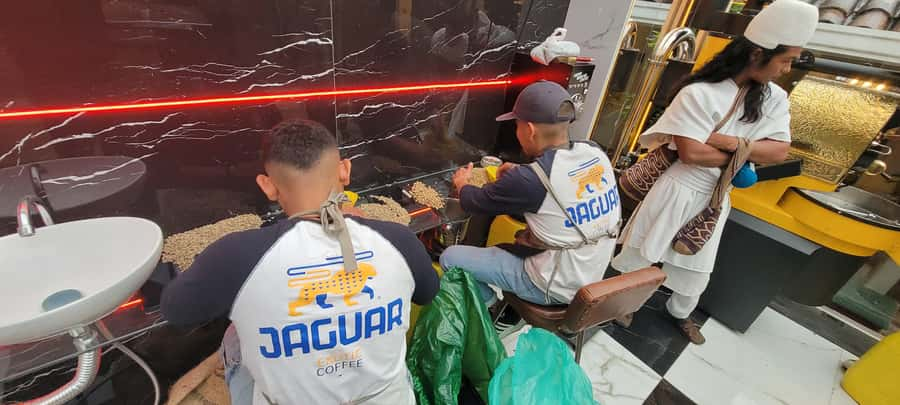
At $85 per person for 150 minutes, the price makes sense when you look at what’s included. You’re not just sampling coffee. You’re getting roasting experience, tasting, filtration practice, espresso practice, and latte art training. On top of that, a barista guides you, and the tour includes use of resources during the experience.
This combination is the key value driver. Coffee tasting alone can be cheap, but it often stays passive. Brewing and roasting experiences cost more because they require equipment, space, and instruction time. Here, your money goes toward the parts that actually teach you how to make and assess coffee.
Another value point is the private-group setup. Private groups typically mean you get more direct time and fewer distractions. That can improve learning, especially in technique-heavy sections like espresso and latte art.
Foods are not included, and additional drinks are not included. So, I suggest eating beforehand and budgeting for any extras you want afterward. If you show up hungry, you’ll be thinking about food instead of aroma.
Meeting the day: what to bring and how to prepare
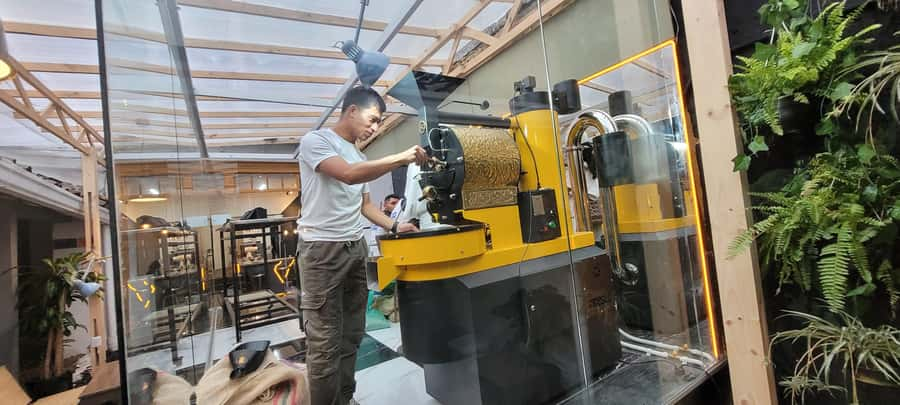
You’ll be happier if you come prepared and comfortable. Bring comfortable shoes, comfortable clothes, and a hair tie if you need it. A camera is worthwhile since you’ll likely want to capture the workshop vibe and your final latte art attempts.
Bring an ID card or passport. A copy is accepted. This is especially important for smooth check-in.
Before you go, think about your caffeine tolerance. Since people with caffeine sensitivity are not allowed, you should not try to “push it” for the sake of the tour. If coffee affects you, pick a different experience that doesn’t include tasting or brewing.
Finally, keep your personal environment simple. Avoid strong fragrances. If you use perfume or cologne, tone it down on tour day so you can smell and taste coffee clearly.
Should you book this Jaguar Coffee House tour in Bogota?
Book it if you want a hands-on coffee experience that connects roasting, tasting, and brewing methods in one session. I’d especially recommend it if you care about learning the difference between filtration and espresso, and if you’re hoping to leave with a practical skill you can try again at home through latte art basics.
Skip it if caffeine sensitivity is an issue, or if you need accessibility accommodations listed as not suitable. Also skip it if you only want a quick, casual taste with zero technique practice. This tour is built around doing, not just sampling.
If you’re a coffee person who likes real structure, this is the kind of tour where you come away with clearer instincts. You’ll know why a cup tastes the way it does, not just that it tastes good.
Coffee, Poured Around Bogota
Eat and Drink Bogota

From Branch to Cup
Just added to our Bogota shelf
- Fun Graffiti Workshop: The Art of Aerosol and Color
★ 5.0 · 3 reviews - From Bogota: White Water Rafting Experience
★ 4.4 · 3 reviews - From Bogota: Excursion to Jaime Duque Park
★ 5.0 · 3 reviews - Bogotá: La Candelaria Food Tour with Tastings
★ 4.2 · 3 reviews - Walking tour José Celestino Mutis Botanical Garden 3 hrs
★ 5.0 · 3 reviews
Colombian Coffee Farm Tours, compared.
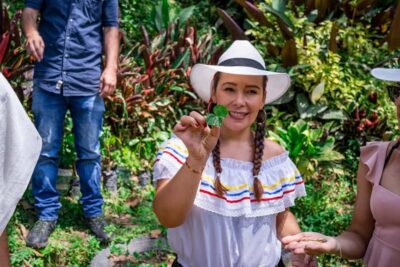 ★ 4.7Medellin: Coffee Tour with Transport, Snacks and TastingsFrom $801,357 reviews
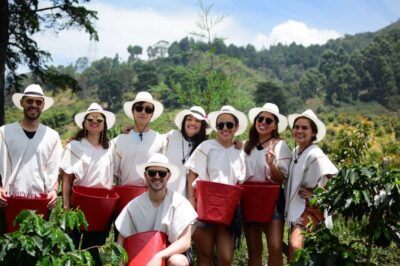 ★ 4.9Medellín Coffee Farm Tour with Trolley and Cable Car RideFrom $56277 reviews
 ★ 5.0Coffee Tour at the Finca del CaféFrom $40213 reviews
 ★ 4.8Medellin: Coffee Tour and Wellness SpaFrom $88209 reviews
 ★ 4.9Salento: Private Cocora Valley, Salento & Coffee Farm TourFrom $157202 reviews
 ★ 4.9Medellin: Coffee Tour with Hotel Transfers and MealsFrom $70186 reviews
 ★ 4.8Medellin: Horseback Riding Coffee Farm Tour with Coffee SpaFrom $150151 reviews
 ★ 4.5From Bogotá: Coffee Farm and Tequendama Falls TourFrom $85130 reviews
Where else this tour turns up