
REVIEW · TAYRONA PARK & SANTA MARTA COAST
Santa Marta: Multi-Day Trek to The Lost City
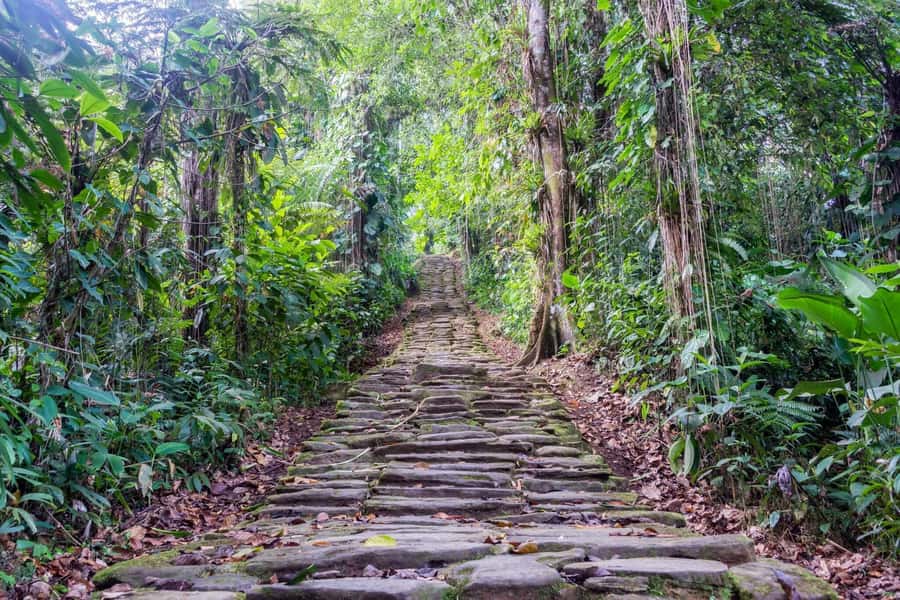
The Lost City begins with 1,200 steps. This trek from Santa Marta into the Sierra Nevada de Santa Marta is the kind of trip where a small group (up to 15) and an always-on guide make the whole journey feel controlled, even when the trail gets steep. You also get the full mix of jungle walking, river breaks, and archaeological payoff at the end.
I especially love the ancestral Tayrona setting you move through, from the first camp life to the terraces and plazas once you reach Ciudad Perdida. One consideration: this is physically tough. It is not a casual hike, and you should plan for daily effort, heat, and slippery mud after rain.
In This Review
- Key things you should know before you go
- Why Ciudad Perdida feels different than other South America ruins
- Picking 4, 5, or 6 days: how your pace will change
- The route that actually matters: El Mamey, the camps, and the Lost City day
- Getting started: El Mamey and first jungle steps
- Camp life by the river: Wiwa camp, Buritaca River, and Mutanyi
- The Lost City morning: terraces, roads, plazas, and your guide’s thread
- The final return: back to El Mamey and Santa Marta
- What you’ll see in Ciudad Perdida, and why it’s worth the effort
- Culture stops with Wiwas and Koguis: respectful, real, and practical
- Camps, hammocks, toilets, and the reality of sleeping in the jungle
- Safety, guides, and getting through heat and mud
- Price and logistics: is $713 good value?
- Fitness reality check: who will love it, and who will struggle
- Packing checklist that matches this trek, not a brochure
- Should you book this Santa Marta Lost City trek?
- FAQ
- How many days is the Lost City trek from Santa Marta?
- Where does the trek start?
- What is the big highlight day?
- Is the Lost City entrance ticket included?
- What meals are included?
- Where do you sleep during the trek?
- What languages is the guide service in?
- Is pickup from Santa Marta included?
- What should I bring?
- Is this trek suitable for everyone?
Key things you should know before you go
- 1,200 stone steps lead to Ciudad Perdida, so bring step-ready legs
- Up to 15 people means less chaos and more guide attention
- Buritaca River and river baths are built into the pacing
- Wiwas and Koguis culture stops add meaning beyond the ruins
- Hammocks or bed setups with mosquito nets, plus toilets and showers at camps
- Warm, humid weather plus possible sunset rain, so pack for mud and mosquitoes
Other ways into Tayrona and along that coast
- Santa Marta: Sailboat day tour to Tayrona Park★ 4.5 · 352 reviews
- From Santa Marta: Tayrona National Park Guided Tour★ 3.8 · 131 reviews
- Tayrona Bay Sailboat trip★ 4.5 · 107 reviews
- Santa Marta: Minca Coffee, Cocoa, & Waterfall Full-Day Trip★ 4.6 · 102 reviews
Why Ciudad Perdida feels different than other South America ruins
The Lost City is not just a destination. It is a slow reveal. You do not drive up to a viewpoint and call it done. You work your way through humid jungle toward stonework that was built long before most travelers even knew the route existed.
What makes it special is the way the day structure builds anticipation. You start with walking, then you add river and waterfall breaks, then you hit the big step day when your guide starts pointing out how the place was laid out. When you finally reach the terraces and circular plazas, it feels earned, not staged.
Also, this is set in the Sierra Nevada de Santa Marta, home to living indigenous communities today. So the trek has cultural meaning, not just photo ops. You get time to interact with groups connected to the Wiwa and Kogui traditions, and you learn how the living culture connects to the land you’re hiking through.
Picking 4, 5, or 6 days: how your pace will change
You choose from 4-, 5-, or 6-day versions. The core shape stays the same: Santa Marta to El Mamey by 4×4 jeep, days in jungle camps, and a highlight climb to the Lost City. What changes is how much time you spend walking versus resting, plus how much time you allocate to culture and transitions.
- A shorter option tends to compress the effort. You’ll still face steep climbs and long walking days, just with fewer “buffer” hours.
- A longer option spreads the workload and adds more room for cultural exchange time, especially earlier in the route.
- If you hate feeling rushed, the 5- or 6-day options tend to feel more relaxed, even though the total time is longer.
If you are fit but want a serious challenge, the shorter route can be a good match. If you want the trek to feel like a journey, not a test, lean toward the longer option.
The route that actually matters: El Mamey, the camps, and the Lost City day
No matter which version you pick, the trip is organized around a handful of key waypoints that shape the experience.
Getting started: El Mamey and first jungle steps
Day 1 starts around 9:30 AM with a 3-hour drive by 4×4 jeep to El Mamey. You’ll have lunch there and then begin trekking toward the Tayronas sacred zone. This first walking day is described as a smooth start, around 4 hours and about 7.6 km.
You also get a snack stop at the Lookout Las Tres Cruces, plus fruit tasting. After that, the route includes natural pools and waterfalls where you can cool down before reaching the first camp in the afternoon.
This is the day I’d call “get your rhythm.” The goal is to start steady, not to prove anything. Heat and humidity already work on you, so pacing early is how you’ll still enjoy Day 3.
Other city runs through Santa Marta
Camp life by the river: Wiwa camp, Buritaca River, and Mutanyi
On the middle days, the trek shifts from broad “getting in” walking to more focused transitions between camps.
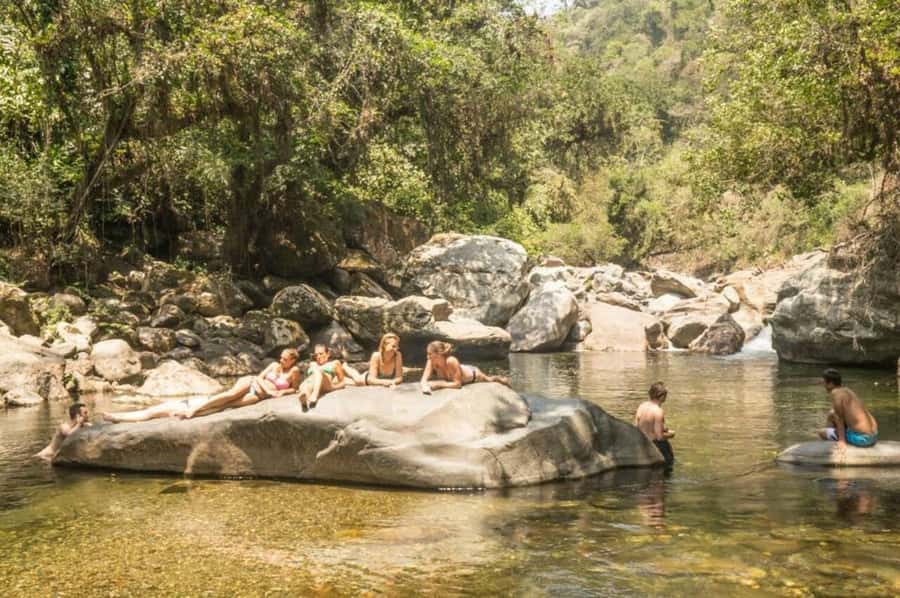
For the shorter version, Day 2 moves you toward Wiwa camp by the Buritaca River. You’ll enjoy a riverside break, including a refreshing bath, plus lunch. Then you keep going into jungle sections where you may see houses connected to an indigenous village called Mutanyi.
Day 3 for the shorter versions is the big one. You start very early, then climb 1,200 stone steps on a Tayrona-built trail to reach Ciudad Perdida. After the morning at the ruins and a lunch back on the route, you return to Wiwa camp for another overnight.
For the 6-day option, the itinerary adds extra cultural time earlier. Instead of pushing straight into the river camp pattern, you’ll spend a day in an indigenous reserve area with learning time about Wiw a and Kogui cultures, then continue between camps with river baths and breaks. It also includes a descent toward the Buritaca River valley where you can encounter indigenous housing linked to Mutanyi.
Bottom line: river access is a feature, not a bonus. When the route includes baths and river pauses, you feel human again after steep walking.
The Lost City morning: terraces, roads, plazas, and your guide’s thread
The highlight day is built around your early climb to Ciudad Perdida. This is not a slow stroll. You’re going up lots of stone steps, through dense jungle, and the top is reached after your legs warm up and your breathing settles into a rhythm.
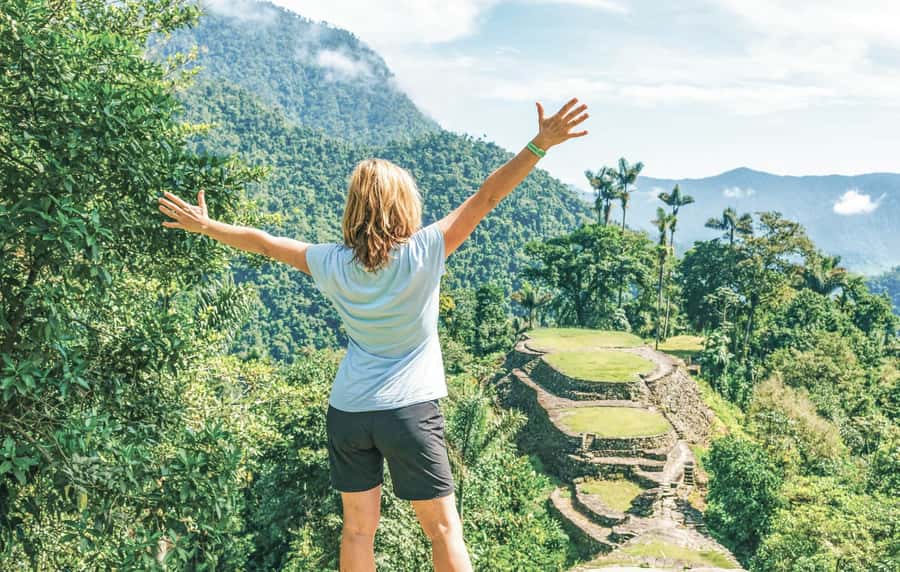
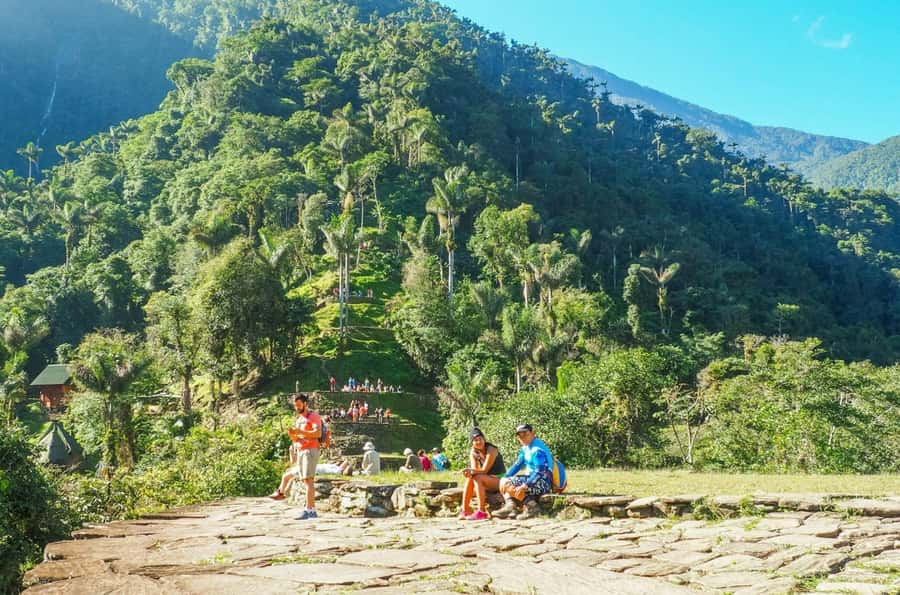
Once you arrive, your guide helps you understand what you’re seeing: terraces carved into the mountainside, a network of tiled roads, and small circular plazas. The site is believed to have been founded around 800 CE, which places it around 650 years earlier than Machu Picchu.
Even if your Spanish or English is just okay, you’ll get the story. In past departures, guides and interpreters like Francisco, Emilie, and Victor have been praised for making the place understandable, and that matters here. Ciudad Perdida is easier to enjoy when you know what you are looking at.
The final return: back to El Mamey and Santa Marta
On departure days, you walk back toward El Mamey, typically around 2 hours in the shorter route, then you eat lunch and return to Santa Marta by 4×4 jeep.
For the 5-day version, you get a partial extra day pattern. After the return to camp on Day 4, there is a day portion where you can relax, observe views, and interact with others before the last-day walk to El Mamey.
The main thing to plan for on the last day is stamina. You might feel tired from the highlight climb, so treat the final walk as recovery, not as an extra workout.
What you’ll see in Ciudad Perdida, and why it’s worth the effort
Ciudad Perdida’s layout is what makes it memorable. You’re not only seeing buildings. You’re seeing planning: terraces that step down the mountainside, roads laid out in a tiled pattern, and plazas that shape how people gathered.
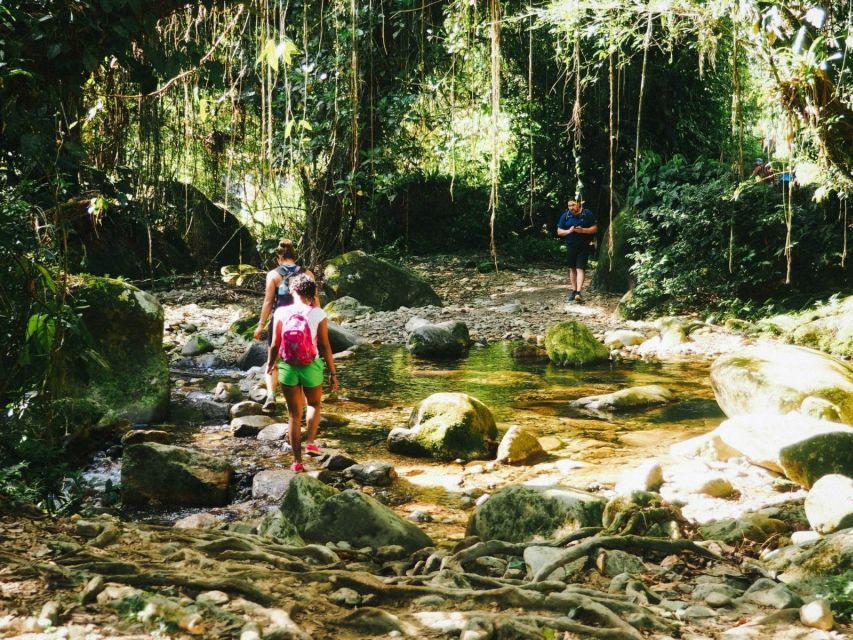
Then there’s the approach. Because you reach it by a Tayrona-made trail and climb 1,200 steps through jungle, you experience the site with changing physical context. The jungle feels different when you are approaching a human-built system hiding in it.
One more thing I like: the trek is designed with interpretation in mind. The guide is not just counting you at the front and back. Their job is to explain relics and ancestral stories connected to the site, which is why the day tends to land so strongly for many people.
Culture stops with Wiwas and Koguis: respectful, real, and practical
This trek is positioned not only as archaeology, but as a connection to living communities. You’ll have moments where your guide helps you learn about indigenous cultures, including Wiwa and Kogui traditions. You may also see houses associated with Mutanyi during parts of the walk.
In one departure, an indigenous guide named Francisco was specifically highlighted for explaining traditions and history in a way that made the experience feel grounded, not distant. Another group credited a translator named Emilie for encouragement and for helping them understand what they were seeing.
For you, the practical takeaway is simple: bring curiosity and patience. Even when you’re tired, listen. These parts of the trek can turn the ruins from impressive to meaningful.
Camps, hammocks, toilets, and the reality of sleeping in the jungle
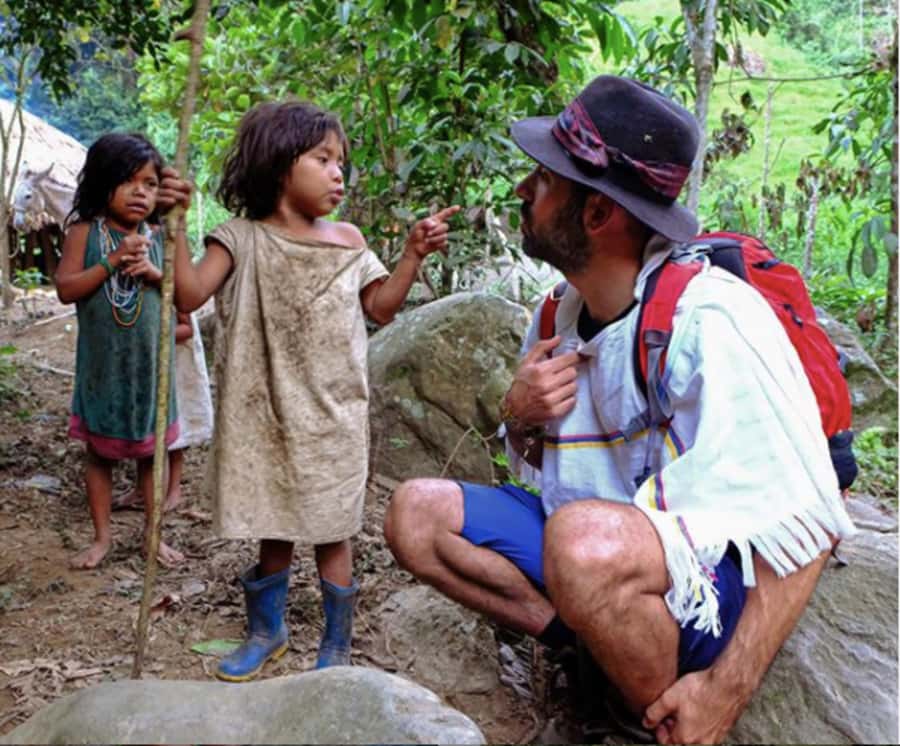
Let’s talk comfort, because this trek is intense enough without pretending it’s glamorous.
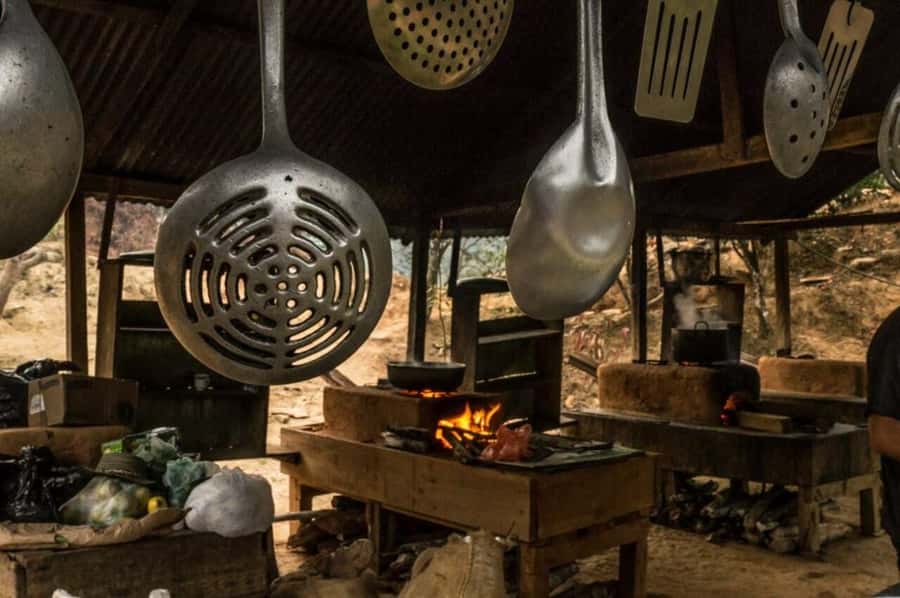
You sleep in the jungle in hammocks or beds with mosquito nets. Camps are described as having electricity, toilets, and showers. That helps a lot on morale. Being able to rinse off after sweaty days changes how you feel about Day 3.
Food is included: breakfast, lunch, and dinner. Snacks, purified water, fruits, and snacks on the walk are also included. In multiple positive accounts, meals were described as delicious and filling, and a chef named Bridgette has been praised for making the food part of the pleasure.
Still, keep expectations realistic. Cooking for multi-day groups in a hot, humid environment is hard work. One departure reported food poisoning on the last day, which is a reminder that no large group meal system is risk-free.
If you’re sensitive to stomach issues, pack any personal meds you might need and stick to the included water plan. Also, keep hand hygiene simple and consistent.
Safety, guides, and getting through heat and mud
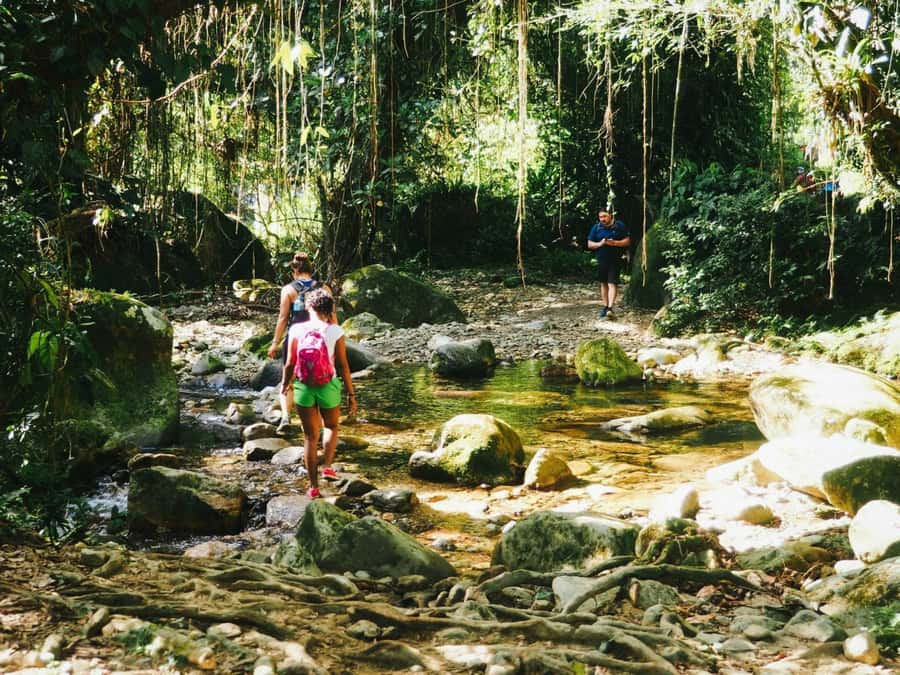
A pro guide is part of the package. You’re guided through jungle sections with safety in mind at all times, and the trip includes accident insurance.
Logistically, the small group size helps. With a maximum of 15 participants, your guide can keep track of pace and regrouping on the trail.
Weather matters here. The climate is around 26 to 32°C, and it’s warm and humid. Nights can cool down closer to about 18°C. Rain can happen, often around sunset, and the trail can become slippery with mud.
So your job is to show up prepared:
- Hiking shoes that can handle mud
- Rain gear
- Insect repellent
- Sunscreen
- A mix of quick-dry clothing and at least some warmer layer for night
And yes, mosquitoes are expected. The hammock setup with nets helps, but you still want repellent.
Price and logistics: is $713 good value?
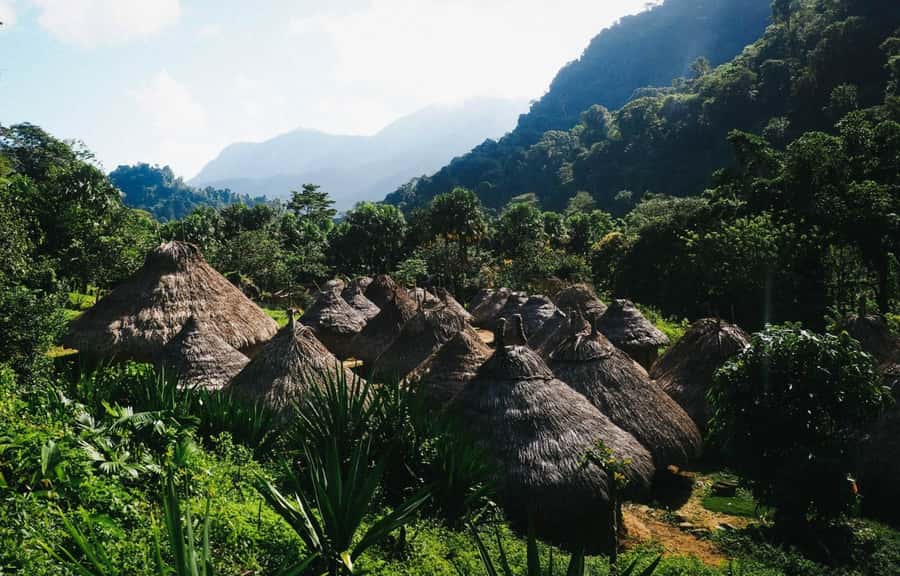
At $713 per person, this trek is not cheap. Whether it feels like value depends on what you expect your money to cover.
You are paying for several big items that add cost on a remote trek:
- 4×4 transportation between Santa Marta and El Mamey
- A Lost City entrance ticket
- Multi-day meals and camp logistics
- Guide service in Spanish and English
- Accommodation setups (hammocks or beds with mosquito nets)
- Accident insurance
- Contributions for indigenous community development
Many people call it well organized, and they praise guide and interpreter support. Names like Arghenith, Victor, and Emilie show up in positive feedback, along with the chef experience. When the team is strong, it’s easier to justify a higher price because the day runs smoothly and the stories land well.
But there are also caution flags. One person felt the transportation was too full and uncomfortable. Another felt the overall value was not there for the cost and raised concerns about what they received each day. A separate report mentioned food poisoning on the last day.
My take for you: if you can afford it, and you’re physically ready, this price buys a structured, guided, culturally connected trek into a place that requires effort to reach. If you are shopping for a deal and want a gentler experience, you may feel the cost more sharply.
Fitness reality check: who will love it, and who will struggle
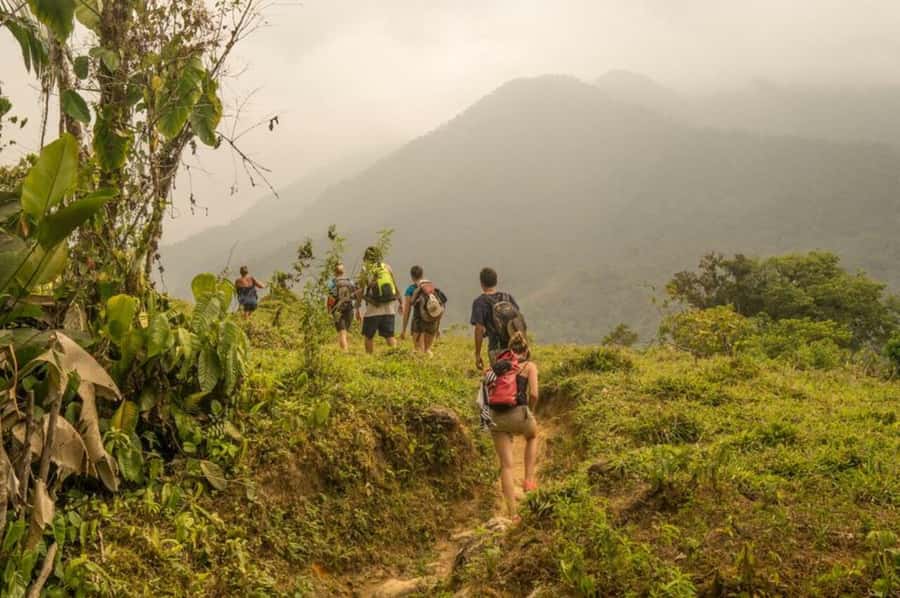
This is where honesty helps. The trek includes steep segments and a highlight climb of 1,200 steps. Even the days described as mostly uphill or with ups and downs still demand sustained hiking effort in heat.
Some accounts emphasize that this is not like a normal walk. People described being pushed physically and mentally each day. Another note points out that even average fitness hikers should expect it to take a lot of strength.
For you, the best fit looks like this:
- You already hike regularly or you can handle steep climbs
- You have time to rest and recover between days
- You pack smart and walk at your own pace
You should think twice if:
- You’re prone to heat exhaustion
- You dislike wet, slippery trails after rain
- You want an easy, low-impact activity
Packing checklist that matches this trek, not a brochure
The included list is solid, and I’d follow it closely:
- Warm clothing (nights can be cooler)
- Swimwear and a towel (river and pool time)
- Hiking shoes
- Sunscreen
- Rain gear
- Flip-flops (useful for camp)
- Insect repellent
- Toiletries, socks
- Flashlight
- Charged smartphone
- Personal medication
- Quick-dry clothing
- Daypack
- Cash
Also note: drones are not allowed. That’s one less thing to worry about at the ruins.
Should you book this Santa Marta Lost City trek?
If you want an authentic-feeling trek that combines real jungle walking, a major stone-step climb, and cultural learning tied to indigenous communities, this is a strong option. The small group size, the emphasis on guide interpretation, and the camp setup with hammocks or beds plus mosquito nets, toilets, and showers make it easier to handle than many remote treks.
But don’t treat it like a standard day hike. If you’re not ready for heat, mud, and long walking days, you’ll spend the trip thinking about survival instead of enjoying the journey.
If you decide to go, I suggest choosing the version that matches your fitness and comfort with effort. A longer day option can reduce the feeling of compression. And regardless of the route length, pack for rain and mosquitoes, and take pace seriously.
FAQ
How many days is the Lost City trek from Santa Marta?
You can choose a 4-, 5-, or 6-day trek.
Where does the trek start?
The adventure includes a 3-hour 4×4 jeep drive from Santa Marta to El Mamey, where lunch happens and the trek begins.
What is the big highlight day?
You climb 1,200 stone steps to reach the Lost City (Ciudad Perdida) through dense jungle.
Is the Lost City entrance ticket included?
Yes, the entrance ticket to the Lost City archaeological site is included.
What meals are included?
Breakfast, lunch, and dinner are included, along with purified water, fruits, and snacks on the walk.
Where do you sleep during the trek?
You sleep in the jungle in hammocks or beds with mosquito nets. Camps have electricity, toilets, and showers.
What languages is the guide service in?
Guide service is available in Spanish and English.
Is pickup from Santa Marta included?
Pickup is included from the Santa Marta urban perimeter, Rodadero, and Taganga. It does not include pickup from Bonda, Minca, Palomino, or areas outside the urban perimeter.
What should I bring?
Bring warm clothing, swimwear, a towel, hiking shoes, sunscreen, water, rain gear, flip-flops, insect repellent, toiletries, socks, cash, a flashlight, a charged smartphone, personal medication, quick-dry clothing, and a daypack.
Is this trek suitable for everyone?
It is not suitable for pregnant women or wheelchair users.
Boots On Around Santa Marta, Other Trails
Santa Marta City Routes

Tayrona and the Sierra Behind It


Just added to our Santa Marta shelf
- Minca, Marinka Waterfall & Hostel Sierra Minca
★ 4.7 · 3 reviews - Santa Marta: Museum of the Sea and Playa Blanca Beach Tour
★ 4.8 · 3 reviews - Diving Santa Marta & Tayrona for Certified Divers (2 tanks)
★ 3.9 · 3 reviews - Tour en Velero a Bahía Concha Parque Tayrona
★ 3.5 · 4 reviews - Tayrona Park & Playa Cristal
★ 3.8 · 4 reviews
Tayrona Park & Santa Marta Coast, compared.
 ★ 4.5Santa Marta: Sailboat day tour to Tayrona ParkFrom $64352 reviews
 ★ 3.8From Santa Marta: Tayrona National Park Guided TourFrom $77131 reviews
 ★ 4.5Adventure in Barranquilla and Santa Marta from CartagenaFrom $65130 reviews
 ★ 4.5Tayrona Bay Sailboat tripFrom $60107 reviews
 ★ 4.6Santa Marta: Minca Coffee, Cocoa, & Waterfall Full-Day TripFrom $78102 reviews
 ★ 5.0Private Transportation from Cartagena to Santa Marta CityFrom $29495 reviews
 ★ 4.5Full Day Tour from Cartagena through Barranquilla and Santa MartaFrom $8594 reviews
 ★ 4.3From Santa Marta: Sunset Sailboat Tour with 2 BeveragesFrom $4793 reviews
Where else this tour turns up