
REVIEW · BOGOTá BIKE & E-BIKE RIDES
Bogota: Bicycle City Tour
Bogotá by bike is a fast way to understand the city’s rhythm. This half-day tour mixes practical cycling with local food stops and culture, from a big fruit-market tasting to Tejo and street art. Guides like Mike and Manuel (and others on different days) tend to explain what you’re seeing in plain terms, with safety and pacing in mind.
What I like most is the variety of stops. You’re not just coasting past sights, you’re also sampling exotic fruit at a market, visiting a traditional coffee roaster, and playing Colombia’s national sport. Another strong point is that the route stays mostly flat, so you get real neighborhood time without a mountain climb slog.
One thing to consider: this is still an urban bike tour in a busy city, with some traffic and a decent level of effort, even though it’s mostly flat. Also, the tour runs rain or shine, so bring weather gear and expect wet roads on some days.
In This Review
- Key Highlights You Actually Feel During This Ride
- A Half-Day Bike Route That Reframes Bogotá
- Starting in La Candelaria, Then Rolling Into the Flat-But-Real City
- Fruit-Market Tasting: Where Bogotá Becomes Food Education
- Coffee Roaster Stop: More Than a Sip on the Way
- Tejo Play: The National Sport, Up Close and Physical
- Landmarks With Context: Bullfighting Stadium, Central Cemetery, and the Historical Center
- Street Art and Neighborhood Perspectives: Seeing What You Miss on Foot
- Safety, Pace, and Support: How This Works in Real Bogotá Traffic
- Price and Value: Why $19 Can Be a Smart Deal
- Who Should Book This Bogotá Bike City Tour
- Should You Book? A Simple Decision Guide
- FAQ
- How long is the Bogota Bicycle City Tour?
- Where do I meet the tour?
- What is included in the price?
- Does the tour run in bad weather?
- Is the cycling route difficult?
- What languages are the guides?
- Is the tour suitable for wheelchair users?
Key Highlights You Actually Feel During This Ride
- Fruit market tastings where you move stall to stall and try lots of different kinds of fruit
- Tejo for a hands-on taste of national culture, not a photo-only stop
- Traditional coffee roaster visit that connects the drink to Colombia’s daily life
- Street art and neighborhood perspective that helps you read Bogotá beyond La Candelaria
- Short stops with explanations, so you understand what you’re passing, not just moving through it
- A safety-focused support team, with mechanics and assistants keeping an eye on bikes and riders
Two wheels through the city, other routes reviewed
- Bogotá: Shared Bike Tour★ 4.6 · 83 reviews
- Bogotá Private Bike Tour with Transportation★ 5.0 · 65 reviews
- Bogotá Private Bike Tour with Transportation★ 4.6 · 14 reviews
- Biking in Full Color: Urban Art Bike Tour★ 3.2 · 4 reviews
A Half-Day Bike Route That Reframes Bogotá
If you land in Bogotá and want a quick mental map, this tour does the job. You ride through plazas, parks, and neighborhoods, then stop often enough that the city clicks into place in your head.
I like that it’s built around a mix of everyday places and landmark-style history. One minute you’re tasting fruit in a traditional market, the next you’re learning why certain sites matter in Colombia’s story.
You also get the city from a local angle. Several guides listed in past groups, including Mike and Lena, are big on explaining not just what something is, but what people use it for, and how the neighborhood feels day to day.
Starting in La Candelaria, Then Rolling Into the Flat-But-Real City
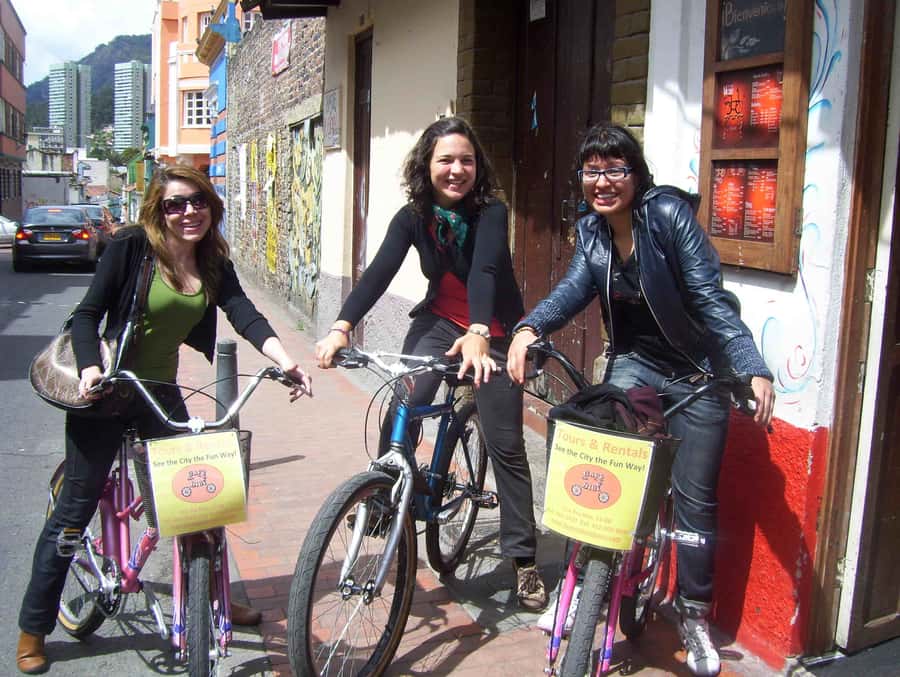
Your meeting point is Carrera 3 No. 12-42, La Candelaria. That matters because La Candelaria is the easiest place to orient, and it’s also where most first-time visitors start walking. Swapping sidewalks for a bike gives you more ground in less time, without feeling rushed.
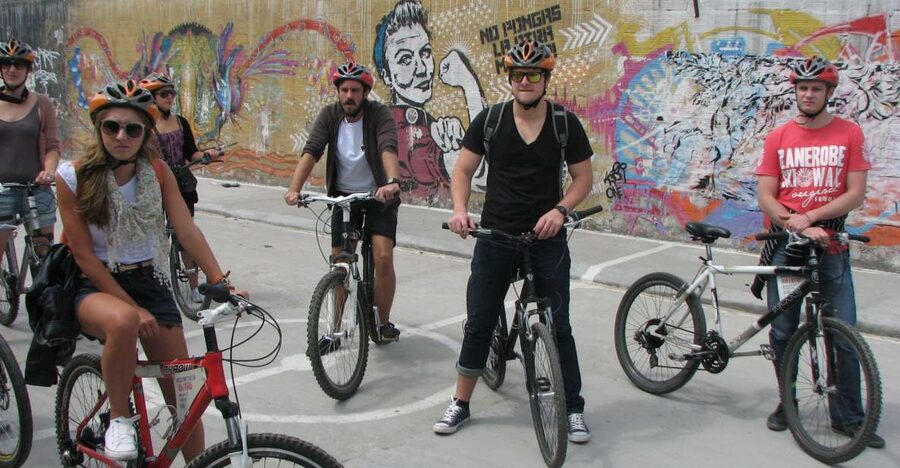
The ride is mostly flat, and you’ll likely be on mountain bikes with gears. That combination is a big reason this works for many fitness levels. You’re not training for an event, but you do need to be comfortable staying in motion and handling stop-and-go traffic.
Still, expect an urban feel. This is not a traffic-free park path. One rider noted that road behavior can be unpredictable, so you’ll want to keep your attention on your guide’s instructions and ride defensively.
Fruit-Market Tasting: Where Bogotá Becomes Food Education
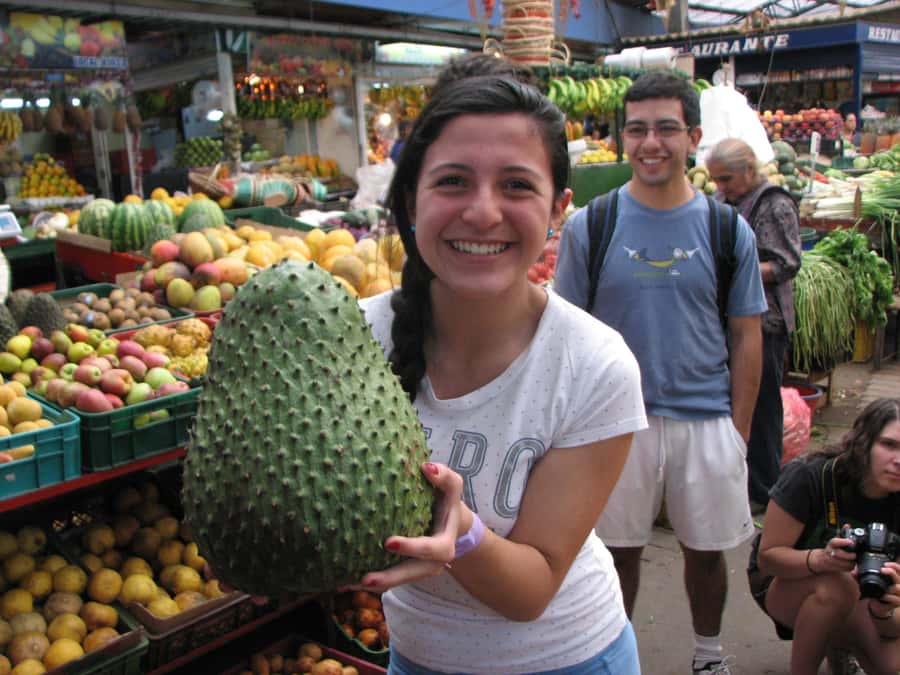
The fruit market stop is often the moment people talk about for weeks. You don’t just get one sample, you move from stall to stall and try a wide mix of fruit and other market bites.
The reason this works so well is simple: the guide’s job isn’t just pointing at produce, it’s helping you decide what to try and how to think about it. Mike’s groups, for example, have described going from stall to stall with fruit sliced and chopped in front of you, until everyone’s clothes and hands smell like sweet juice.
Here’s your practical tip: eat slowly and pace your tasting. Some fruits are juicy and messy by design, and you might not want to be fighting with a napkin while you’re still deciding what you like. If you have dietary restrictions, the tour data doesn’t spell out accommodations, so plan to communicate clearly with your guide before the market starts.
A small drawback to note from a past participant: if you’re not into trying everything, the group format can make it easy to feel singled out. You can avoid that by being upfront early, and by choosing a small handful of tastes you truly want, rather than forcing it all.
Coffee Roaster Stop: More Than a Sip on the Way
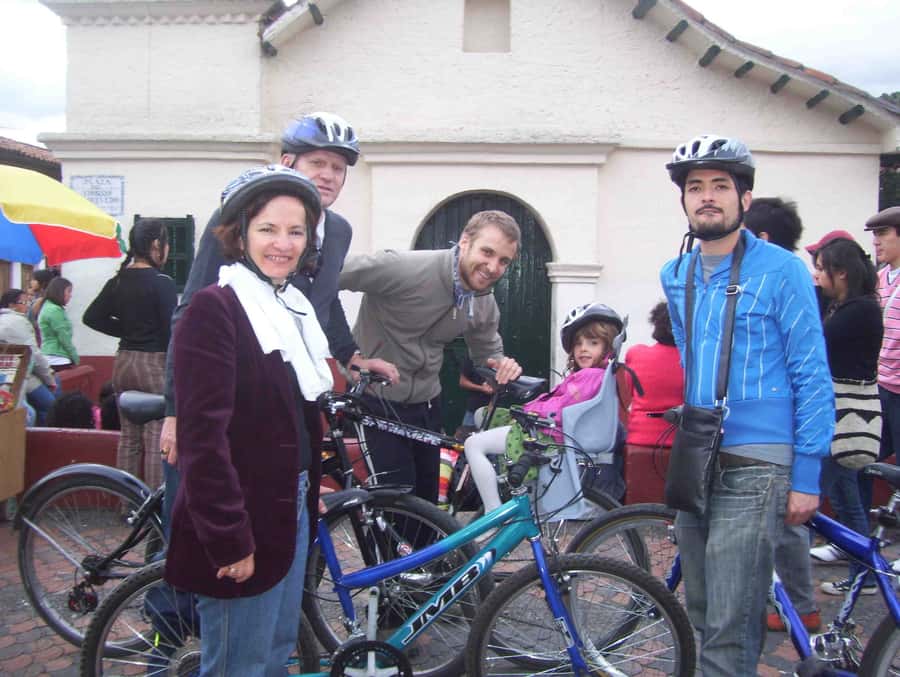
Colombia’s coffee isn’t just a souvenir. On this tour, the stop at a traditional coffee roaster ties the drink back to process and culture.
You’ll get to see how coffee gets made in a real production setting, not just a tasting bar with pre-packaged stories. One rider highlighted a home coffee experience with flavors like cardamom and anise, which hints at how guides may match what you’re tasting to local traditions and preferences.
Why I think this is valuable: coffee is one of the easiest ways to bond with locals because it’s tied to everyday life. You’re not learning facts for a quiz, you’re learning vocabulary and context you can use when you’re ordering later.
Practical note: coffee tastings pair well with fruit, but go easy if you’re sensitive to caffeine. You’ll be cycling afterward, and it’s nicer when you feel steady rather than jittery.
Other city runs through Bogota
Tejo Play: The National Sport, Up Close and Physical
Tejo is the big hands-on cultural moment on this tour. Instead of watching from a distance, you get to participate, which is a fast way to understand how local games work: simple rules, strong social energy, and lots of cheering.
The tour data doesn’t describe every scoring detail, but the reviews make it clear that the experience is lively, with a fun atmosphere. Some groups even reported music during the Tejo part, which adds to the street-to-stadium feeling.
This is also a good break from cycling brain. Your body shifts gears from pedaling to throwing and reacting, and you reset for the next stretch.
If you’re short on patience for activities, Tejo is still usually worth it because it’s not just entertainment, it’s a cultural thread. You’ll walk away with a memory that feels more specific than another museum photo.
Landmarks With Context: Bullfighting Stadium, Central Cemetery, and the Historical Center
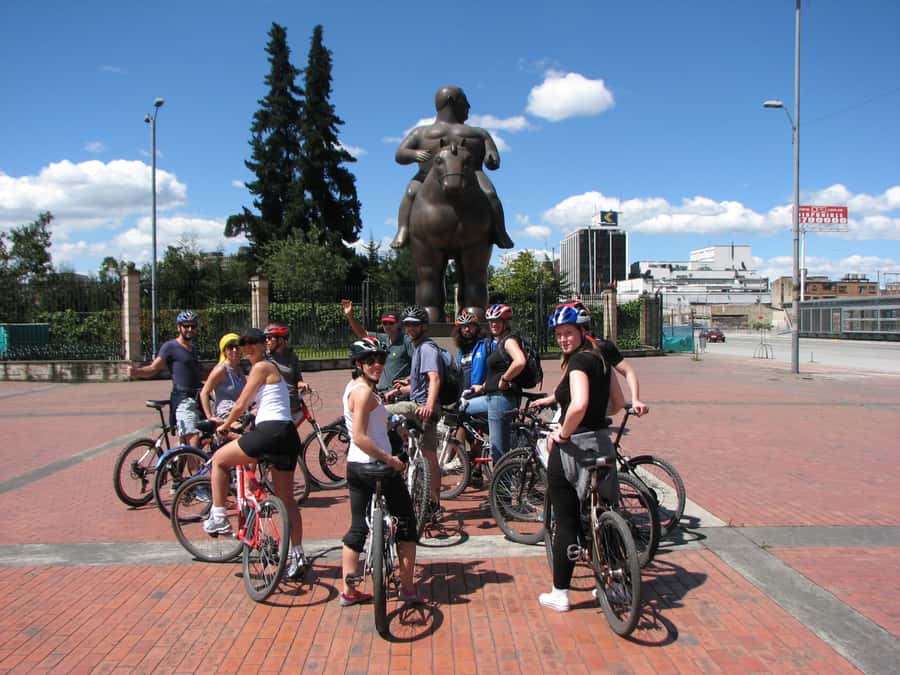
The tour route varies by day, weather, and special events, but you can count on meaningful stops. Expect a ride that touches major landmarks and areas like the historical center and the Central Cemetery.
Why those stops matter on a bike tour: you’re moving between neighborhoods quickly, so these sites act like anchors. They help you connect street life now with Colombia’s past, without getting stuck in one place for too long.
A standout from the route plan is the bullfighting stadium. Even if you’re not a sports fan, this kind of stop gives you insight into how public life and traditions are organized in the city. It’s one more reminder that Bogotá is not just about colonial streets.
The Central Cemetery also tends to hit differently when you’re on a bike. You arrive after riding through lively plazas, so the mood shift feels real. It’s a chance to notice architecture, symbols, and the way history is visible in everyday urban space.
Street Art and Neighborhood Perspectives: Seeing What You Miss on Foot
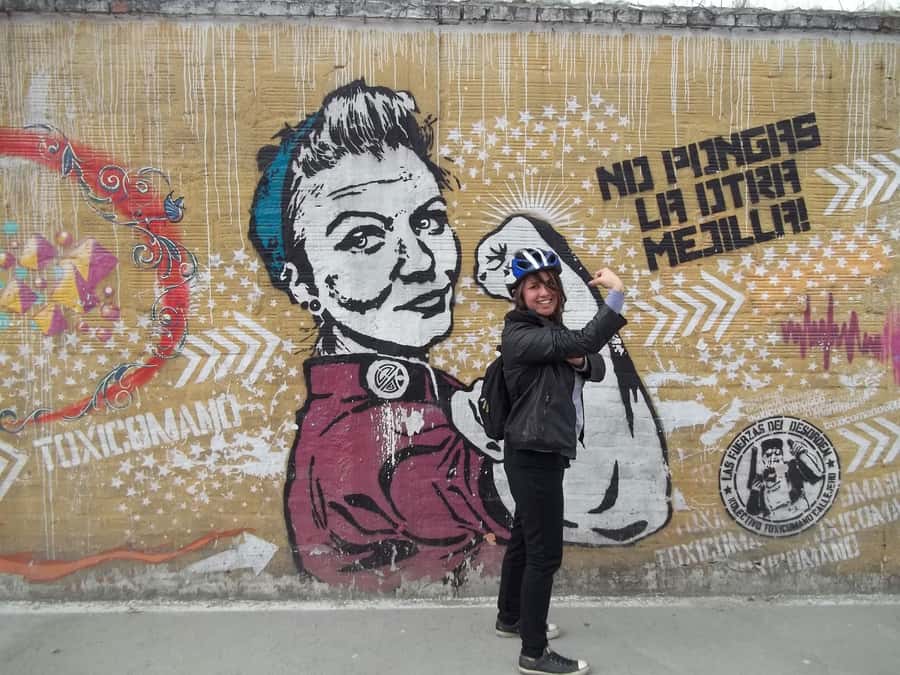
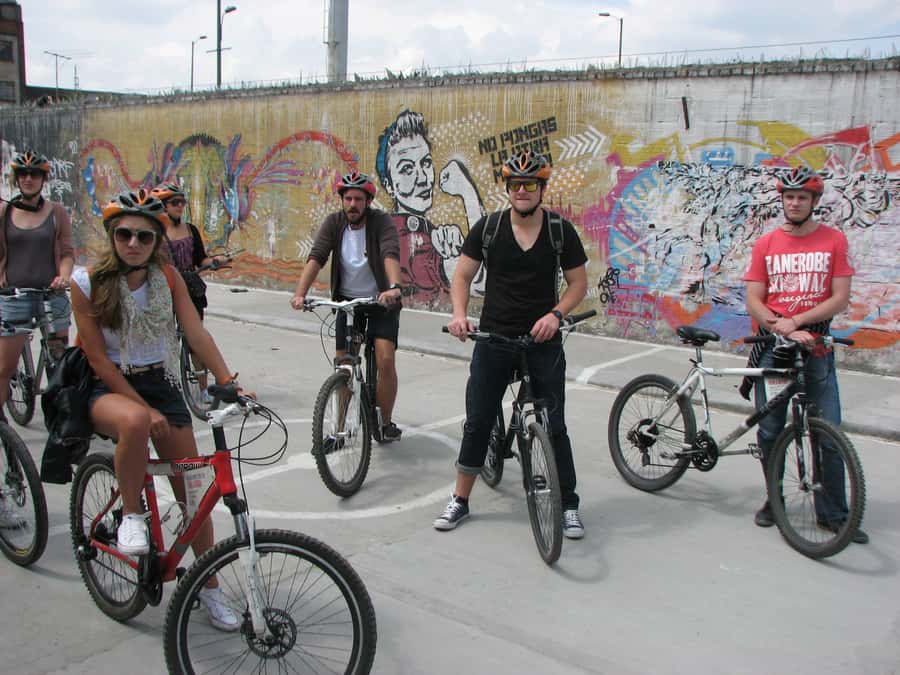
A big reason people rate this highly is that the tour spends time on street art and neighborhoods that many first-timers skip. This isn’t just a mural stop for photos.
Guides like David have been described as street-art oriented, including visits tied to artists and art spaces. Another rider specifically mentioned a connection to Comuna 13 through the guide, which suggests some routes may include neighborhoods known for murals and social storytelling.
What you’ll get from the street art portion is perspective, not just decoration. The guide typically links what you see to the city’s social themes, and you start noticing details that would otherwise blur together on a walk.
Practical tip: bring a phone with enough battery, but don’t spend the whole time photographing. Look first, then take pictures of what you want to remember. The explanations often make the art make more sense afterward.
Safety, Pace, and Support: How This Works in Real Bogotá Traffic
This tour is set up for real streets, with a bilingual guide plus bike support staff. Reviews consistently mention mechanics and assistants paying close attention to bikes and rider safety.
That matters because traffic is part of the Bogotá experience. You’ll stop often, and you’ll likely have cars and bikes moving in a way that can feel chaotic if you’re used to strict lane discipline. One participant even pointed out that some road behavior can disregard traffic rules or lane directions, so you should treat this as a ride that requires focus.
The good news: you’re not left to figure it out alone. Past groups mentioned attentive assistants, including Manuel as a safety-focused helper, and staff who stay with you if you have a bike issue.
Your best approach: stay close to the group, watch the guide’s hand signals, and avoid sudden moves. If you struggle with gears, plan to let the guide know early, because there have been examples of staff staying with riders to get a fix before continuing.
Price and Value: Why $19 Can Be a Smart Deal
At $19 per person for a 270-minute tour, the value is mostly about what you don’t have to plan yourself. You’re paying for bike and helmet, a bilingual guide, and the structure that strings together food, culture, and landmark context into one easy half-day.
The money goes beyond transportation. A lot of the cost is in access and guidance: guiding you through market tasting, connecting you to a coffee roaster, organizing Tejo, and keeping the ride coordinated across multiple stops.
If you’re trying to compare it to doing everything separately, the tour becomes even more sensible. Markets, a coffee stop, and a hands-on cultural activity each take time and local know-how. Here, they’re bundled into one route with a guide taking responsibility for flow.
The one financial caution: the tour data says insurance is not included. If you’re using travel insurance, check that it covers activities like biking. If you’re unsure, it’s worth verifying before you ride, rather than assuming.
Who Should Book This Bogotá Bike City Tour
This tour is a great fit if you want a first-day orientation plus fun. It suits people who like city walking, but prefer seeing more ground with less fatigue.
It also works well if you care about food culture. The fruit market tasting is a major draw, and coffee fans get a production stop rather than only a cup.
It’s less suitable if you have mobility limitations, and it is not suitable for wheelchair users. The tour is also described as not meant for people with mobility impairments, so be realistic about your ability to mount, ride, and dismount safely.
Who might feel unsure: if you’re not comfortable on a bike at all, this could feel stressful. Reviews mention that comfort on a bike matters, so you’ll want at least basic comfort and balance.
Should You Book? A Simple Decision Guide
Book this tour if you want a high-impact first look at Bogotá, with a mix of neighborhoods, food culture, and one hands-on activity like Tejo. The flat routing, frequent stops, and bilingual guides make it a practical option when you only have a day or two in town.
Skip it or think twice if rain gear isn’t on your list, because it runs rain or shine and you’ll be on wet streets sometimes. Also consider whether $19 is worth it for you if you don’t want food tastings, since the fruit and coffee parts are central to the experience.
If you’re curious, show up at La Candelaria, ask your guide what the day’s route will prioritize, and ride with a relaxed but attentive mindset. You’ll leave with a city feel that goes beyond landmarks.
FAQ
How long is the Bogota Bicycle City Tour?
The tour lasts 270 minutes, which is about 4.5 hours.
Where do I meet the tour?
Meet at Carrera 3 No. 12-42, La Candelaria, Bogotá.
What is included in the price?
The tour includes a bicycle and helmet plus a bilingual tour guide.
Does the tour run in bad weather?
Yes. The tour takes place rain or shine.
Is the cycling route difficult?
The terrain is mostly flat, but it is still an urban tour, so expect some traffic and a decent level of exercise.
What languages are the guides?
The tour guide is available in Spanish and English.
Is the tour suitable for wheelchair users?
No. It is not suitable for people with mobility impairments or wheelchair users.
Everything Else We Reviewed in Bogota
Bogota City Routes

Bogota on Two Wheels
Just added to our Bogota shelf
- Fun Graffiti Workshop: The Art of Aerosol and Color
★ 5.0 · 3 reviews - From Bogota: White Water Rafting Experience
★ 4.4 · 3 reviews - From Bogota: Excursion to Jaime Duque Park
★ 5.0 · 3 reviews - Bogotá: La Candelaria Food Tour with Tastings
★ 4.2 · 3 reviews - Walking tour José Celestino Mutis Botanical Garden 3 hrs
★ 5.0 · 3 reviews
Bogotá Bike & E-Bike Rides, compared.
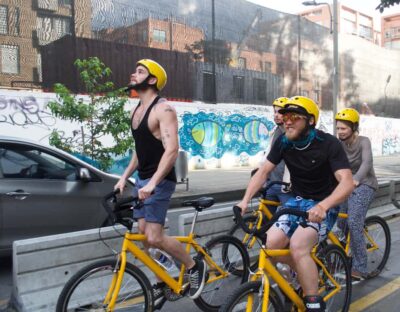 ★ 4.6Bogotá: Shared Bike TourFrom $1983 reviews
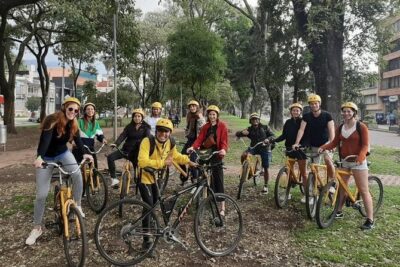 ★ 5.0Bogotá Private Bike Tour with TransportationFrom $4765 reviews
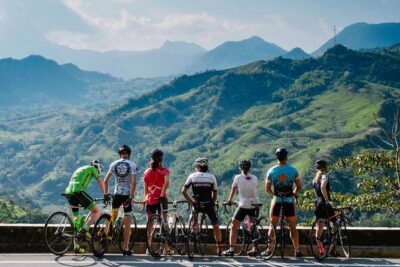 ★ 5.0Colombia cycling tripFrom $2,97463 reviews
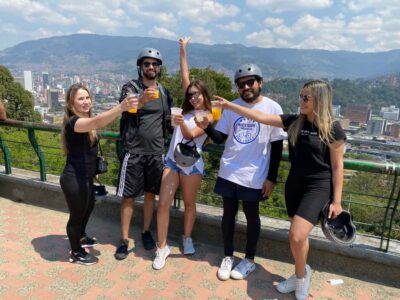 ★ 4.9E-Bike City Tour Medellin with Local beer and SnacksFrom $3655 reviews
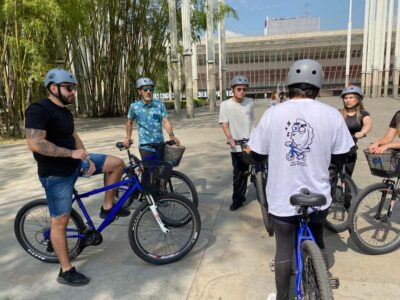 ★ 4.7Bike Tour Medellin with Snacks and Local BeerFrom $3249 reviews
 ★ 4.5Cartagena Bike TourFrom $9037 reviews
 ★ 4.9Medellín: Full-Day Mountain Bike Tour with LunchFrom $10514 reviews
★ 4.6Bogotá Private Bike Tour with TransportationFrom $4914 reviews
★ 4.9Medellín: Full-Day Mountain Bike Tour with LunchFrom $10514 reviews
★ 4.6Bogotá Private Bike Tour with TransportationFrom $4914 reviews
Where else this tour turns up