
REVIEW · AMAZON, TATACOA & SOUTHERN COLOMBIA
Community and Biodiversity Tour of the Tatacoa Neiva Desert
One day, three worlds: river, desert, sky. This Tatacoa Desert community and biodiversity day starts in Neiva and strings together a boat ride on the Magdalena River, desert hikes with fossil stops, and a guided sunset session at Astrosur.
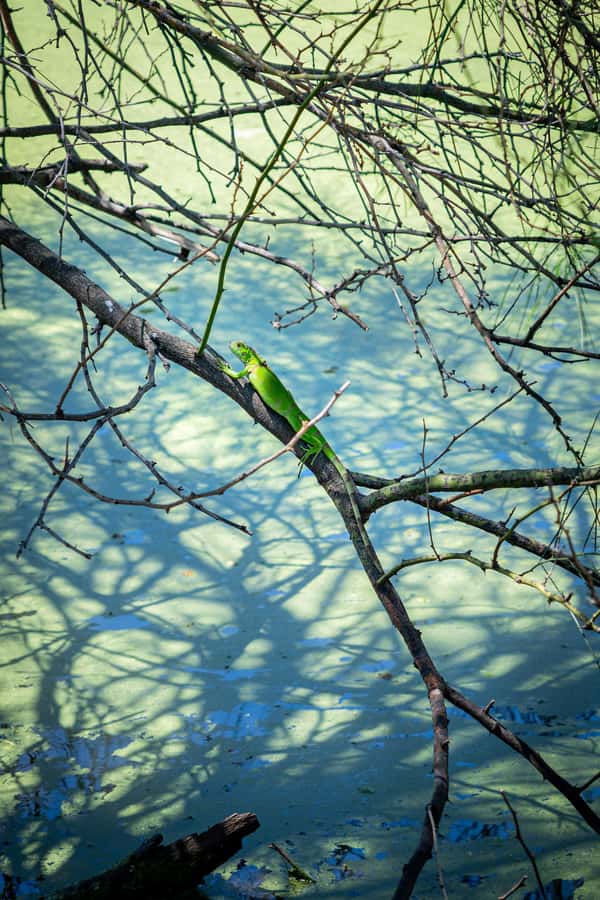
I especially love the wildlife and plant focus. On the river segment, you have real chances to spot turtles and exotic birds, and the guide points out how the surrounding vegetation supports the whole ecosystem.
You’ll also like the mix of science and local life. The day doesn’t treat the desert like scenery only, it brings in community tourism, cacti know-how, and a real astronomy finish. The main drawback is simple: it’s a long day in sun, and it is not a fit if you have mobility limits, motion sickness, or other pre-existing medical concerns.
In This Review
- Key things to know about this Tatacoa biodiversity day
- Neiva to Villavieja, the day begins with history you can walk to
- Magdalena River boat cruise: turtles, birds, and a cool reset before the dunes
- Tatacoa nature reserve time: lakes, reptiles, and cactus reproduction lessons
- Red Desert walks: iron-soaked soil, fossils, and why you should go slow
- Valle de los Xilópalos: rock formations, canyons, and community learning
- Lunch and downtime: refuel in the middle, not at the end
- Piscina Mineral natural pools: swim if you want, skip if you need quiet
- Las Ventanas mirador: desert viewpoints with a calmer pace
- Astronomical Observatory Astrosur: sunset guidance you can’t get from a screen
- Price and value: why $56 can be a good deal for an all-day mix
- What to bring, and how to survive a hot day without rushing
- Who this tour suits best in Huila
- Should you book the Tatacoa community and biodiversity tour?
Key things to know about this Tatacoa biodiversity day
- Small group size (15 people max) keeps the pace comfortable, especially on walking sections
- Magdalena River boat cruise adds wildlife spotting, including turtles, before you hit the desert
- Two desert-style walking stretches help you feel the scale of the Tatacoa more than a quick stop would
- Local community interaction is part of the experience, not a token photo moment
- Fossils plus astronomy means you go from ancient time to tonight’s sky
- Budget for two extra entrances (natural pools and the observatory) using cash
Deeper south, other trips we have written up
- Community and Biodiversity Tour of the Tatacoa Neiva Desert★ 4.7 · 14 reviews
- HUILA VIEWPOINTS MANO DEL GIGANTE★ 4.7 · 3 reviews
Neiva to Villavieja, the day begins with history you can walk to
You start with pickup in Neiva, from your hotel, hostel, or Airbnb. Then you head out toward Villavieja, the kind of town stop where you get your bearings fast and see why this area is so closely tied to the desert.
Villavieja is also where you’ll get a guided moment around Megaterio in the central plaza. It is not the main event, but it is a useful warm-up. You’re starting to connect “place” to “people,” and later the desert stops make more sense when you have a little context up front.
You’ll have a short break and time to visit and stroll. I like this kind of early reset, because by the time you leave Villavieja you can tell the day’s energy will be hot and outdoors.
Magdalena River boat cruise: turtles, birds, and a cool reset before the dunes
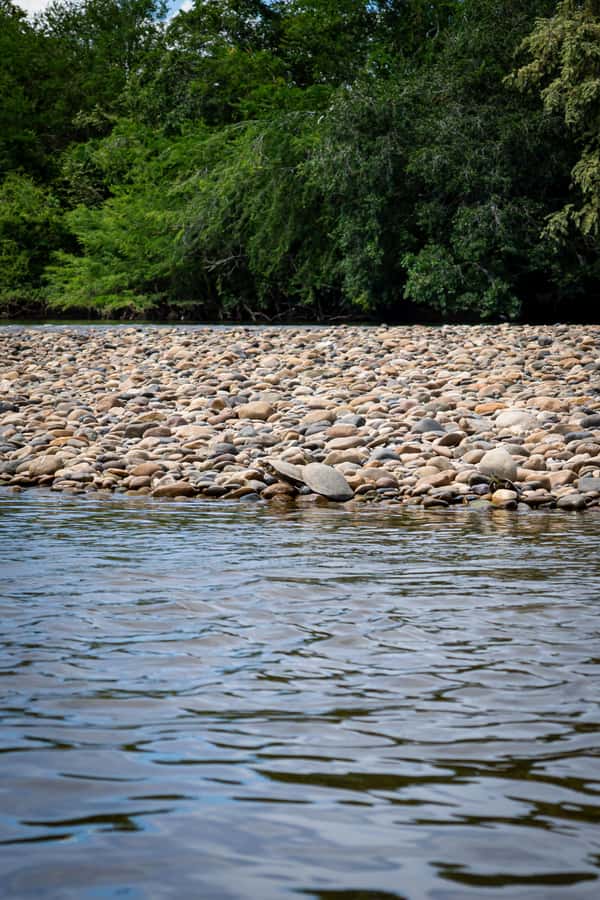
One of the best parts of the day is the boat cruise on the Magdalena River. It is not just a ride, you’re there for wildlife viewing. You’ll likely be scanning for turtles, plus the guide points out exotic birds that use the river corridor.
This stop matters because it changes the tempo. Before you enter the most sun-heavy parts of the Tatacoa, you get movement on water and a chance to see how biodiversity looks in a different setting.
There is also a practical payoff. You’ll understand what “desert ecology” means here, because you can compare how animals and plants behave around water versus inside the drier terrain later on. That contrast makes the rest of the day feel like one connected story instead of disconnected stops.
Tatacoa nature reserve time: lakes, reptiles, and cactus reproduction lessons
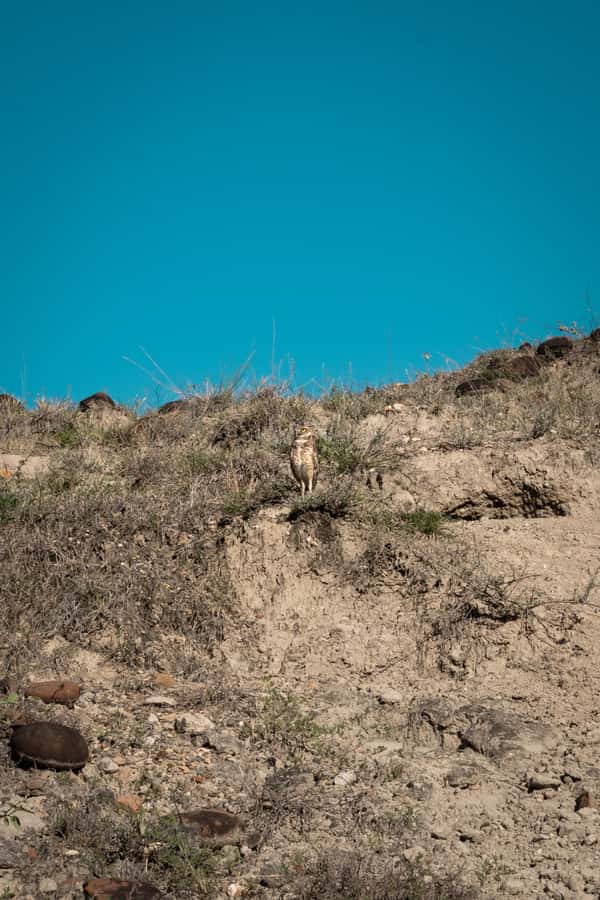
After the river, you enter the Backpackers Neiva nature reserve. This is where the tour leans into the biology angle. You’ll see a landscape with lakes where reptiles and birds live, which is a big deal in a place people often picture as dry and empty.
The guide also focuses on cacti, including different types and how they reproduce. Even if cacti don’t look like they’re doing much in the moment, the guide’s explanations help you notice details you would otherwise skip. You start to see patterns, like how the plants are adapted to survive heat and scarce moisture.
You’ll also be walking, but the pacing feels structured. It is not a “march for miles” situation. It’s more like guided noticing, which I think is the right way to handle this environment. If you already know a lot about plants, you might still enjoy the way the guide ties them to local survival strategies.
Red Desert walks: iron-soaked soil, fossils, and why you should go slow
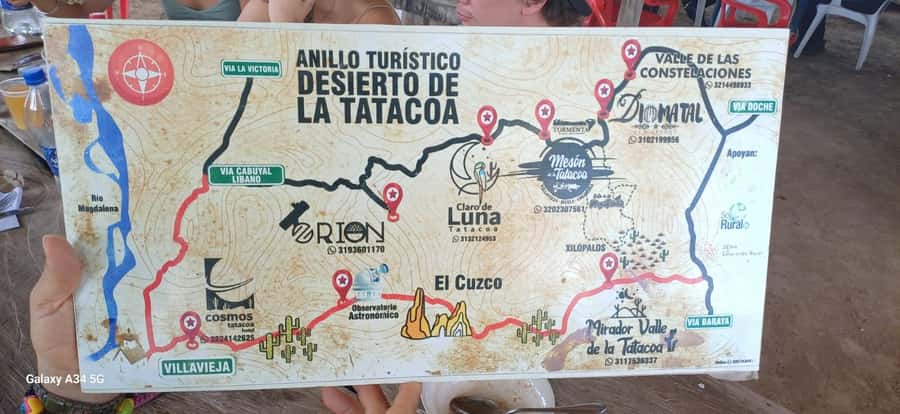
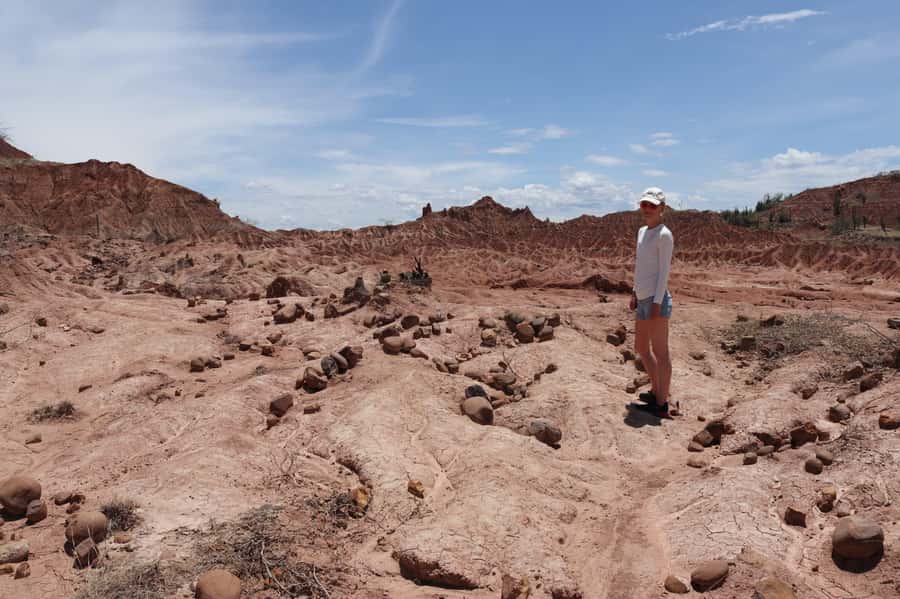
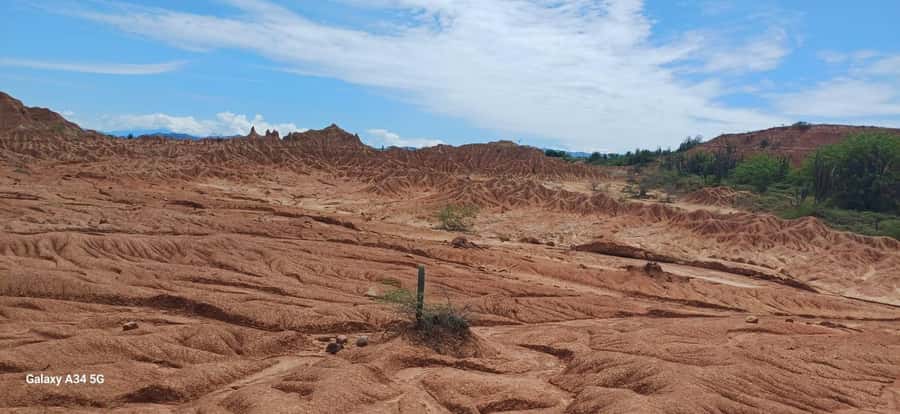
Then comes the Tatacoa’s Red Desert. This is where the tone shifts from biodiversity spotting to paleontology and terrain reading. The soil here has an iron-soaked quality, and that color change is part of what makes the Red Desert feel so different from other arid areas.
You’ll take guided walks and get free time within the broader stop. You’ll be looking for paleontological treasures and learning how fossil finding works in this kind of setting. The important part is not pretending you’re going to be a fossil hunter for the day. It is understanding what you’re seeing, and how the desert exposes ancient remains.
I’d recommend you move at a slower pace than you think you need. This is one of those places where small impressions matter. Soil color, rock texture, and even where you step can change what the guide wants you to notice.
This is also where the experience gets the strongest praise. The two desert walking stretches are the kind of activity that makes the tour feel like a real day in the Tatacoa, not just a bus tour with stops.
Valle de los Xilópalos: rock formations, canyons, and community learning
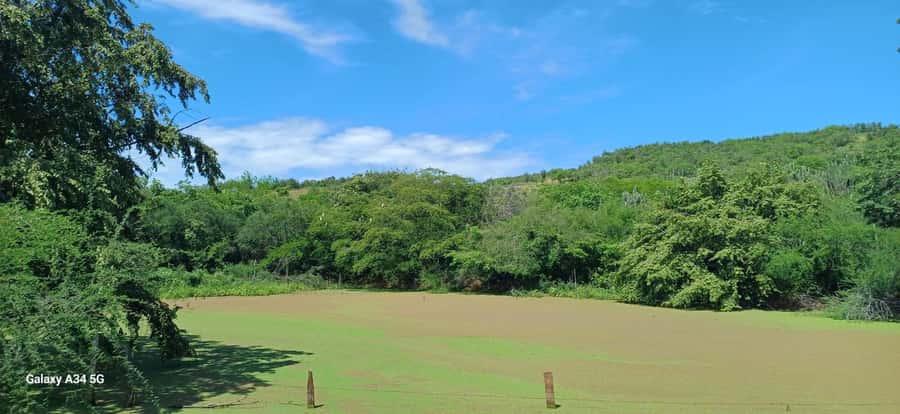
Next you head toward the Xilópalos Valley. Here the focus is on rock formations, fossils, and canyons. This stop feels more “geology-forward,” and you get guided time plus walking and hiking.
What I like about this part is the way it blends nature with people. You’ll interact with the local community here, with a focus on culture and traditions, and you contribute to local development through that structure.
That matters because the Tatacoa can otherwise be treated like a natural museum. In this valley, you’re reminded that local livelihoods and conservation knowledge are intertwined. You’re not just taking pictures, you’re learning how the region is understood and passed along.
For practical comfort, plan on this being active time. It’s long enough that you’ll feel it by the end, so having sports shoes helps more than you might expect.
Lunch and downtime: refuel in the middle, not at the end
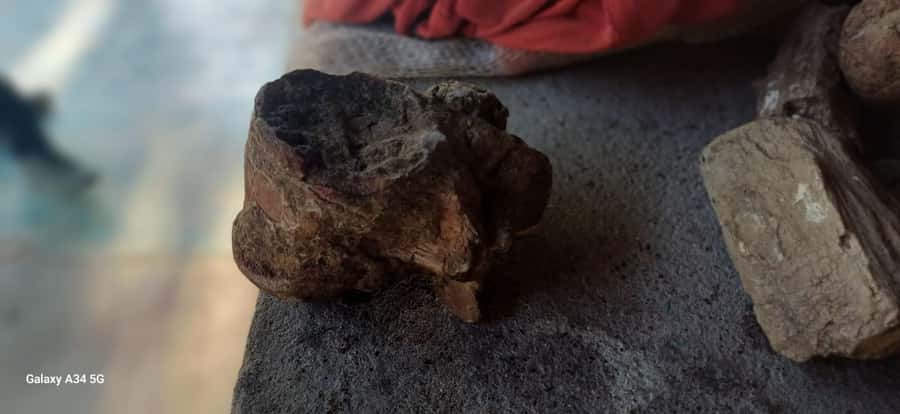
After the first long valley segment, you’ll stop for regional lunch and then have free time. This break is important for two reasons.
First, you’re outdoors most of the day, so a proper meal helps you avoid the late-day slump. Second, free time gives you a chance to reset your eyes and energy before the next desert elements.
You’ll probably want to drink water and reapply sunscreen if the sun is strong. Bring water, even if you think you won’t need it. In this climate, thirst can sneak up fast.
Piscina Mineral natural pools: swim if you want, skip if you need quiet
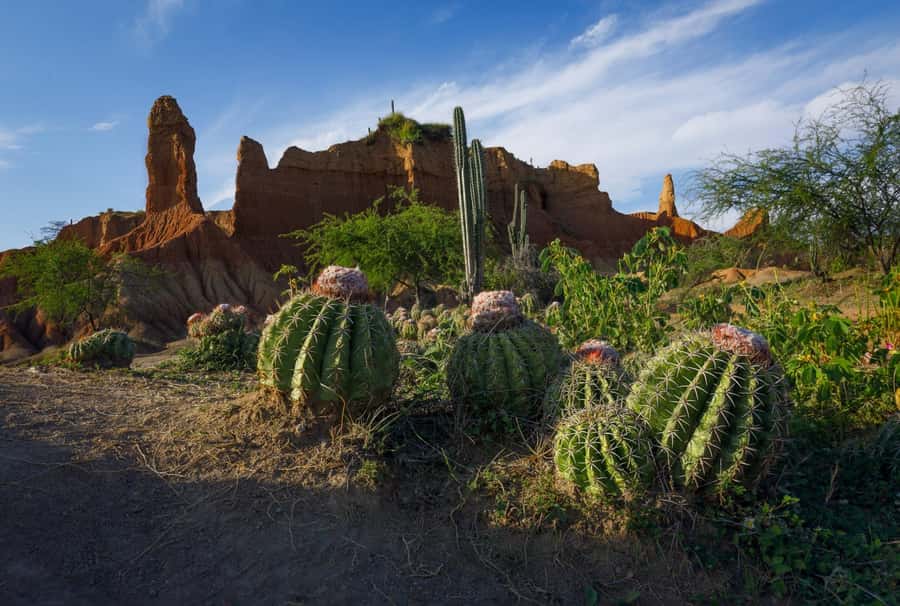
Mid-afternoon brings the natural pools area, Piscina Mineral. You’ll get a break and then time for swimming, which is listed as a long window.
One key detail: the entrance to the natural pools is not included, and you’ll need about 10 thousand Colombian pesos for that. You’ll also want cash, since card transactions aren’t the norm here.
This pool time is one of the best ways to balance the day. If the thought of more heat and walking makes you tired, the pools help you recover without ending the tour early. If you prefer quiet, you can also use the free time to rest out of direct sun, since the rest of the day continues.
I’d treat this as a choose-your-own-adventure moment. Swim if you’re comfortable. Rest if you need it. The tour continues either way.
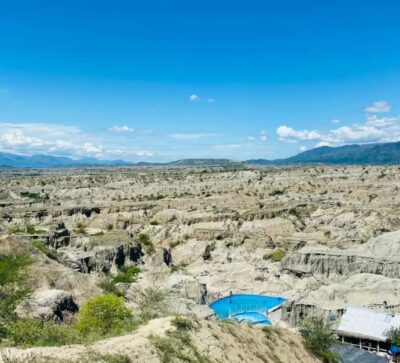
Las Ventanas mirador: desert viewpoints with a calmer pace
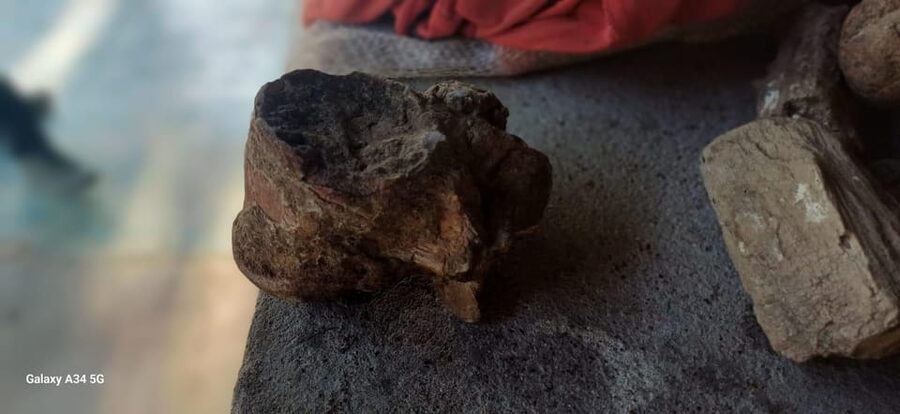
After swimming and desert recovery time, you head to Las Ventanas Mirador. This stop is more about scenic views and a little break on the way.
The “mirador” style stop is useful because it slows things down right before the astronomy segment. You get to stand, look, and let the desert’s scale settle in without adding another hike.
This is a good moment to take photos, but also to just watch how the light changes. In arid landscapes, shadows and color shifts can make the same area look completely different as the evening approaches.
Astronomical Observatory Astrosur: sunset guidance you can’t get from a screen
The finale is the Astronomical Observatory Astrosur. You’ll arrive for sunset and then get a guided tour for about 2.5 hours.
This is where the day’s theme “desert and cosmos” becomes real. Instead of ending with only sightseeing, you end with experts guiding you through the mysteries of the universe, right from a place designed for night-sky viewing.
I like this ending because it also shifts how you experience the day. Up until now, you were watching birds, reading terrain, and scanning for fossils. At the observatory, you switch to the sky and let the whole environment feel connected to time, science, and distance.
If you think you’ll be tired by this point, remember you have incentive. The sunset timing means you won’t just sit in darkness waiting for something to happen. You’ll have changing light and guided learning as the evening builds.
Price and value: why $56 can be a good deal for an all-day mix
At $56 per person, this tour isn’t priced like a short convenience trip. It’s a full-day format with private transportation from Neiva, entrances to major desert zones, a bilingual guide, and lunch.
What makes it feel like good value is the mix of costs you would otherwise pay separately:
- entrance coverage for the Red Desert and Valle de los Xilópalos
- the bilingual guide across multiple stops
- lunch
- time in the nature reserve and guided wildlife viewing
The two extra costs are clear and easy to plan: natural pools (10 thousand pesos) and the observatory (10 thousand pesos). If you’re the kind of person who wants both swimming and the full observatory experience, budgeting cash for those two fees keeps you from any unpleasant surprises.
Also, the small group limit to 15 people helps. For a long, hot day, crowding is what turns “nature time” into stress. Here, you generally get better access to your guide and more manageable movement on walking sections.
What to bring, and how to survive a hot day without rushing
This tour is simple in what it asks for, and you’ll feel the difference if you pack well.
Bring:
- sunglasses
- sun hat
- sunscreen
- water
- sports shoes
- cash
Also note what’s not allowed: alcohol and drugs. That’s partly about safety and partly about keeping the day focused on nature and community.
A practical tip: water and shoes matter more on desert hikes than on city strolls. The terrain can be uneven, and in bright light, comfort affects how much you enjoy the stops.
And don’t plan on cards for extra entrances or snacks. The guidance here is straightforward, use cash.
Who this tour suits best in Huila
This is a strong choice if you want a full-scope introduction to the Tatacoa area. You’ll get biodiversity spotting, desert geology and paleontology framing, local community time, and a night-sky finale.
It’s especially good for:
- people who like guided walking with explanations, not just viewpoints
- nature lovers who also want a science angle (cacti reproduction, fossils, astronomy)
- small-group travelers who prefer a paced schedule
It’s not a fit for:
- people with mobility impairments
- people with motion sickness
- people with pre-existing medical conditions
If you fall into any of those categories, you may want to look for a shorter or less walking-heavy alternative.
Should you book the Tatacoa community and biodiversity tour?
If you want one day that actually feels like you visited the Tatacoa and not just passed by it, I’d say book. The structure is built around real variety: river wildlife first, desert walking next, community learning in the middle, and an observatory finish that makes the day feel whole.
I’d skip it only if you know a long sun-heavy day will drain you, or if the walking segments and transport timing are a concern for your health or comfort.
For most people, the $56 price is fair because you’re not just paying for a ride. You’re paying for guided learning, multiple desert zones, lunch, and that very memorable combo of fossils and a sunset sky session at Astrosur.
The Rest of Our Neiva Reviews

South to the River and the Red Desert
Just added to our Neiva shelf
- Community and Biodiversity Tour of the Tatacoa Neiva Desert
★ 4.7 · 14 reviews - Neiva: Guided Day Trip to the Tatacoa Desert with Lunch
★ 4.8 · 76 reviews
Amazon, Tatacoa & Southern Colombia, compared.
 ★ 4.8Neiva: Guided Day Trip to the Tatacoa Desert with LunchFrom $12976 reviews
 ★ 5.0Amazon Unveiled: Private Ancestral Immersion & Conscious LuxuryFrom $1,10331 reviews
 ★ 4.1Leticia: Amazing Three Day Jungle ToursFrom $6768 reviews
 ★ 4.6Popayan: Condor Watching in Purace + San Juan Hot SpringsFrom $1196 reviews
 ★ 4.6Popayán: Gastronomic Wonders and City TourFrom $1376 reviews
 ★ 4.7From Leticia: Wild Amazonas Adventure 4-Day TourFrom $7895 reviews
 ★ 4.7Community tour Biodiversity Latatacoa Desert VillaviejaFrom $645 reviews
 ★ 4.4Day Trip to Tatacoa Desert (Horseback, Boat, Stargazing, ..)From $2653 reviews
Where else this tour turns up