
REVIEW · COLOMBIAN COFFEE FARM TOURS
Explore the Coffee Process_From Tree to Cup & Fun by Jeep
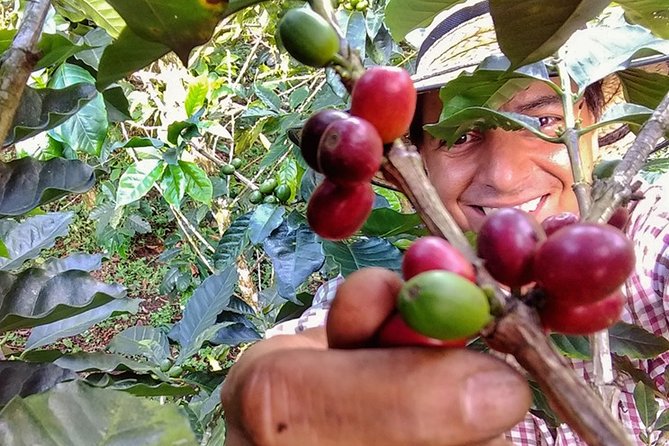
Coffee here starts before you even arrive. This small-group plantation visit in the hills above Pereira is built around a Jeep ride plus a real, step-by-step tree-to-cup coffee process, not a quick photo stop. You also get the farm story, including how the owners farm with strict sustainability goals.
What I loved most was the personal, hands-on guidance from Elizabeth and Arvey, from coffee cherry to roasting curve. I also liked how the tour connects coffee to the living farm around it, with fruit trees, composting, and vermiculture woven into the lesson.
One thing to consider is that it is a working farm, so you should plan for bugs and some uneven walking.
In This Review
- Key highlights at a glance
- Jeep Ride and Coffee Country Above Pereira
- The Tree-to-Cup Lesson, Run by Elizabeth and Arvey
- The Andes Segment: Coffee Basics While You Ride
- Pereira Stop: A Stress-Free Return to Hotel Life
- Walking the Finca: Coffee Plants Plus a Whole Food Forest
- What You Learn in the Compost, Vermiculture, and Nursery Areas
- Harvest to Fermentation to Washing, Then Drying
- Roasting Curve and Brewing: Learn It, Then Make It
- The Tastes and Snacks That Keep the Lesson Going
- Small Group Energy: How the Attention Works for You
- Price and Value for $115 Per Person
- Who Should Book This Coffee Process Tour by Jeep
- Should You Book Coffee Process From Tree to Cup & Fun by Jeep?
- FAQ
- How long is the coffee process tour?
- Where does the tour take place?
- Is hotel pickup and drop-off included?
- How big is the group?
- What does the tour include?
- Is transportation from other cities included?
- What will I learn during the visit?
- Can I bring a service animal?
- What is the cancellation policy?
- Is there a minimum number of travelers?
Key highlights at a glance
- Jeep pickup and drop-off included: you relax while someone else handles the drive.
- Small group of up to 10: you get real attention, not just a crowd shuffle.
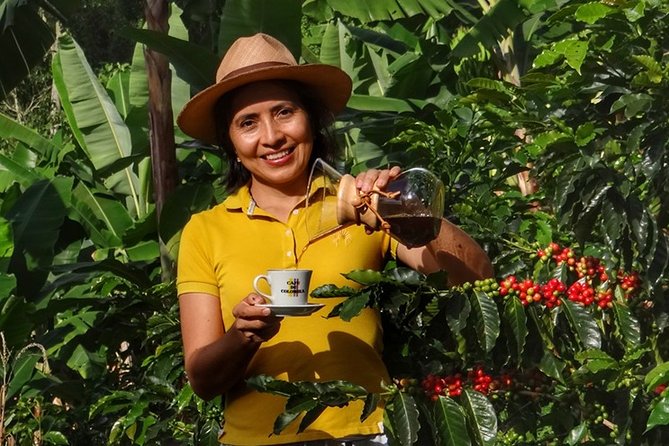
- Step-by-step tree-to-cup coffee lesson: cherry, fermentation or washing, drying, roasting, and brewing.
- Sustainability practices shown, not just claimed: composting, vermiculture, and a nursery visit.
- Taste comparisons on site: you can try coffee prepared in different ways.
- Farm life beyond coffee: fruit like citrus and guanabana, plus birds and friendly animals.
Other farms where the cup starts on the branch
- Full-Day Private Coffee Tour in Cocora Valley and Salento★ 5.0 · 60 reviews
- Salento and Cócora Tour plus Coffee Farm from Pereira or Armenia★ 5.0 · 40 reviews
- Explore the Coffee Process_From Tree to Cup & Fun by Jeep★ 5.0 · 28 reviews
- Coffee Farm and Salento Walking Tour★ 5.0 · 3 reviews
Jeep Ride and Coffee Country Above Pereira
The experience starts with a traditional Jeep pickup, the kind you see in coffee culture, and you feel the change from city tempo right away. Once you leave Pereira, you’re traveling into the Andean hills, with a cooler, greener feel in the air and mountain views that make the whole morning or afternoon feel like a break from regular tourism.
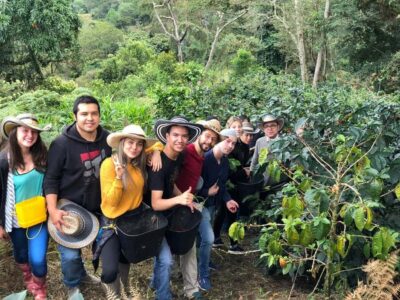
This is not a big bus tour. It’s designed for a maximum of 10 people, so questions do not get swallowed. You can ask about coffee, farming, or Colombian life and actually get answers in plain language from the people who run the farm.
The Tree-to-Cup Lesson, Run by Elizabeth and Arvey
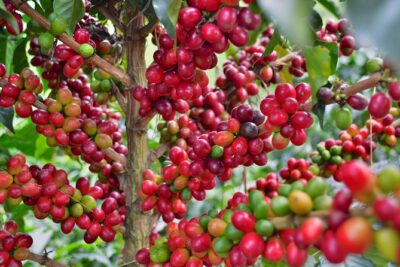
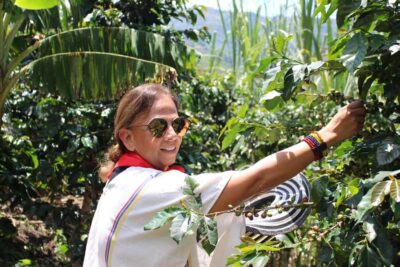
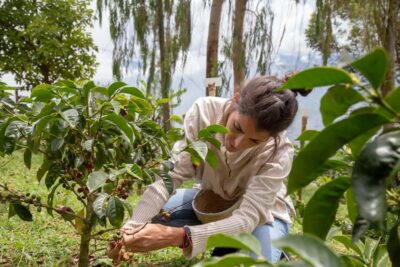
The heart of the tour is the promise to walk you through the entire coffee process, from the plant to the cup. Elizabeth and Arvey guide you through how coffee is planted, how cherries are harvested, and how the beans move through processing like fermentation and washing, followed by drying and roasting.
What makes it work for me is that it’s structured like a real workflow. You do not just hear a story about coffee. You follow the steps, see where each step fits, and learn what each method does to flavor.
The Andes Segment: Coffee Basics While You Ride
Stop 1 is the Andes, and in practice that means the tour begins with you getting oriented in the mountain setting. You’ll ride up through the hills where coffee grows, and you’re also given context about the region and the farm’s approach to agriculture.
Even though most of the deep instruction happens once you’re on the property, this ride matters. It sets the stage for the rest of the visit, so when you see coffee plants, shade trees, fruit, and farm systems later, you understand how they connect rather than just admiring them like scenery.
Pereira Stop: A Stress-Free Return to Hotel Life
Stop 2 is Pereira, which is essentially where the tour ties off the loop. You’re transported back after the farm experience, with the stress taken out of planning your way through the hills and back to town.
In a day of tastings and walking, having transportation handled can be the difference between a relaxing visit and a rushed one. You can focus on the coffee and the farm lesson, instead of worrying about routes, parking, or how you’ll get back after making your own brew.

Walking the Finca: Coffee Plants Plus a Whole Food Forest
Once you arrive at the farm, the tour becomes a living walk. You go plantation-style with Elizabeth and Arvey, moving through the coffee-growing areas and then outward into the mix of other crops and companion plants.
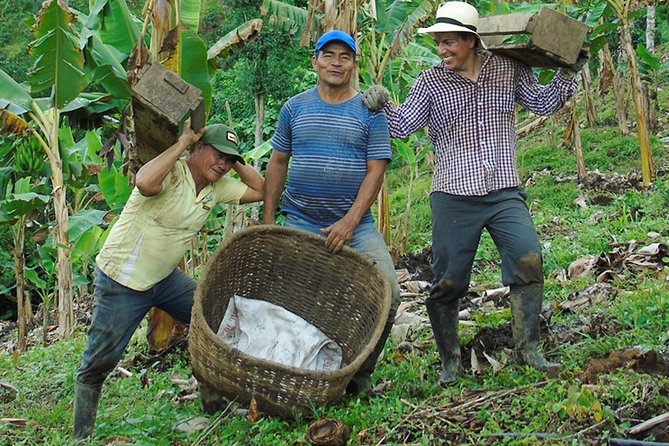
What I like about the farm layout is that coffee is treated as part of a broader system, not a single-purpose field. On the property, you’ll see bananas and plantains, cocoa, avocados, and a range of fruit trees. The list includes citrus like orange, lemon, and tangerine, plus guava, papaya, mango, and guanabana. You might also notice other crops and plants that help the farm function and support local wildlife.
If you’re the kind of traveler who enjoys learning how ecosystems work, this part can be a real payoff. It helps you understand why sustainable farming is not just a marketing word here. It shows up in how the place is planted and managed.
What You Learn in the Compost, Vermiculture, and Nursery Areas
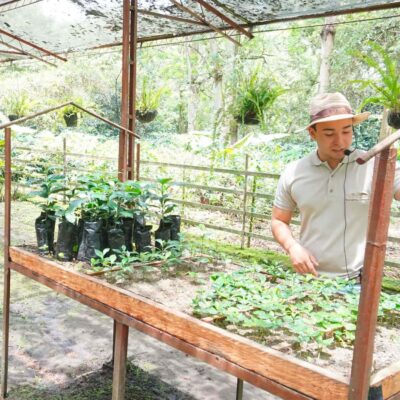
A big part of the experience is showing the behind-the-scenes side of sustainability. You’ll see where organic waste is composted, how vermiculture is used, and where the nursery supports young plants.
This is the practical side of caring for a farm. Compost and worm-based soil work keep nutrients cycling, and the nursery shows how the farm plans for the future rather than treating coffee as a one-season project.
If you care about sustainability, this section is worth your attention because it’s not vague. You can ask questions, and you’ll see the systems with your own eyes, right where they happen.
Harvest to Fermentation to Washing, Then Drying
Coffee processing is where most casual coffee tours stay superficial. This one pushes farther, explaining the quality control and the processing steps that transform harvested cherries into usable beans.
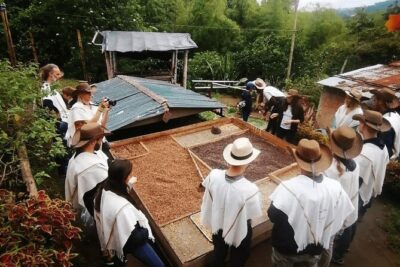
You learn about fermentation and washing, and then you’re taught that the farm produces different styles of beans, including washed, honeyed, and natural. That matters because those labels are not just trivia. They connect to how flavors can land in your cup.
From a value perspective, this is one of the tour’s best strengths. You’re not only tasting coffee, you’re learning the variables that cause the differences you notice.
Roasting Curve and Brewing: Learn It, Then Make It
The final step is the part where you stop being a spectator. Elizabeth guides you through preparing Colombian coffee on site, and you learn how the roasting process connects to flavor and aroma.
The tour also includes tasting and comparisons of coffee prepared in different ways. That gives you a chance to connect what you saw in processing to what you taste after roasting and brewing.
If you’ve ever wondered why coffee tastes different from one place to another, this is the kind of lesson that gives you a better answer than guesswork. You can take the method home and re-create the steps at a basic level.
The Tastes and Snacks That Keep the Lesson Going
Coffee tours can get boring if the food and drinks are an afterthought. Here, you’re not just handed a cup and sent along.
You’ll have coffee and/or tea, plus snacks during the farm visit. One review mentioned lemonade made from fresh lemons from the farm and also patacones, which is exactly the kind of pairing that makes the day feel connected to the place.
This matters because your senses stay engaged. You’ll taste coffee styles more clearly when you’re also getting small breaks like snacks and refreshing drinks. It helps keep the tour from feeling like a lecture.
Small Group Energy: How the Attention Works for You
With a maximum of 10 travelers, the pacing feels human. You’re not fighting for hearing in a crowd, and you can slow down when you’re curious about something like processing or fruit trees.
A few reviews also highlighted that the trails and demonstrations are handicap friendly, and some parts are suitable for wheelchair and blind access. That’s not a guarantee of perfect access everywhere, since it is a working farm with natural terrain, but it does signal that the team takes accessibility seriously when planning how they guide people.
Also, someone else drives you in the Jeep. That’s underrated on tours like this. It means your job is to enjoy the mountain air and pay attention to the farm lesson, not navigate roads.
Price and Value for $115 Per Person
At $115 per person for about 4 hours, this tour sits in the mid range for a guided coffee experience. What helps it feel like good value is what’s included.
You get:
- coffee and/or tea
- snacks
- private transportation
- entrance and guide
- hotel pickup and drop-off
You’re also getting instruction that covers more than coffee tasting. You’re learning farm sustainability practices, composting and vermiculture basics, and the processing steps that produce different bean styles. That deeper content is what justifies the cost more than a standard tasting alone.
One extra cost to note: transportation from other cities is not included, with an additional $25 USD cost. If you’re already in Pereira, you avoid that extra line item.
In addition, this type of tour often books ahead. The average booking window is about 42 days, so if you want a specific day, it’s smart to reserve early rather than waiting until the last moment.
Who Should Book This Coffee Process Tour by Jeep
This is a great fit if you want more than a coffee souvenir. It works best for people who like hands-on learning and farming culture, and who enjoy nature and plants alongside their coffee lesson.
It’s also a strong choice if you think you do not even like coffee. The tour is built around the coffee process and farm life, so you’ll still leave with a better understanding of what coffee is and how it’s made. The tasting and brewing lessons can make coffee feel more personal, not just bitter or random.
If you want a quick taste and a short walk only, consider that this is structured as a full farm experience. It’s about time on the property and a step-by-step workflow.
Should You Book Coffee Process From Tree to Cup & Fun by Jeep?
Book it if you want a real tree-to-cup learning experience with small group attention and an emphasis on sustainability you can see in action. The Jeep ride adds a local feel, and the lesson flow, from processing through roasting and brewing, gives you something you can use at home.
Skip or choose another option if you prefer super minimal walking or you dislike farm environments with bugs. Come prepared, wear repellent, and expect a working finca vibe, not a sterile showroom.
If your plan includes Pereira or the Eje Cafetero region, this is one of those tours that can change how you think about coffee. You’ll likely remember the steps, the differences in processing styles, and the moment when you brew your own cup.
FAQ
How long is the coffee process tour?
It runs for about 4 hours.
Where does the tour take place?
The tour is in Pereira, Colombia.
Is hotel pickup and drop-off included?
Yes. Stress-free hotel pickup and drop-off are included.
How big is the group?
The experience is limited to a maximum of 10 travelers.
What does the tour include?
Coffee and/or tea, snacks, private transportation, and entrance with a guide are included.
Is transportation from other cities included?
No. Transportation from other cities costs an additional $25 USD.
What will I learn during the visit?
You’ll learn the coffee process from the tree to the cup, including plantation steps and how to prepare Colombian coffee. You’ll also see parts of the farm tied to sustainability, like composting, vermiculture, and a nursery.
Can I bring a service animal?
Yes. Service animals are allowed.
What is the cancellation policy?
You can cancel for a full refund as long as you cancel at least 24 hours in advance of the experience start time. If you cancel less than 24 hours before, the amount paid is not refunded.
Is there a minimum number of travelers?
Yes. If the minimum isn’t met and the tour is canceled, you’ll be offered a different date or experience, or a full refund.
The Rest of Our Pereira Reviews


Coffee, Poured Around Pereira

From Branch to Cup
Just added to our Pereira shelf
- Coffee Farm and Salento Walking Tour
★ 5.0 · 3 reviews - Tour Santa Rosa hot springs from Pereira, Armenia or Salento
★ 4.5 · 8 reviews - Salento, Cocora and Filandia Tour from Pereira or Armenia
★ 5.0 · 24 reviews - Explore the Coffee Process_From Tree to Cup & Fun by Jeep
★ 5.0 · 28 reviews - One way transfer from Pereira to Salento AND/OR Salento to Pereira
★ 5.0 · 31 reviews
Colombian Coffee Farm Tours, compared.
 ★ 4.7Medellin: Coffee Tour with Transport, Snacks and TastingsFrom $801,357 reviews
 ★ 4.9Medellín Coffee Farm Tour with Trolley and Cable Car RideFrom $56277 reviews
 ★ 5.0Coffee Tour at the Finca del CaféFrom $40213 reviews
 ★ 4.8Medellin: Coffee Tour and Wellness SpaFrom $88209 reviews
 ★ 4.9Salento: Private Cocora Valley, Salento & Coffee Farm TourFrom $157202 reviews
 ★ 4.9Medellin: Coffee Tour with Hotel Transfers and MealsFrom $70186 reviews
 ★ 4.8Medellin: Horseback Riding Coffee Farm Tour with Coffee SpaFrom $150151 reviews
 ★ 4.5From Bogotá: Coffee Farm and Tequendama Falls TourFrom $85130 reviews
Where else this tour turns up