
REVIEW · ESCOBAR ERA HISTORY TOURS
Pablo and the drug trafficking world
History here comes with real-world scars. This Pablo Escobar-focused tour looks at the darkest chapters of Medellín and Colombia, then shows you how the city moved forward. You visit major places tied to his life, including La Catedral and his burial site, with an English or Spanish guide who explains the timeline and consequences in a serious, well-documented way.
I love the small group size limited to 4 people, because it makes the stops feel personal and not rushed. I also like that the guide uses photos and visual materials to help you connect what you see to what happened, so the story lands in the right order.
One drawback to keep in mind is that some access at La Catedral can be limited, like rooftop or helipad areas shown in promotions not always being reachable on the day.
In This Review
- Five Key Things About Pablo and the Drug Trafficking World
- Why Pablo Escobar Still Matters in Medellín
- Who This Tour Fits (and Who Should Think Twice)
- 4.5 Hours, Two Pickup Zones, and a Private-Feeling Pace
- Stop by Stop: The Memorial House and the Heavy Shift to La Catedral
- The Teen-Era Neighborhood Stops, Plus a Bathroom Break When You Need It
- Jardínes Montesacro: Visiting the Grave and Understanding What “Memory” Means
- The Final Stop: The House Where He Hid and Where He Was Found
- The Guide Factor: Bilingual Explanations and Visual Timeline Support
- Price and Value: What $50 Gets You, and What Costs Extra
- Practical Tips for a Smooth Day in Antioquia
- Should You Book This Tour?
Five Key Things About Pablo and the Drug Trafficking World
- Small group, not a crowd scene Limited to 4 participants for a calmer pace and more questions.
- Five high-impact stops From a memorial-park house to La Catedral, then the teen-era places, the grave area, and the hiding spot.
- Bilingual guide, Spanish or English A live guide walks you through the story in your chosen language.
- You see the geography, not just the story Parts of the route involve mountain drives and big city views that make the context click.
- Heavy subject, handled seriously Built around consequences and memory, not sensational horror.
- Optional add-on: meet his brother Possible, but it’s a separate tour with an additional fee.
Other history walks covering the same difficult years
- Pablo and the drug trafficking world★ 5.0 · 129 reviews
Why Pablo Escobar Still Matters in Medellín
Pablo Escobar is one of those historical figures people think they already understand. The problem is that most pop-culture versions flatten the details. This tour keeps the focus on the real-world effects his network had on Medellín and the rest of Colombia, then connects it to how the city reshaped itself after the violence.
What makes the experience worth your time is the way the guide links locations to a sequence. You are not just checking boxes like a scavenger hunt. You are building a mental map of how power worked, how fear spread, and why Medellín once became one of the hardest cities in the world to visit.
Who This Tour Fits (and Who Should Think Twice)
This is a history tour, but it is also a sensitive one. The content centers on crime, consequences, and memory tied to a brutal era, so you should go in ready for that tone.
It is also set up for adult-style attention. The tour is not suitable for children under 8 and not suitable for people over 75, which usually means the pacing and the subject matter assume a certain energy level.
If you like tours where you can ask questions and get straight answers, this style works well. The small group size makes it easier to get clarification instead of nodding along.
4.5 Hours, Two Pickup Zones, and a Private-Feeling Pace
Plan on about 270 minutes, roughly 4 to 4.5 hours, with time for photos at every stop if you want them. Transportation is included, and pickups happen from two main options: Éxito, Primer Parque de Laureles and Restaurante Pastelería Emmy. The afternoon meeting point shifts to Primer Parque de Laureles to manage rush hour more efficiently.
You also get a heads-up the day before the tour. The meeting point is texted to you, and the guide asks you to keep your WhatsApp number updated. In real life, this is one of those small details that saves you stress when you are navigating Medellín traffic and neighborhoods.
The “small group” part matters more than it sounds. With only up to 4 people, you tend to get a tour that feels like a lesson, not a production. Multiple stops also mean you spend less time trapped in a single viewpoint, staring at the same street corner.
Stop by Stop: The Memorial House and the Heavy Shift to La Catedral
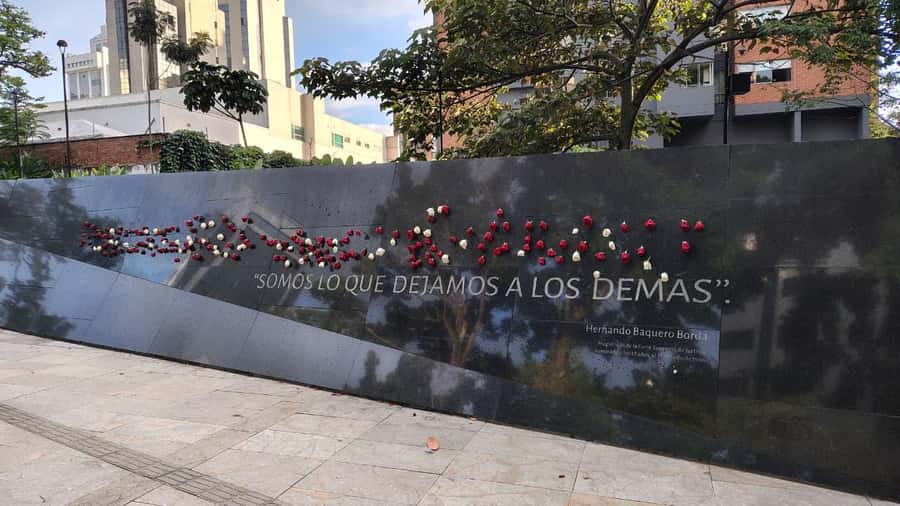
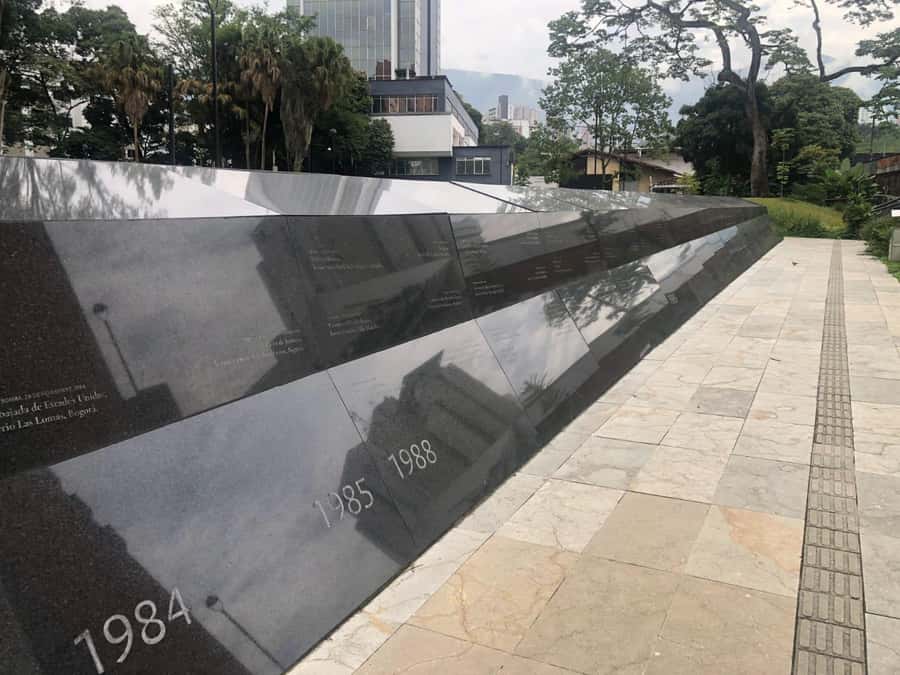
The tour’s first big emotional pivot is the visit to a house linked to Escobar’s life that today is a memorial park. This is the moment where the guide starts placing names, dates, and impacts next to physical spaces. For many people, it is the first time the story stops feeling abstract.
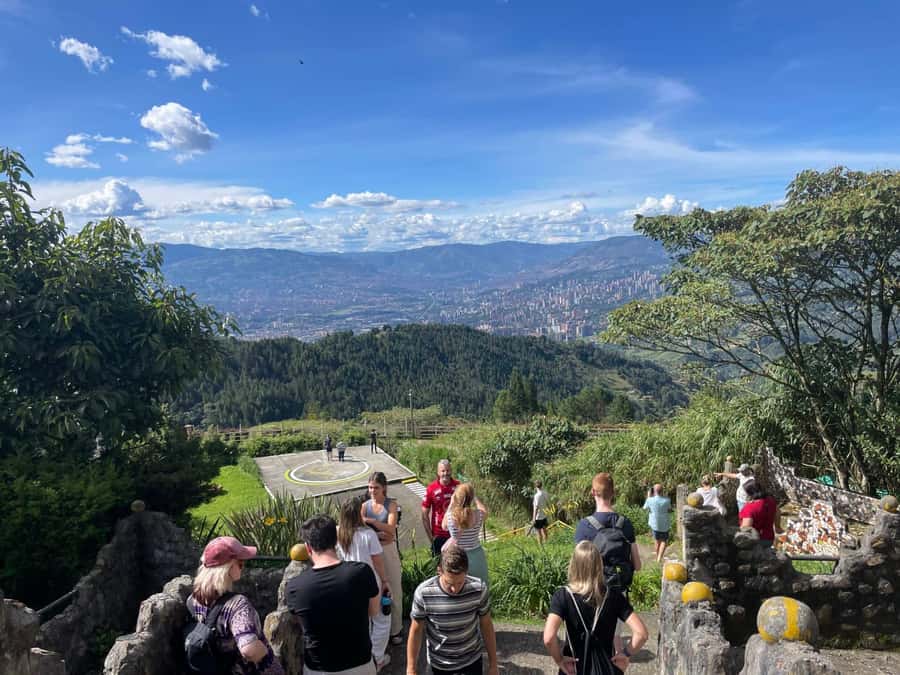
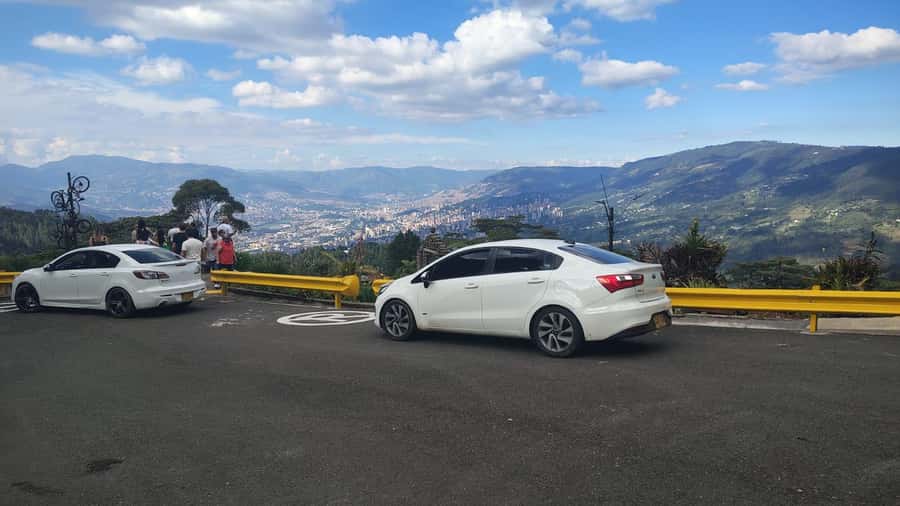
Then you move toward La Catedral, described as the jail he built for himself and today something else. This is the signature stop. It is also where the geography becomes part of the lesson, because you are heading to the mountain area tied to the prison setting and the views over Medellín.
A practical note: one review flagged that the helipad or rooftop access shown in marketing photos can be limited. So if you imagine getting every angle from the highest spot, keep expectations flexible. Even without that extra access, the site itself carries weight and the surrounding viewpoints help you understand the “why here” behind the location.
The Teen-Era Neighborhood Stops, Plus a Bathroom Break When You Need It
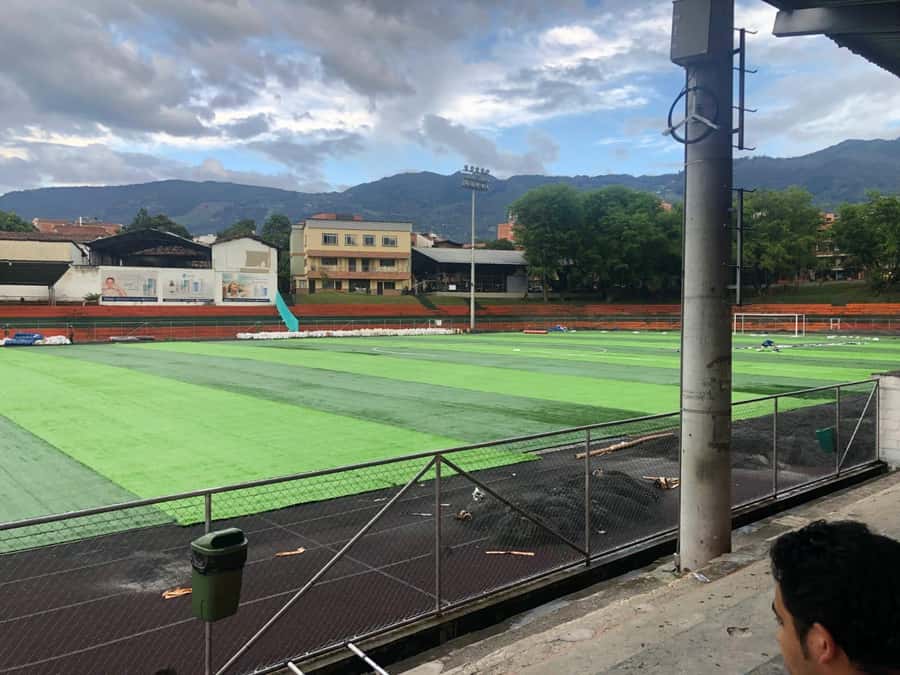
Midway through the tour, you spend time on places connected to his earlier life, including the location where he grew up as a teenager. In the itinerary, that shows up as stops like Pastelería Emmy and Cancha El Dorado. These are the kinds of places that remind you this story was built inside everyday Medellín life, not in a vacuum.
One helpful logistics detail: the tour information notes that there is a bathroom at the 3rd stop. That means you are not guessing about facilities the whole time. If you need one earlier or later, the guide says to ask for it, so speak up early rather than waiting.
These neighborhood-style stops can be uncomfortable to process, because you see familiar public places tied to a figure associated with terror and control. A good guide slows down here so you can connect the dots without rushing past the discomfort.
Jardínes Montesacro: Visiting the Grave and Understanding What “Memory” Means
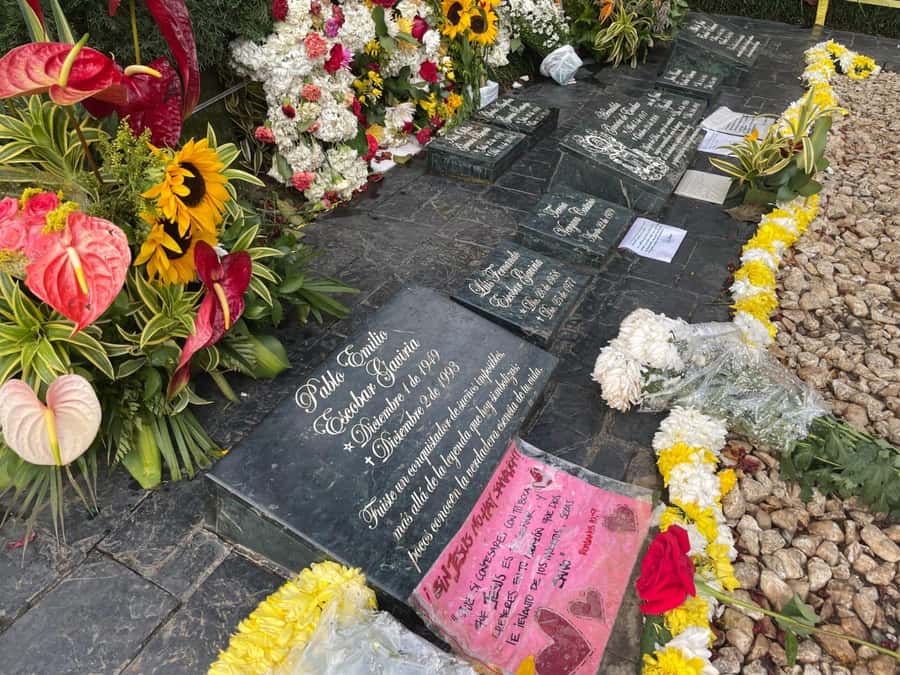
The cemetery stop is Jardínes Montesacro, which is tied to Escobar’s burial and the place you visit where he is buried today. This is one of the most important stops on the route because it shifts the conversation from buildings and power to what remains.
Expect the guide to talk consequences, not just the biography. The tour description explicitly frames this as understanding the dark period and what it left behind in the country. Reviews also highlight that the tour aims for context and balance, including the victims of violence and the bigger picture beyond “the cartel story.”
Even if you only know Escobar from headlines or series, this stop gives the story a different temperature. It stops being entertainment and becomes memory you can stand next to.
The Final Stop: The House Where He Hid and Where He Was Found
The last major location is the house where Escobar was hiding and found. In the itinerary it is listed as Casa donde se escondía Pablo Escobar, and it functions like the final scene in a chapter. You are pulling the timeline tight: early life context, rise, the prison chapter, burial and memory, then the end.
This stop also helps you understand the “how” and “why” behind his downfall. The guide explains how he became a drug dealer with pictures and examples over the full tour, so by the end you are not just seeing locations. You are tracking a narrative with cause and effect.
It is also a fitting end point for photos, because the guide usually leaves time for that in each stop. Just keep your phone ready but your head in the story, this is not a selfie-only session.
The Guide Factor: Bilingual Explanations and Visual Timeline Support
What people consistently love here is the guide. The tour information calls out English/Spanish live guidance, and the reviews describe guides like Juan, Juan Eduardo, and Eduardo as professional, friendly, and able to answer questions directly.
One especially strong recurring detail is the use of visuals. You might see a binder of photos that helps you imagine what locations looked like in earlier years, or the guide might use visual material on a phone during the drive. Either way, the goal is the same: make the sequence clear.
Also, small-group touring tends to produce better conversations. You get more time to ask follow-ups, and the guide can steer the explanation toward what you care about, whether that is the cartel operations, the city’s transformation, or the human cost.
Price and Value: What $50 Gets You, and What Costs Extra
The price is listed as $50 per person, and there is also a special month promotion of 20% off. For a 270-minute tour that includes transportation from two pickup zones, a bilingual live guide, and multiple destination stops, it reads as solid value if you want more than a quick drive-by.
What is not included is food and drinks. Snacks and drinks are not part of the package, though the guide says you can stop if you need something. One practical tip in the tour info is to bring some cash just in case you need to buy water during the day.
There is also an optional add-on. Meeting Escobar’s brother, described as still alive and used to be part of the cartel, is possible but it works like another tour with another fee. So if you are interested in that, treat it as an upgrade, not something that is bundled in.
Practical Tips for a Smooth Day in Antioquia
A tour like this rewards good preparation. Here are the basics the tour info calls out, and why they matter:
- Bring sunscreen, because some stops can be very sunny.
- Bring a passport or a copy, since a police stop to ask for information is mentioned as a possibility.
- Bring your personal medication if you need it.
- Consider having cash for water or small purchases, since snacks and drinks are not included.
The tour also has clear rules for comfort and safety. Weapons or sharp objects are not allowed, and valuables are discouraged. Smoking is not allowed in the vehicle or indoors, and intoxication is not allowed.
It is also limited in who it can accommodate well, so take the age limits seriously. This is not a stroller tour. It is not a slow-moving accessibility-friendly itinerary based on the provided suitability notes.
Should You Book This Tour?
I think you should book this tour if you want Medellín context that goes beyond viewpoints and nightlife. If you like history that connects buildings and locations to consequences, the five-stop route and the visual timeline approach are a strong match.
You should skip it if you want a light, casual tour or if graphic, heavy topics are not your thing. This is built around the dark moments of Medellín’s past and how that era is remembered, so it will feel serious.
And if you love structured tours but hate crowds, this small-group format is the biggest reason to choose it. Up to 4 people means you get the story, the pace, and the chance to ask questions without feeling rushed.
The Rest of Our Envigado Reviews
The Escobar Years, Told Plainly
Just added to our Envigado shelf
- Pablo and the drug trafficking world
★ 5.0 · 129 reviews
Escobar Era History Tours, compared.
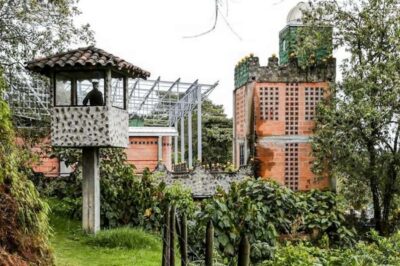 ★ 4.8Medellín: The Real Pablo Escobar TourFrom $423,205 reviews
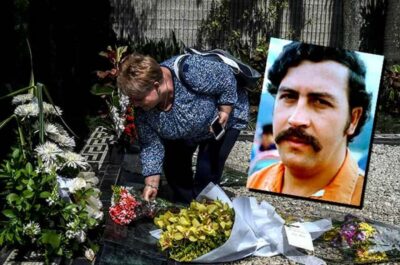 ★ 4.7Medellín: Pablo Escobar Tour with beer includedFrom $31612 reviews
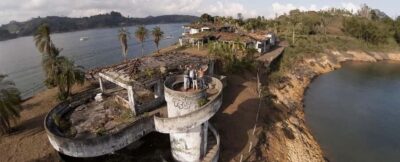 ★ 4.7Medellin: Guatapé Day Trip & Boat to Pablo Escobar’s EstateFrom $64365 reviews
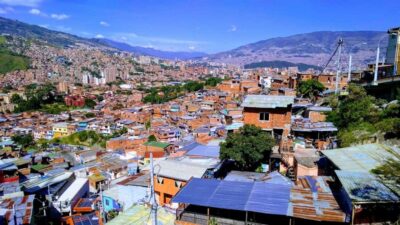 ★ 4.9Medellín: Private Pablo Escobar and Comuna 13 TourFrom $81233 reviews
 ★ 4.8Medellín: Private Pablo Escobar Tour with Cable Car RideFrom $73228 reviews
 ★ 4.9From Medellín: Private Pablo Escobar History TourFrom $6384 reviews
 ★ 4.8Medellin Pablo Escobar TourFrom $5581 reviews
 ★ 5.0(Private Guatapé) Mansion Pablo Escobar+Paintball+Cuatrimoto+BoatFrom $23573 reviews
Where else this tour turns up