
REVIEW · TAYRONA PARK & SANTA MARTA COAST
Santa Marta Street Food Tour: 7 Tastings with a Local Guide
Santa Marta tastes like a story. This street food tour turns a half day into a full sensory meal, guided by locals who explain the meaning behind each bite. I love that you get 7 tastings, not tiny samples, so you leave properly fed. I also like the small group setup, which makes it easier to ask questions and watch how dishes are made.
One watch-out: you do a lot of walking, and the pace can be tough if you have mobility limits or dislike heat.
In This Review
- Key things to know before you go
- Why this Santa Marta street food walk feels different
- Price and value: what $39 buys in real food
- Meeting at Saint Francis Square, then getting into it fast
- Stop 1 at Saint Francis Square: flavors and stories before you eat
- Mercado Público de Santa Marta: zapote and avocado to start strong
- Doña Yami’s cayeye: green plantain comfort food
- Doña Ketty and handmade arepas: watch, smell, then bite
- GNAM Café: a specialty coffee tasting with alternative brewing
- Bahia de Santa Marta walk and cocadas: coastal sweetness
- The final plate at Restaurante Mañe Cayón: Caribbean patacones
- Vegan and vegetarian options that actually help
- How guide-led storytelling makes the food taste better
- What to expect with group pacing and walking
- Practical tips so you leave happy, not stuffed
- Who should book this Santa Marta street food tour
- Should you book this tour or not?
- FAQ
- What is the duration of the Santa Marta Street Food Tour?
- Where is the tour meeting point?
- What time does the tour start?
- How many tastings are included?
- Is coffee included?
- Are vegan and vegetarian options available?
- Is alcohol included?
- How big is the group?
- What happens if the weather is bad?
- Is it okay to cancel if my plans change?
Key things to know before you go
- Market-first approach that shows everyday Santa Marta food culture right away
- Seven stops, enough for a full meal, with fruit, savory snacks, and sweets
- Specific food makers by name, including Doña Yami and Doña Ketty
- Coffee time at GNAM Café, with an aromatics-and-flavors style tasting
- Coastal walk by Bahia de Santa Marta, then cocadas to wrap up the seaside vibe
Other ways into Tayrona and along that coast
- Santa Marta: Sailboat day tour to Tayrona Park★ 4.5 · 352 reviews
- From Santa Marta: Tayrona National Park Guided Tour★ 3.8 · 131 reviews
- Tayrona Bay Sailboat trip★ 4.5 · 107 reviews
- Santa Marta: Minca Coffee, Cocoa, & Waterfall Full-Day Trip★ 4.6 · 102 reviews
Why this Santa Marta street food walk feels different
Food tours in Latin America often fall into two modes: either you bounce between restaurants, or you stay in one area and graze. This one has a third style that I really appreciate. It mixes street vendors, a public market, a specialty coffee stop, and a proper local restaurant, so you see how costeño food moves from morning bites to snack-time sweets and finally to a more sit-down finish.
The result is that you don’t just taste food. You pick up the logic of the region. Santa Marta’s food culture is Caribbean Colombian at heart, so you’ll keep seeing familiar patterns: plantains and green bananas used in savory ways, fruit you can actually recognize, coconut sweets sold by the bay, and fried crunch wrapped into comfort food like patacones.
Price and value: what $39 buys in real food
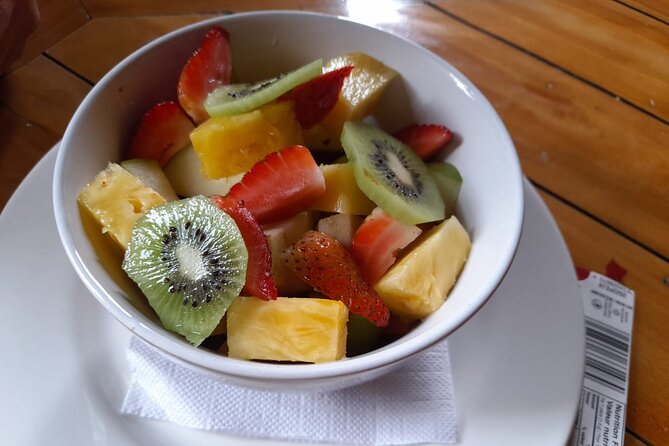
At $39 per person for 3 to 4 hours, the math mostly comes from how many portions you’re getting and how many different places you visit. Seven tastings may sound modest, but here it’s a full circuit: fruit samples, creamy local avocado, cayeye, freshly made arepas, a coffee and/or tea tasting, fruit juice, coconut sweets, and a final patacones plate.
You’re also not paying extra for the main experience parts. Many of the stops are set up so you can walk in without ticket costs, and the guide handles the flow. That matters because the value is not only in the food, it’s in the access to local vendors and the explanations you get while you’re eating.
Also, the tour includes natural fruit juice and a specialty coffee tasting at GNAM Café. Coffee in Colombia isn’t just a drink here, it’s a cultural marker. So even if you don’t consider yourself a coffee person, the stop gives you a useful way to understand what people mean when they talk about Colombian coffee quality and brewing.
Meeting at Saint Francis Square, then getting into it fast
You start at Saint Francis Square, in the Centro Histórico area, meeting in front of San Francisco Church around Cra. 4. The start time is 9:00 am, which is smart. Morning in Santa Marta tends to feel more manageable for market walking, and the flavors you’ll be tasting are at their best earlier in the day.
This tour is also capped at up to 30 people, and the experience is designed for a smaller feel in practice. That size helps at the market, where narrow stalls and lineups can slow everything down. Your guide can manage the group without turning it into a crowded shuffle.
Practical thought: wear shoes you can walk in for a few hours. Even if the route doesn’t look dramatic on a map, you’ll be doing steady city walking, then a bay stroll, then more food stops. The tour is built that way, because digestion time is part of the plan.
Stop 1 at Saint Francis Square: flavors and stories before you eat
The first stop is a short orientation in Saint Francis Square, right by San Francisco Church. This is a small thing that pays off. You get a quick sense of what you’re about to taste and why it matters in Santa Marta’s Caribbean Colombian culture.
Think of it as mental prep. When you know that cayeye and plantains connect to daily breakfast culture, or that cocadas are a classic coast sweet, your tastes start making sense instead of feeling random. It also gives you a chance to get your bearings before you move through the market areas.
Other tables, stalls and fruit carts nearby
Mercado Público de Santa Marta: zapote and avocado to start strong
Once you reach the Mercado Público de Santa Marta, the tour shifts into daily-life mode. The first food moments are fruit-based. You’ll taste zapote, a local fruit, plus creamy local avocado sampled from street vendors.
This part works because it sets a baseline. Many people arrive expecting only fried snacks, but the market start reminds you that the region’s flavor identity is also about produce. Zapote gives sweetness and a distinct fruit character, and avocado adds that creamy richness that can cut through heavier items later.
You’ll likely enjoy this most if you’re open to trying things even if you’re not sure what they are. The tour pace gives you enough context that you don’t feel like you’re guessing.
Doña Yami’s cayeye: green plantain comfort food
One of the big cultural hits comes at Doña Yami’s stand for cayeye, a beloved Caribbean dish made from mashed green plantains. Cayeye is one of those foods that sounds simple, but it’s deeply tied to regional breakfast culture.
Here’s why I think this stop is worth your attention: cayeye is comfort and identity. It’s not trendy street food designed for photos. It’s the kind of dish locals are used to eating and thinking about as part of their everyday rhythm. When your guide explains why it’s considered essential to costeño culture, the flavor experience clicks into place.
If you’re sensitive to texture, take your time with the mashed consistency. But in general, cayeye is a great anchor dish because it’s recognizable as savory comfort rather than just a random snack.
Doña Ketty and handmade arepas: watch, smell, then bite
Next comes the stage where you can actually see food being built from scratch. At Doña Ketty’s street stand, you watch how handmade arepas are prepared. Arepas often feel familiar to visitors who’ve had them elsewhere in Colombia, but handmade versions have a different feel. The texture, thickness, and fresh hot serve makes a noticeable difference.
The tour gives you arepas fresh, and that’s key. When a dough is handled and cooked on the spot, the result is different from something that has been sitting. I also like that the stop is visual. Even if you’re not a foodie, watching the process makes you more aware of why it tastes the way it does.
Pro tip for your stomach: you’re stacking flavors and carbs fast here. If you tend to get too full too early, keep sips of juice slow and leave room for later sweets.
GNAM Café: a specialty coffee tasting with alternative brewing
At GNAM Café, you get the specialty coffee experience. A barista prepares Colombian coffee using alternative brewing methods, and you’ll explore aromas and flavors as part of the tasting.
This stop is especially good if you normally drink coffee without thinking about why it tastes a certain way. Even without going full coffee nerd, you’ll pick up small clues: how aroma changes when coffee is brewed differently, and how flavor profiles shift with method.
Also, this is one of the few stops where you’re not rushing between streets. It’s a chance to slow down, sit or lean, and reset before you head toward the bay.
Bahia de Santa Marta walk and cocadas: coastal sweetness
Between snacks, the tour includes a scenic walk along Bahia de Santa Marta, giving you ocean views and a coastal sense of place. The walk isn’t meant to be a sightseeing bus tour. It’s a breather, and it pairs the bay air with a sweet payoff.
The sweet you’ll taste is cocadas, traditional coconut sweets sold by local vendors. Cocadas work well after savory bites because coconut reads as both dessert and comfort. They also connect to the coast culture in a way that feels organic, not forced.
If you’re traveling in hotter months, this segment can be pleasant because you’re no longer stuck in the tighter market lanes. Still, the sun is the sun, so bring sunscreen and pace yourself.
The final plate at Restaurante Mañe Cayón: Caribbean patacones
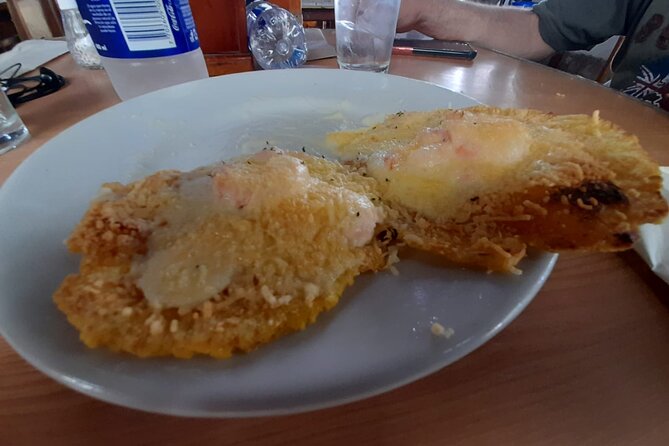
You end at Restaurante Mañe Cayón, where the last savory highlight is Caribbean-style patacones. Patacones are fried plantain slices that bring crunch and richness, and in this setting they come topped with Santa Marta flavors.
This finish matters because it’s the most meal-like stop of the day. By the time you reach it, you’ve already tasted fruit, savory bites, and sweets. The patacones feel like the grand finale, and they’re a good way to leave with a strong sense of how the region uses plantain in both breakfast and indulgent street-food form.
If you tend to underestimate how much food a tasting tour really gives you, this stop will correct that quickly. People often plan to save room. Then the first bites happen, and suddenly you’re not planning as much anymore.
Vegan and vegetarian options that actually help
This tour can be accommodated for vegans and vegetarians. That’s not always true on food tours, so it’s a big deal. The practical thing I’d do is mention your dietary needs when you book, so your guide can steer you toward the right vendors and prepared items.
You’ll still experience a lot of the region’s core flavors, especially plantain-based and fruit-forward items. And even if you can’t eat every component at every stop, the structure is built so alternatives should be workable.
How guide-led storytelling makes the food taste better
A major strength here is that a local bilingual guide provides context about what you’re eating and how it fits into Santa Marta’s culture. That matters because street food is not just ingredients. It’s rhythm, habit, and regional preferences.
You’ll hear explanations tied to why dishes are eaten at certain times, like why cayeye is tied to breakfast, or why coffee carries cultural importance in Colombia. Guides like Álvaro and Paula have been praised for making the experience feel safe, friendly, and easy to follow, with clear explanations and thoughtful pacing at the stops.
Even if English clarity varies from person to person, the tour format is simple. You’ll be eating at named places, and you can ask direct questions about ingredients, taste, and preparation.
What to expect with group pacing and walking
Most people can participate, but this is a walking-focused food day. Expect steady city blocks plus a bay segment. The tour also runs for a half-day window, so it’s not a slow stroll with one bite and a long sit-down in between.
The upside of this pace is that you get variety. You move through different food zones, instead of repeating the same type of stall. The downside is heat and fatigue. If you’re the type who likes to stop often, ask your guide for quick breaks when you need them, and keep small sips of included juice between tastings.
One more angle: because this is group-based, you might occasionally deal with short wait times at popular stalls. That’s normal for markets. Your guide helps keep it organized so the day stays fun instead of frustrating.
Practical tips so you leave happy, not stuffed
A few things will make your day smoother:
- Don’t eat a big breakfast beforehand. You’ll likely be full fast, and the tour still has multiple savory and sweet stops ahead.
- Bring water or plan to sip when you can. Fruit juice is included, but water helps with walking heat.
- Wear grippy shoes. You’ll be in market areas and around vendors.
- Take small bites at the beginning if you’re sensitive to texture. Cayeye and arepas can feel filling.
- Save room for the final patacones. They’re the meal-style capstone.
If you like city wandering with a purpose, this tour rewards you. If you hate walking, it can feel like too much. The food is worth it, but you need to accept the walking part.
Who should book this Santa Marta street food tour
Book it if you want:
- A high variety food day that mixes markets, local stalls, coffee, and a sit-down finish
- A guided experience with named vendors like Doña Yami and Doña Ketty
- A tour that helps you understand Caribbean Colombian flavors through actual meals, not just bites
- A small-group feel that keeps questions possible
Skip it if:
- You need minimal walking due to mobility concerns
- You want a more relaxed, mostly sit-down experience
- You’re only interested in one type of food, like seafood or sweets
Should you book this tour or not?
Yes, I think it’s a strong pick if you want your Santa Marta day to feel like local life. The value is built into the structure: seven tastings, coffee and juice included, a cultural guide, and a finish at a real restaurant. The walking is real, but it’s also the reason the day feels like you’re moving through the city instead of just sampling from one corner.
If you’re fit for a half-day walk, this is one of the easiest ways to get fed, informed, and pleasantly surprised by Caribbean Colombian flavors in Santa Marta. If walking is a challenge, you’ll still get great food, but the day may feel too intense without a plan for breaks.
FAQ
What is the duration of the Santa Marta Street Food Tour?
The tour runs about 3 to 4 hours.
Where is the tour meeting point?
You meet at Saint Francis Square, in front of San Francisco Church, Cra. 4, Centro Histórico, Santa Marta.
What time does the tour start?
The start time is 9:00 am.
How many tastings are included?
You get 7 tastings across the different stops.
Is coffee included?
Yes. Coffee and/or tea is included, including a specialty coffee tasting at GNAM Café.
Are vegan and vegetarian options available?
Yes, the tour can be accommodated to vegans and vegetarians.
Is alcohol included?
Alcoholic beverages are not included, but they may be available for purchase at some stops.
How big is the group?
The tour has a maximum of 30 travelers, and it’s designed as a smaller-group experience.
What happens if the weather is bad?
This experience requires good weather. If it’s canceled due to poor weather, you’ll be offered a different date or a full refund.
Is it okay to cancel if my plans change?
Yes. You can cancel for a full refund if you cancel at least 24 hours before the experience start time.
Eat and Drink Santa Marta
Fruit Carts, Stalls and Long Lunches
Tayrona and the Sierra Behind It



Just added to our Santa Marta shelf
- Minca, Marinka Waterfall & Hostel Sierra Minca
★ 4.7 · 3 reviews - Santa Marta: Museum of the Sea and Playa Blanca Beach Tour
★ 4.8 · 3 reviews - Diving Santa Marta & Tayrona for Certified Divers (2 tanks)
★ 3.9 · 3 reviews - Tour en Velero a Bahía Concha Parque Tayrona
★ 3.5 · 4 reviews - Tayrona Park & Playa Cristal
★ 3.8 · 4 reviews
Tayrona Park & Santa Marta Coast, compared.
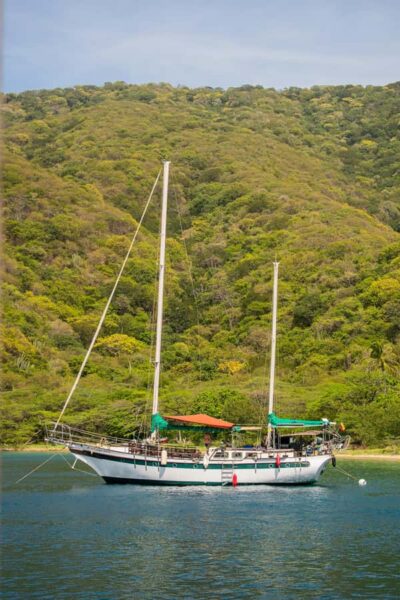 ★ 4.5Santa Marta: Sailboat day tour to Tayrona ParkFrom $64352 reviews
 ★ 3.8From Santa Marta: Tayrona National Park Guided TourFrom $77131 reviews
 ★ 4.5Adventure in Barranquilla and Santa Marta from CartagenaFrom $65130 reviews
 ★ 4.5Tayrona Bay Sailboat tripFrom $60107 reviews
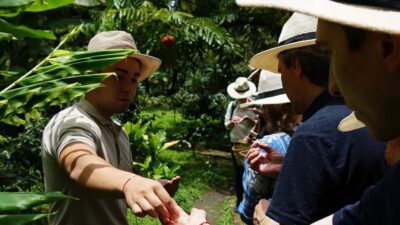 ★ 4.6Santa Marta: Minca Coffee, Cocoa, & Waterfall Full-Day TripFrom $78102 reviews
 ★ 5.0Private Transportation from Cartagena to Santa Marta CityFrom $29495 reviews
 ★ 4.5Full Day Tour from Cartagena through Barranquilla and Santa MartaFrom $8594 reviews
 ★ 4.3From Santa Marta: Sunset Sailboat Tour with 2 BeveragesFrom $4793 reviews
Where else this tour turns up