
REVIEW · TOURS
Anti-tour Bogotá
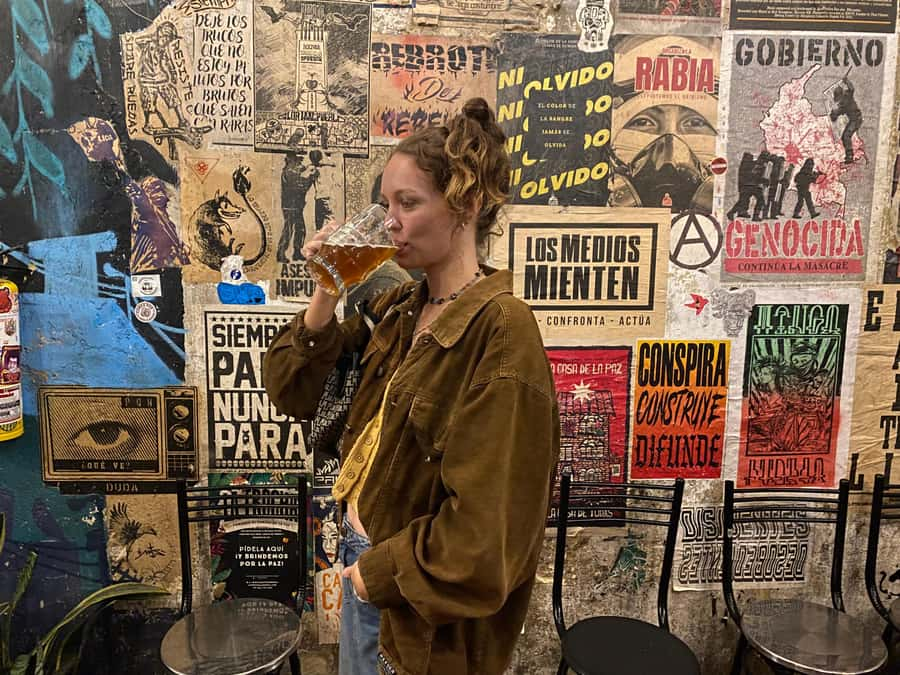
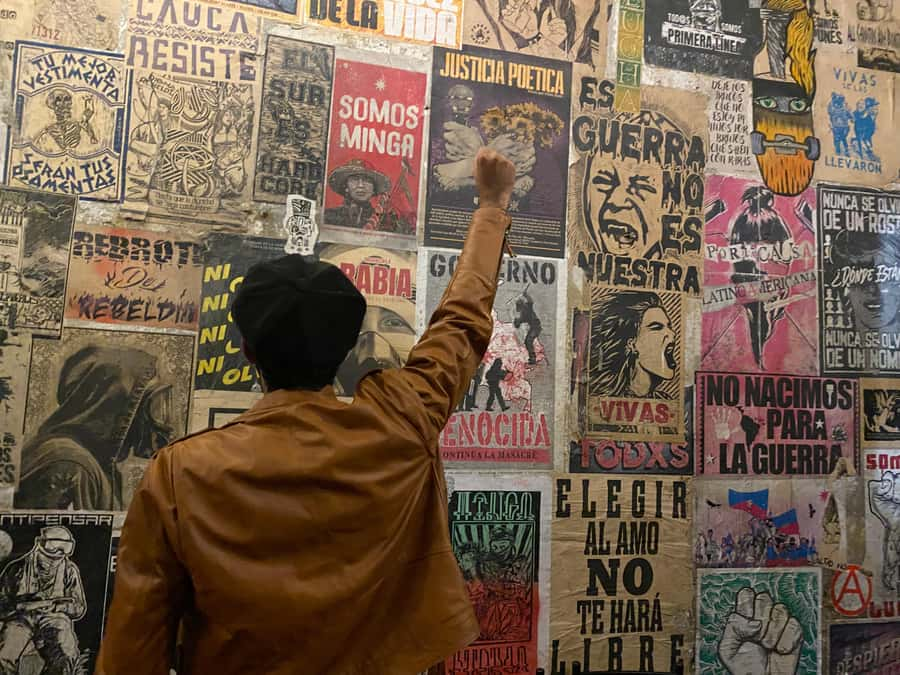
Forget postcard Bogotá, this one talks back. This is a small-group (up to 10) walk-and-transit route with an English guide, built around La Pola and the city’s pushback culture, from street history to hands-on drinking at Chorro de Quevedo.
I especially like the practical mix of food, music-culture, and conversation. You get chicha-making and tasting, then a stop tied to Manu Chao’s Bogotá in La Candelaria, before riding TransMilenio toward La Trocha, where you meet people building peace and sample viche. One thing to consider: this tour is not built for a light, neutral sightseeing mood, and the political stories plus drink tastings may feel intense if you prefer softer content.
In This Review
- Key moments that make this tour worth your time
- A half-day that feels like Bogotá, not a checklist
- Starting at Parque de los Periodistas, then La Pola
- Chorro de Quevedo: chicha workshop and what you taste
- La Candelaria and the Manu Chao House stop
- TransMilenio Gold Museum and the smart use of transit
- La Trocha Casa de la Paz: viche tasting and peace-building voices
- Price, duration, and what you actually get for $42
- Practical tips so the day goes smoothly
- Who this tour suits best (and who should skip it)
- Should you book Anti-Tour Bogotá with Tripcol?
- FAQ
- How long is Anti-Tour Bogotá?
- Where does the tour start?
- What price should I expect per person?
- Is the tour guided in English?
- How big is the group?
- What is included in the price?
- What is not included?
- What should I bring for the tour?
Key moments that make this tour worth your time
- La Pola stop for Colombia’s independence context: a quick guided start at the monument to Policarpa Salavarrieta.
- Hands-on chicha workshop at Chorro de Quevedo: learn the process and taste the result.
- Manu Chao House entrance in La Candelaria: connect street art energy to real places in the neighborhood.
- TransMilenio Gold Museum quick visit: a short museum-style pause tied to the transit system.
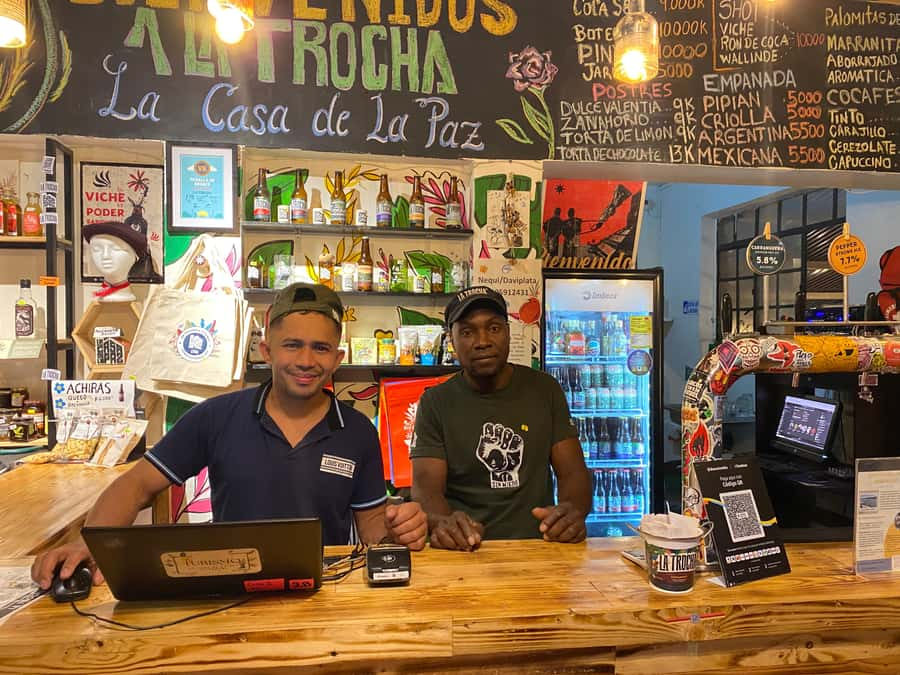
- La Trocha Casa de la Paz meeting peace builders: arts and crafts market time plus viche tasting with former FARC combatants.
Not decided yet? These Bogota bookings earned solid marks in our reviews.
- Bogota: Bicycle City Tour★ 4.9 · 2,156 reviews
- Zipaquirá: Salt Cathedral Group Tour with Pickup★ 4.8 · 1,606 reviews
- Bogotá: Guided La Candelaria Walking Tour★ 4.8 · 1,229 reviews
- Bogotá: Private City Tour, Monserrate, Emerald and Botero★ 4.9 · 798 reviews
A half-day that feels like Bogotá, not a checklist
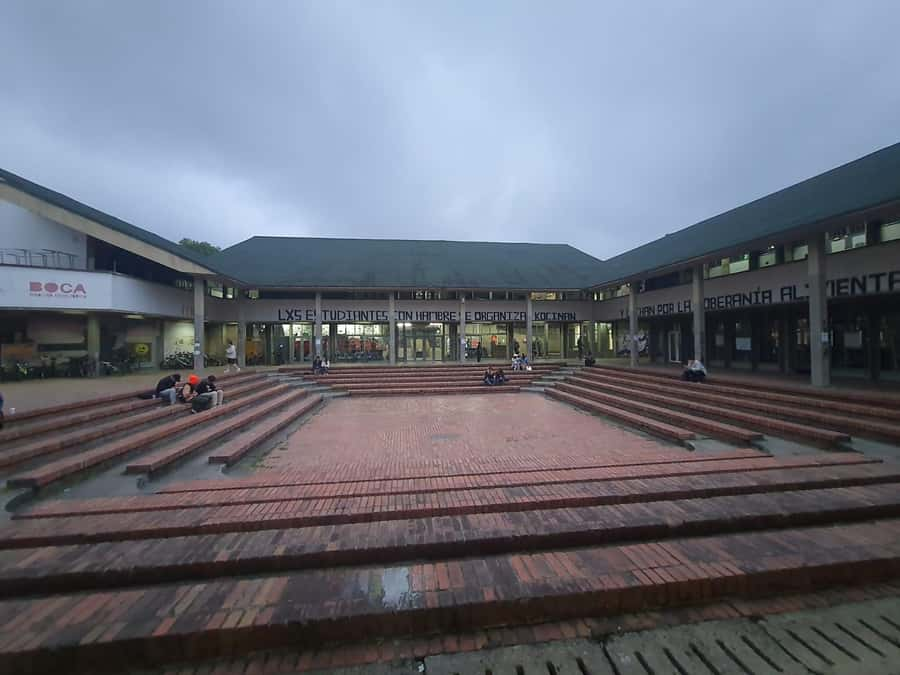
Anti-Tour Bogotá is built for travelers who want the city behind the city. You still see major landmarks, but the point is how people tell their own story, in their own terms. The route leans political, cultural, and human, which is exactly why it works. It gives you names to remember, drinks to understand, and voices to listen to.
At $42 per person for 4 hours, the value is strong because you are not just walking. You’re doing two tasting experiences (chicha and viche), you get an English live guide, you enter the Manu Chao House, and you visit historical sites. That adds up quickly if you tried to replicate it on your own with separate tours and paid admissions.
This is also a tour where the group size matters. With a limit of 10 participants, the guide can actually talk with you, not just at you. If you like asking questions and following a conversation thread, this format fits.
Starting at Parque de los Periodistas, then La Pola
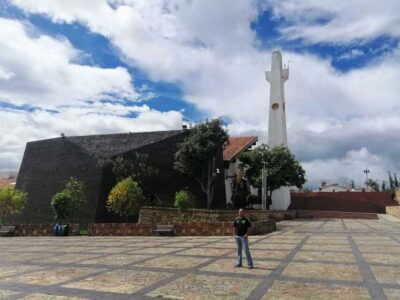
You kick off near Parque de los Periodistas Gabriel García Márquez, a fitting place to begin if you care about storytelling. The guide uses this early moment to set tone: Bogotá is not just a skyline. It is a place where people remember, argue, and reorganize.
Then the tour moves to La Pola (Policarpa Salavarrieta Monument). This stop is more than a photo op. The guide frames who Policarpa Salavarrieta was and why her bravery mattered to Colombia’s fight for independence. Even if you know only basics about the independence era, this monument visit gives you a reference point you will feel later in the tour when resistance shows up as everyday culture, not just textbook dates.
The practical upside: you get context early. Once you understand why a name like La Pola is still spoken with weight, the rest of the day makes more sense. It turns later stops into something you can read, instead of just places you pass through.
Chorro de Quevedo: chicha workshop and what you taste
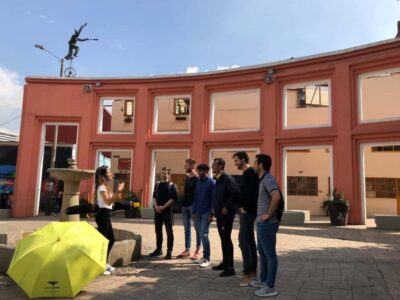
The energy shifts at Chorro de Quevedo. This is where the tour turns hands-on, with time for a guided visit plus the chicha workshop. You are not watching from the sidelines. You learn how chicha is made and then you taste it.
Chicha is an indigenous corn brew with deep roots. On this tour, the value is not only the drink itself. It is the way the guide connects it to tradition, continuity, and cultural survival. You start seeing how ancient practices persist even when modern life pushes hard.
One practical tip if you are planning for the workshop: wear comfortable shoes and be ready to stand and move. The tour explicitly tells you to bring comfortable shoes and water, which is a good hint that you will spend real time on your feet.
This is also a stop where different guides can change the feel of the day. Based on past tours, guides like Andrés are known for making the chicha part fun and informative, which matters because food-and-drink workshops can go two ways: either they are a bland demo, or they feel like a shared activity. Here, the track record points to the second.
La Candelaria and the Manu Chao House stop
After the chicha workshop, the tour shifts into La Candelaria culture. You get an entrance visit tied to Manu Chao’s Bogotá, including time at his former home.
What I like about this stop is that it avoids the typical music-bio approach. Instead, you connect the dots between an artist’s inspiration and the lived texture of the neighborhood. It’s not only about who Manu Chao is. It’s about why street-level stories become music and why music becomes another way a city keeps speaking.
This stop also helps balance the day. The earlier parts are more about independence-era courage and indigenous tradition. The Manu Chao house piece adds a modern layer, showing how creativity and street politics overlap in Bogotá.
If you are the type of traveler who enjoys small, specific places with a story, you will appreciate the focus. If you only want giant museum halls and broad vistas, you might find it more intimate than expected, but that intimacy is the point.
TransMilenio Gold Museum and the smart use of transit
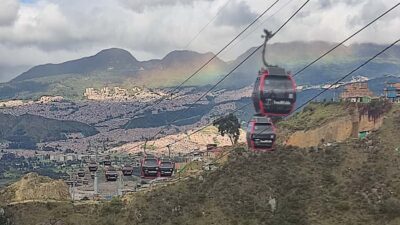
To cross the city, the tour uses TransMilenio, the iconic Bogotá transit system, plus a short public transport segment. This is not just transport logistics. It’s part of how the tour reads the city.
You also stop at the Transmilenio Gold Museum for a guided visit of about 30 minutes. Even if you do not know much about Colombia’s gold tradition, the museum-style stop gives you a concentrated break from street walking. It also reinforces that Bogotá’s identity shows up in surprising places, even inside the transit ecosystem.
A small word of advice: riding public transit can be the best part or the most distracting part, depending on your attitude. If you treat TransMilenio as a moving vantage point, you will get more out of the experience. If you only want taxis and private cars, you may find the ride less comfortable, even though it keeps the tour grounded and efficient.
La Trocha Casa de la Paz: viche tasting and peace-building voices
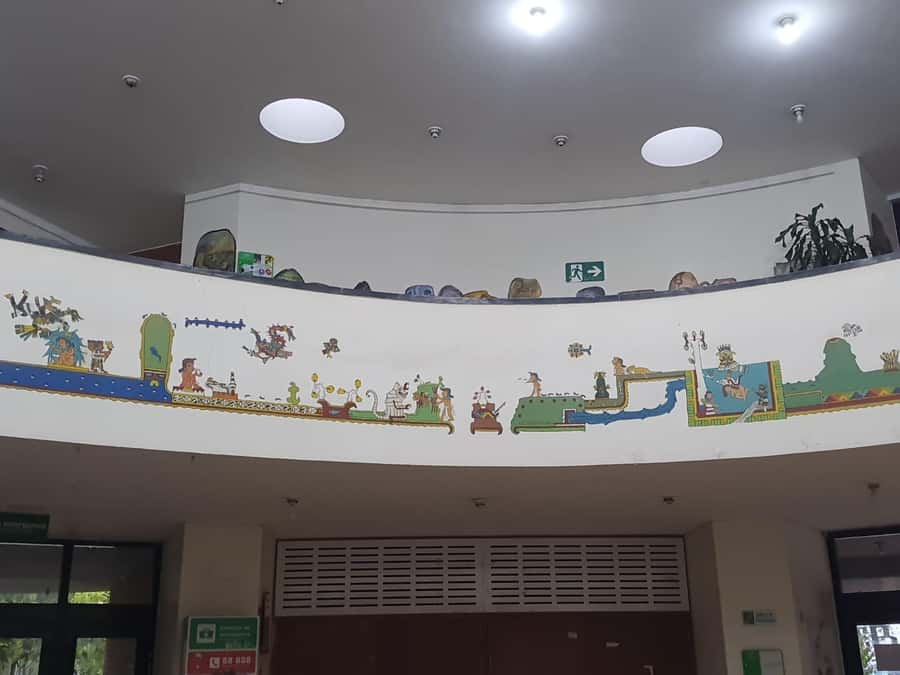
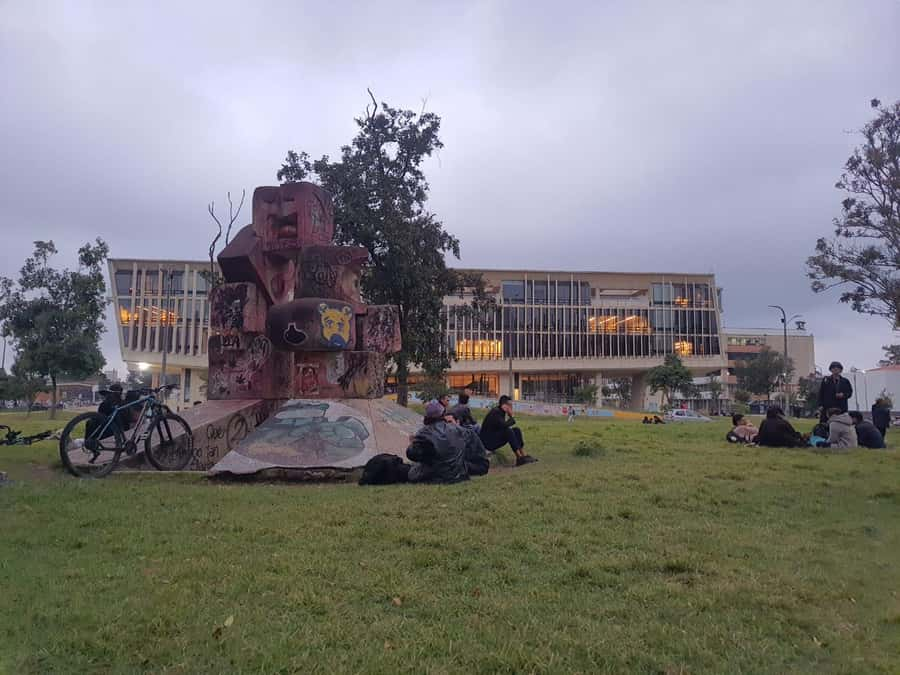
The emotional center of the tour is La Trocha, La Casa de la Paz. This is a space run by former FARC combatants who are building a new mission around peace. You spend about 80 minutes there, including an arts and crafts market visit and guided conversation time.
This is where the day turns from learning to listening. You taste viche, an ancestral sugarcane spirit, and you hear personal stories of transformation. The guide’s job here is crucial because the topic is sensitive, and you want the experience to feel respectful, not like entertainment.
What you can take away from this stop is not a political lecture you memorize. It is a human lesson in how people remake identity after conflict. That is why this tour earns such strong marks for being more than typical sightseeing.
You may notice that the guides on this tour are often highlighted for keeping the experience inclusive and comfortable while still pushing past surface tourism. Names like Michael and Paula come up with that kind of impact, especially around the Casa de la Paz portion.
One practical consideration: if alcohol tastings are not your thing, you should still plan to handle the viche moment with care. You do not have to turn your day into a party, but you should know the tour includes a tasting, and that is part of the cultural context they are offering.
Also, timing can be a little variable in the real world. One past comment suggested that starting the day directly at La Trocha might be smoother on some schedules. That does not mean the tour is poorly run, but it does explain why being flexible helps. This is a street-and-community experience, not a theme park with perfect minute-by-minute predictability.
Price, duration, and what you actually get for $42
Let’s talk value, because this tour’s price is not just about the guide.
At $42 for 4 hours, you are paying for:
- A live English guide
- A hands-on chicha workshop plus tasting
- A viche tasting
- Entrance to the Manu Chao House
- Visits to historical sites
- A small group cap at 10 people
- Transit time using TransMilenio and public transport
If you price those pieces separately, the math gets easier to accept. Most standard walking tours are cheaper, but they typically do not include workshops, tastings, and specific entrances. Here, your money goes into experiences that create memory, not just photos.
Is $42 cheap? For Bogotá, it is a fair price for what’s included. Is it worth it? If you want an educational day with food, music culture, and real conversation with people, yes. If you want a quick hits-of-iconic-sites tour, you might feel like you paid for intensity.
Practical tips so the day goes smoothly
This tour is called Anti-Tour Bogotá for a reason: it leans more street-level than polished. So your preparation should match that.
Bring:
- Comfortable shoes
- Hat
- Sunscreen
- Water
- Camera
A few extra ideas that fit the style:
- Keep your expectations simple: you are here to learn how Bogotá thinks, not just what it looks like.
- Ask questions during the Casa de la Paz portion if a theme connects with you. The tone works best when you treat it like a conversation.
- If you have dietary limits or strong feelings about alcohol, plan your approach ahead of time. The tour includes tastings, so your comfort matters.
Who this tour suits best (and who should skip it)
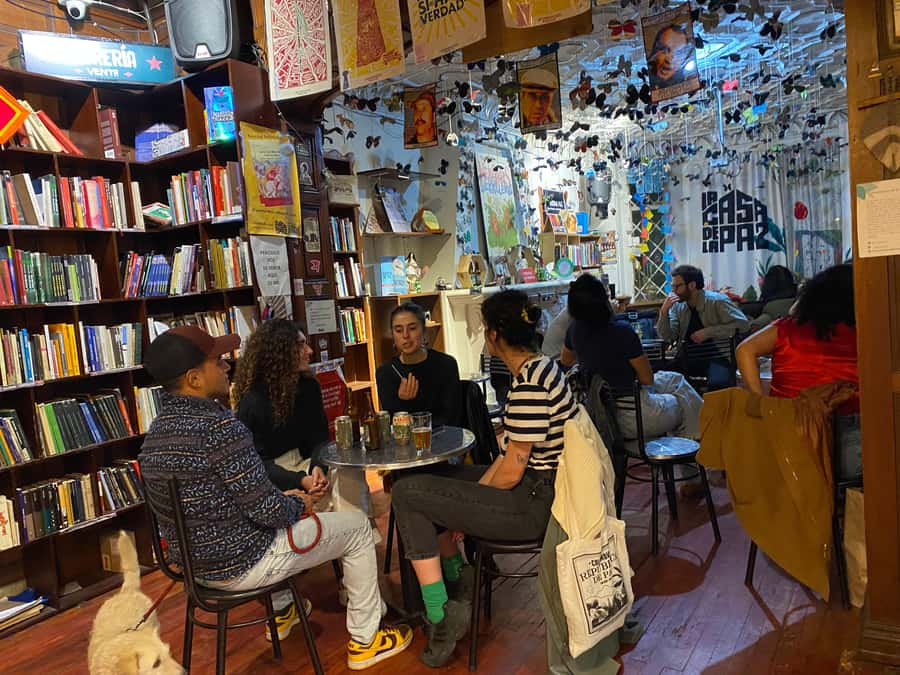
This experience is best for you if:
- You like history with real people attached to it
- You enjoy workshops and tasting rather than only viewing
- You want Bogotá through politics, culture, and community transformation
- You prefer small groups where your questions matter
It may be a less perfect match if:
- You want only classic postcard sights and short stops
- You dislike alcohol tastings, especially when they carry cultural meaning
- You prefer a totally neutral tone and do not want political context
There is no shame in either choice. Tours are tools. This one is a tool for understanding Bogotá’s pressure points: independence memory, indigenous tradition, transit-era daily life, and peace-building today.
Should you book Anti-Tour Bogotá with Tripcol?
If you are choosing between a generic city tour and this one, I’d lean toward booking Anti-Tour Bogotá when you want depth in a short time. The combination is rare: chicha workshop, Manu Chao House entrance, a transit-connected museum stop, then Casa de la Paz with viche and former FARC voices. That mix makes the day feel connected, not random.
On the other hand, if you want a lighter itinerary, more standardized sightseeing, or you want zero drinking involved, you might be happier with a traditional tour format.
My recommendation: book it if you are curious, respectful, and comfortable with stories that hit harder than a basic museum label. This is Bogotá with skin in the game.
FAQ
How long is Anti-Tour Bogotá?
The tour duration is 4 hours.
Where does the tour start?
The starting location is Parque de los Periodistas Gabriel García Márquez.
What price should I expect per person?
The price is listed as $42 per person.
Is the tour guided in English?
Yes. The tour guide is available in English.
How big is the group?
This is a small group experience, limited to 10 participants.
What is included in the price?
Included activities are the hands-on chicha workshop, viche tasting, personal stories of transformation, entrance to Manu Chao House, and visits to historical sites.
What is not included?
Personal expenses are not included.
What should I bring for the tour?
Bring comfortable shoes, a hat, a camera, sunscreen, and water.
The Rest of Our Bogota Reviews

Everything Else We Reviewed in Bogota
Just added to our Bogota shelf
- Fun Graffiti Workshop: The Art of Aerosol and Color
★ 5.0 · 3 reviews - From Bogota: White Water Rafting Experience
★ 4.4 · 3 reviews - From Bogota: Excursion to Jaime Duque Park
★ 5.0 · 3 reviews - Bogotá: La Candelaria Food Tour with Tastings
★ 4.2 · 3 reviews - Walking tour José Celestino Mutis Botanical Garden 3 hrs
★ 5.0 · 3 reviews
Tours, compared.
 ★ 4.8Medellin: Comuna 13 Graffiti Tour, Cable Car & Street FoodFrom $189,046 reviews
 ★ 4.8Medellín: The Real Pablo Escobar TourFrom $423,205 reviews
 ★ 4.9Cartagena: Historic Center and Getsemaní Shared Walking TourFrom $122,716 reviews
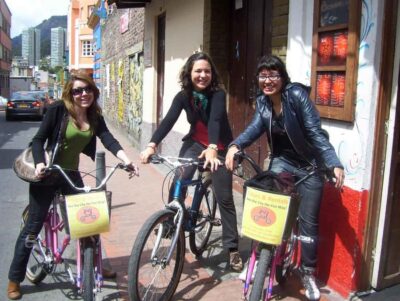 ★ 4.9Bogota: Bicycle City TourFrom $192,156 reviews
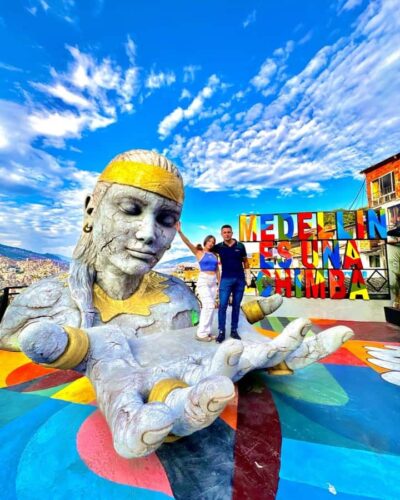 ★ 4.9Medellín: Comuna 13 True Story and Street Food TourFrom $141,779 reviews
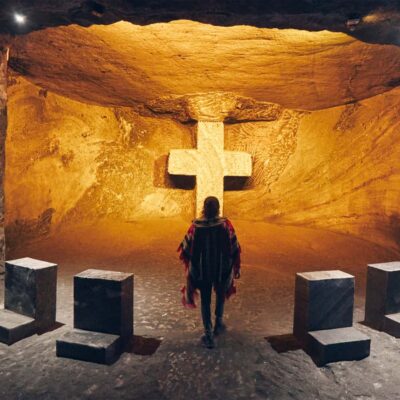 ★ 4.8Zipaquirá: Salt Cathedral Group Tour with PickupFrom $461,606 reviews
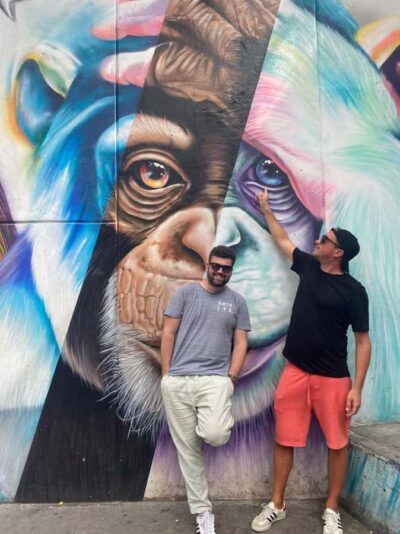 ★ 4.8Medellín: Comuna 13 District Tour with Cable Car RideFrom $271,467 reviews
 ★ 4.7Medellin: Coffee Tour with Transport, Snacks and TastingsFrom $801,357 reviews