
REVIEW · CARTAGENA WALLED CITY & GETSEMANí WALKS
Cartagena: Historic Center and Getsemaní Shared Walking Tour
Cartagena tells its story through walls. This shared walking tour strings together the Historic Center and Getsemaní with street-by-street context, so the city feels like one big living lesson instead of a pile of landmarks. You start with the people who were here before the Spanish and keep moving through the conquest, colony, and independence era, with the Walled City’s walls doing most of the talking.
What I especially like is the mix of hard history and everyday culture. You’ll see the slavery route markers and then hear how Cartagena’s modern social life connects to Caribbean roots, including salsa and African champeta. One thing to watch: it is a long, sun-and-street type walk, so wear comfortable shoes and plan for heat (even guides work to keep you in the shade, weather can still throw a curveball).
In This Review
- Key highlights you should know before you go
- How this shared walking tour works in real life (and why 150 minutes fits)
- Meeting at Plaza Cervantes and starting with the clock tower energy
- From Plaza del Ecuador to the slavery route streets: what the city reveals
- Plaza de la Aduana and Cartagena’s “commerce buildings” moment
- San Pedro Claver: the church, the museum-monastery, and human rights
- San Ignacio Bastion and the Bay of Souls: pirates, defense, and strategy
- Plaza Bolívar break, then Centennial Park’s shade and animal sightings
- Getsemaní culture corridor: umbrellas, graffiti, and the end-of-tour music
- Price and value: why $12 for 150 minutes can make sense
- What I’d pack and how to pace yourself in Cartagena heat
- Who should book this tour, and who might want a different style
- Should you book this Cartagena Historic Center and Getsemaní walking tour?
- FAQ
- FAQ
- How long is the Cartagena Historic Center and Getsemaní shared walking tour?
- Where do I meet the tour guide?
- What languages is the live guide available in?
- Is food and drinks included?
- What should I bring for the walking tour?
- Does the price include the guide and tips?
Key highlights you should know before you go
- Walled City storytelling that follows the streets, not just photos and names
- The slavery-route sites explained clearly, including places tied to markets and commerce
- Musical culture stops, ending in Getsemaní with salsa and champeta sounds
- Built-defense context at the bastions, including the idea of the Bay of Souls under threat
- Animal-spotting breaks at Centennial Park, when timing and luck align
- Guides bring the energy, often with interactive moments and dance
Inside the walls, a few more reviewed walks
- Cartagena: Historic Center and Getsemaní Shared Walking Tour★ 4.9 · 2,716 reviews
- Cartagena de Indias: 2-Hour Sunset Cruise★ 4.7 · 1,105 reviews
- Cartagena: Panoramic City Tour, Monuments, Walls, Castle★ 4.0 · 636 reviews
- Cartagena: Guided Tour, with La Popa Convent, and San Felipe★ 4.4 · 599 reviews
How this shared walking tour works in real life (and why 150 minutes fits)
This is the kind of tour that helps you get oriented fast. Cartagena’s Historic Center can feel dense, with tight streets, thick walls, and sights packed so close together you can miss the “why” behind them. In 150 minutes, you’re guided through key zones so the city starts to make sense as you walk it on your own later.
Because it’s shared, you can expect a livelier group vibe than a private tour, and you’ll often hear the guide bounce questions around as you go. That matters in Cartagena, where many landmarks look similar at first glance, and the details only click when someone explains what you’re seeing and why it mattered.
Meeting at Plaza Cervantes and starting with the clock tower energy
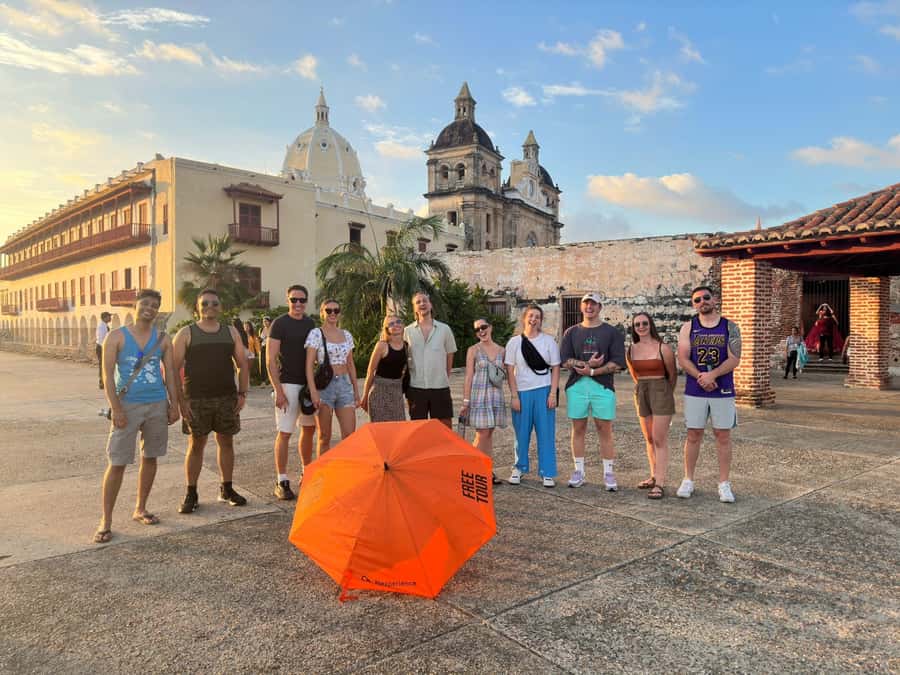
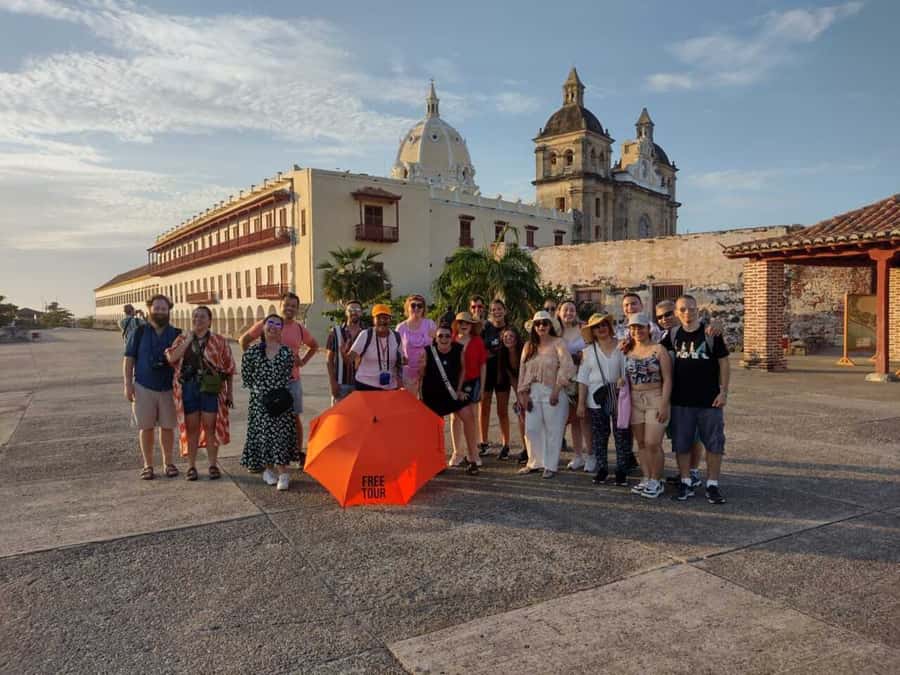
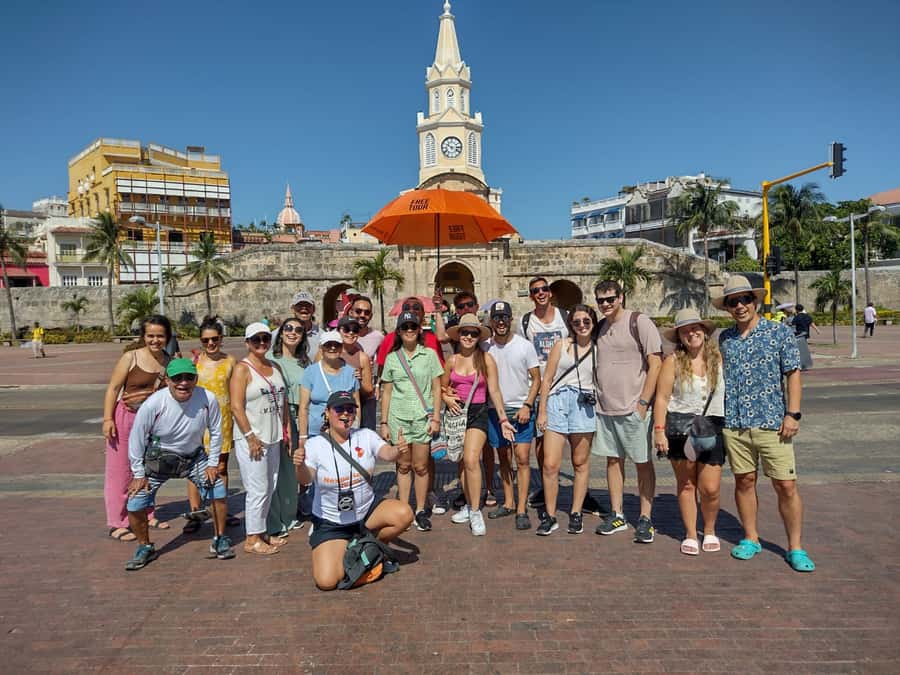
You meet at Plaza Cervantes, in front of the clock tower (often described as the Golden Key area). The instructions are simple: look for the orange umbrella and you’ll find the group. This is a smart starting point because it puts you near the Historic Center’s main flow, so you’re not wasting time crossing the city before you even begin.
From there, your guide moves you into the early story of Cartagena, including the indigenous people who were present before and during the Spanish arrival. That opening sets the tone. Instead of treating the city as if it started with European power, you begin with the people who were already shaping the region.
From Plaza del Ecuador to the slavery route streets: what the city reveals
One of the tour’s best strengths is how it uses geography as explanation. You don’t just pass by plazas, you learn what each one stood for. For example, you’ll move through areas connected to the enslavement route, including stops that are tied to streets like Porto Carrero and Candilejo. Your guide also points out key named figures tied to Cartagena’s colonial story, like Pedro de Heredía, who welcomes you into the next stretch of the narrative.
You’ll also hear about the Plaza del Esclavo setting up the darker parts of the city’s past, and then you continue along the route where the built environment helps you understand how commerce, control, and movement worked. It can feel heavy, but the tour keeps it grounded in real places you can point at while listening.
A detail I’d pay attention to: the way the tour highlights the role of women in the period of slavery. The Portal de los dulces is described as a symbol of female activity in those times, and it connects forward to the traditions descendants still carry. That turns the story from a one-way tragedy into something more complete, including survival and continuity.
Plaza de la Aduana and Cartagena’s “commerce buildings” moment
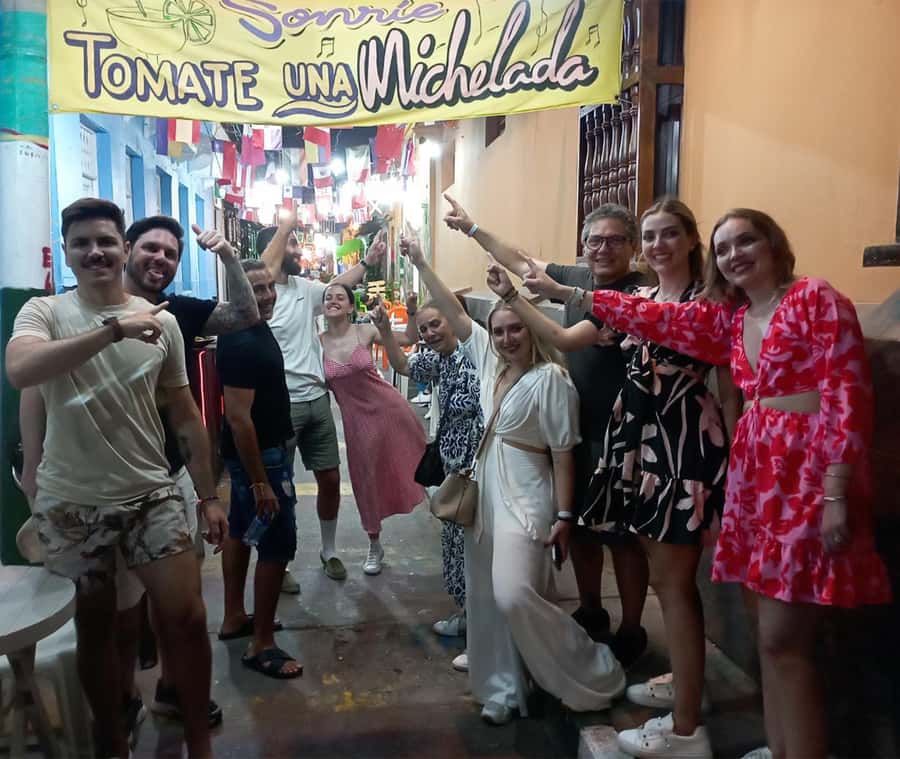
The tour continues to the Plaza de la Aduana, which matters because it was tied to the commercialization of merchandise, including that of the enslaved. In other cities, an old plaza is just an old plaza. Here, it’s a location that explains how an economy was built, including who benefited and who paid the price.
You’ll also see important structures there, including the Municipal Hall. This is one of those moments where the city’s power shows in architecture. Even if you’ve never studied colonial history, you’ll feel the contrast between grand buildings and the suffering that helped fund the grandeur.
Then the tour makes room for art and collections connected to Caribbean and Colombian culture. Stops can include the Museum of Modern Art and also the Gold Museum with indigenous pieces from the Colombian Caribbean. The Emerald Museum is also part of the route, described as featuring stones considered among the most beautiful in the world, which helps break the tone when you need a mental breath.
Other Cartagena routes done on foot
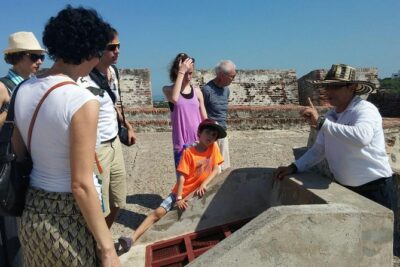

San Pedro Claver: the church, the museum-monastery, and human rights
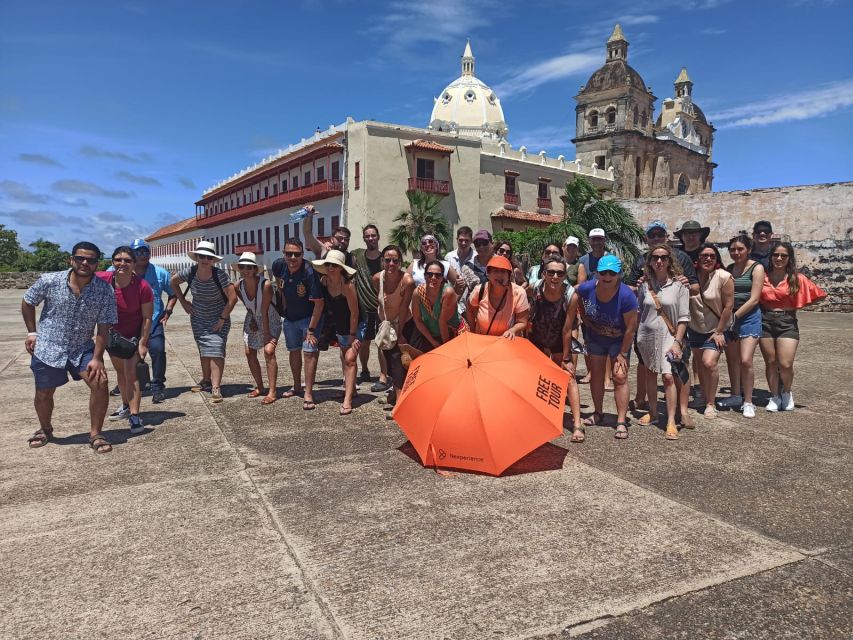
Religion shows up in a practical way on this walk, not just as decoration. You’ll visit San Pedro Claver, described as Slave of the Slaves, and you’ll see the church and museum-monastery that carry his name. The tour frames this place as part of a human rights headquarters, giving you a way to connect Cartagena’s past to a moral response that people built after the fact.
This is also where you’ll likely hear guides connect the dots between Cartagena’s colonial-era suffering and why the city’s modern identity includes remembrance and activism. It’s not a lecture where you leave with dates only. It’s a story anchored in one physical site you can picture later when you explore on your own.
In past runs, guides have been praised for how they manage this balance, keeping the mood respectful while still making you understand the significance. You may hear names like Robert, Legacy, Dani, or Ingrid leading the group, depending on the day and language.
San Ignacio Bastion and the Bay of Souls: pirates, defense, and strategy
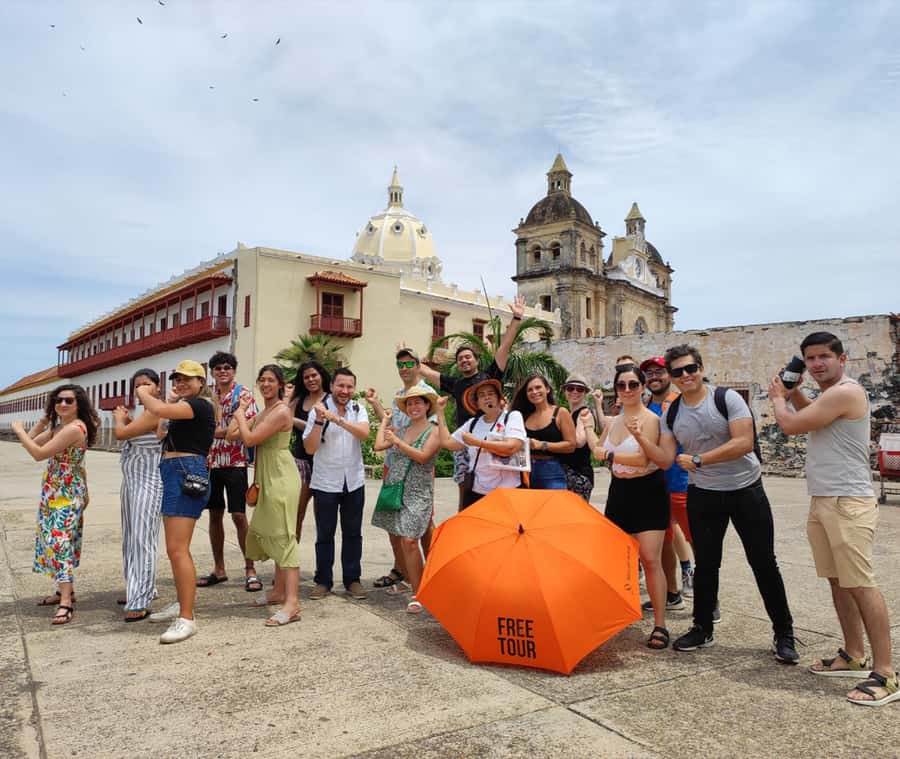
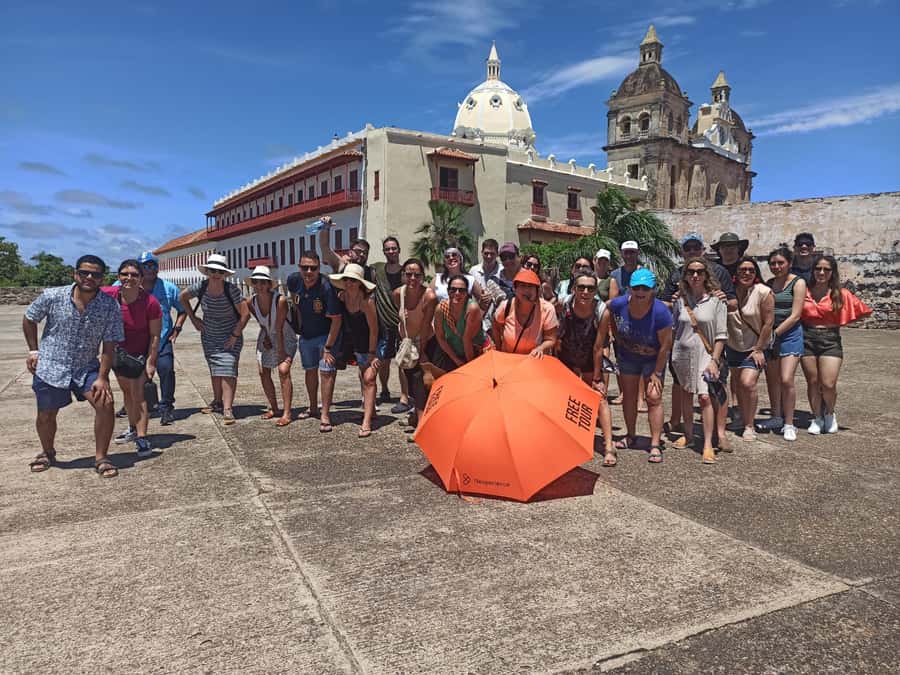
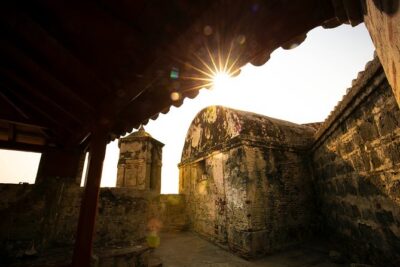
Next comes the San Ignacio Bastion, built to defend the Bay of Souls from pirate attacks. I like this part because it changes the lens. Instead of only focusing on internal power and commerce, you get outside threats, naval pressure, and military strategy.
You’ll learn the history behind the walls of Cartagena, and it’s the kind of explanation that helps you “read” the fortifications. Bastions are not random stone lumps. They are designed choices: sight lines, angles, and positioning to protect what mattered.
If you’re into the drama of pirates and corsairs, this segment gives it structure. The story has a reason for the drama, not just the drama itself.
Plaza Bolívar break, then Centennial Park’s shade and animal sightings
After bastions and plazas, you reach Plaza Bolívar, described as a place to refresh yourself. This stop matters because it breaks up the walking flow at exactly the time you might start feeling it in your legs and head. It also gives you a mental reset between the big historical themes and the lighter, everyday side of Cartagena.
Then the tour heads to Centennial Park, previously a railway station, described as a relic of the Tropical Dry Forest. This is where the tour can feel more like a stroll, and you may get your first real chance to spot wildlife. Reviews mention possible sightings like sloths, iguanas, and monkeys, plus birds like egrets. Even when you do not see animals, the point is still useful: it shows Cartagena wasn’t only stone and war.
Getsemaní culture corridor: umbrellas, graffiti, and the end-of-tour music
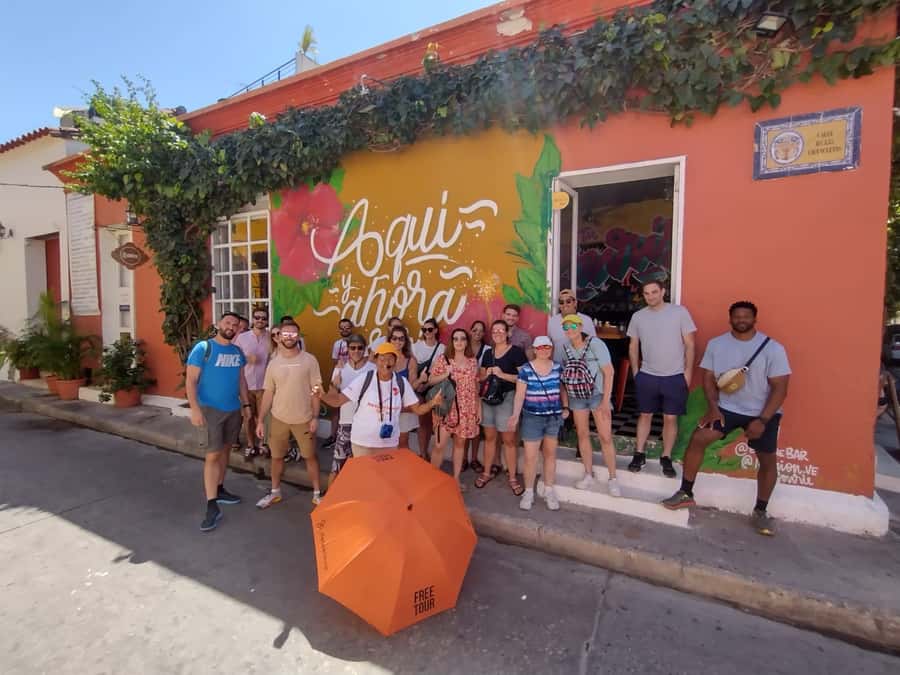
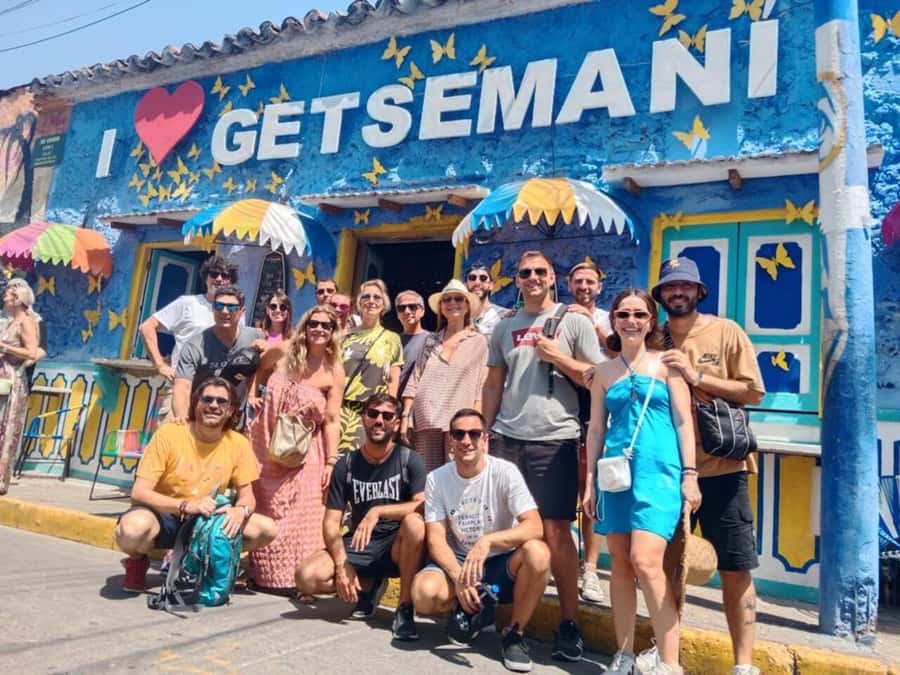
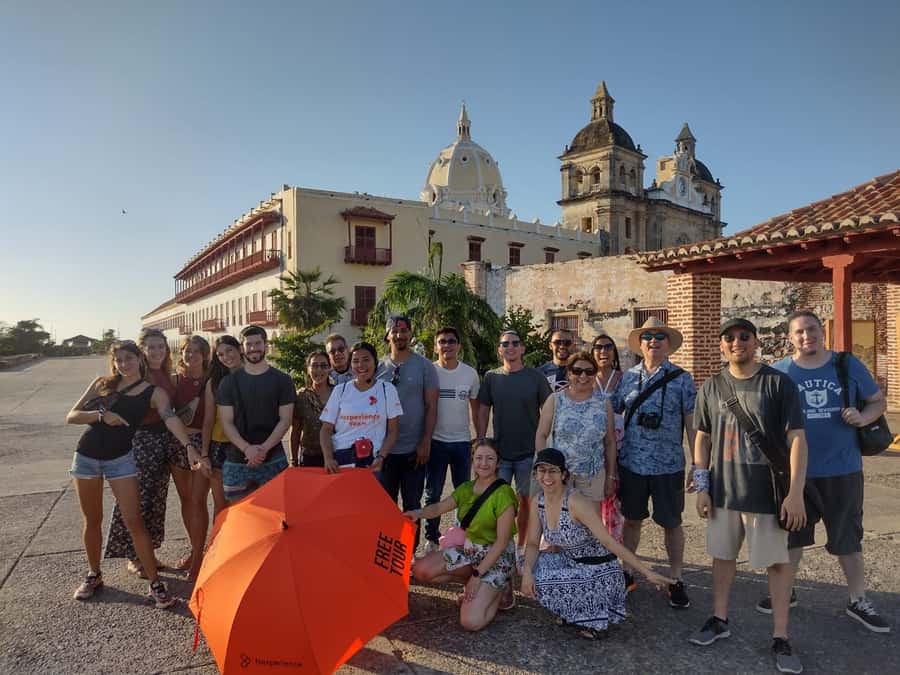
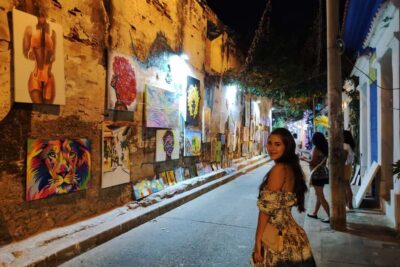
The last act takes you into Getsemaní, with a focus on street-level culture. You’ll walk one of the neighborhood’s important and colorful cultural corridors, where umbrellas (linked to advertisement), graffiti, and unique architecture shape the scene. This is the counterweight to the Walled City. Same city, different mood.
The tour then moves toward Callejón Ancho to reach the end of the route at Calle San Juan, where you hear salsa and the African champeta soundscape. This ending is practical as well as fun. If you plan to go out later, you now have a clear, local-sounding anchor street where you understand the vibe.
Many guides build in interaction here. From guide-led dancing moments to simple call-and-response energy, the vibe tends to be playful, with people moving even as you still learn. Guides like Dani, Legacy, or Legaxy have been specifically praised for teaching dances during the walk.
Price and value: why $12 for 150 minutes can make sense
At $12 per person for about 150 minutes, this is strong value if you want two things at once: guided structure and context. Cartagena’s Historic Center is not easy to interpret on your own. You can see buildings and plazas without understanding what created the city’s power, who suffered inside it, and how independence and identity evolved after.
This tour also covers more than one major area. You get the Walled City side and then the Getsemaní side, so you’re not paying to see only one “photo zone.” The tour is guided by a professional live guide (with English and Spanish available) and includes the walk, the sights, and tips are described as already handled in the paid price.
Food and drinks are not included, so budget for water and snacks on your own. If you plan your day around this tour, you’ll likely find it easier to choose where to eat afterward since many guides share practical food pointers. In reviews, guides such as Robert have given lists of good places to eat and drink, and others have shared local navigation tips, including how to avoid overpaying at the wrong spots.
What I’d pack and how to pace yourself in Cartagena heat
Your guide will do what they can to help you stay comfortable. Reviews specifically mention guides working to keep groups in shade when possible. Still, Cartagena can be sweaty, and the tour is long enough that you should dress for movement.
Bring:
- Comfortable shoes (the streets can be uneven and you’ll be on your feet for most of the tour)
- Sunscreen
- Comfortable clothes that breathe
- Weather-appropriate gear if rain rolls in (one review mentioned the tour was affected by rain)
Hydration matters. One reviewer advises bringing plenty of water, and it’s exactly the kind of practical step that turns a good tour into an easy one.
If you’re traveling with kids, this tour can work because many guides are described as patient and attentive. Still, keep expectations realistic: it’s history plus walking, not a museum with seating every five minutes.
Who should book this tour, and who might want a different style
I think this tour is ideal if you:
- Want a first-day orientation in Cartagena
- Like history but also want it connected to places you can walk and re-see
- Care about understanding the darker parts of the city respectfully, not just the postcard parts
- Enjoy culture through music, including salsa and champeta
You might want a different format if you:
- Struggle with long walking in warm weather
- Prefer a quiet, slow-paced tour with lots of sitting time
- Want only one neighborhood and no cross-city context
Should you book this Cartagena Historic Center and Getsemaní walking tour?
Yes, if you want the fastest path to understanding why Cartagena looks the way it does. For $12 and about 150 minutes, you get a rare combination: Walled City sites, the slavery-era geography, defense and fortification context, then a shift into Getsemaní’s modern street culture with music at the end.
Book it early in your stay if you can. Many reviews praise it as a strong introduction, and the payoff is that you’ll recognize places later and understand what you’re seeing instead of guessing.
FAQ
FAQ
How long is the Cartagena Historic Center and Getsemaní shared walking tour?
It lasts about 150 minutes.
Where do I meet the tour guide?
Meet at Plaza Cervantes – Camellón de los Mártires in front of the clock tower. Look for the orange umbrella.
What languages is the live guide available in?
The tour is offered with live guides in English and Spanish.
Is food and drinks included?
No. Food and drinks are not included, so plan to bring your own water and snacks.
What should I bring for the walking tour?
Wear comfortable clothes and comfortable shoes, and bring sunscreen (plus anything you need for the weather).
Does the price include the guide and tips?
The tour includes a professional tour guide and tips are included as part of what you pay.
Cartagena and Its Past


Walk Cartagena Slowly

The Walled City, Three More Ways

Just added to our Cartagena shelf
- White Night Boat Party: Dinner Buffet, Dancing and Open Bar
★ 4.6 · 3 reviews - The best sunset tour in the bay: Open bar party & fun
★ 5.0 · 3 reviews - Tayrona Park adventure in Santa Marta: Cabo San Juan from Cartagena
★ 3.8 · 3 reviews - Cartagena: Rosario Islands Private Boat Tour
★ 4.8 · 3 reviews - Mud Volcano Tour in Cartagena with Lunch
★ 3.4 · 3 reviews
Cartagena Walled City & Getsemaní Walks, compared.
 ★ 4.7Cartagena de Indias: 2-Hour Sunset CruiseFrom $311,105 reviews
 ★ 4.0Cartagena: Panoramic City Tour, Monuments, Walls, CastleFrom $15636 reviews
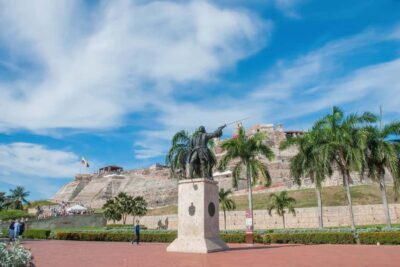 ★ 4.4Cartagena: Guided Tour, with La Popa Convent, and San FelipeFrom $45599 reviews
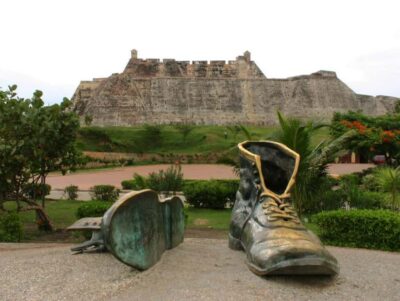 ★ 4.2Cartagena: BILINGUAL CITYTOUR + SAN FELIPE CASTLE & Old cityFrom $29387 reviews
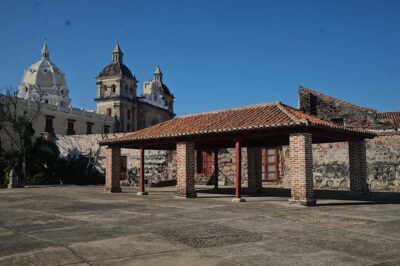 ★ 4.5Cartagena: Walled City and Getsemani Shared Walking TourFrom $16352 reviews
 ★ 4.43-in-1 Panoramic city tour Bogotá-beyond the traditionalFrom $42248 reviews
 ★ 4.8Cartagena: Walled City & Getsemani Private TourFrom $69107 reviews
 ★ 5.0Cartagena City Tour & Convento de la Popa (AM)From $40102 reviews
Where else this tour turns up