
REVIEW · MANGROVES, BIRDING & NATURE RESERVES
Cartagena: Mangrove Eco Tour & Fishing with Transportation
Mangroves feel like a living classroom. In Cartagena, this 2-hour eco tour in La Boquilla blends native bilingual guides, boat time, and sustainable fishing lessons. I especially love the chance to try net and trap techniques on the water, and I love how the guides explain why mangroves matter for the coast, including storm protection and habitat.
The pickup and drop-off option helps a lot, since getting in and out of the local fisherman area is easier when a driver is handling the route. One watch-out: you’ll be in open air while the boat travels through the channels, and not all sections feel shaded, so plan for strong sun and heat.
In This Review
- Key things that make this tour worth your time
- La Boquilla mangroves, why the ecosystem matters so much
- Getting there smoothly with hotel pickup and a practical meeting setup
- First stop in La Boquilla: the welcome drink and ecosystem context
- The natural island stop, where local activity and mangrove life overlap
- On the boat, trying traditional fishing with nets and traps
- Crab and fish activity as part of the day
- Viewpoint stop: what you’re really gaining from that extra 30 minutes
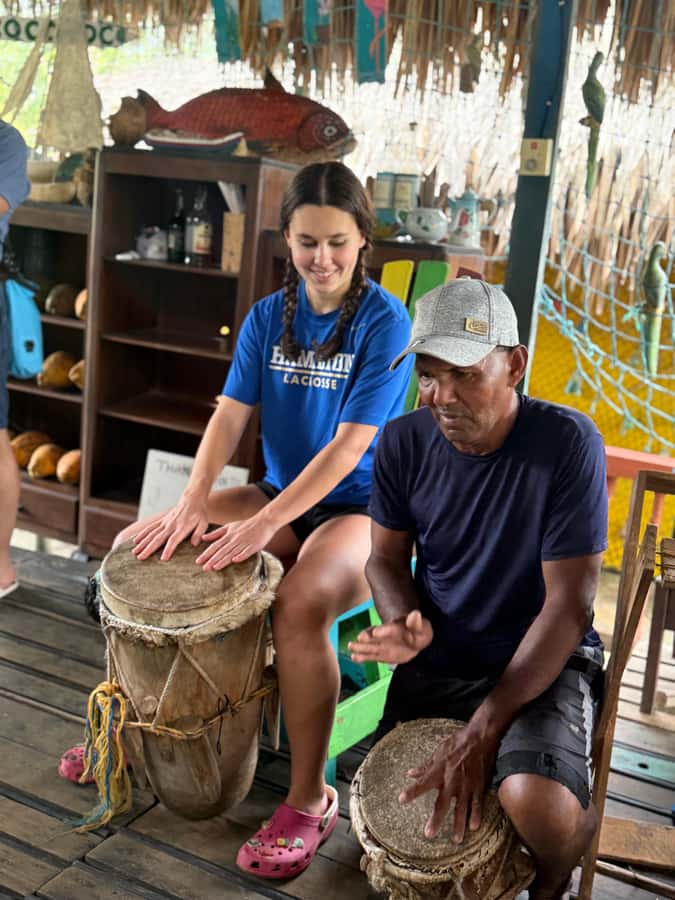
- Drums, dancing, and the cultural side that feels genuinely local
- Duration and value: why $55 can feel like a fair trade
- Who this tour is best for, and who might not love it
- My booking advice: how to get the most from your 2 hours
- Should you book Cartagena Mangrove Eco Tour & Fishing with Transportation?
- FAQ
- How long is the Cartagena mangrove eco tour?
- Is hotel pickup included?
- What languages are the guides available in?
- What activities are included besides the boat and sightseeing?
- Do I need my own fishing experience?
- Can I cancel and get a full refund?
Key things that make this tour worth your time
- La Boquilla mangroves, 15 minutes from the historic center, with an Afro-descendant community focus
- Hands-on fishing using nets and traps in a more sustainable, low-impact way
- A welcome natural drink, often coconut-based, right after you’re greeted
- Fisherman Island access plus a stop at a natural island where local life and plants show up close
- Drums and cultural moments that feel part of the day, not a quick photo stop
Quieter reserves, and the birds in them
- Cartagena: Mangrove Eco Tour & Fishing with Transportation★ 4.8 · 185 reviews
- Full Day Barú island: Mangrove +Snorkel + Sunset + Plankton★ 3.7 · 139 reviews
- Cartagena: Snorkel, Mangroves and Playa Blanca Tour★ 3.8 · 132 reviews
- Adventure full day Isla Barú + Mangroves + Snorkel + bioluminescent plankton★ 4.0 · 95 reviews
La Boquilla mangroves, why the ecosystem matters so much
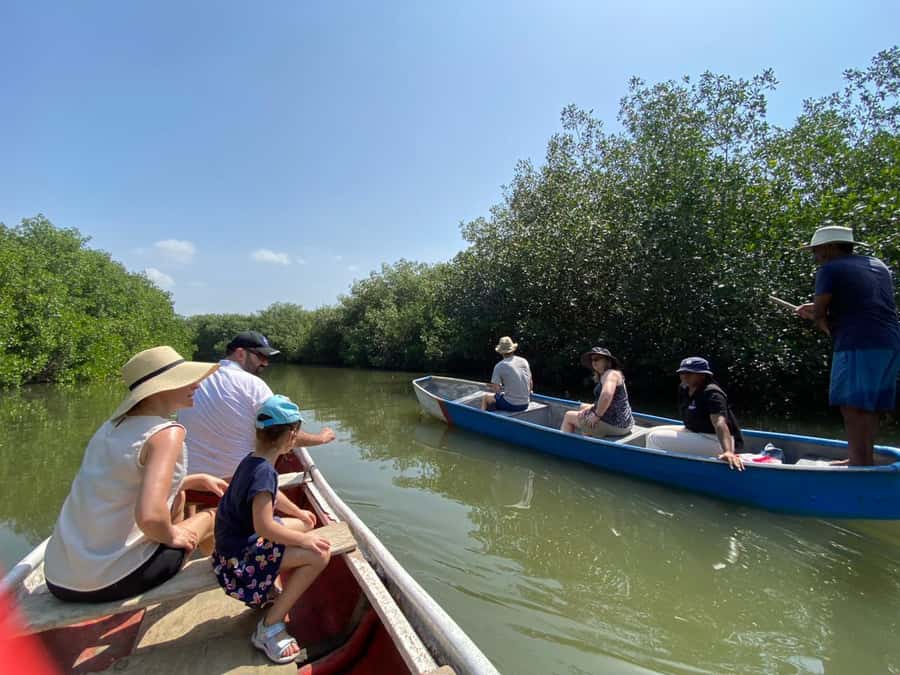
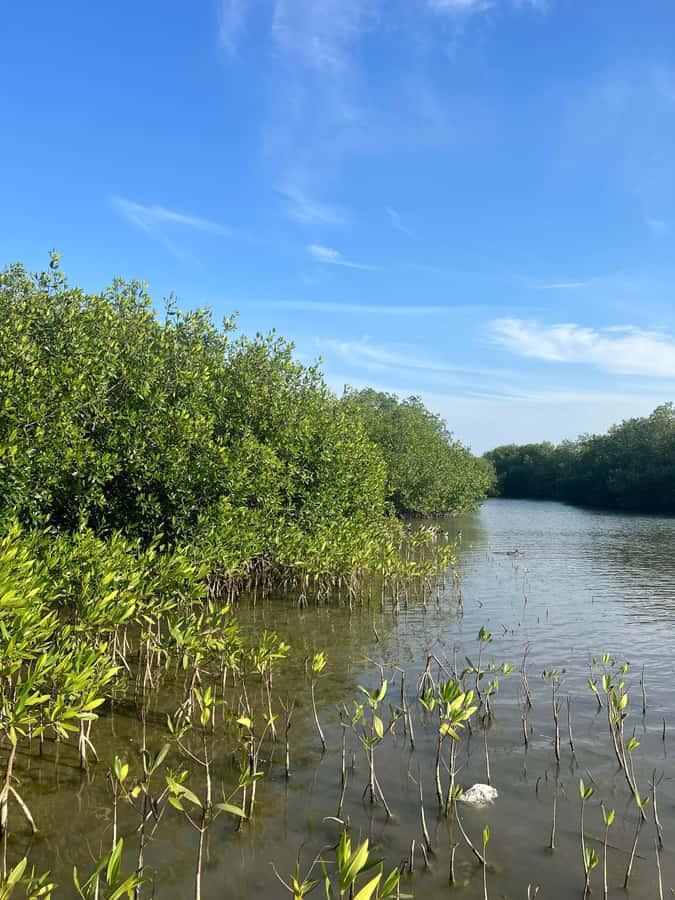
Cartagena’s mangroves are not just scenic. They’re a working ecosystem, and the tour gives you the “why” behind the green maze you cruise through. Your guides explain how mangroves support wildlife, protect coastlines, and even help reduce damage during extreme weather events like hurricanes.
This matters for you because it changes how you experience the water. Instead of just sightseeing from a boat, you start noticing relationships: roots that shelter small animals, the way water movement shifts inside the mangrove channels, and why local fishing traditions evolved around those natural patterns.
And the community connection is real. This tour focuses on the Afro-descendant community of La Boquilla, where mangroves are tied to daily livelihood and local knowledge.
Getting there smoothly with hotel pickup and a practical meeting setup
This is one of the most practical tours I’ve seen for visitors who do not want to wrestle with local transportation. The experience includes pickup throughout Cartagena, and you’re picked up about 15 minutes before the tour from your hotel area. If you cannot locate the hotel on your end, you’re told to send the address so the team can coordinate a pickup and return.
Why I like this for your trip: the mangrove area is not the kind of place where you casually grab a taxi at the last second and feel confident about the ride back. Multiple feedback points stress that having the transportation option matters, especially for the return.
Also, you’re not stuck wandering for long before you start. The tour is timed to move, and the guides keep the experience flowing.
First stop in La Boquilla: the welcome drink and ecosystem context
The day begins in La Boquilla, with a guided introduction that sets the tone fast. You’ll meet native bilingual guides trained for an authentic, educational experience. Before the boat work really starts, you get greeted with a 100 percent natural beverage.
In the feedback, that welcome drink is often described as coconut water, sometimes served directly from the coconut, and a few people also mention eating the coconut afterward. Even if it varies a bit by group, the point is the same: you start with something local and refreshing before you go into the mangrove lessons.
Then the guides walk you through what you’re seeing. They point out the diversity of plants and animals that live in the mangroves, and they explain the ecosystem’s role in coastal protection. Expect this to be explained in a way that’s easy to follow, because the guide team repeatedly shows up as bilingual and good at keeping everyone involved.
The natural island stop, where local activity and mangrove life overlap
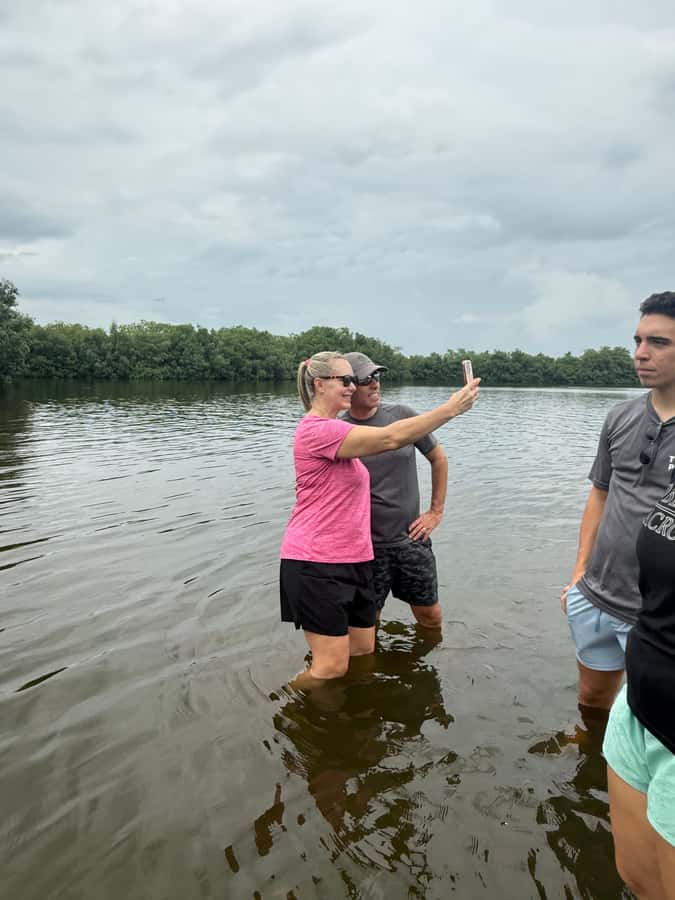
After the initial La Boquilla orientation, the tour includes a stop at a natural island in the middle of the mangrove area. This is where the tour becomes less like a lecture and more like “watch and understand.”
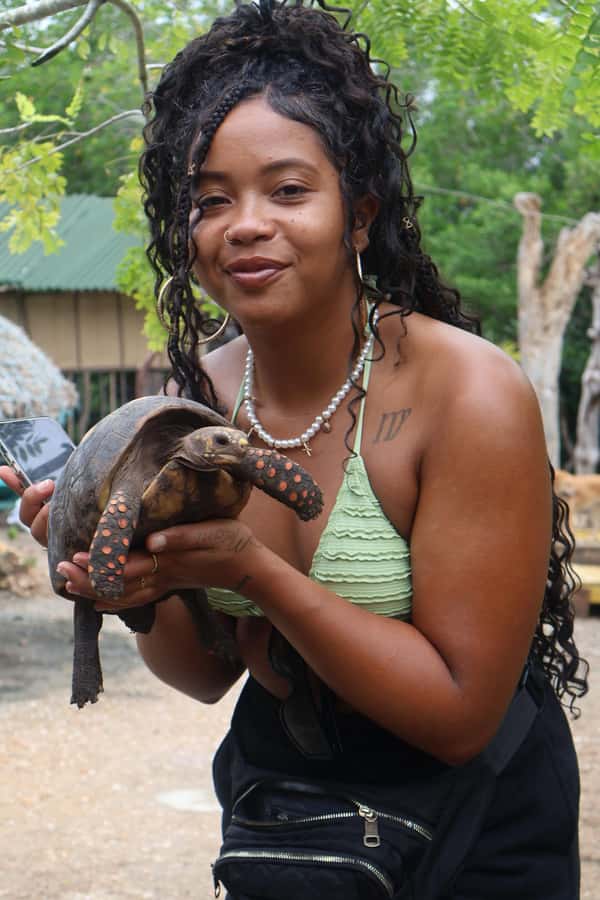
You’ll learn about community activities and see more flora and fauna up close. In feedback, people mention seeing birds and small animals, and at least a few stories include surprises like turtles or other wildlife. I would not plan your trip around guaranteed sightings, but the ecosystem is active enough that you have a real chance to notice things without needing binoculars.
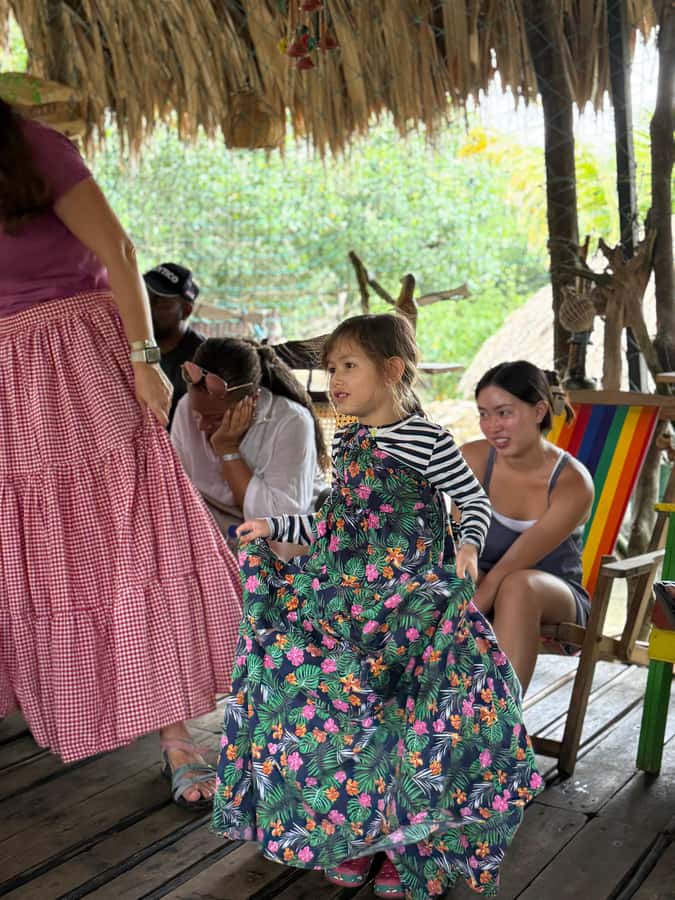
There’s also a cultural layer here. Some groups describe live music and performances during the island stop, including drumming and dancing. It’s not just background entertainment. It’s part of the local expression, and it helps explain how community life and the mangroves feed each other.
One note from feedback: one portion of the natural island stop can feel more structured or tourist-forward to some people. That said, the rest of the tour still tends to land as authentic because the fishing work and community hosting are handled by locals as part of their daily knowledge-sharing.
On the boat, trying traditional fishing with nets and traps
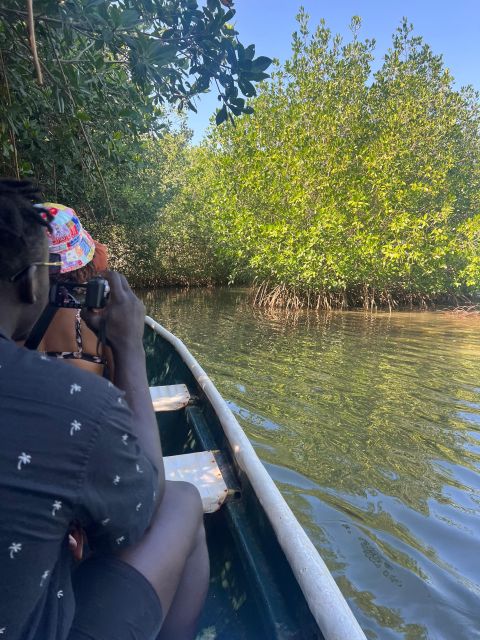
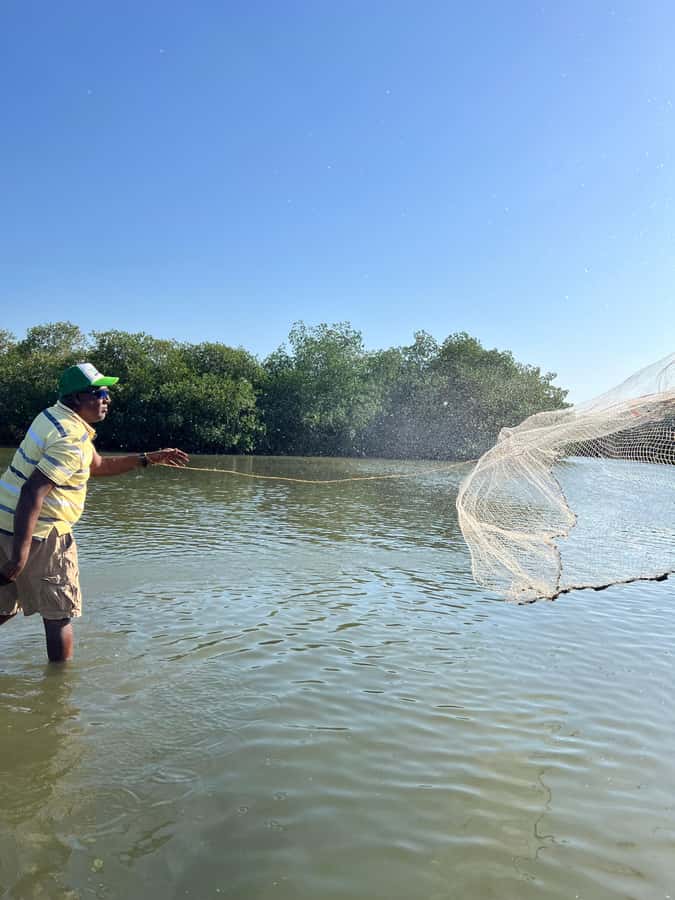
This is the headline part of the experience: traditional fishing techniques, taught in a hands-on way. You’ll get practice using nets and traps, with the emphasis on sustainable and environmentally respectful fishing, like the locals do.
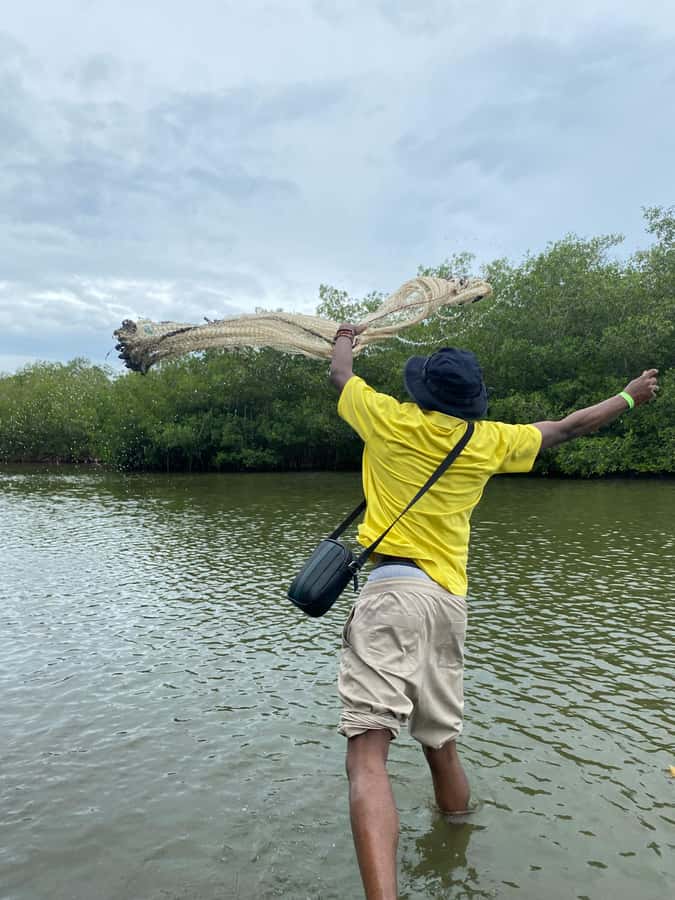
For you, this is valuable because you’re not just watching fishing from a distance. You’re learning the physical skill. Casting a net is harder than it looks from shore, and people who consider themselves bad at fishing still report having fun because the guide team is focused on teaching, not performance.
A few named locals show up in the feedback, including fishermen like Camil (described as a master fisherman) and Enrique (associated with the fisherman island). Other guides mentioned include Andres and Yamil, along with several community guides such as Yeimy, Jamie, and Yemi. Hearing these names matters because it signals you’re dealing with people from the area, not a generic contractor.
You might also see how the group approaches the activity. Some feedback describes opportunities to cast multiple times, and the guides and fisherman adjust so everyone can participate. It’s a shorter tour, so the pacing is important, and the guides consistently keep the flow moving while checking in.
Crab and fish activity as part of the day
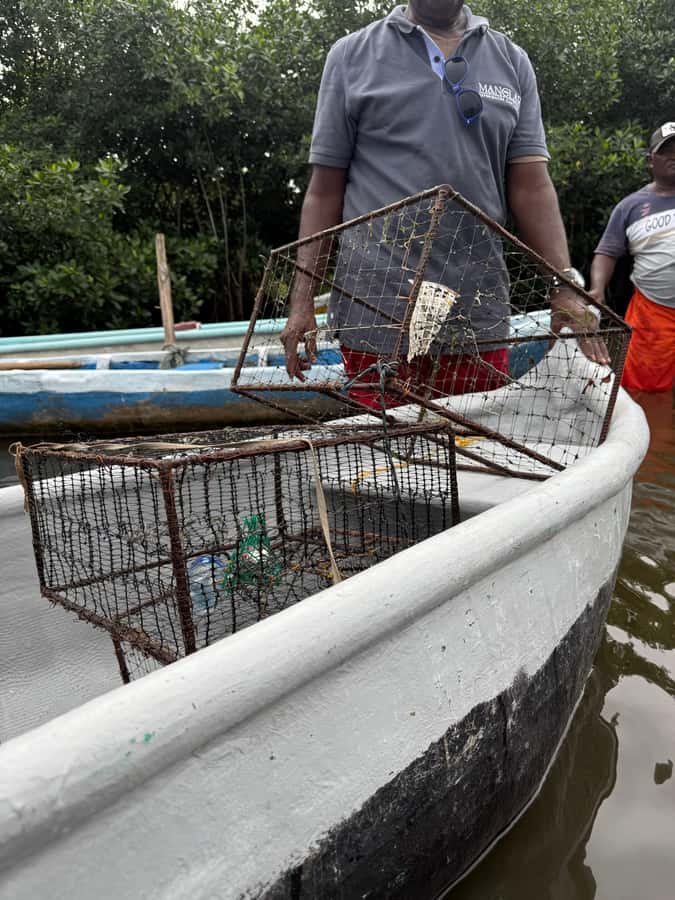
Included in the experience is artisanal crab and fish fishing activity. That blends with the net learning and gives you a wider sense of how local fishing works in mangrove conditions.
If you’re thinking, I only want “boat sightseeing,” this might sound too hands-on. But the experience stays gentle and community-focused, and the sustainable angle gives the activity meaning beyond the thrill of trying something new.
Viewpoint stop: what you’re really gaining from that extra 30 minutes
The itinerary includes a viewpoint portion, around 30 minutes of guided time. I see this as a helpful buffer, because it gives your eyes time to reset.
From a viewpoint, guides can connect what you’ve already learned in the mangroves to the bigger coastal picture: mangrove roots and channels, the way water moves, and why this ecosystem is essential. It also tends to give you a calmer moment after the active fishing lesson, so you’re not only doing one thing for the whole 2 hours.
In practical terms, this stop is also where you can take a breath, grab a photo without rushing, and listen for explanations that only make sense after you’ve traveled through the environment a bit.
Drums, dancing, and the cultural side that feels genuinely local
Culture is not an add-on in this tour. It shows up as part of the island stop, with cultural sampling of drums, and in many groups, dancing is included as well.
A few feedback notes stand out:
- People mention being taught or joining in with drum rhythms
- Some guests were surprised in a good way that the dance portion did not feel staged
- The music and rhythm moments often happen after you’ve already spent time learning and fishing, which makes it feel like a reward, not a distraction
That sequencing matters. You learn about a living ecosystem, you try local fishing skills, then music shows up while you’re still in the mangrove world. It’s a more cohesive experience than the typical “do photos, then leave” tour style.
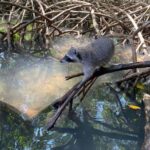
And yes, there are funny moments too. One story describes a raccoon getting into the action on a boat. Those details are often the sign of a relaxed, community-run day.
Duration and value: why $55 can feel like a fair trade
At $55 per person for about 2 hours, you’re paying for more than a boat ride. The experience includes:
- pickup and drop-off
- a welcome natural drink
- entrance to the fisherman island
- native bilingual guidance
- cultural drum sampling
- artisanal crab and fish activity
So where does the value come from? Mainly from inclusion of the local community hosting and the hands-on fishing instruction. Many short tours either focus on views only, or they focus on activity but skip the local context. Here, you get both, plus transportation.
Also, the time is right for most schedules. If Cartagena has already given you enough museum days, this is a change of pace: a calm mangrove setting, a small set of focused activities, and a clear educational theme. If you only have a morning window, people even mention choosing an early departure (like 8am) for a quieter start and fewer crowds.
Who this tour is best for, and who might not love it
This tour fits well if you:
- want something off the main postcard route of Cartagena
- like nature experiences that explain real ecosystem functions
- enjoy hands-on activities, even if you’re not “good” at fishing
- want cultural moments that are connected to the community and daily life
You might not love it as much if you:
- hate heat and sun exposure, because you’ll be outside during boat travel and not every area feels shaded
- want a long, multi-stop tour with lots of free time and minimal participation
It’s also a good family option based on repeated feedback. People mention bringing kids, and the guide teams seem to make the experience fun while still educational.
My booking advice: how to get the most from your 2 hours
Here’s how I’d set you up for a smooth, high-reward visit:
- Choose the option that includes pickup and drop-off. It reduces stress, especially for the return.
- Plan for sun and warm conditions. Bring sun protection so you can focus on the mangroves, not discomfort.
- Be ready to participate when fishing time comes. The net casting part is the heart of the experience.
- If you can, aim for an early start time. People describe mornings as calmer and quieter.
Finally, go in with the right mindset. This isn’t about collecting the perfect photo. It’s about learning how locals read the mangrove environment and practicing a sustainable way of fishing.
Should you book Cartagena Mangrove Eco Tour & Fishing with Transportation?
If you want an experience that mixes mangrove ecology, community culture, and genuine hands-on fishing skills, I think this is an easy yes. The $55 price feels fair because you’re getting transportation, island access, and structured instruction from native bilingual guides, not just a quick boat loop.
Book it especially if you value a calmer, nature-first morning and want to support a local community doing conservation-minded work. Just be sure you’re comfortable with sun and being active for the short duration, because the best moments happen when you’re actually doing the fishing and paying attention to the ecosystem around you.
FAQ
How long is the Cartagena mangrove eco tour?
The tour lasts about 2 hours.
Is hotel pickup included?
Yes. Pickup and drop-off are included, with pickup arranged throughout the city. The pickup is typically about 15 minutes before departure from your hotel area, or you can share where your hotel is so they can coordinate.
What languages are the guides available in?
The live tour guide works in English and Spanish.
What activities are included besides the boat and sightseeing?
You’ll get a welcome natural drink, guided exploration of the mangroves, cultural sampling of drums, and an artisanal crab and fish fishing activity, including learning traditional fishing techniques using nets and traps.
Do I need my own fishing experience?
No. The activity includes instruction on how to use nets and traps in an environmentally friendly way, so you can participate even if you are new to fishing.
Can I cancel and get a full refund?
Yes. Free cancellation is offered up to 24 hours in advance for a full refund.
The Rest of Our Cartagena Reviews

Everything Else We Reviewed in Cartagena


Quiet Water, Loud Birds
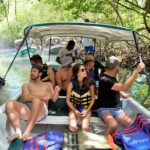
Just added to our Cartagena shelf
- White Night Boat Party: Dinner Buffet, Dancing and Open Bar
★ 4.6 · 3 reviews - The best sunset tour in the bay: Open bar party & fun
★ 5.0 · 3 reviews - Tayrona Park adventure in Santa Marta: Cabo San Juan from Cartagena
★ 3.8 · 3 reviews - Cartagena: Rosario Islands Private Boat Tour
★ 4.8 · 3 reviews - Mud Volcano Tour in Cartagena with Lunch
★ 3.4 · 3 reviews
Mangroves, Birding & Nature Reserves, compared.
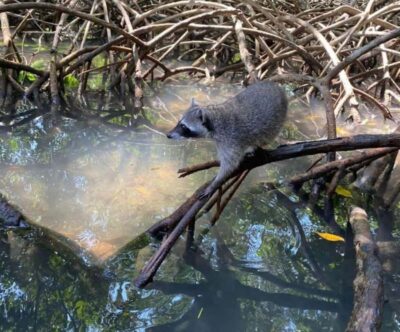 ★ 3.7Full Day Barú island: Mangrove +Snorkel + Sunset + PlanktonFrom $69139 reviews
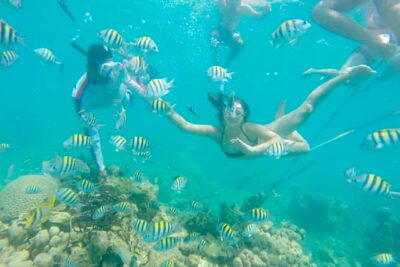 ★ 3.8Cartagena: Snorkel, Mangroves and Playa Blanca Tour132 reviews
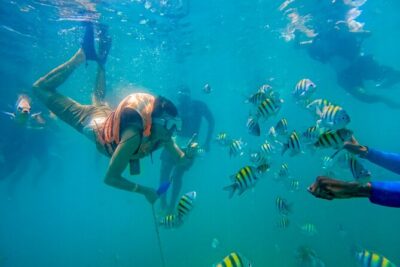 ★ 4.0Adventure full day Isla Barú + Mangroves + Snorkel + bioluminescent planktonFrom $6595 reviews
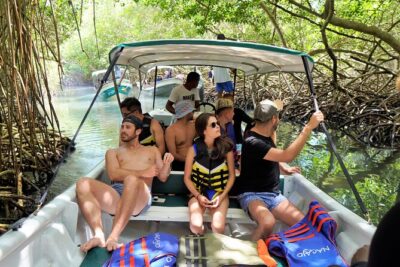 ★ 4.5Magical Full-Day Tour Through The Mangroves And The Beach In Isla de BarúFrom $4590 reviews
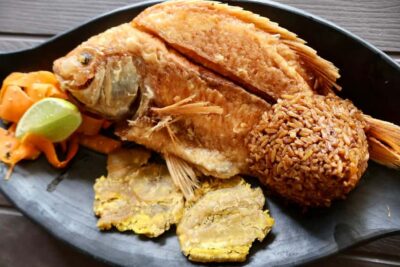 ★ 4.8Typical lunch on beach, mangrove tour & fishing with nativesFrom $8479 reviews
 ★ 4.9Cartagena: Rosario Island and Mangroves Private Day TripFrom $24473 reviews
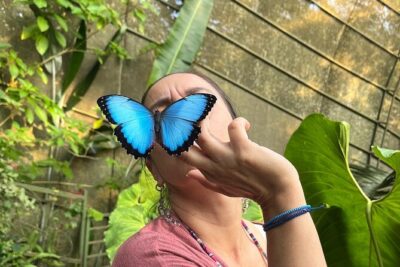 ★ 5.0Admission to Andoke Butterfly Center in Cali with Release RitualFrom $1955 reviews
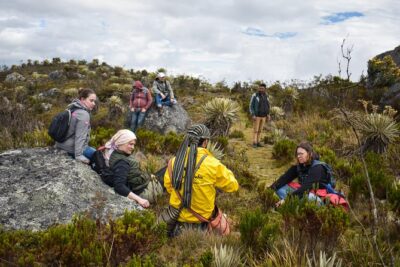 ★ 5.0Sumapaz Páramo Private Hike TourFrom $12152 reviews
Where else this tour turns up