
REVIEW · MANGROVES, BIRDING & NATURE RESERVES
Cartagena: Sail in the mangroves of Cartagena
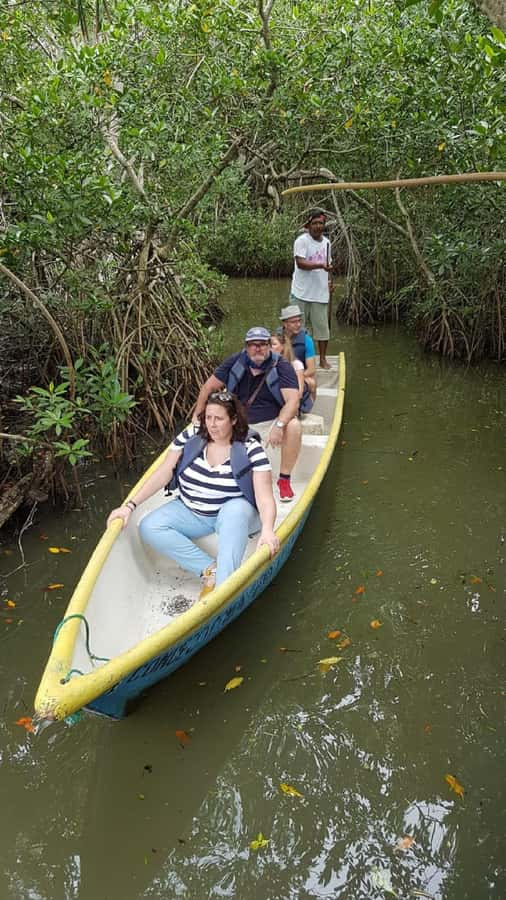
Sailing through Cartagena’s mangroves feels almost unreal. You drift through quiet water, guided by local knowledge, while the Pantano de la Virgen turns into a living wildlife and bird-watching lesson.
I especially love the slow, almost silent canoe navigation and the chance to see mangrove life up close, from crabs to herons. The wildlife spotting, paired with the guide’s stories about the area, makes the time feel focused instead of rushed.
One thing to weigh: this tour does not automatically include a return to your hotel, so you’ll want to confirm your pickup option before you book.
In This Review
- Key things to know before you go
- Sailing the Pantano de la Virgen in a traditional canoe
- Where the tour starts in La Boquilla, and how to plan your timing
- Your route includes 3 tunnel moments, plus open-water sailing
- Wildlife you can actually spot: flamingos, pelicans, herons, and crabs
- The humans side: contact with residents and local work
- Guide quality and language: English and Spanish on the water
- Price and logistics: is $23 worth it, and what you might add?
- Who should book this Cartagena mangrove canoe tour?
- Should you book this Cartagena mangrove sail?
- FAQ
- How long is the Cartagena mangrove canoe tour?
- What is the price per person?
- Where does the tour start?
- Is hotel pickup included?
- Does the tour include a return to the hotel?
- What animals might I see during the tour?
- How many mangrove tunnels are included?
- What languages are the guides?
- Is lunch included?
- Is cancellation free?
Key things to know before you go
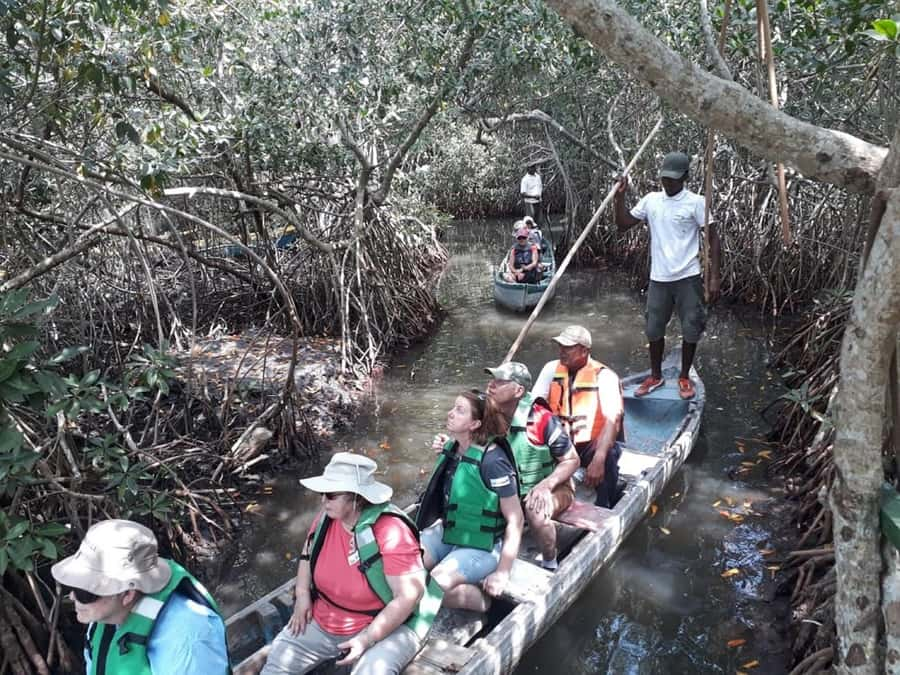
- 3 mangrove tunnels are part of the route, giving you that wow moment when the walls close in.
- You’ll likely see birds like herons and pelicans, plus other species depending on timing.
- The tour includes traditional canoe navigation and a guide who talks through local history and what you’re seeing.
- Hotel pickup is optional and can cost extra depending on where you’re staying, and return may not be included.
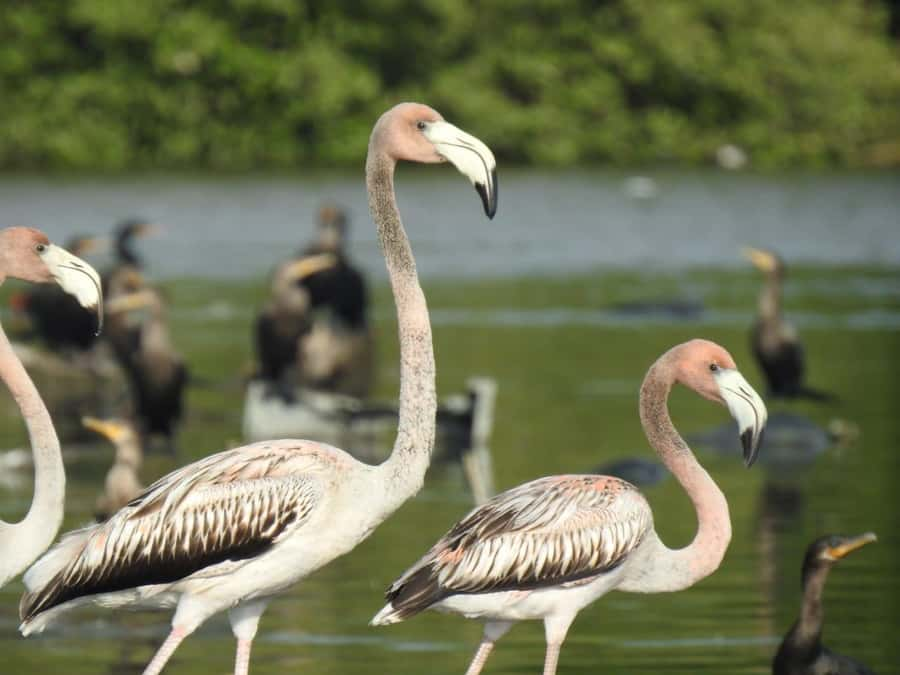
- Expect fauna beyond birds, including flamingos, crabs, amphibians, and reptiles (sightings vary).
- The meeting point is in La Boquilla’s beach and mangrove area, near Caribean Blue and Manglares Hostel.
Quieter reserves, and the birds in them
- Cartagena: Mangrove Eco Tour & Fishing with Transportation★ 4.8 · 185 reviews
- Full Day Barú island: Mangrove +Snorkel + Sunset + Plankton★ 3.7 · 139 reviews
- Cartagena: Snorkel, Mangroves and Playa Blanca Tour★ 3.8 · 132 reviews
- Adventure full day Isla Barú + Mangroves + Snorkel + bioluminescent plankton★ 4.0 · 95 reviews
Sailing the Pantano de la Virgen in a traditional canoe
Cartagena’s mangroves are not just scenery. They are work zones, shelter zones, and feeding zones for wildlife, and the tour gives you a front-row seat to all three. The best part is the pace. You’re not zipping around, you’re sliding through water and listening for what’s moving in the mangrove roots.
What makes this tour click is the blend of nature and explanation. The guide talks about the history and characteristics of the area while you’re still out on the water. That turns random bird spotting into a real sense of place. And because the route includes mangrove tunnels, you get moments where the air changes and you feel the mangroves on a more physical level, not just something you look at from the shore.
I also like that the experience is built around a simple, traditional method of travel. Typical raft navigation (canoe) keeps you low and quiet, which is exactly how you’re able to notice smaller action like colorful crabs or the movement that birds react to.
Where the tour starts in La Boquilla, and how to plan your timing
You’ll meet at the beach and mangrove area of La Boquilla, near Caribean Blue and Manglares Hostel, right by the water. If your hotel is in a designated area, pickup can be arranged, but the key detail is that the mangrove tour itself does not promise a return to your hotel once it’s over.
The schedule depends on what time slots are available, and the activity itself is described as 90-150 minutes. Another detail to keep in mind is that the route includes sailing from Playas Boquilla toward Marlinda and then finishing around Caribe Blue. So even when the “on-water” time is the main focus, you should treat the whole experience like a half-structure plan, not something you can easily turn into a tight add-on.
This is also why transportation planning matters. One review-style takeaway that will help you: getting to the meeting point can be tricky. The area around La Boquilla can feel harder to reach than the main tourist zones, so it’s smart to schedule your transport to arrive early enough to check where everyone is gathering.
Your route includes 3 tunnel moments, plus open-water sailing
Here’s the shape of the experience. You head out to sail from Playas Boquilla toward Marlinda, and as you move through the mangroves, you pass 3 mangrove tunnels. Those tunnels are the route highlights for a reason. They make the mangroves feel like corridors rather than background vegetation.
During this stretch, your guide keeps the trip readable. You’re not just floating. You’re observing. The tour focuses on mangrove flora that’s endemic to the area, so you can start recognizing the plants by the way they grow, and by the role they play in the mangrove environment.
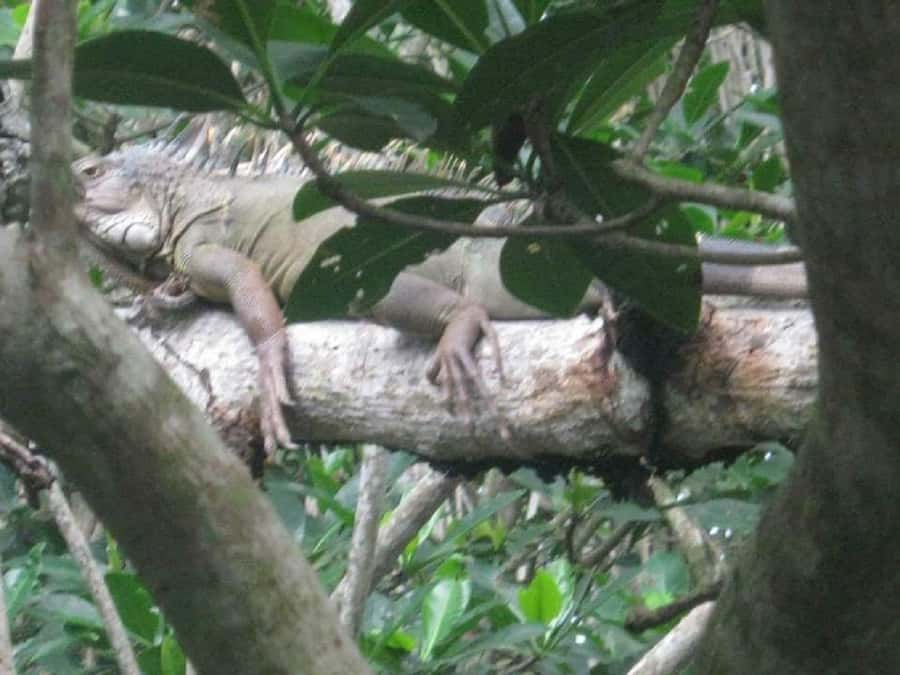
You also get a chance to slow down and watch for animals that only show themselves when you’re quiet. That includes crabs and other small movement in the roots, plus amphibians and reptiles that may appear depending on the conditions and timing.
One practical note: the route is clearly timed, and the tour ends at a fixed point (around Caribe Blue). So plan your next stop with that in mind. If you’re trying to get back quickly, check which pickup option you selected. The information you’re given can include variants where return is or is not included, so confirming early saves headaches.
Wildlife you can actually spot: flamingos, pelicans, herons, and crabs
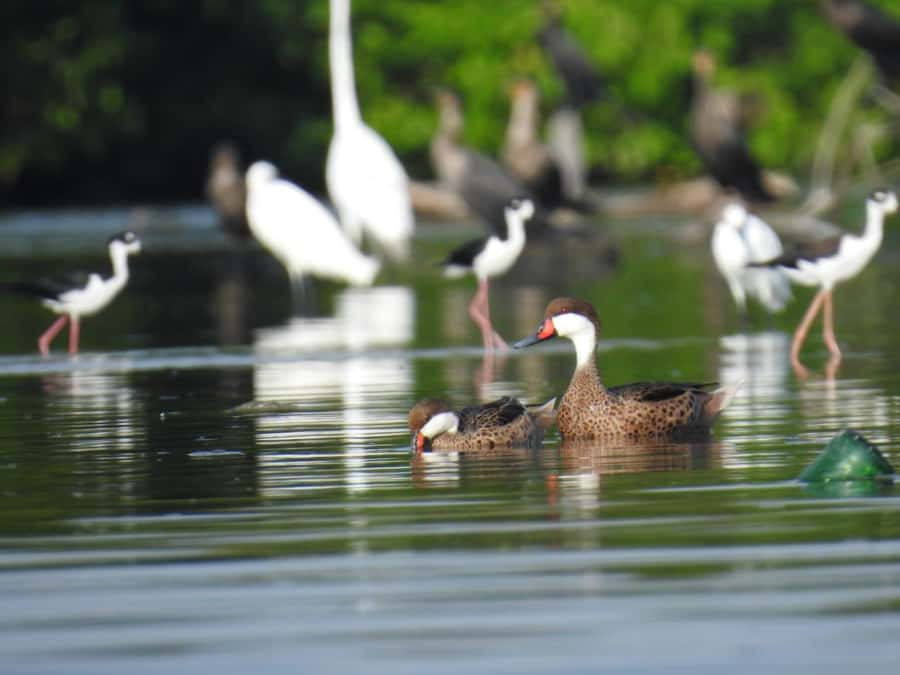
If you love bird watching, this tour is built for you. You’re guided through a mangrove environment where sightings are part of the point, not a bonus. The listed sightings include pelicans, flamingos, and crab sightings, plus birds like herons. The exact species depend on the time of your journey, which is normal for wildlife.
What I like about this isn’t just the “big animals” angle. Mangroves reward attention to details. You’ll learn about the endemic mangrove flora, and you’ll likely notice how the plants create shelter and feeding areas. That makes it easier to understand why birds show up where they do.
You may also spot amphibians and reptiles. Those sightings are naturally less guaranteed than birds, but they fit the broader theme: the mangrove ecosystem is alive, not staged. You’re also told you can observe diverse flora beyond just one type of plant, which keeps the tour from feeling like a single-topic nature lecture.
In a couple of guides, you can feel the difference between “we hope you see things” and “we actively point things out.” One guide named Domingo comes up in a review as patient and fun, and that matters because mangroves can feel visual-confusing when you’re first there. If your guide is good at scanning, you will see more.
Other time on the water around Cartagena


The humans side: contact with residents and local work
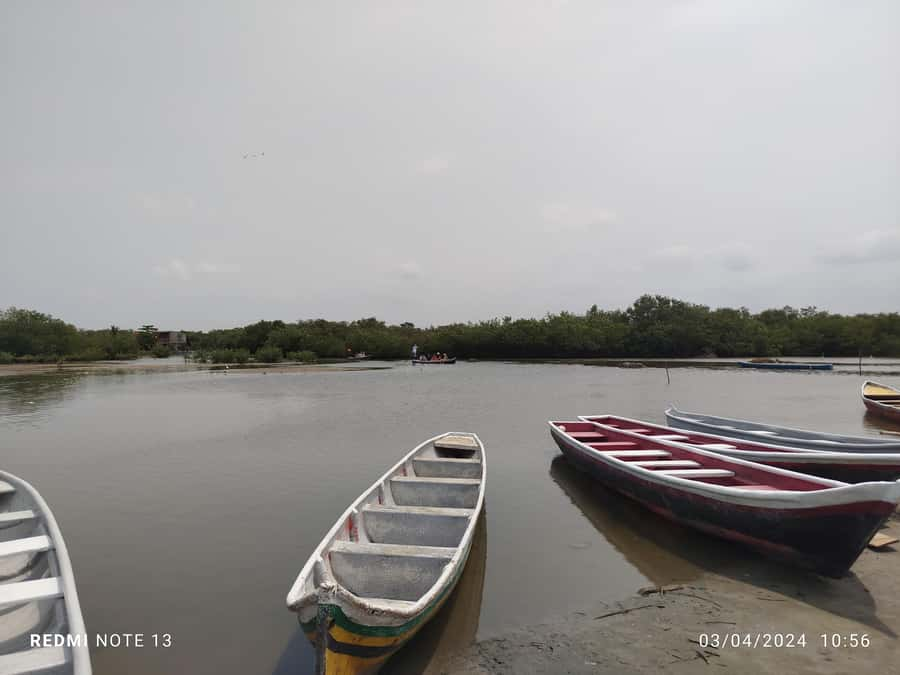
This is where the tour becomes more than nature time. The experience includes contact with residents, and it also points you toward how local people use or interact with the mangrove area. You may get explanations about fishing work as well, since the tour includes discussion of the place’s history and characteristics.
That matters because Cartagena’s mangroves are not a theme park. They’re tied to daily life. When a guide connects what you’re seeing in the roots and tunnels to how people live nearby, the mangrove system stops being “pretty water” and becomes a real local resource.
This kind of local context also tends to be what makes the tour memorable later. You don’t just remember pelicans and tunnels. You remember why the mangroves matter and what residents do in and around them.
One more human detail that’s easy to overlook: communication. The tour provider is AV COL, and one key tip from a recent experience is that communication can be smoother if you contact them directly through WhatsApp for meet-up info. The advice was to find the WhatsApp number by searching online and messaging them ahead of time. It’s not a “do this” for everyone, but it’s a solid safety net if the meeting time feels confusing.
Guide quality and language: English and Spanish on the water
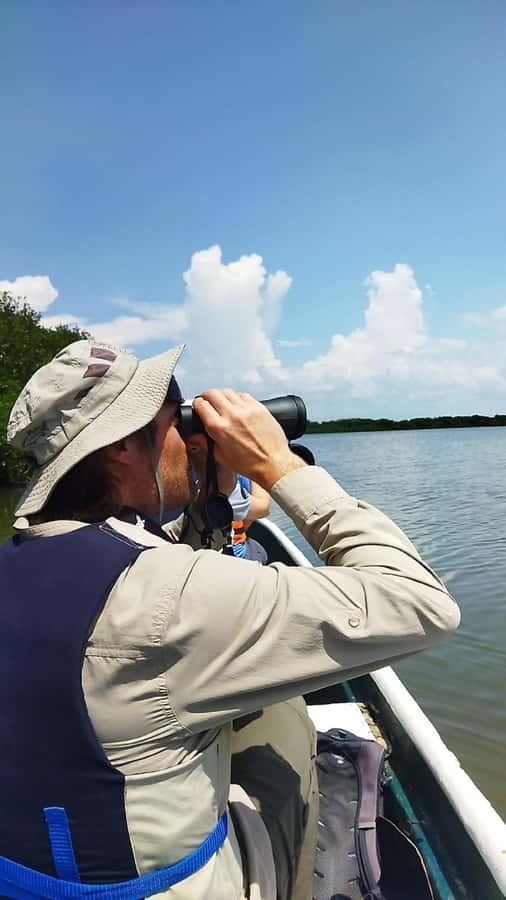
You’ll have a live tour guide available in Spanish and English, and the experience also notes a native English guide option. In practice, this means you can get real explanations, not just “here’s the view.”
The guide’s job here is more than naming birds. They connect the wildlife to the mangrove environment, talk about local history, and help you notice what’s worth noticing while you’re moving through tunnels. That reduces the awkward feeling of staring at roots hoping something happens.
If you’re traveling with kids, this kind of guiding helps too, because the experience gives a clear rhythm of observations. One review mentioned that the guide explained everything and kept the experience enjoyable, and that’s exactly what you want when the entire tour depends on quiet attention.
Also, because this is described as a private group, you’re not stuck in a big crowd where questions get lost. Private guiding usually means more responsiveness, and more chance to adjust if your group wants to linger on something you’re actually seeing.
Price and logistics: is $23 worth it, and what you might add?
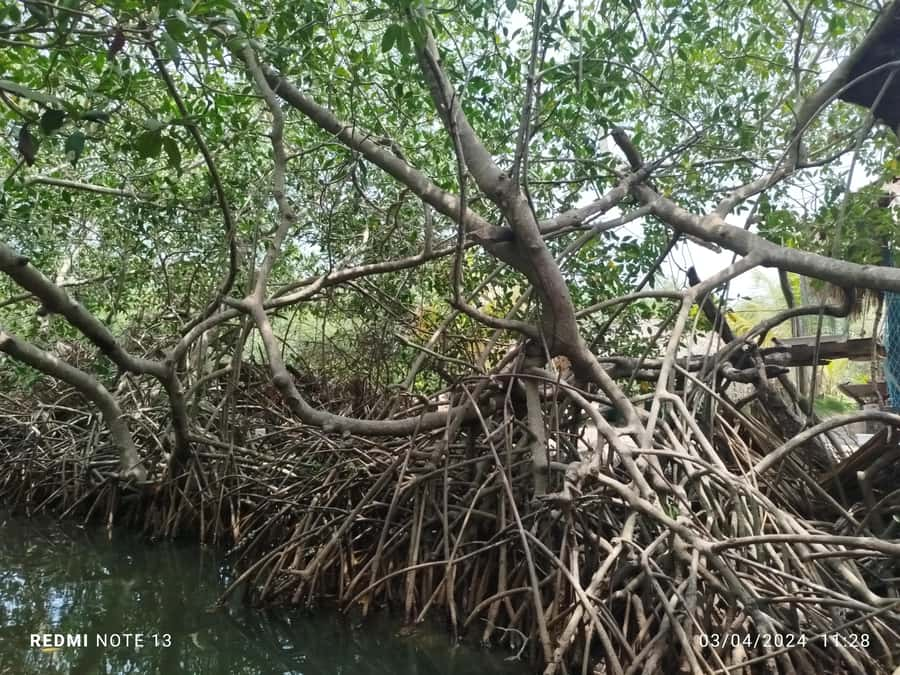
The price is listed as $23 per person, with a tour duration of 90-150 minutes. For many people, the value comes from what’s included: a guide, canoe navigation, water bottle, and the structured experience of sailing through 3 mangrove tunnels while observing endemic mangrove flora and multiple types of wildlife.
That said, don’t ignore the transportation variables. There’s optional hotel pickup, and the extra cost depends on your location, noted as between 4 and 10 USD. Another part of the info says the extra cost can be 10 USD for a trustworthy vehicle arranged for you. So your real all-in cost may be higher than the base price if pickup is important.
Also, note the end point. The tour does not include return to the hotel once it’s over. So if you want a true end-to-end convenience, check the option you’re selecting. One part of the info says there are multiple pickup options, including one that has return to the hotel, but the general rule still warns that return is not included by default.
Finally, a small but practical detail: there’s no lunch included. The tour also mentions a cold coconut for 3 USD. That’s useful if you want a light treat, but it’s not a substitute for a meal.
Who should book this Cartagena mangrove canoe tour?
Book this if you want wildlife without the pressure of a jam-packed day. The combination of bird watching, crabs, and mangrove tunnels works well for nature lovers, people who enjoy calm activities, and anyone who likes learning while still being outdoors.
You’ll also like it if you’re the type who enjoys guided observation. The tour is clearly designed around the guide pointing things out: flamingo and pelican sightings, crab spotting, mangrove flora, and the chance of amphibians and reptiles depending on conditions.
If your main travel goal is big-city highlights, this might feel too quiet. This is about subtlety, patience, and attention. Think “drift and watch,” not “see everything in one day.”
And if you dislike uncertainty around transport, it’s worth doing a bit of prep. The meeting point is real and specific, and reaching it can be harder than reaching the most central areas. One review even flagged that the transfer to the tour location can be inefficient, including a small car being sent for a group. That does not mean it will happen to you, but it’s a reminder to confirm your pickup and plan extra time.
Should you book this Cartagena mangrove sail?
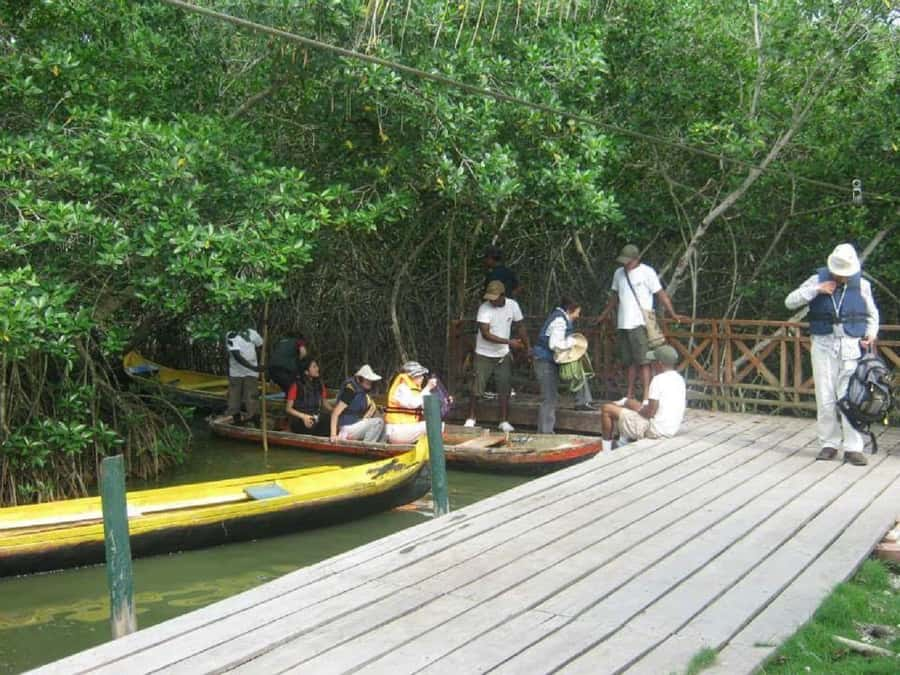
I’d recommend booking if mangroves and birds are your kind of travel. The value is strong for the price: a guided canoe experience, 3 tunnel passages, and a clear wildlife focus, all in about 90-150 minutes. The biggest reasons to say yes are the quiet canoe time and the chance to see more than one kind of animal, from birds to crabs.
I’d hesitate only if you need guaranteed return transport to your hotel and you haven’t confirmed your pickup option. The tour ends at Caribe Blue, so your day plan needs to match that.
If you do book, message AV COL in advance for meet-up clarity, and treat transportation as part of the experience planning, not an afterthought. Do those two things, and you’ll be in the best position to enjoy what the mangroves do best, calm water, bird calls, and that strange, peaceful feeling of moving through a living tunnel.
FAQ
How long is the Cartagena mangrove canoe tour?
The activity lasts about 90-150 minutes.
What is the price per person?
The price is listed as $23 per person.
Where does the tour start?
The meeting point is at the beach and mangrove of La Boquilla, near Caribean Blue and Manglares Hostel.
Is hotel pickup included?
Hotel pickup is optional. There are different pickup options, and one of the options includes pickup, while another option includes pickup and return to the hotel.
Does the tour include a return to the hotel?
The information notes that the tour does not include return to the hotel once the tour is over, unless you choose an option that includes return.
What animals might I see during the tour?
The tour includes wildlife observation such as flamingo sightings, pelican sightings, crab sightings, and observation of various birds depending on the time of your journey. Amphibians and reptiles may also be seen.
How many mangrove tunnels are included?
You sail through 3 mangrove tunnels.
What languages are the guides?
The guide offers Spanish and English.
Is lunch included?
No, lunch is not included.
Is cancellation free?
Yes, you can cancel up to 24 hours in advance for a full refund.
The Rest of Our Cartagena Reviews
On the Water Around Cartagena

Quiet Water, Loud Birds
Just added to our Cartagena shelf
- White Night Boat Party: Dinner Buffet, Dancing and Open Bar
★ 4.6 · 3 reviews - The best sunset tour in the bay: Open bar party & fun
★ 5.0 · 3 reviews - Tayrona Park adventure in Santa Marta: Cabo San Juan from Cartagena
★ 3.8 · 3 reviews - Cartagena: Rosario Islands Private Boat Tour
★ 4.8 · 3 reviews - Mud Volcano Tour in Cartagena with Lunch
★ 3.4 · 3 reviews
Mangroves, Birding & Nature Reserves, compared.
 ★ 4.8Cartagena: Mangrove Eco Tour & Fishing with TransportationFrom $55185 reviews
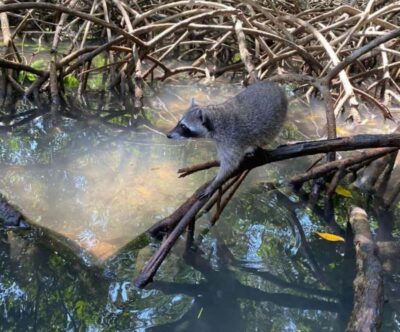 ★ 3.7Full Day Barú island: Mangrove +Snorkel + Sunset + PlanktonFrom $69139 reviews
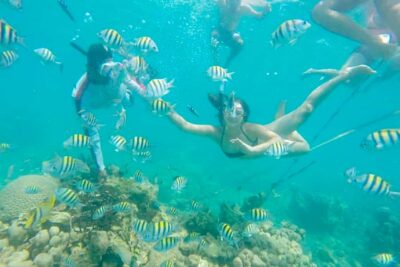 ★ 3.8Cartagena: Snorkel, Mangroves and Playa Blanca Tour132 reviews
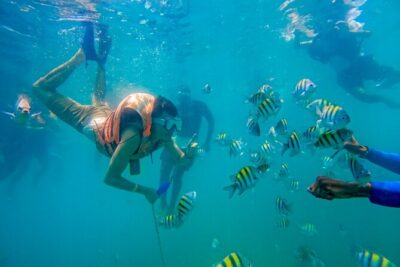 ★ 4.0Adventure full day Isla Barú + Mangroves + Snorkel + bioluminescent planktonFrom $6595 reviews
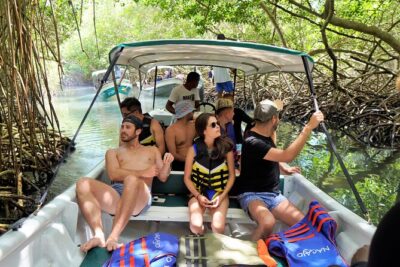 ★ 4.5Magical Full-Day Tour Through The Mangroves And The Beach In Isla de BarúFrom $4590 reviews
 ★ 4.8Typical lunch on beach, mangrove tour & fishing with nativesFrom $8479 reviews
 ★ 4.9Cartagena: Rosario Island and Mangroves Private Day TripFrom $24473 reviews
 ★ 5.0Admission to Andoke Butterfly Center in Cali with Release RitualFrom $1955 reviews
Where else this tour turns up