
REVIEW · COLOMBIAN COFFEE FARM TOURS
Coffee, Cocoa and Trekking Tour in Minca: Nature, Crops and Production
Coffee, cocoa, and trail time in Minca. I love the start-to-finish coffee and cocoa explanation, from cultivation through processing. I also love the tasting of organic coffee and handmade cocoa right where it is made. The main tradeoff is simple: this is a hike with an uphill feel, so you need decent walking comfort.
You’ll spend time moving through Sierra Nevada scenery and learning how the region’s climate bands (thermal floors) support different plants, animals, and farming. I like that the tour ties the flavors to real agriculture, native trees, and cool river moments, not just tasting for tasting’s sake. Bring a steady pace mindset, and you’ll enjoy the route more.
Guides lead in Spanish and English, and the experience is described as fully customized. In the same tour format, I’ve seen guides credited such as Albert, John, and Jorge, so ask questions and get specifics. If you prefer a totally relaxing, flat stroll, this one may feel like too much.
In This Review
- Quick hits before you go
- Why this coffee and cocoa trek in Minca feels different
- The sustainable farm lesson: coffee and cocoa from plant to product
- Stop 1: Parque de Minca start point and getting your bearings
- Stop 2: Puente de Minca, an hour of guided trail time
- Stop 3: Minca Park, where the tour slows down for meaning
- Stop 4: Finca San Rafael, the production and tasting payoff
- What to really taste: how to make your coffee and cocoa tasting work for you
- Views, wildlife, and the Sierra Nevada factor
- Pace and fitness: who this tour suits best
- What to bring so the hike stays comfortable
- Price and value: is $41 worth it?
- A few practical considerations before you go
- Should you book this Minca coffee and cocoa trekking tour?
- FAQ
- How long is the coffee, cocoa and trekking tour in Minca?
- Where does the tour start and end?
- What is included in the tour price?
- Is food included?
- Are beverages included?
- Do I need my own transportation to Minca?
- What languages are the guides?
- Who should not book this tour?
- What should I bring for the hike?
- Are there restrictions on alcohol or other items?
Quick hits before you go
- Real farm lesson on coffee and cocoa: how cultivation, harvesting, and transformation work on a sustainable farm
- Tasting where the crop grows: organic coffee and handmade cocoa are part of the core experience
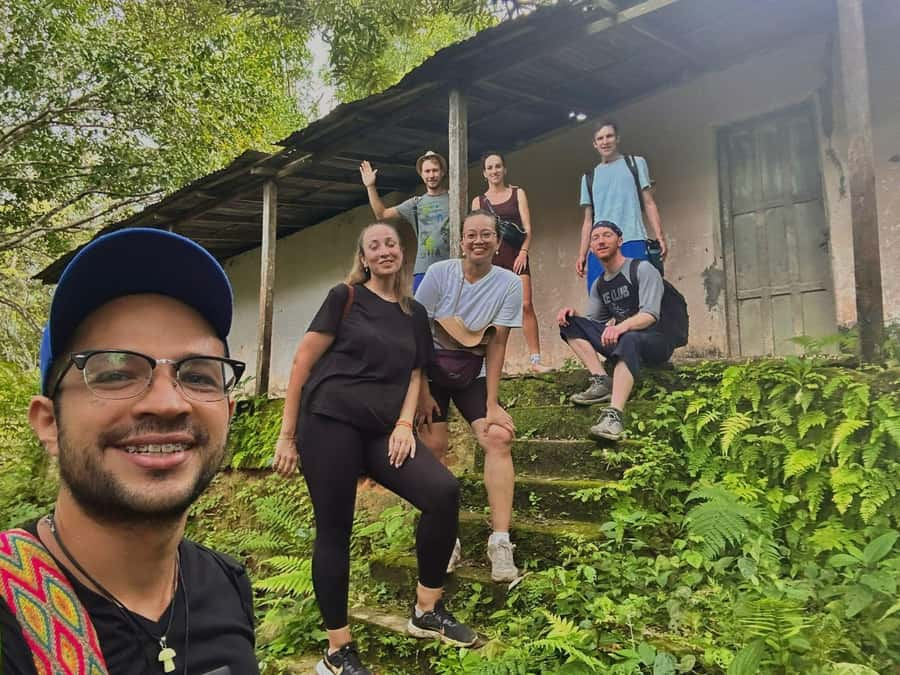
- Trail time in the Sierra Nevada: guided hiking with native flora and fauna observations
- Water breaks and scenic rest stops: access to natural water sources plus panoramic viewpoints
- Minca context woven in: how coffee and cocoa connect to local economy, culture, and identity
- Guides you can talk to: specialists who handle Spanish or English and answer lots of questions
Other farms where the cup starts on the branch
Why this coffee and cocoa trek in Minca feels different
Minca tours can be all views and no meaning. This one pairs the trail with production, so you understand what you are tasting. You’re not just walking past plants, you’re learning why these crops matter here.
I also like that it’s community-based. The tour is designed around a local farm with an education-first approach, plus direct contribution to the local community and conservation of the environment. That makes the experience feel less like a one-off stop and more like a relationship with the place.
The timing also works well. In about 4.5 hours, you get a farm visit, tastings, and a guided hike. That’s a good value if you are using Minca as a base and want something active but not all-day long.
The sustainable farm lesson: coffee and cocoa from plant to product
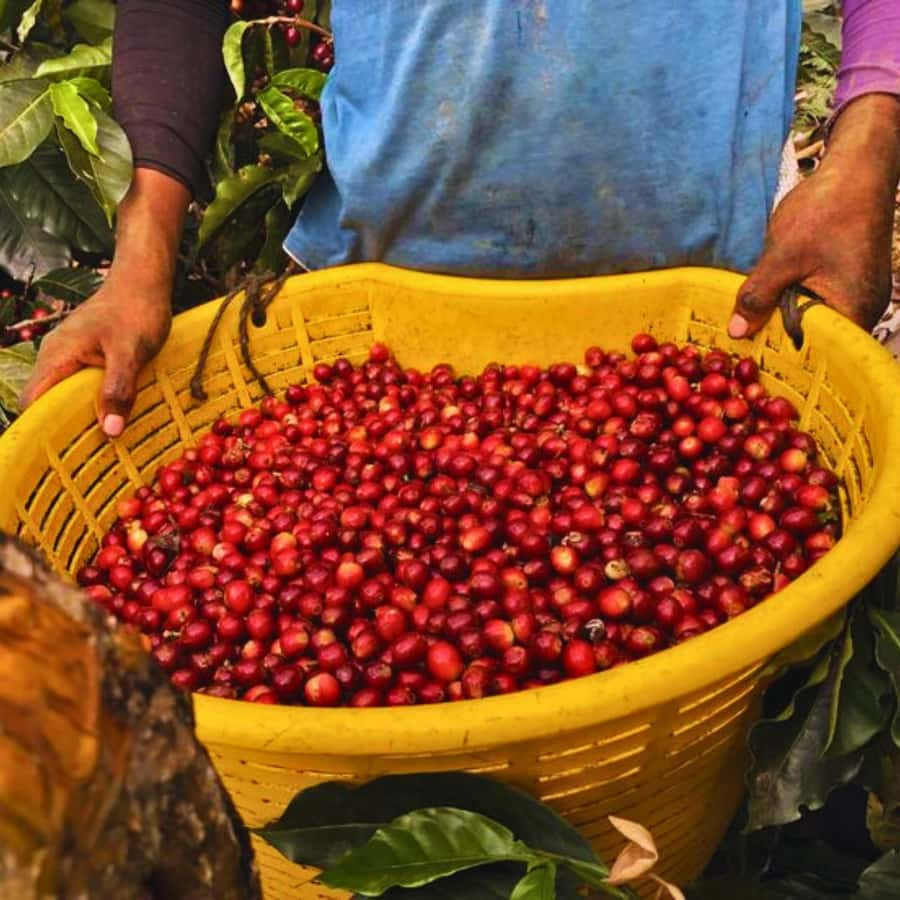
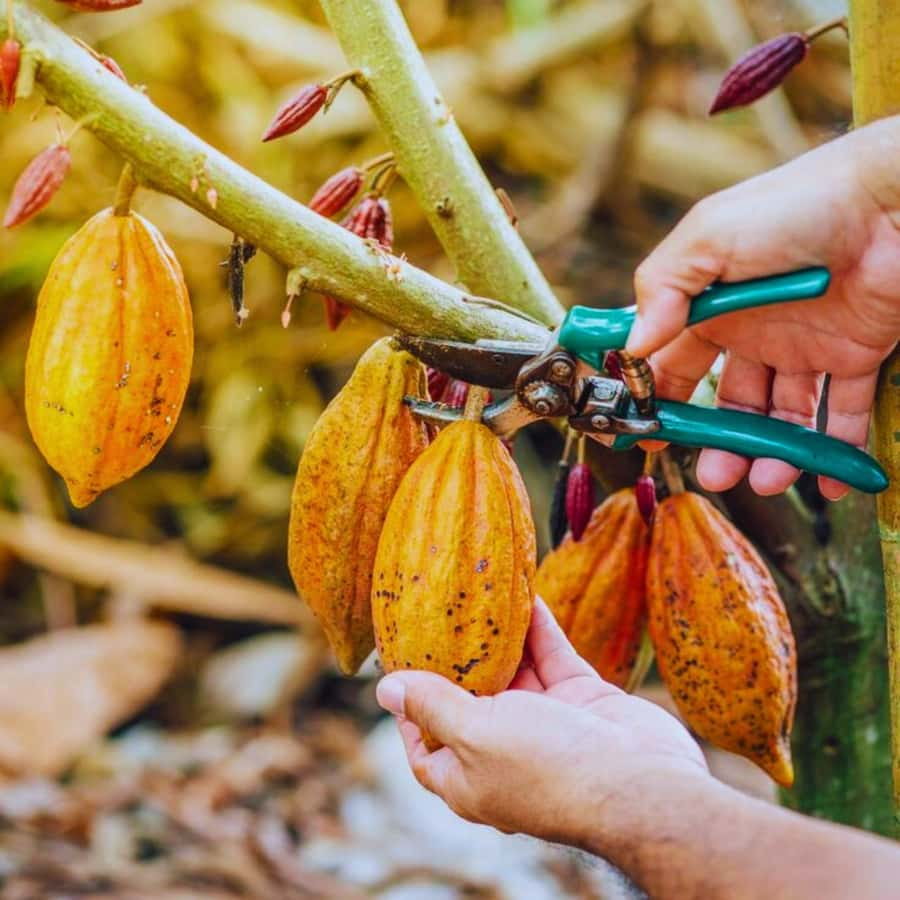
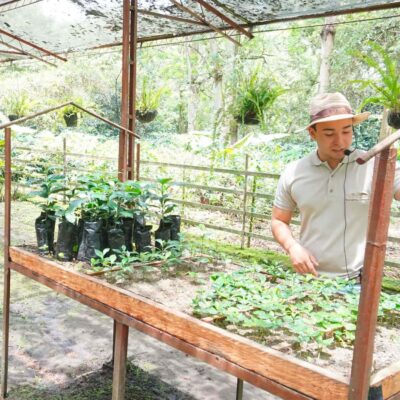
This is the heart of the tour. You’ll visit a sustainable farm where farmers from the Sierra Nevada share how coffee and cocoa are grown and transformed. What stands out is the way the explanation is framed as both traditional and increasingly agroecological, meaning practical farming methods that protect the ecosystem.
Here’s what this means for you on the ground:
- You learn the cultivation and harvesting flow, not just the final cup or bar.
- You get the processing steps and how they connect to quality and flavor.
- You’re shown how sustainable agriculture practices fit into the surrounding biodiversity.
And then comes the part most people remember. You taste handcrafted cocoa and organic coffee. That tasting lands better after you’ve seen the effort behind it. Instead of saying, this is good, you’ll start noticing what changes based on how the crop is handled.
Stop 1: Parque de Minca start point and getting your bearings
The tour begins at the Central Park area of Minca, where the church or small chapel is located. It’s a friendly setup because you can typically meet easily and orient yourself in the town center.
If you’re arriving from Santa Marta or from another Minca spot, I recommend showing up a few minutes early. You’ll want time to confirm you have comfortable shoes on, water in your bag, and sunscreen ready. Once you start walking, you’ll be in trekking mode.
Stop 2: Puente de Minca, an hour of guided trail time
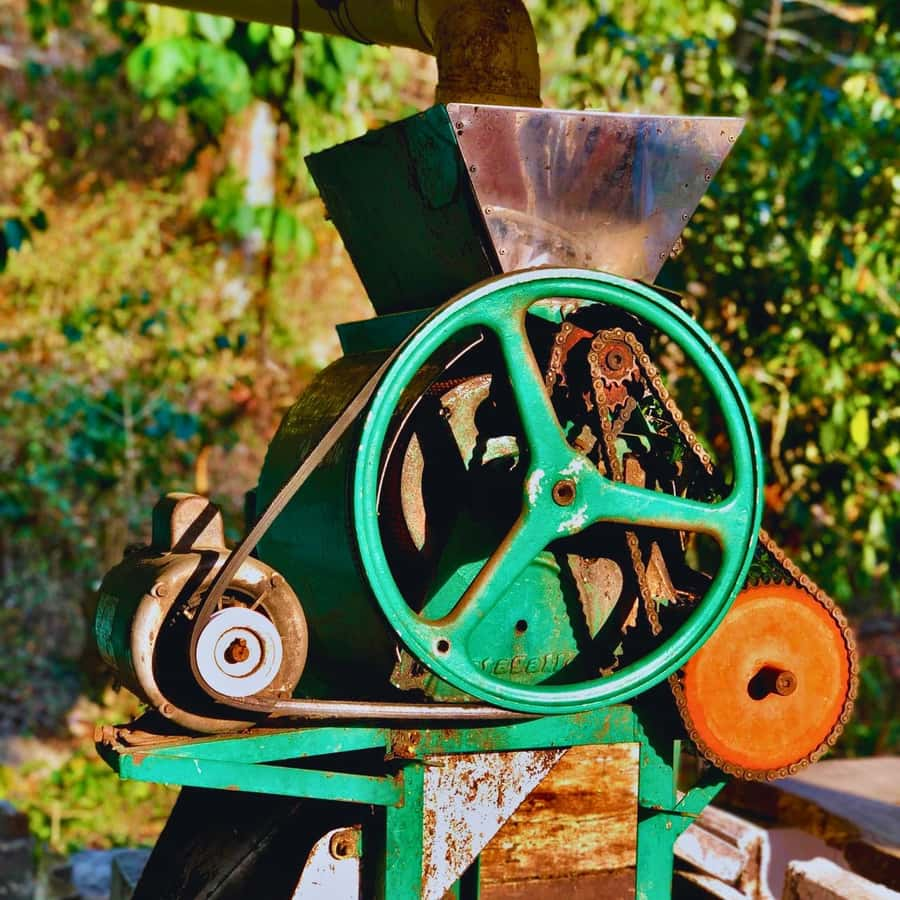
Puente de Minca is your first guided section, listed at about 1 hour. This portion matters because it gets you into the rhythm of the route: hiking, stopping for context, and noticing what the guide points out.
What I like about this early stage is that it sets expectations. You’ll understand how the trail feels, what kinds of plants you might see, and how the guide connects the environment to agriculture. If you’re unsure about your comfort level, this is the moment to adjust your pace.
Other ways into Tayrona and along that coast
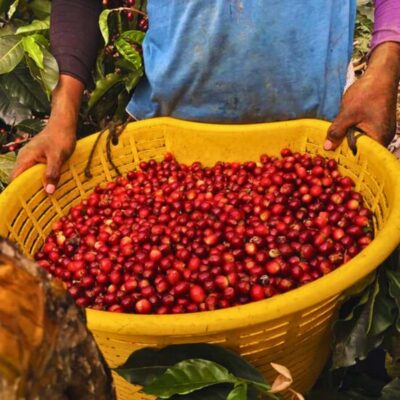
Stop 3: Minca Park, where the tour slows down for meaning
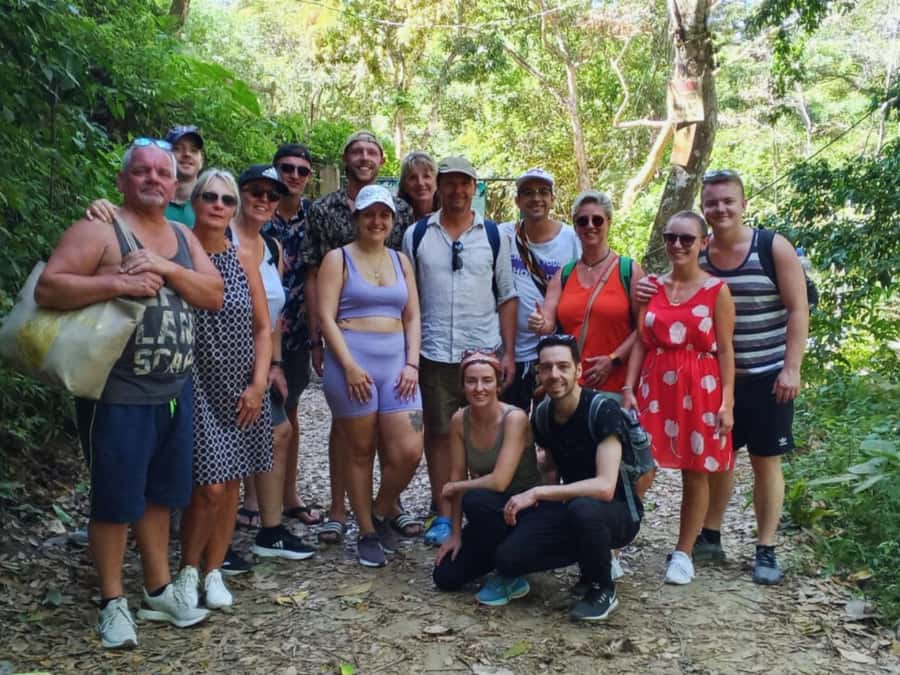
The Minca Park portion is the long guided segment, listed at around 3 hours. This is where the tour becomes more than a simple walking activity.
You’ll hear how multiple thermal floors in the Sierra Nevada de Santa Marta support a wide range of flora and fauna, and how those fertile conditions helped communities develop agriculture that can handle change. That context is useful. It explains why coffee and cocoa are so tied to local identity.
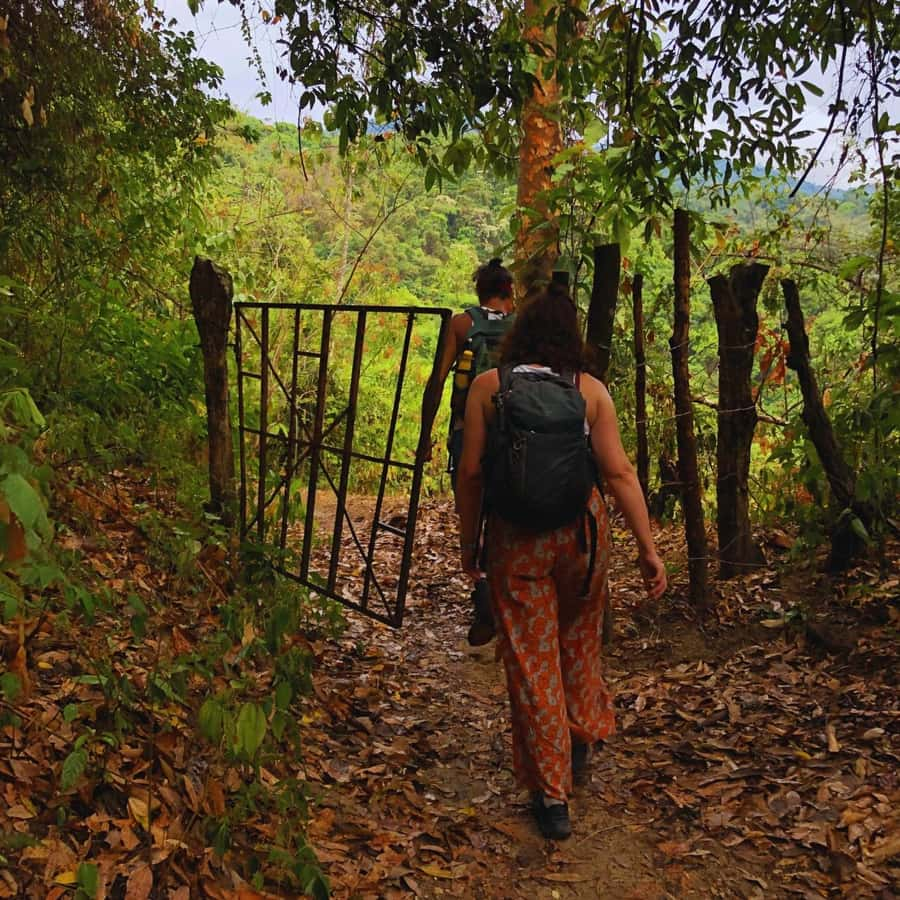
During this stage, the guide also points out native plants and observations along the way. You get rest areas with panoramic views, and you can use natural water sources for refreshment. It’s not just about pushing onward, it’s about stopping long enough to connect.
One practical note: with a longer park segment, your shoe choice matters more than you think. Wet spots, mud, or uneven ground can happen on tropical trails. Comfortable hiking shoes beat sneakers if you want less stress.
Stop 4: Finca San Rafael, the production and tasting payoff
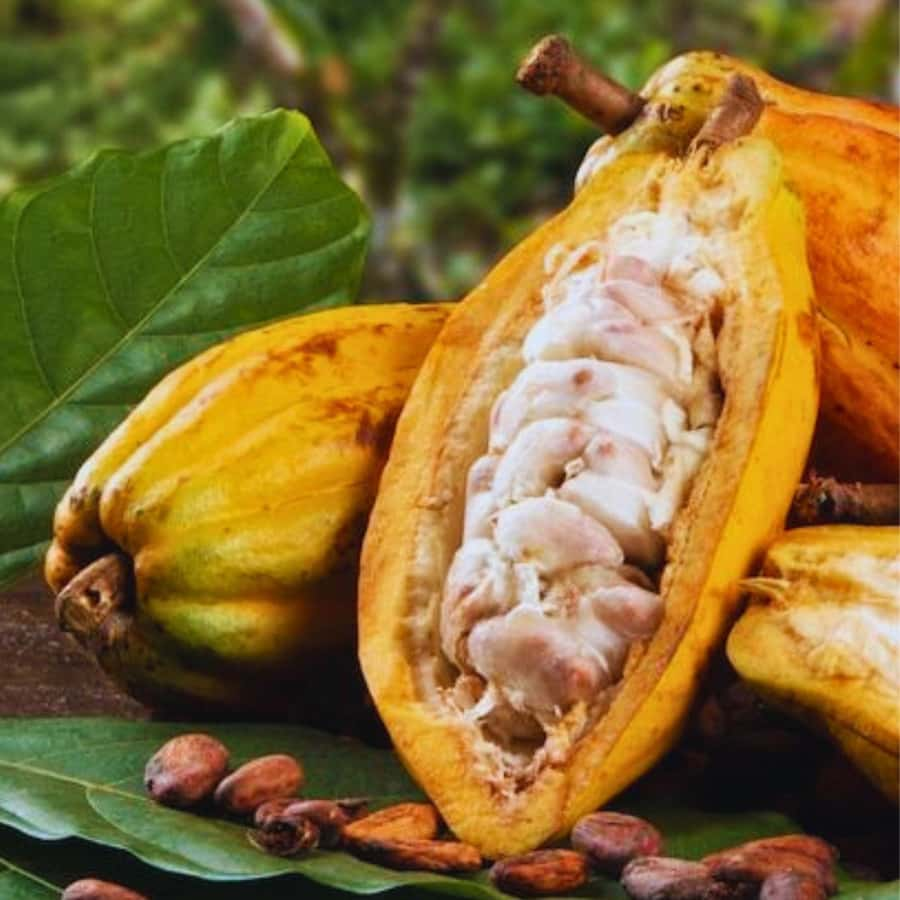
The final farm stop is at Finca San Rafael. This is where the tour’s title becomes real in your hands and on your taste buds.
Here’s what you’re getting at this stage:
- You’ll continue the sustainable agriculture explanation focused on coffee and cocoa.
- You’ll see how crops are transformed from what the farmers grow into what you eventually taste.
- You’ll enjoy the organic coffee and handmade cocoa tasting included with the tour.
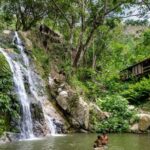
This is also where some people get a chance to connect the tour to a scenic water moment, such as a waterfall area with a natural lake where you might cool off. That part isn’t guaranteed in every situation, but the tour’s emphasis on natural water sources makes it a reasonable expectation to plan for.
What to really taste: how to make your coffee and cocoa tasting work for you
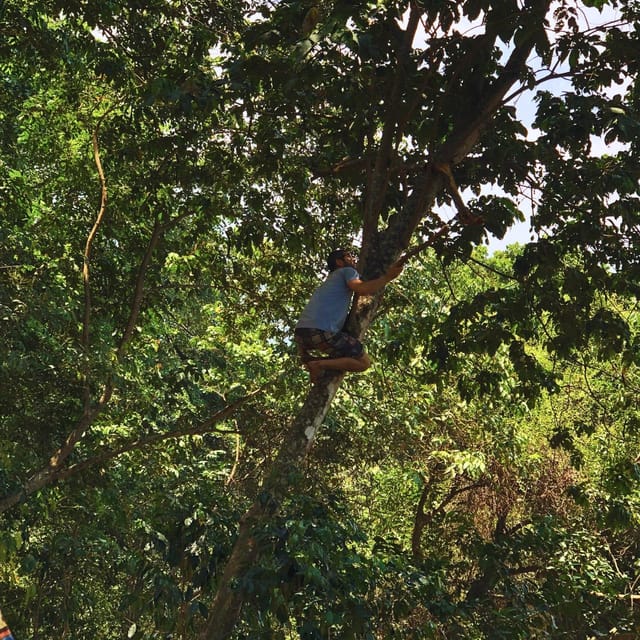
The tastings are included, so you should treat them like part of the lesson, not a bonus.
If you want to get more out of it, I suggest you do three quick things:
- Ask where the coffee was grown and how it’s processed, then notice how your expectations change.
- Compare cocoa flavor after you understand the processing steps, not before.
- Take a moment to ask which practices are meant to support the land, since the tour frames sustainability as part of the flavor story.
Since the tour is guided by someone specialized in coffee, cocoa, and biodiversity, you’ll usually get answers that go beyond generic descriptions. If you’re picky about taste, this is a nice way to learn without needing to be an expert.
And yes, it can feel slightly surreal to taste fresh coffee and cocoa tied to a short walk you just completed. That connection is exactly why this kind of tour works.
Views, wildlife, and the Sierra Nevada factor
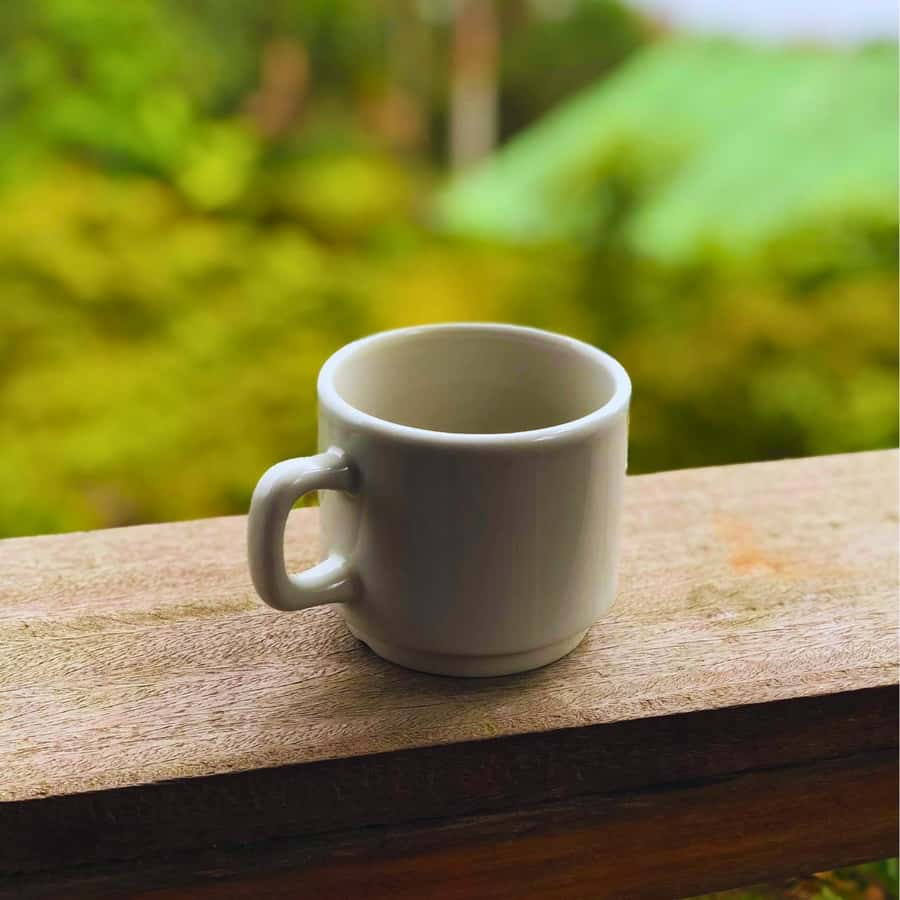
Even if you’re not chasing wildlife photos, you’ll get the payoff through what you notice on the trail: native flora, water sources, and strategic viewpoints.
The tour specifically describes the Sierra Nevada de Santa Marta as a place shaped by multiple thermal floors. That matters because it means you might pass through different environmental vibes during the hike, even within a half-day. The guide can connect those shifts to what grows there and how farmers work with the land.
You’ll also hear about contrasting scenery, including mist-covered mountains, green jungle tones, and distant glimpses toward the Caribbean Sea. Even if you don’t catch a perfect panoramic moment every time, you will likely get repeated viewpoint pauses that help you orient the region.
Pace and fitness: who this tour suits best
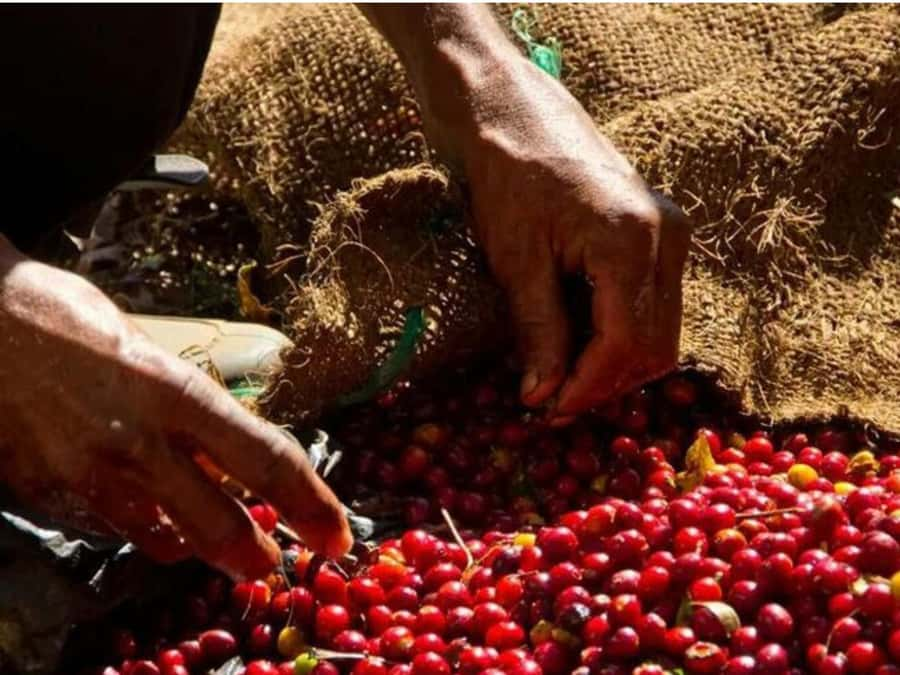
This is not a stroller-friendly plan, and it is not designed for a fully relaxed pace. It’s a guided hike with meaningful stops, plus an uphill feel that is worth respecting.
It’s especially well-suited for you if:
- You like hands-on learning, and you enjoy asking questions.
- You want a half-day in Minca that combines nature and agriculture.
- You’re comfortable walking on uneven trail and wearing hiking shoes.
It may be a poor fit if you:
- Need very flat ground.
- Have respiratory issues.
- Prefer not to do any incline.
The tour also says it is not suitable for children under 8 and for pregnant women. It also lists not suitable for older adults, with multiple age thresholds listed, so it’s smart to ask the provider directly if age or health is a factor for you.
What to bring so the hike stays comfortable
The packing list is practical and you should follow it. This is a tropical, trail-focused experience.
Bring:
- Comfortable shoes, ideally hiking shoes
- Water and a reusable water bottle
- Biodegradable sunscreen and biodegradable insect repellent
- A hat and clothes that can get dirty
- Waterproof clothing if rain is possible, plus trekking gear if you have it
- Hiking pants or similar coverage for trail comfort
I’d add one small tip: keep your sunscreen and repellent easy to access. If you wait until you feel cooked, you’ll lose time and comfort during rest stops.
Price and value: is $41 worth it?
At $41 per person for about 4.5 hours, the value depends on what you want from Minca.
This price is not just buying a walk. It includes:
- A local guide specialized in coffee, cocoa, and biodiversity
- A visit to a sustainable farm with cultivation and production explanations
- Tastings of organic coffee and handmade cocoa
- Guided hike through natural trails
- Native flora and fauna observations
- Rest areas with panoramic views and access to natural water sources
- Assistance insurance during the activity
- Direct contribution to the local community and environmental conservation
If you care about food origins, learning, and actually tasting what you see, it’s a fair deal. If you only want a scenic stroll and don’t care about farm production, you might feel it’s more activity than you planned. But for most people who choose this theme, it’s priced in the right zone.
A few practical considerations before you go
You’ll want to plan around what is not included. Food and beverages are not part of the tour, and transportation is also not included. So either come with a snack plan or plan to eat before or after.
Also note the rules:
- No alcohol or drugs
- No weapons or sharp objects
- No baby strollers
- Nudity is not allowed
Finally, the guide languages are Spanish and English. If you speak neither, you might want to confirm in advance that the guide team can meet your needs, but the tour explicitly supports these languages.
Should you book this Minca coffee and cocoa trekking tour?
Book it if you want a half-day that gives you both a trail and a real production story. You’ll leave understanding how coffee and cocoa connect to the land, the community, and the flavors you taste.
Skip it if you want only relaxation, or if uphill walking is hard for you. The tour is designed around nature walks and farm learning, so enthusiasm for movement and questions will make it better.
If you’re on the fence, use this checklist:
- Comfortable walking on uneven ground: yes
- Interested in coffee and cocoa production: yes
- Prefer food tastings tied to a real farm lesson: yes
- Want food and drinks provided: not required for you
If that sounds like you, this is one of the better ways to spend your time in Minca.
FAQ
How long is the coffee, cocoa and trekking tour in Minca?
The tour duration is listed as 4.5 hours.
Where does the tour start and end?
The tour starts at the Central Park of Minca, near the church or small chapel. It ends back at the same meeting point.
What is included in the tour price?
You get a local guide specialized in coffee, cocoa and biodiversity, a visit to a sustainable farm with an explanation of cultivation and production, tastings of organic coffee and handmade cocoa, a guided hike, observation of native flora and fauna, rest areas with panoramic views, access to natural water sources, assistance insurance during the activity, and a direct contribution to the local community and environmental conservation.
Is food included?
No, food is not included.
Are beverages included?
No, beverages are not included.
Do I need my own transportation to Minca?
Transportation is not included in the tour.
What languages are the guides?
The tour is guided in Spanish and English.
Who should not book this tour?
The activity is not suitable for children under 8, pregnant women, wheelchair users, people with respiratory issues, and older adults based on the listed age restrictions. If you’re close to any of those limits, it is best to check before booking.
What should I bring for the hike?
Bring comfortable shoes or hiking shoes, water (and a reusable bottle), biodegradable sunscreen, biodegradable insect repellent, a hat, comfortable clothes that can get dirty, and trekking gear if you have it. Waterproof clothing can also help.
Are there restrictions on alcohol or other items?
Yes. Alcohol and drugs are not allowed, and weapons or sharp objects are also not allowed. Baby strollers and nudity are not allowed either.
Coffee, Poured Around Minca
Tayrona and the Sierra Behind It
From Branch to Cup
Just added to our Minca shelf
Colombian Coffee Farm Tours, compared.
 ★ 4.7Medellin: Coffee Tour with Transport, Snacks and TastingsFrom $801,357 reviews
 ★ 4.9Medellín Coffee Farm Tour with Trolley and Cable Car RideFrom $56277 reviews
 ★ 5.0Coffee Tour at the Finca del CaféFrom $40213 reviews
 ★ 4.8Medellin: Coffee Tour and Wellness SpaFrom $88209 reviews
 ★ 4.9Salento: Private Cocora Valley, Salento & Coffee Farm TourFrom $157202 reviews
 ★ 4.9Medellin: Coffee Tour with Hotel Transfers and MealsFrom $70186 reviews
 ★ 4.8Medellin: Horseback Riding Coffee Farm Tour with Coffee SpaFrom $150151 reviews
 ★ 4.5From Bogotá: Coffee Farm and Tequendama Falls TourFrom $85130 reviews
Where else this tour turns up