
REVIEW · COLOMBIAN COFFEE FARM TOURS
Trekking History and Indigenous Heritage in Minca + Cacao & Coffee + Waterfall
Your feet earn coffee and cacao stories. This half day in Minca pairs Tayrona-linked trails with an Arhuaco farm visit, so you’re not just walking, you’re getting the background behind the jungle. I like how the guide connects everyday nature to long-held indigenous knowledge, then backs it up with a real tasting.
I also love the slow payoff, where the last part of the route includes time to unwind at a natural waterfall. The only real drawback to plan for is simple: food and drinks are not included, so you’ll want your own water strategy and maybe a light snack before or after.
Guides can be bilingual in English and Spanish, and the experience has a strong reputation for keeping things clear and friendly. In past departures, people have highlighted guides like Jorge, Andres, and Santiago for answering questions and making the farm stop feel calm and personal.
In This Review
- Key things to know before you go
- A Minca half-day with culture, not just scenery
- Where you start and how the first hour sets expectations
- The hike route: historic trails and ecological variety
- The Arhuaco cacao and coffee stop, and why it feels more personal than a typical farm tour
- Waterfall time: plan for cooling off, not just photos
- Price and value: is $41 worth it?
- What to pack for this jungle trek
- Fitness level and who should go
- Cultural respect: the real difference-maker
- Should you book this Minca trek and farm stop?
- FAQ
- How long is the trekking and cacao, coffee, waterfall experience?
- Where do I meet the guide in Minca?
- What languages are available on the tour?
- What is the difficulty level?
- What is included in the price?
- Is food or drinks included?
- What should I bring with me?
- Will the tour run in the rain?
- Is it suitable for kids and wheelchair users?
Key things to know before you go
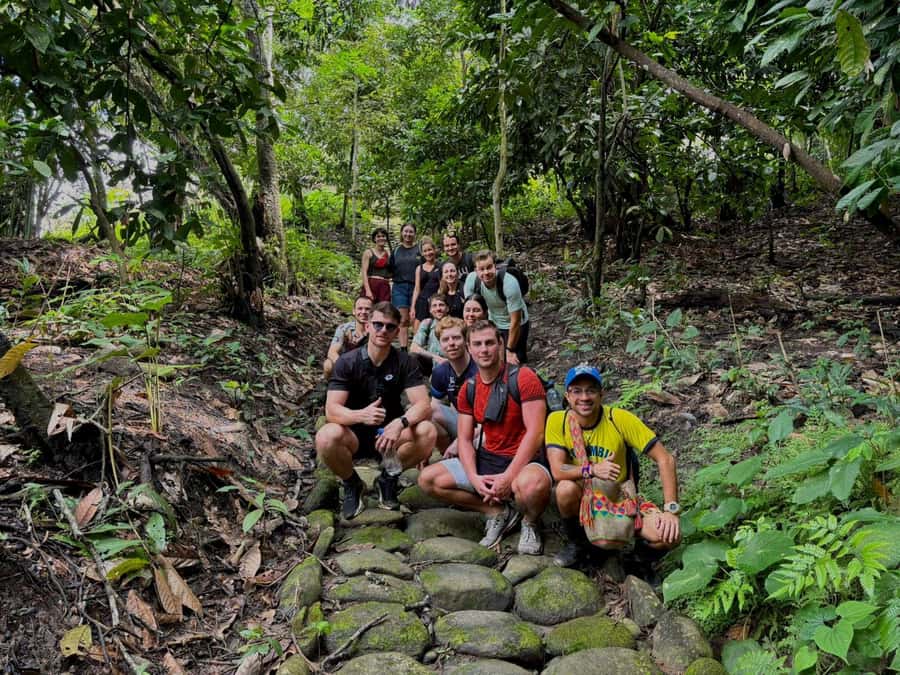
- Tayrona heritage on the trail, with context on indigenous communities connected to the Sierra Nevada region
- Cacao and coffee farm visit managed by an Arhuaco family, with cultivation and transformation explained
- Traditional tasting plus time to ask questions and learn how cacao and coffee fit the indigenous worldview
- Jungle biodiversity along a medium hike, with native vegetation and ecological variety in view
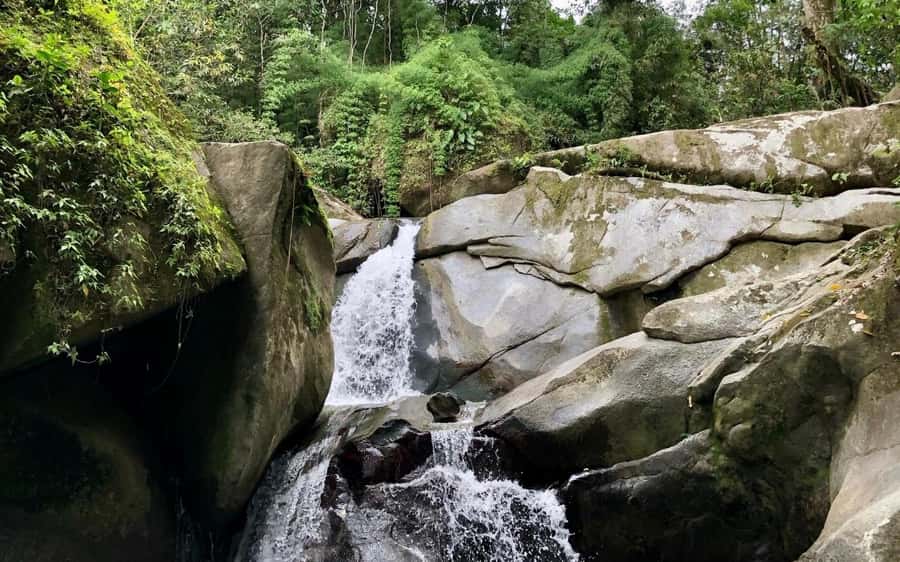
- Waterfall time to cool off, and you might spot a waterfall along the way, so bring your swimsuit
More rope, water and drop close by
A Minca half-day with culture, not just scenery
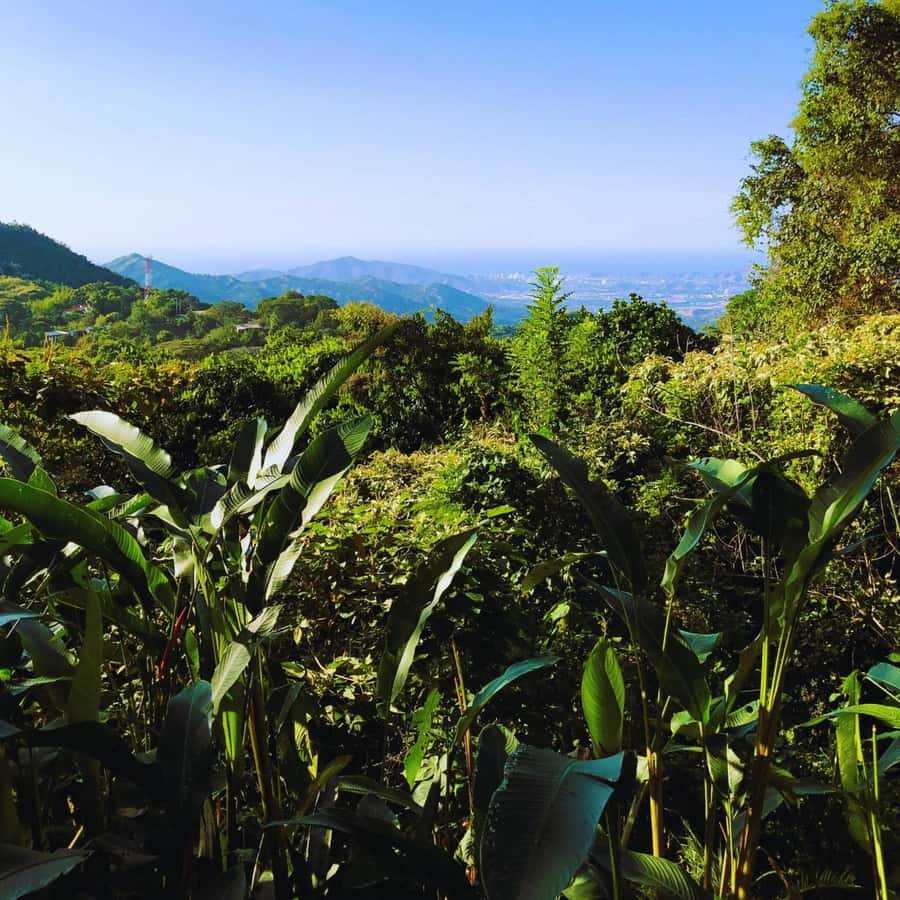
Minca is famous for easy access to jungle. This tour adds something that most hikes miss: meaning. You start from Parque de Minca and head out on nature trails that reflect historic Tayrona heritage, then shift into a farm where cacao and coffee are treated as more than crops.
What makes this work for me is the way it blends three things that usually stay separate. You get a hike, you get indigenous history and worldview, and you get hands-on food culture through tasting. It’s also a nice length for first timers, because at 4.5 hours you can still enjoy the rest of your Minca day instead of disappearing into the jungle all afternoon.
The other plus is how practical it feels. The guide is there to translate what you’re seeing, and people have especially praised guides for giving helpful local tips for the Santa Marta area. If you’re trying to get your bearings fast after arriving in the region, this can be a smart first activity.
Where you start and how the first hour sets expectations
You meet at Minca’s Central Park, at the central chapel area. That matters because you’re not hunting for a “meeting point” that’s basically a parking lot with no landmarks. It’s also convenient if you’re staying in town.
From there, you’ll transition from village energy into steep, green trail walking. The activity is rated medium, so think steady effort rather than a casual stroll. You’ll want comfortable shoes that can handle uneven ground, and you should wear hiking pants if you have them. If you come in sandals, you’ll feel it on the slopes.
One thing to remember: the tour runs rain or shine except in extreme conditions. That means your timing and shoe choice matter. Plan for wet patches, mud, and slippery spots, especially on a jungle path.
The hike route: historic trails and ecological variety
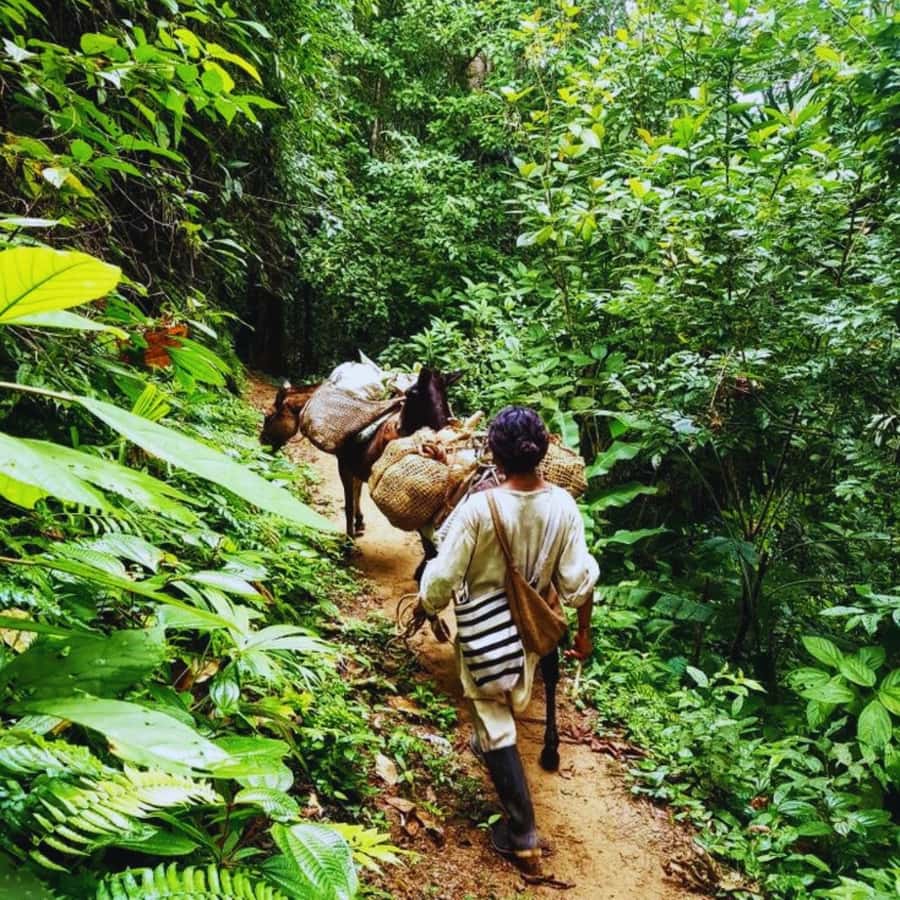
The heart of the experience is the guided trek along nature trails tied to indigenous heritage. You’ll learn about indigenous communities descended from Tayrona, including Kogui, Wiwa, Arhuacos, and Kankuamos. The goal isn’t to overload you with names. It’s to help you read what’s around you, so the jungle stops being just green background and becomes part of a living system with human knowledge attached.
As you walk, you’ll notice how the ecosystem shapes traditional practices. The tour format is designed so you’re not just staring at trees. You’re watching interactions between native vegetation, species variety, and the way people historically made sense of this land.
Respect is part of the deal. You’ll be expected to follow the instructions of the indigenous community. That’s not just etiquette, it helps you stay aligned with the purpose of the visit, which is connecting visitors to local knowledge and ongoing community work.
Also, you may encounter a waterfall along the way. That’s why the packing list includes swimwear. Even if you don’t end up soaking, having it ready means you can say yes if the moment appears.
The Arhuaco cacao and coffee stop, and why it feels more personal than a typical farm tour
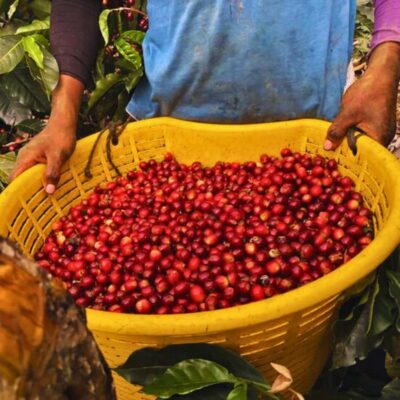
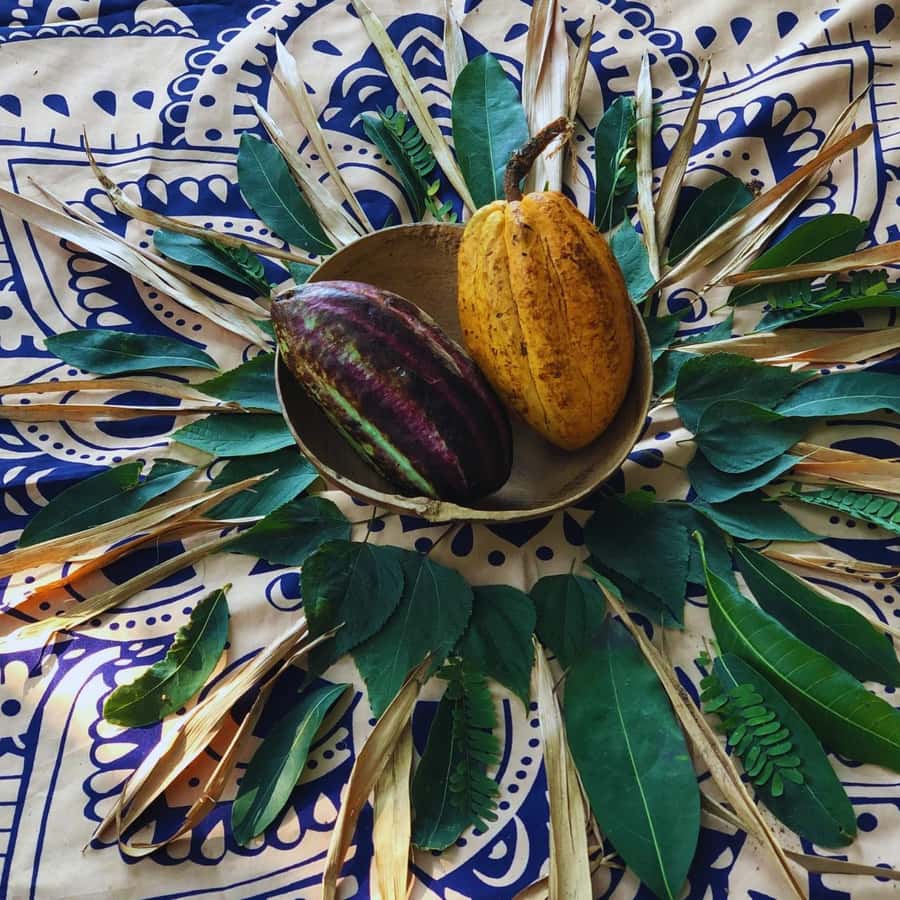
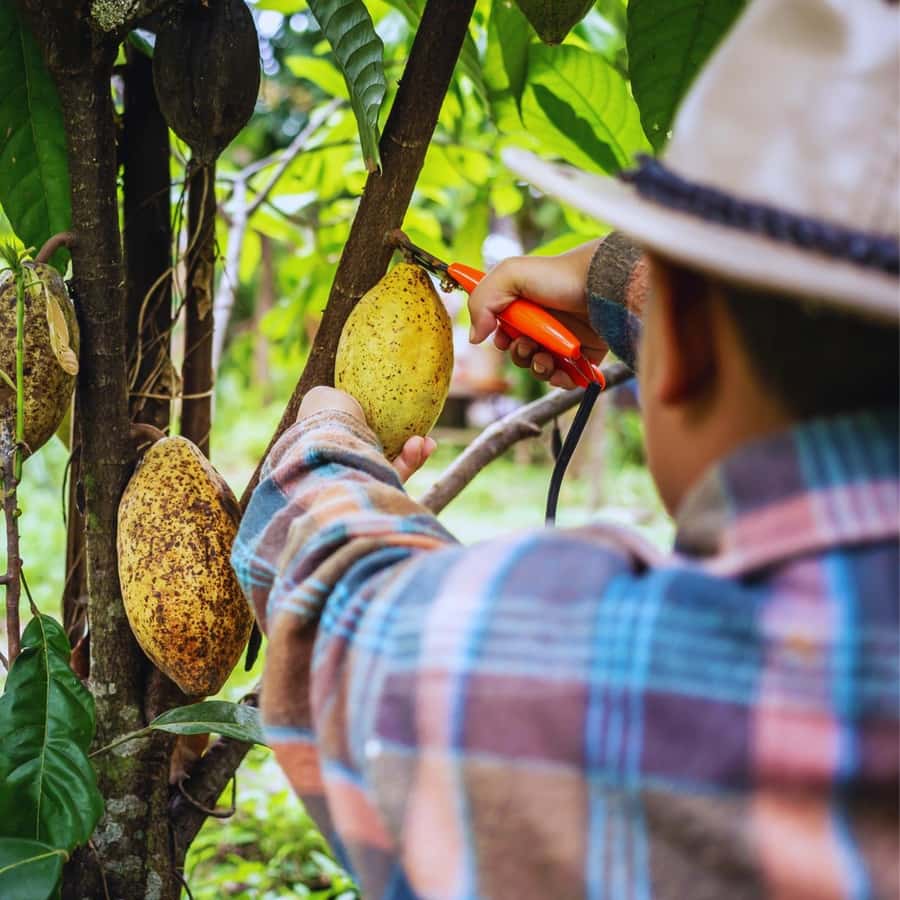
Your destination is a cacao and coffee farm managed by an Arhuaco family, which gives this stop a different tone than a commercial “see the process” setup. The family explains how they grow and transform cacao and coffee, and they share the role these foods play within their indigenous worldview.
Practically, this is where you learn the “why,” not just the “how.” You’ll hear about the relationship they’ve built with the land, plus how traditions have continued despite sociocultural changes in their territory. That part is meaningful because it reframes agriculture as cultural memory, not just production.
You also get a conversation component. Time to talk with members of the Arhuaco community is included, and that’s often what turns a farm stop into a human exchange. People have noted that the explanation can include English support, and on some departures a son of the family has helped with English translation. If you don’t speak Spanish well, that’s a comfort.
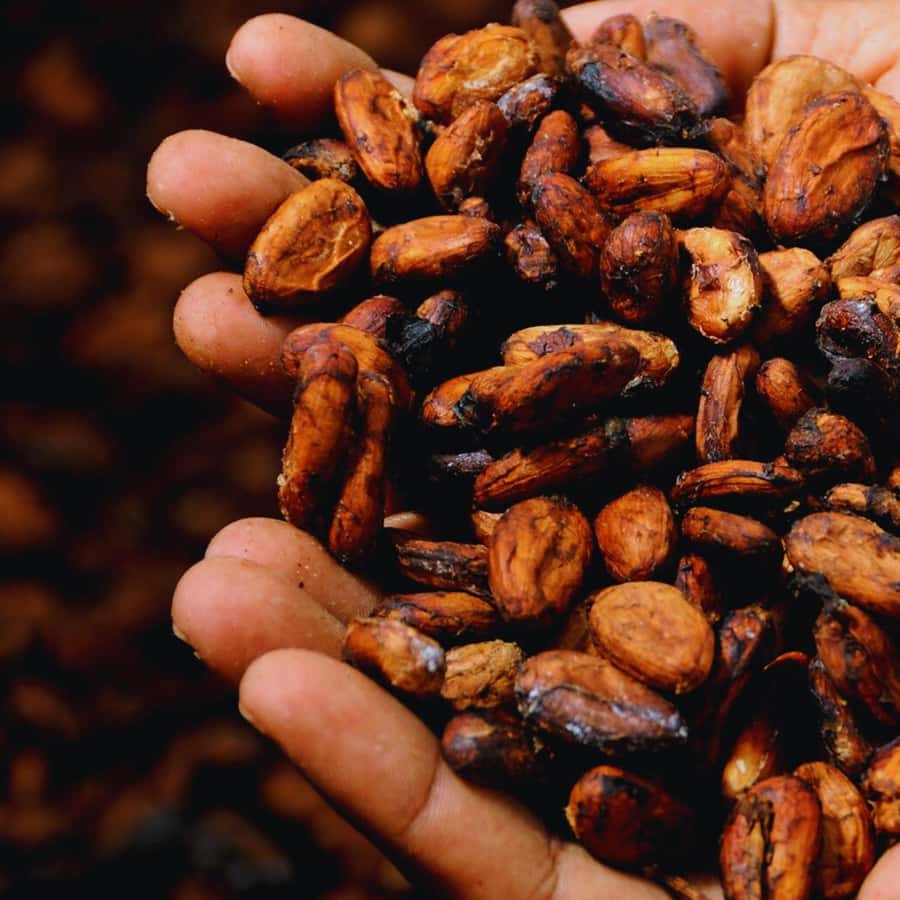
Then comes the tasting of traditional cacao and coffee. It’s not described as a grand tasting menu, but it is a structured moment, so you’re not just wandering through plants and hoping you’ll get something to sample. Expect it as part of the farm visit, tied to what you’re learning.
Other farms where the cup starts on the branch
Waterfall time: plan for cooling off, not just photos
The tour ends back at Parque de Minca, but before that you’ll get time to relax at a natural waterfall. This is one of those “your legs will thank you” moments, especially after a medium trek.
In the jungle, a waterfall is more than an image. It’s cooling air, damp ground, and a change in pace. People have specifically praised the waterfall stop as a perfect way to cool down after hiking, and that checks out with the tour design. Even if you’re not a big swimmer, it’s still a reset.
Bring swimwear. The tour notes you may find a waterfall along the way, and that makes it more likely you’ll have an impromptu chance to get in. If you do go in, keep it respectful, follow any instructions from the community, and treat the spot like shared nature, not a private photo set.
Price and value: is $41 worth it?
At $41 per person for about 4.5 hours, the value comes from the combination. You’re paying for four things that don’t usually show up together in the same afternoon:
- A bilingual local guide specialized in indigenous history and culture
- A guided hike along trails tied to Tayrona heritage
- A cacao and coffee farm visit with explanation and traditional tasting
- Waterfall relaxation time, plus the tour contributes to sustainable community projects
Transportation is not included, and food and beverages are not included. That’s the tradeoff. If you compare it to a cheaper “hike only” option, this costs more. But the difference is real. You’re also covering guided context, farm access, cultural conversation, and a tasting experience.
There’s also assistance insurance during the activity, which is a small but important safety touch for a trek in wet conditions.
For me, the $41 works best if you like context and you want the day to feel purposeful, not just active.
What to pack for this jungle trek
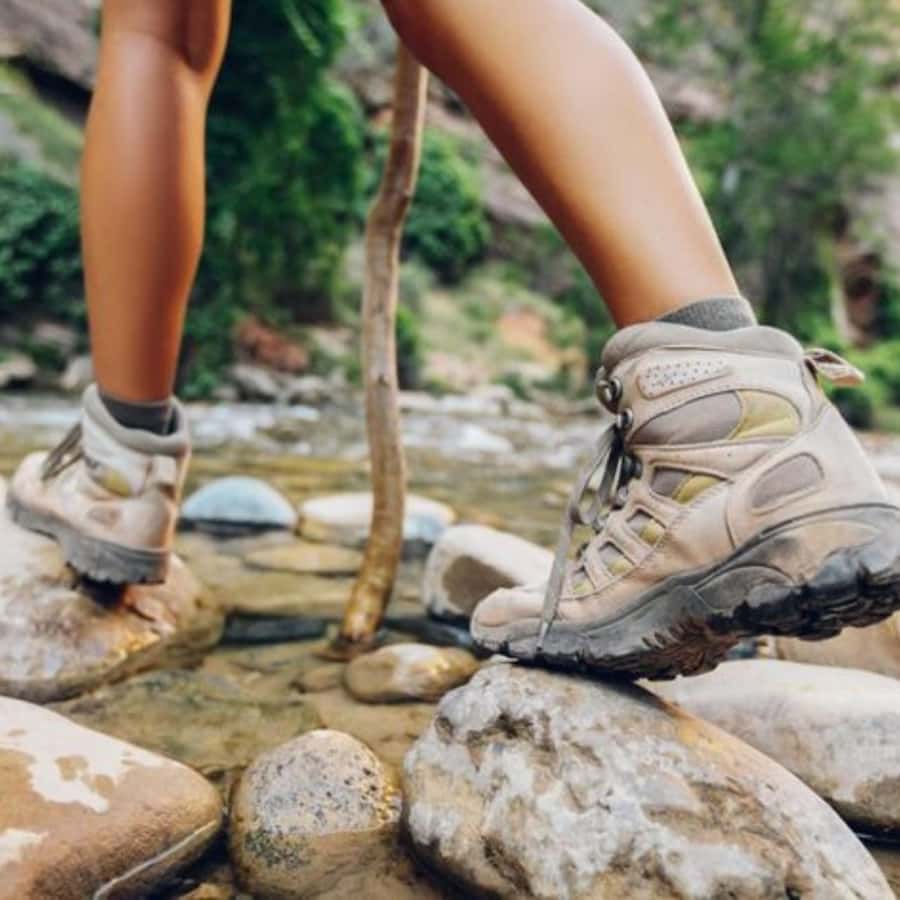
This tour gives you a clear packing list, and it’s worth following because Minca trails can be tricky and the weather is changeable.
Bring:
- Comfortable shoes (plus trekking shoes if you have them)
- Sun hat
- Sunscreen, and biodegradable sunscreen
- Hiking pants
- Reusable water bottle
- Biodegradable insect repellent
- Swimwear (and be ready for possible waterfall stops)
- Trekking gear you normally use for hikes
Also, keep your plan simple. Food is not included, so if you’re prone to getting hungry mid-trek, consider having a snack before you meet at the central park.
Fitness level and who should go
Difficulty is listed as medium, and the tour asks for a good physical condition. That means you should be comfortable walking on uneven, possibly muddy trails for a few hours.
It’s not suitable for:
- Children under 12
- Wheelchair users
- People over 95
That leaves plenty of people in the sweet spot, especially if you’re visiting Minca for the first time and want an organized, guided way to see more than one side of the area.
Cultural respect: the real difference-maker
The itinerary isn’t just a route. It’s built around indigenous knowledge, and the tour explicitly asks for cultural respect and following community instructions.
In practice, that means:
- Listen more than you talk
- Ask questions politely during the farm and conversation time
- Don’t treat ceremonial or worldview topics like trivia
- Avoid behaviors listed as not allowed, including intoxication and littering
If you keep that mindset, the tour tends to land as meaningful instead of extractive.
Should you book this Minca trek and farm stop?
I’d book it if you want a half day that mixes walking with real context. This is for you if you care about indigenous heritage, enjoy cacao and coffee, and don’t mind a medium hike that might get wet.
I’d skip it if you’re only interested in an easy stroll, or if you need food and drinks included as part of the price. Also skip if you hate hikes in rain, because this runs in most weather.
If you do book, pack swimwear even if you think you won’t use it. And when you meet your guide, come with a few questions. The guides who have led this experience well are praised for answering questions and keeping things fun, and that’s exactly how you get the most out of the time you’re spending.
FAQ
How long is the trekking and cacao, coffee, waterfall experience?
The tour lasts about 4.5 hours total, with the exact start time depending on availability.
Where do I meet the guide in Minca?
You meet your guide at Minca’s Central Park, at the central chapel area.
What languages are available on the tour?
The live tour guide offers English and Spanish.
What is the difficulty level?
The difficulty level is listed as medium, and good physical condition is recommended.
What is included in the price?
Included are a local guide specialized in indigenous history and culture, a guided hike along nature trails with Tayrona heritage, a visit to an indigenous coffee and cacao farm, explanations of cultivation and indigenous worldview, traditional cacao and coffee tasting, time to talk with Arhuaco community members, access to a natural waterfall, and contribution to indigenous community projects. Assistance insurance is also included.
Is food or drinks included?
No. Food and beverages are not included.
What should I bring with me?
Bring comfortable shoes, a sun hat, sunscreen (biodegradable), hiking pants, a reusable water bottle, biodegradable insect repellent, and trekking gear. Swimwear is recommended because you may find a waterfall along the way.
Will the tour run in the rain?
The activity takes place rain or shine, except in extreme conditions.
Is it suitable for kids and wheelchair users?
It is not suitable for children under 12. It is also not suitable for wheelchair users.
Tayrona and the Sierra Behind It
From Branch to Cup
Ropes, Falls and Wet Descents
Just added to our Minca shelf
Colombian Coffee Farm Tours, compared.
 ★ 4.7Medellin: Coffee Tour with Transport, Snacks and TastingsFrom $801,357 reviews
 ★ 4.9Medellín Coffee Farm Tour with Trolley and Cable Car RideFrom $56277 reviews
 ★ 5.0Coffee Tour at the Finca del CaféFrom $40213 reviews
 ★ 4.8Medellin: Coffee Tour and Wellness SpaFrom $88209 reviews
 ★ 4.9Salento: Private Cocora Valley, Salento & Coffee Farm TourFrom $157202 reviews
 ★ 4.9Medellin: Coffee Tour with Hotel Transfers and MealsFrom $70186 reviews
 ★ 4.8Medellin: Horseback Riding Coffee Farm Tour with Coffee SpaFrom $150151 reviews
 ★ 4.5From Bogotá: Coffee Farm and Tequendama Falls TourFrom $85130 reviews