
REVIEW · COLOMBIAN COFFEE FARM TOURS
Coffee Tour at Finca El Ocaso Salento: Traditional Spanish Farm
Coffee, but make it hands-on farming. At Finca El Ocaso Salento, you follow coffee from tree to mill, with a live Spanish guide and a traditional process that feels like how it really works on a farm. I especially love the sustainability focus, including composting and talk of fauna and flora, and I like how the tasting ties the whole story together. The one catch is logistics, the ticket does not include transfers or food, and the access road near Salento is rural and not fully paved.
You get a tight 90-minute loop, from planting and harvesting to roasting and a classic cloth-strainer brew. Based on feedback I’ve seen, this is the kind of tour where guides can keep it both professional and fun, like Nicolás did in at least one standout session.
In This Review
- Key highlights at a glance
- Coffee on a Working Farm Near Salento
- The 90-Minute Flow, Tree to Cup
- Planting, Growth, Harvesting, and Sowing in the Garden
- Composting Station and Sustainability Talk That Isn’t Just Talk
- Inside the Mill: Hopper, Pulper, Drying, and Storage
- Roasting Types and How They Affect Quality
- Traditional Brewing With a Cloth Strainer and Pot
- Coffee Tasting, and What to Notice
- Price and Value: What $19 Buys You, and What It Does Not
- Getting There Yourself, Willys Jeeps and a Mostly Dirt Road
- Who This Tour Is Best For
- Should You Book Finca El Ocaso Coffee Tour?
- FAQ
- Where is the coffee tour located?
- How long is the tour?
- How much does it cost?
- What language is the tour guide?
- What is included in the tour?
- What is not included?
- Do I need to arrange transportation to the farm?
- What should I bring?
- Is the activity cancelled in rain?
Key highlights at a glance
- From plantation to processing: You see the full workflow, not just the final cup.
- Sustainability in practice: Composting and soil care are part of the tour, not a lecture.
- Inside-the-mill details: You’ll hear how coffee moves through key steps like pulping and drying.
- Roasting education: You learn why roast styles affect flavor quality.
- Cloth strainer preparation: Traditional brewing shows up at the end, with a tasting.
Other farms where the cup starts on the branch
- Salento: Private Cocora Valley, Salento & Coffee Farm Tour★ 4.9 · 202 reviews
- Coffee Tour at Finca El Ocaso Salento: Traditional Spanish Farm★ 4.8 · 89 reviews
- Coffee Tour Salento-Ocaso Farm- English Tour★ 4.6 · 88 reviews
- Salento and Cócora Tour + Coffee Farm from Pereira/Armenia★ 5.0 · 33 reviews
Coffee on a Working Farm Near Salento
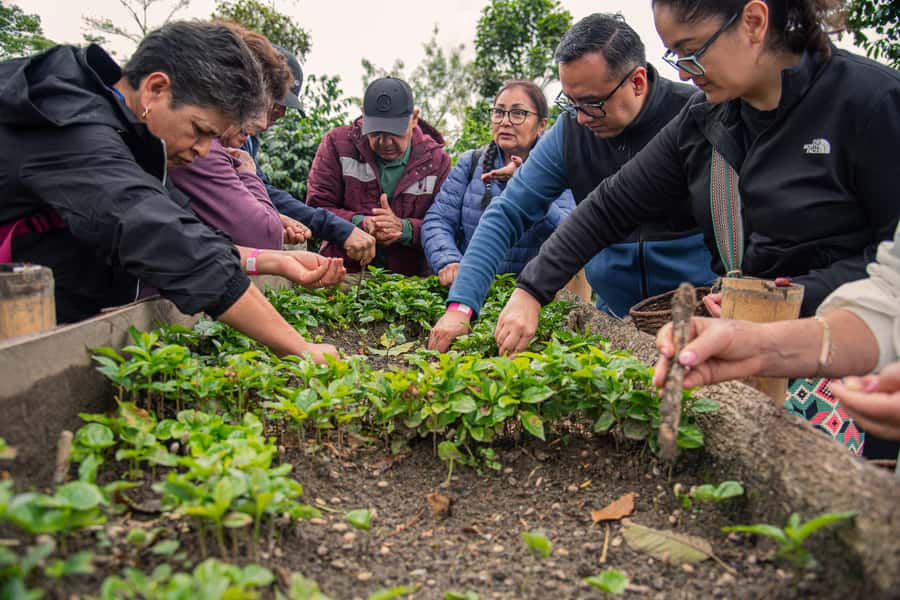
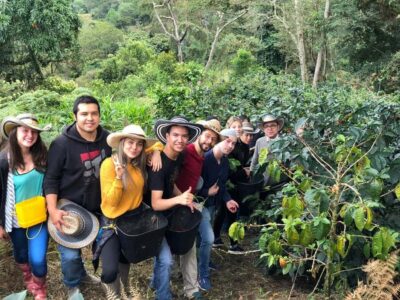
This coffee tour is built for people who actually want to understand coffee. You’re in the rural Tolima countryside near Salento, and the farm route keeps you close to the real stages of production, from plants to processing.
What I like most is that it is not just about drinking coffee. It’s about seeing how growers manage trees, handle harvest, and control drying, then linking those steps to roasting and brewing so the tasting feels earned, not random.
Just remember you need to handle your own getting there. The farm is in the countryside, the road is not completely paved, and the tour does not include transportation.
The 90-Minute Flow, Tree to Cup
The schedule is simple and purposeful, covering coffee from the beginning stages to the cup. Plan on about 90 minutes, and treat it like a short walk through an entire coffee journey.
You’ll cover:
- the history of coffee and key plant basics
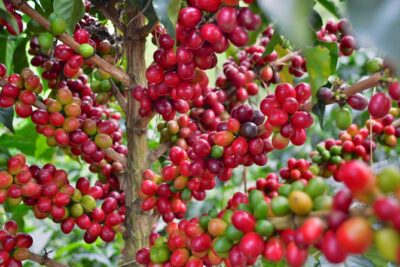
- how trees are planted, grow, and are harvested
- what happens after picking at the mill
- how roasting choices impact what you taste
- a traditional preparation method, plus a tasting
Because it is live and guided in Spanish, you’ll get the best experience if you’re comfortable following spoken explanations. If you’re not, it still works, because visuals at each step do a lot of the talking.
Planting, Growth, Harvesting, and Sowing in the Garden
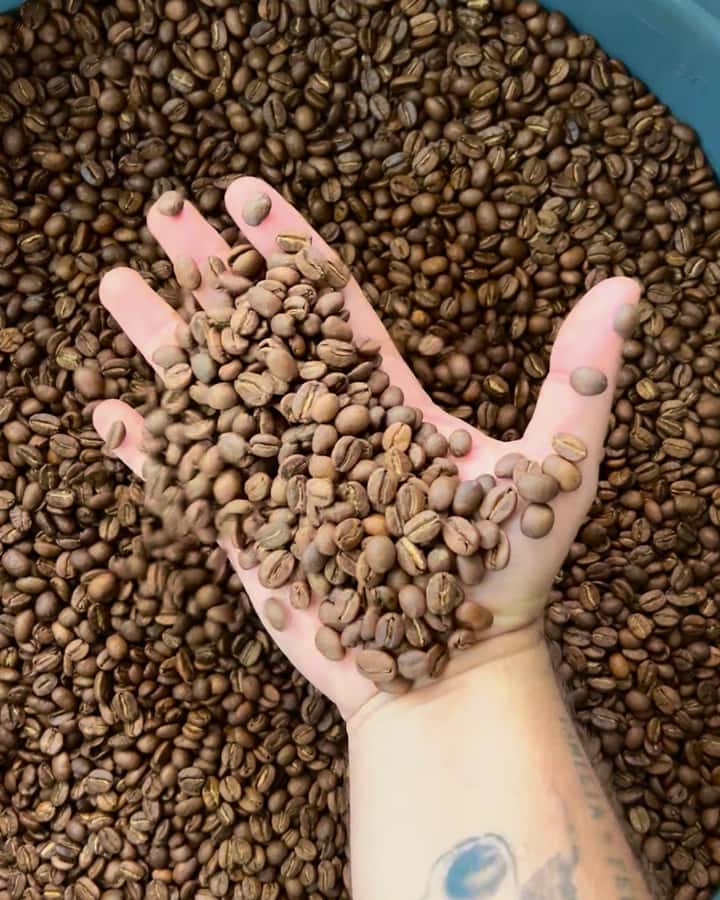
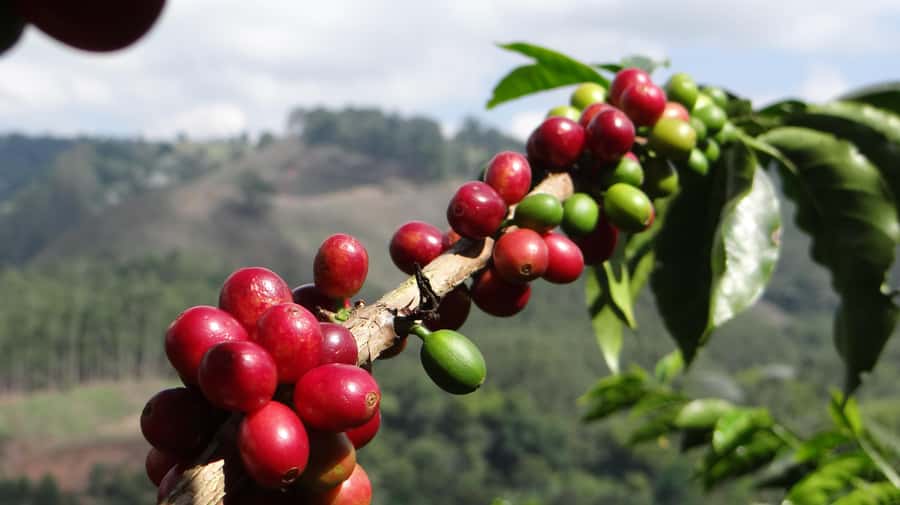
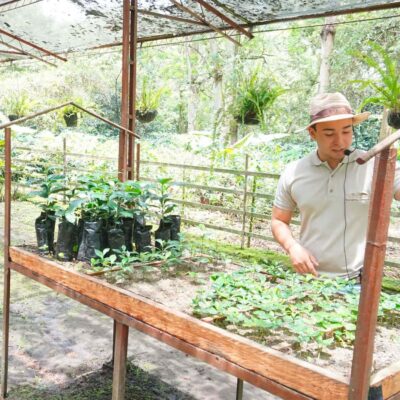
Early in the tour, you’ll learn the basics of coffee as a crop: its history, the predominant species they grow, and what makes the plant thrive. The farm focuses on practical stages like planting and growth, which is where coffee becomes more than a product and turns into an agricultural process.
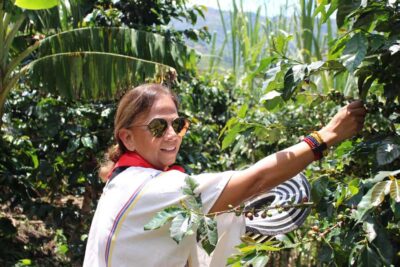
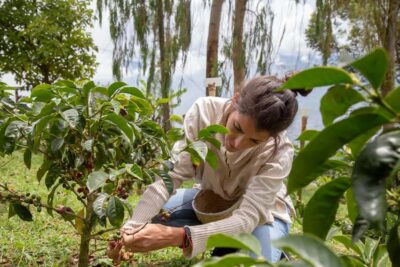
Then you move through the garden and coffee plantations. Expect to hear how harvesting works, plus how sowing fits into the cycle. This is the part that helps you understand why coffee tastes different from farm to farm, because the plant and timing are tied together.
A small heads-up: because you’re outdoors on a working farm, wear comfortable clothes. You’ll want shoes that can handle uneven ground.
Composting Station and Sustainability Talk That Isn’t Just Talk
One of the best parts is how sustainability is explained through what they do on site. You’ll visit the composting station, and you’ll hear how crop fertilization is handled.
This matters because coffee quality is affected by more than roasting. Soil health, careful nutrient management, and farm decisions over time all shape the beans you eventually roast.
You’ll also get explanations about sustainability and the farm’s fauna and flora. Even if you don’t catch every detail in Spanish, the overall message comes through: the farm tries to work with the ecosystem around the coffee.
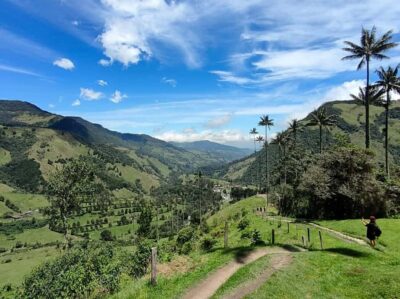
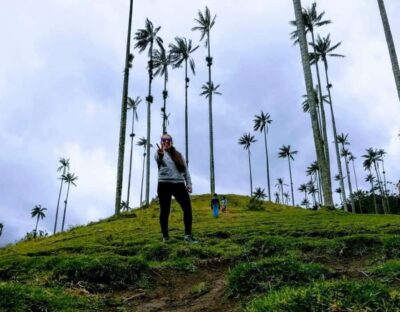
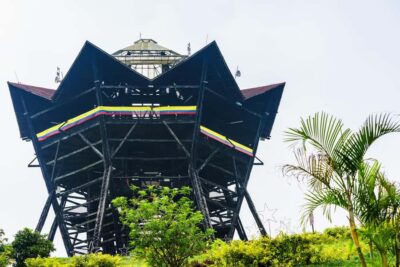
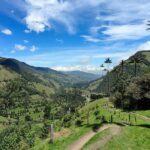
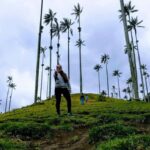
More of the wax palms and the towns below them
Inside the Mill: Hopper, Pulper, Drying, and Storage
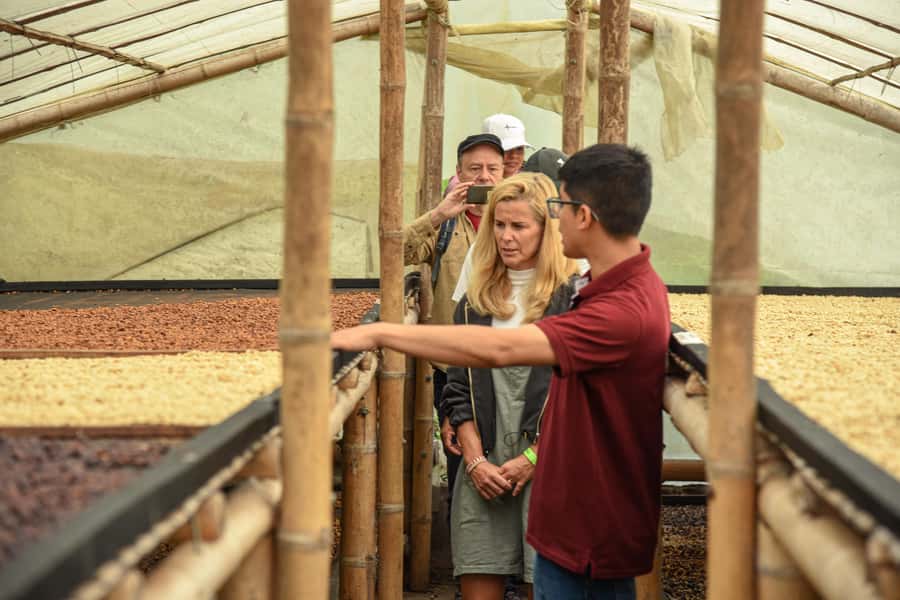
The tour moves into processing, and this is where coffee nerds get their payoff. You’ll see key mill stations and learn what each step is for, including:
- the hopper
- the pulper
- mechanical drying
- traditional drying
Then you continue through storage, threshing, and commercialization of coffee. That last sequence is important because it shows how a harvested crop becomes an actual product that can be marketed and sold.
What I appreciate here is the contrast between drying approaches. When you understand mechanical drying and traditional drying, the rest of the story about quality makes more sense. Drying is one of the biggest factors in what ends up in your cup.
Roasting Types and How They Affect Quality
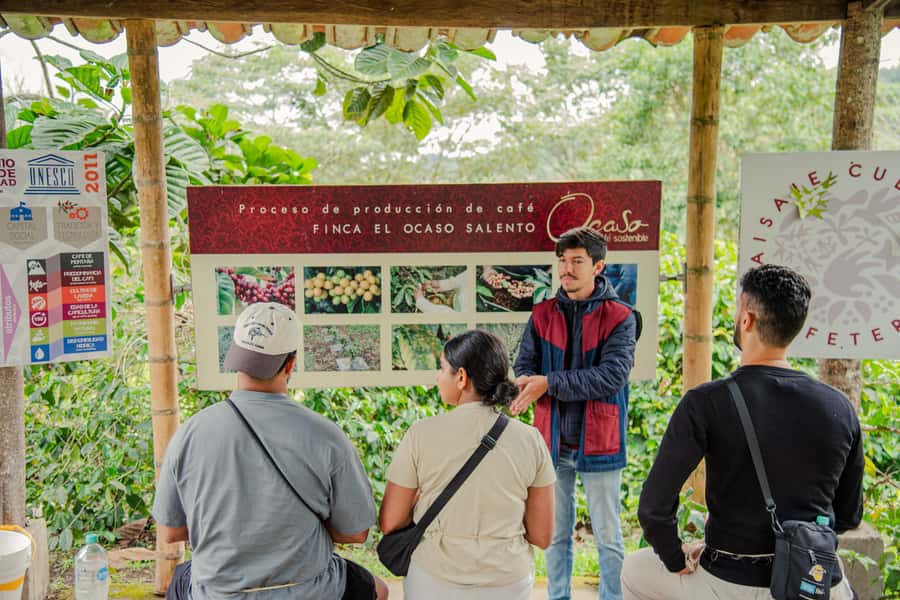
Roasting is where coffee starts to feel like art, but this tour keeps it grounded. You’ll learn the types of roasting and why roast choices matter for quality.
This section helps you connect the dots from what you saw earlier. If the mill steps manage moisture and preparation, then roasting is the next control point for how flavor develops.
It also gives you a simple way to think about your tasting afterward. Instead of judging randomly, you’ll have a framework for what roast can do.
Traditional Brewing With a Cloth Strainer and Pot
The finale is hands-on and traditional. You’ll see how coffee is prepared using a cloth strainer and a pot.
This method is one reason the whole tour feels satisfying. You don’t just watch coffee happen upstream, you end by experiencing a classic way of brewing. You’ll learn what this preparation does for the cup, and then you’ll get a tasting to reinforce it.
If you’re a true coffee lover, this is the moment where the process becomes personal.
Coffee Tasting, and What to Notice
The tour includes tasting, but it’s not only about whether you like the flavor. Use the earlier roasting education and processing tour to guide your attention.
Here are practical things you can notice:
- whether the roast feels light, medium, or darker in character
- how clean or heavy the cup tastes
- any differences you detect between what you expected and what you actually get
Even if your Spanish isn’t perfect, the tasting gives you a “final answer” to all the steps you just saw. That’s what makes the experience feel complete for coffee-focused visitors.
Price and Value: What $19 Buys You, and What It Does Not
At $19 per person for about 90 minutes, the price is reasonable for a working-farm education. You’re paying for guided access to real agricultural spaces and a mill walkthrough, plus roasting/brewing instruction and tasting.
The value works best if you’re the type who will remember specific steps like pulping, drying styles, and storage. If you only want a quick coffee stop, it might feel too detailed.
Also, it’s important to know what is not included:
- transportation to and from the farm
- food
- mosquito repellent
- sun block
So you’ll want to plan around that, especially if you’re coming from central Salento hungry or without insect protection.
Getting There Yourself, Willys Jeeps and a Mostly Dirt Road
This is a tour where logistics matter. You must arrive directly to the farm. There are no included transfers, and the road is not completely paved.
If you’re driving, avoid low cars, since rural roads may not be friendly for low clearance. If you prefer public transport, you can use Willys Jeeps, which leave every hour from 8:30 am to 4:30 pm. You can also return to Salento from the farm in Willys.
One more practical detail: rain does not cancel the activity. You can buy rain ponchos at the farm if you get caught, but you should still expect a damp walk through the countryside.
Who This Tour Is Best For
This tour fits you best if you care about coffee beyond taste. You’ll enjoy it if you like learning how farms work, how processing changes coffee, and why roasting is not a random choice.
It’s also a strong match if you want a Spanish guided experience that stays structured, because the tour covers a clear arc:
plant basics, plantation walk, composting and sustainability, mill stations, roasting, and a traditional brew.
You might want to pick a different option if you need food included, or if you dislike rural access roads and plan-heavy logistics.
Should You Book Finca El Ocaso Coffee Tour?
Book it if you want a real farm-to-cup coffee lesson in Salento’s countryside, and you’re excited by details like mechanical versus traditional drying and roasting types. The $19 price feels fair because you get mill stations, sustainability practice, and a tasting in about 90 minutes.
Skip or plan carefully if you’re hoping for a no-effort round trip, since transportation and food are not included. Also bring insect repellent, because the rural setting is exactly where mosquitoes can show up, and you’ll be moving around outdoors.
FAQ
Where is the coffee tour located?
It takes place in the rural area of Salento, Tolima, Colombia.
How long is the tour?
The duration is 90 minutes.
How much does it cost?
The price is $19 per person.
What language is the tour guide?
The live tour guide speaks Spanish.
What is included in the tour?
You get the coffee farm tour, composting and sustainability explanation, a visit to the mill steps (hopper, pulper, mechanical and traditional drying), storage and threshing, roasting types and why they matter, traditional preparation with a cloth strainer and pot, and a tasting.
What is not included?
Transportation, food, mosquito repellent, and sun block are not included.
Do I need to arrange transportation to the farm?
Yes. The tour does not include transfers, and you must arrive directly to the farm. You can get there by public transportation using Willys Jeeps, which run every hour from 8:30 am to 4:30 pm, and you can return the same way. Transport cost is not included.
What should I bring?
Wear comfortable clothes and bring insect repellent.
Is the activity cancelled in rain?
No. The activity will not be cancelled in case of rain. Rain ponchos can be purchased at the farm.
Coffee, Poured Around Salento Colombia
Salento, Cocora and the Wax Palms
From Branch to Cup
Just added to our Salento Colombia shelf
- Salento: hike to learn about Birds
★ 4.9 · 6 reviews - Salento: Coffee Master Roasting, Brewing and Tasting Tour
★ 4.8 · 6 reviews - Cocora Valley: Route of the Hummingbirds + breakfast & lunch
★ 4.9 · 6 reviews - Santa Rita Waterfall and Salento Private Tour
★ 5.0 · 9 reviews - Salento: Salento & Cocora Valley Tour
★ 5.0 · 11 reviews
Colombian Coffee Farm Tours, compared.
 ★ 4.7Medellin: Coffee Tour with Transport, Snacks and TastingsFrom $801,357 reviews
 ★ 4.9Medellín Coffee Farm Tour with Trolley and Cable Car RideFrom $56277 reviews
 ★ 5.0Coffee Tour at the Finca del CaféFrom $40213 reviews
 ★ 4.8Medellin: Coffee Tour and Wellness SpaFrom $88209 reviews
 ★ 4.9Salento: Private Cocora Valley, Salento & Coffee Farm TourFrom $157202 reviews
 ★ 4.9Medellin: Coffee Tour with Hotel Transfers and MealsFrom $70186 reviews
 ★ 4.8Medellin: Horseback Riding Coffee Farm Tour with Coffee SpaFrom $150151 reviews
 ★ 4.5From Bogotá: Coffee Farm and Tequendama Falls TourFrom $85130 reviews
Where else this tour turns up