
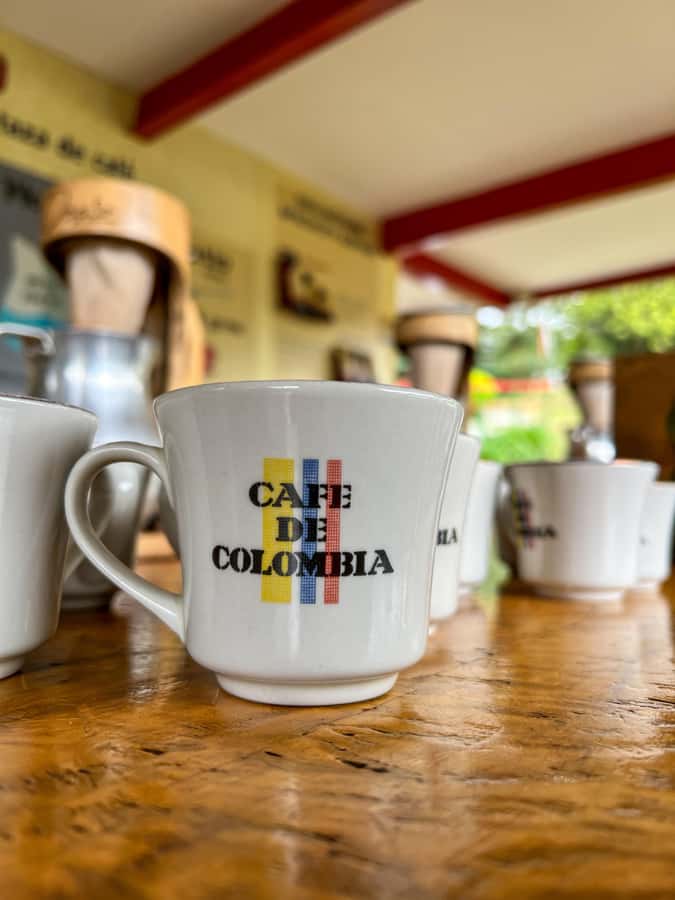
REVIEW · COLOMBIAN COFFEE FARM TOURS
Coffee Tour Salento-Ocaso Farm- English Tour
Coffee starts in the dirt, not the cup. This 1.5-hour English coffee tour at Finca El Ocaso (Salento area, Tolima) walks you through production from planting and compost to drying, roasting, and a traditional brew method. I like that it is hands-on with garden time and harvesting, and I also like how the processing plant stops are concrete, not just talk. The main catch is logistics: the farm is 4 km from Salento on a tertiary, not fully paved road.
On top of that, it is a traditional farm with sustainability certifications, so you see how the day-to-day work links to how the coffee is grown and processed. You might get a guide with fast humor and strong English, with Nicolas and Johnathan both showing up in great reviews. The only real drawback to plan around is the travel time, plus an insect repellent is a smart idea once you are outside.
In This Review
- Key highlights you’ll actually feel
- Coffee tour at Finca El Ocaso: what the 1.5 hours really covers
- Getting to the farm from Salento, and why it matters
- First stop: coffee basics, history, and the trees themselves
- Touring the gardens and plantations: where harvest becomes real work
- Composting and fertilization: sustainability explained with practical steps
- Harvesting, sowing, and learning the rhythm of picking
- Inside the processing plant: from hopper to drying
- Roasting and extraction basics: turning process into cup quality
- Traditional cloth strainer coffee: what happens at the end
- Price and value at $14: what you’re paying for
- Who should book this coffee tour, and who might not love it
- Small practical tips before you go
- Should you book this Salento coffee tour at Finca El Ocaso?
- FAQ
- Where does the tour start and end?
- Is transportation from Salento included?
- How long is the coffee tour?
- Is the tour offered in English?
- What should I bring?
- Is alcohol or any other substances allowed?
Key highlights you’ll actually feel
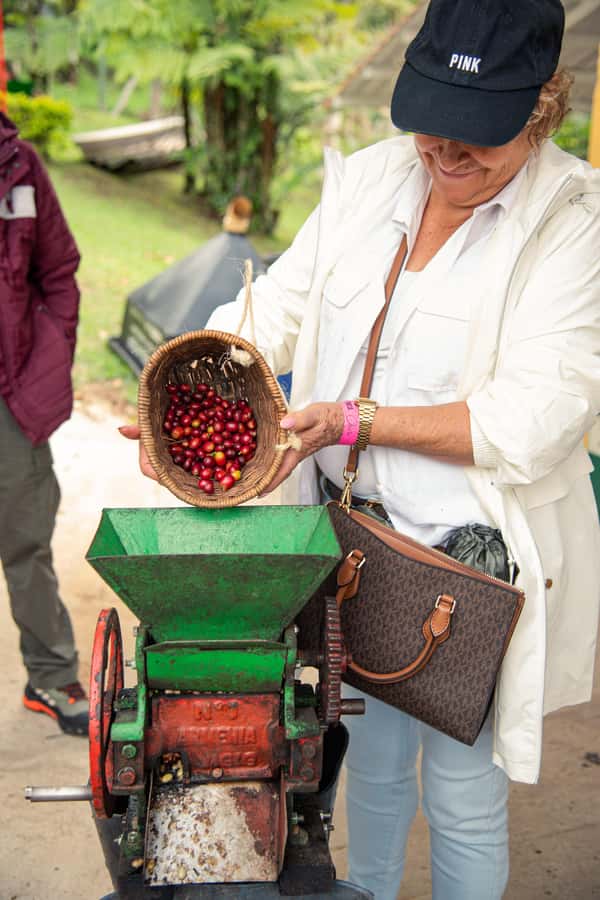
- Seed-to-cup tour flow: gardens, harvest and sowing, then processing and storage, then roasting and extraction basics
- Hands-on farm moments: cultivating coffee cherries and harvesting like a real picker
- Processing plant details: you pass through stages like the hopper, pulper, mechanical drying, and traditional drying
- Sustainability explained on the ground: composting, fertilization, and fauna and flora context
- Traditional brew method: cloth strainer and pot preparation at the end
- Great value for short time: 1.5 hours with an English guide for $14 per person
Other farms where the cup starts on the branch
- Salento: Private Cocora Valley, Salento & Coffee Farm Tour★ 4.9 · 202 reviews
- Coffee Tour at Finca El Ocaso Salento: Traditional Spanish Farm★ 4.8 · 89 reviews
- Coffee Tour Salento-Ocaso Farm- English Tour★ 4.6 · 88 reviews
- Salento and Cócora Tour + Coffee Farm from Pereira/Armenia★ 5.0 · 33 reviews
Coffee tour at Finca El Ocaso: what the 1.5 hours really covers
This is a production tour, not a coffee tasting pageant. In about 1.5 hours, you move through the key steps that make Colombian coffee taste the way it does. Think of it as the full “path” from the coffee tree to how you extract and brew.
You start at the farm, and the tour ends back at the meeting point. The provider runs with multiple starting times, so check availability so you can pick the cleanest match with your day in Salento.
The price is $14 per person, which is low enough that you should expect no frills like an included meal. But you get something more important for the money: you see the process, with a live English guide, and you get interactive moments like harvest activity.
Getting to the farm from Salento, and why it matters
Transportation is not included. The farm is about 4 km from Salento, and the road is tertiary and not completely paved. That matters because you need a plan for the ride out and back, especially if you are traveling with limited time or want to avoid arriving sweaty and late.
There is an option to take a Willys Jeep from the square in Salento to reach the farm. This Jeep is possible, but it is not included in the tour price. A taxi is also possible for the ride out, but one practical tip from real visitors is that getting the Jeep back to Salento can cost less, with a cited price of 4,000 pesos per person.
So, my advice is simple: confirm your return plan before you start walking around town. If you rely on taxis only, prices can jump. If you use the Jeep option, you’ll likely save money and keep your timing smoother.
First stop: coffee basics, history, and the trees themselves
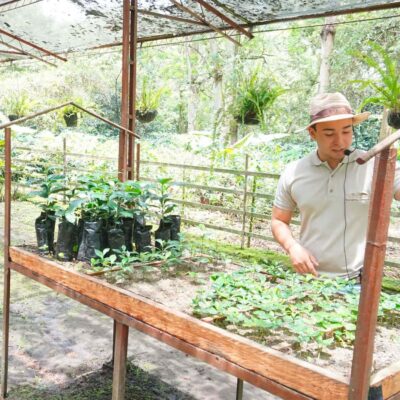
The tour opens with the “why” and “what.” You learn the history of coffee and the predominant species grown in this region’s systems. You also get the planting and growth basics, so you understand what you are looking at as you move through the gardens and plantations.
This part is more useful than it sounds. If you know what a healthy coffee plant looks like, and how it grows over time, the rest of the tour makes sense. Instead of random stops, each phase becomes a link in a chain.
Expect explanations about coffee tree development, including what happens when trees are planted and how they are cared for until harvest. Even if you are not a coffee nerd, you’ll leave with a clearer mental picture for how a cherry becomes a roasted cup.
Touring the gardens and plantations: where harvest becomes real work
Then you shift from classroom mode to walking mode. You get a tour of the gardens and coffee plantations, and this is where the farm setting becomes a key part of the experience.
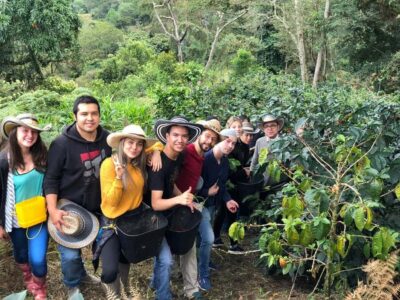
This is not a quick photo loop. You are shown the areas where coffee is grown, and you learn how cultivation work fits into the production cycle. One of the most praised aspects of this tour is that it is set up well for visitors, so you can actually participate.
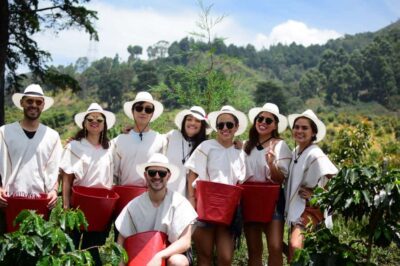
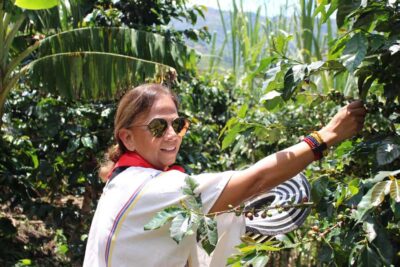
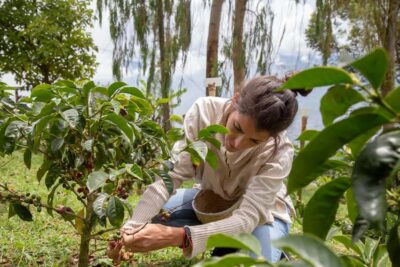
From there, the tour includes harvest activity and sowing, which turns the process from theory into something you do with your own hands. Visitors have highlighted cultivating coffee cherries during the tour, which makes the experience feel more like farm work than a lecture.
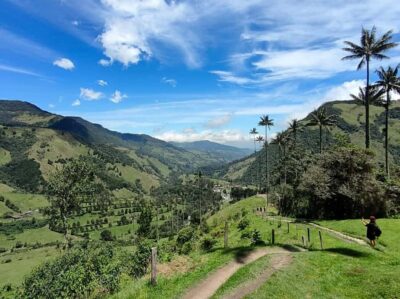
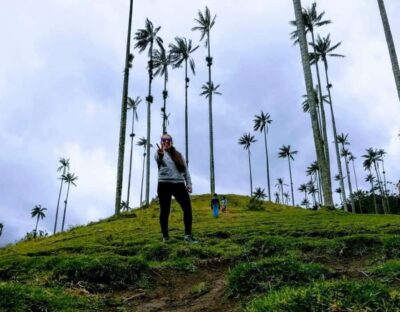
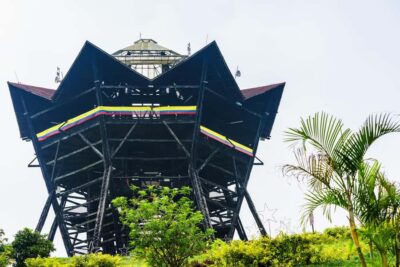
More of the wax palms and the towns below them
Composting and fertilization: sustainability explained with practical steps
Sustainability is not treated like a poster on the wall. You get an explanation of sustainability tied to real farm practices, including a composting and crop fertilization station.
This is a strong point for value because it helps you connect sustainability with production. Composting and fertilizing are not “extra.” They shape soil health, plant vigor, and long-term coffee quality. If you care about what you drink, this is where you start seeing the farm choices that influence it.
You also hear about fauna and flora. That means you’re not only looking at coffee plants in isolation. You get context on what lives around the farm and how those relationships can support a more stable growing environment.
Harvesting, sowing, and learning the rhythm of picking
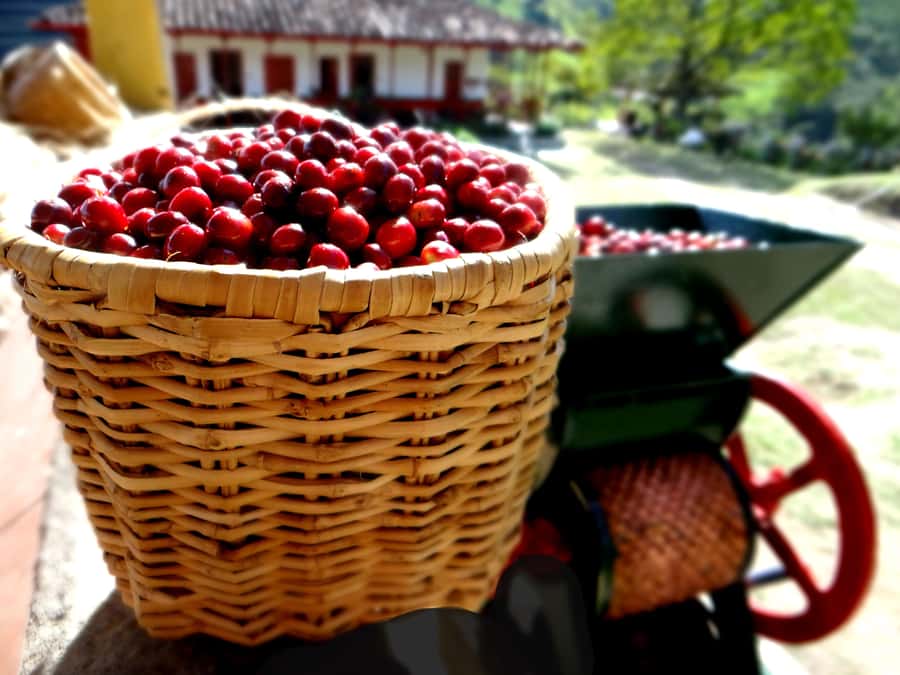
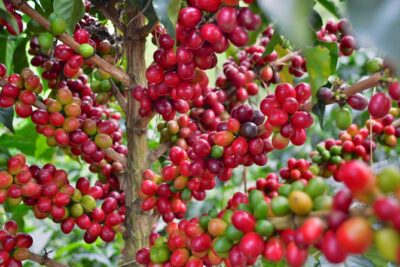
One reason people love tours like this is simple: harvesting is dramatic when you see it. Coffee cherries are not just “berries.” They are the stage where flavor potential starts forming.
You will be able to harvest like an authentic Colombian harvester, and the tour also includes sowing. Those two actions together give you a feel for the cycle: you pick what is ready and you contribute to the next stage.
If you are sensitive to time or physical comfort, know what you are signing up for. This is a working farm experience. Wear shoes that can handle uneven ground, and plan to get a little dust on you.
Inside the processing plant: from hopper to drying
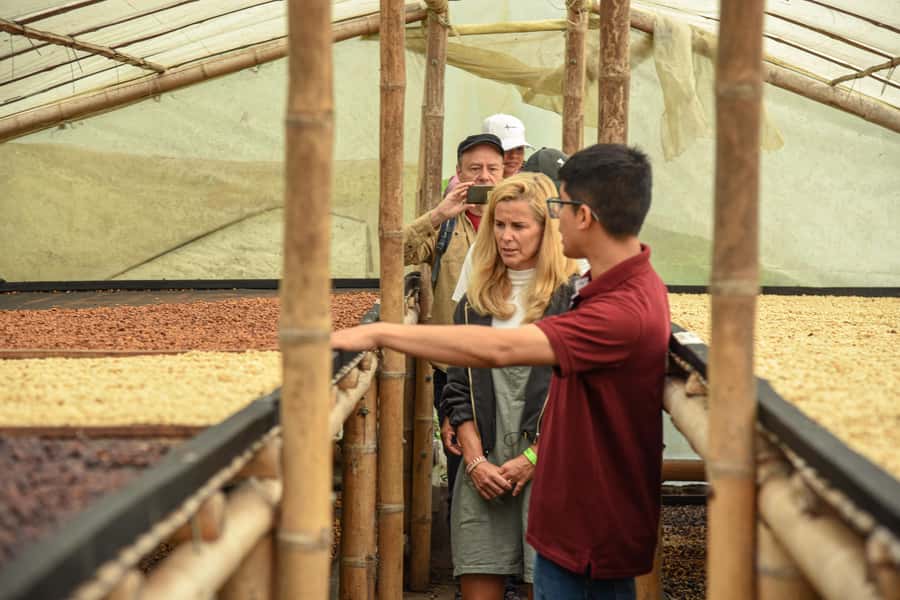
After the farm walking and hands-on time, you move to the processing plant. This is one of the best parts of the tour because it turns coffee into actual steps and equipment.
You learn about processing stages including the hopper and pulper. Then you go through mechanical drying and traditional drying. That split matters because drying method can affect drying time and how evenly coffee develops during processing.
You are also shown storage warehouse areas and threshing, followed by what happens during marketing. The goal is not to overwhelm you with jargon. It is to help you understand that quality is shaped by many small choices, not one magic roasting day.
If you care about coffee quality, pay attention here. Most people only think about roast level and how brew tastes. This tour shows why the earlier stages matter just as much.
Roasting and extraction basics: turning process into cup quality
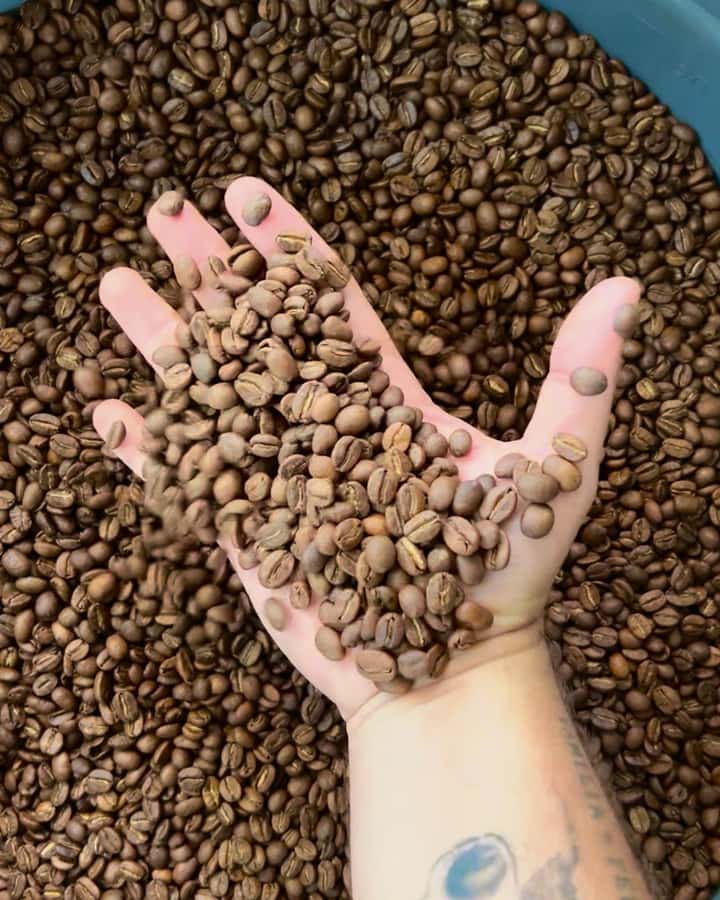
Next comes the part that helps you connect the dots to what you taste. You learn about types of roasting and why they matter for coffee quality. Roasting changes how compounds develop, and it can bring out different flavors depending on the bean and how it was processed.
Then you get the bases for correct coffee extraction. This is the bridge between farm and cup. You start to see that extraction is not random, and small changes in method can affect balance, strength, and how the cup feels.
This section is a real advantage for non-experts too. It helps you order or brew coffee more intentionally back home. You leave with a simple framework, even if you never become a pour-over engineer.
Traditional cloth strainer coffee: what happens at the end
The tour finishes with traditional preparation of coffee using a cloth strainer and pot. It is a straightforward method, and that is part of the point. You are learning how coffee is made in a local style, not just tasting something handed to you.
This is also where your earlier learning pays off. After seeing cherries, processing, drying, and roasting, you can recognize that the brew is the result of all those steps. In reviews, people specifically praised the tasting at the end, and that makes sense with the way the tour is structured.
If you want to get the most out of this final step, ask your guide what to notice in the cup. Even one or two flavor pointers can help you build your own coffee vocabulary fast.
Price and value at $14: what you’re paying for
At $14 per person for a 1.5-hour English tour, you are paying for three things: an English guide, access to working farm and processing areas, and participation in harvest and hands-on moments.
You are not paying for transport, food, or drinks beyond the coffee experience itself. So if you expect a full meal stop, plan something else around it. But for short-time value in Salento, this is strong because it covers a full production story, not only “plant pictures” and a quick sip.
The reviews back up the value side. People consistently describe it as fun, informative, interactive, and very good for the money. Guides are often praised for humor and solid English, with at least one note that the pace can be a little fast at times. If you’re worried about fast speech, just tell your guide you want slower repetition, and you will likely be fine.
Who should book this coffee tour, and who might not love it
I think this tour is a great fit if you want a practical coffee education with real farm work. It is especially good for couples, friends, and solo travelers who like learning by seeing and doing, not only watching.
You’ll probably like it if you enjoy being outside and you don’t mind some light farm activity. You should skip it or manage expectations if you want a fully seated, low-movement experience. This is a working farm route with plant and plant-processing stops.
If you are traveling with kids, it might work best for older ones who can handle a walking route and attention to explanations. The tour is short at 1.5 hours, which helps.
Small practical tips before you go
Bring insect repellent. The tour includes time around plantations and outdoors, and that is the one “must” item listed.
Also, alcohol and drugs are not allowed. It should go without saying, but keep it clean and focused. You are learning how coffee is produced, and the farm environment is part of what makes it work.
Wear shoes you trust on uneven ground. The farm road is not fully paved, and you can expect unevenness around farm areas too.
Finally, keep your expectations aligned with the price. This is not a luxury day. It is a working-farm education, and that is exactly why it tends to feel worth it.
Should you book this Salento coffee tour at Finca El Ocaso?
Book it if you want the real production story in a short time, and you like tours where you actually do something, harvest, and see the equipment stages that turn cherries into dried coffee. The English guide component is a major plus if you want to understand what you are looking at.
Skip it if you mainly want a scenic walk with zero activity, or if you absolutely need included transportation and a meal. Because transport is not included and you will be on a tertiary road, you will need to manage the ride logistics yourself.
If you do book, plan your Jeep or taxi timing in advance, bring insect repellent, and go with a curious mindset. You’ll get more out of it when you treat each stop as a link in the coffee chain, from tree to roasting to your cup.
FAQ
Where does the tour start and end?
The tour starts at the farm, and it ends back at the meeting point.
Is transportation from Salento included?
No. Transportation is not included in the ticket price.
How long is the coffee tour?
The duration is 1.5 hours. Starting times depend on availability.
Is the tour offered in English?
Yes, the guided tour is in English.
What should I bring?
Bring insect repellent.
Is alcohol or any other substances allowed?
No. Alcohol and drugs are not allowed.
Coffee, Poured Around Salento Colombia
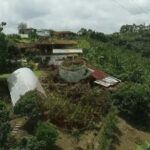
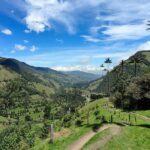
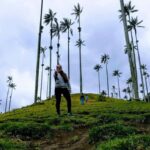
Salento, Cocora and the Wax Palms
From Branch to Cup
Just added to our Salento Colombia shelf
- Salento: hike to learn about Birds
★ 4.9 · 6 reviews - Salento: Coffee Master Roasting, Brewing and Tasting Tour
★ 4.8 · 6 reviews - Cocora Valley: Route of the Hummingbirds + breakfast & lunch
★ 4.9 · 6 reviews - Santa Rita Waterfall and Salento Private Tour
★ 5.0 · 9 reviews - Salento: Salento & Cocora Valley Tour
★ 5.0 · 11 reviews
Colombian Coffee Farm Tours, compared.
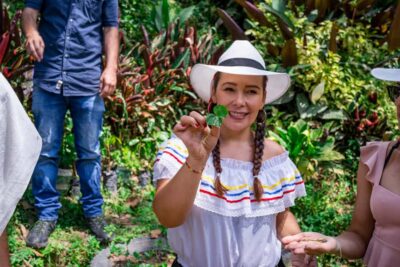 ★ 4.7Medellin: Coffee Tour with Transport, Snacks and TastingsFrom $801,357 reviews
 ★ 4.9Medellín Coffee Farm Tour with Trolley and Cable Car RideFrom $56277 reviews
 ★ 5.0Coffee Tour at the Finca del CaféFrom $40213 reviews
 ★ 4.8Medellin: Coffee Tour and Wellness SpaFrom $88209 reviews
 ★ 4.9Salento: Private Cocora Valley, Salento & Coffee Farm TourFrom $157202 reviews
 ★ 4.9Medellin: Coffee Tour with Hotel Transfers and MealsFrom $70186 reviews
 ★ 4.8Medellin: Horseback Riding Coffee Farm Tour with Coffee SpaFrom $150151 reviews
 ★ 4.5From Bogotá: Coffee Farm and Tequendama Falls TourFrom $85130 reviews
Where else this tour turns up