
REVIEW · MANGROVES, BIRDING & NATURE RESERVES
Hiking to the largest paramo on earth : Sumapaz
Sumapaz hits you fast. One day in the páramo feels like traveling to another planet. I like that this trip is built for small groups, so you spend your time on the trail, not waiting around in crowds.
The two best parts are the ecosystem education and the food breaks that make altitude feel less brutal. Guides like Juan and Andrea keep things clear and friendly, then you top it off with breakfast before the climb and comforting snacks afterward.
The main thing to watch is the altitude and weather. You’ll be at roughly 3,500 to 4,000m, often in wind and cold, and the trail can get muddy and slippery.
In This Review
- Key things to know before you go
- Why Sumapaz Feels Like a Different Planet
- Getting There From Bogotá: A Real Morning, Not a Half-Promise
- Breakfast Before the Climb, Then Arepa and Agua de Panela
- Entering Parque Nacional Natural Sumapaz on Foot
- Altitude Reality Check: How to Avoid Getting Wrecked
- Guides Matter Here: Juan, Andrea, Gabi, and Alejandro
- What to Pack for a Cold, Cloud-Wrapped Páramo Day
- Timing and Weather: How to Maximize Your Chances
- Price and Value: What You Really Get for $130
- Who Should Book This Sumapaz Hike?
- Should You Book This Tour or Skip It?
- FAQ
- How long does the Sumapaz hike take?
- What time does the tour start?
- Where do I meet for the tour?
- How many people are in the group?
- Is breakfast included?
- What fitness level do I need?
- What should I pack for the weather and trail?
- Is altitude sickness a concern?
- What happens if the weather is poor?
- What is the cancellation window?
Key things to know before you go
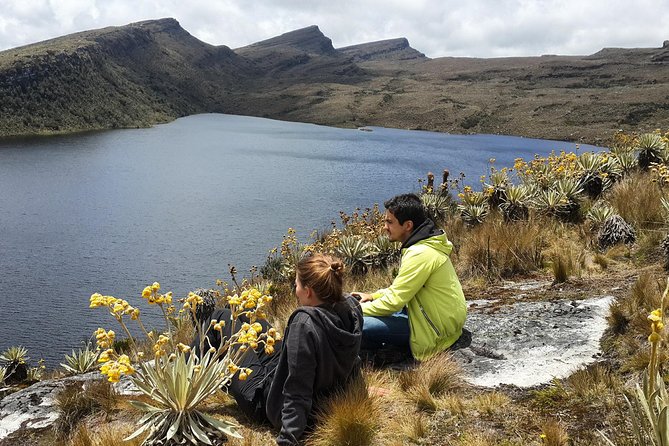
- Sumapaz is the world’s biggest páramo/high plateau, with unique plants and a landscape shaped by water.
- Small group limit of 4 travelers, so your guide can set a real pace for breathing.
- About 4 hours on foot inside Parque Nacional Natural Sumapaz, with extra time for transport and meals.
- Breakfast included, plus an arepa and hot agua de panela after the hike in many cases.
- Expect cold, wind, and rain risk year round, even when the forecast looks okay.
- Start at 7:30am from Panadería Nicol con Cra. 35a #35-99, then ride out of Bogotá before you begin climbing.
Quieter reserves, and the birds in them
- Sumapaz Páramo Private Hike Tour★ 5.0 · 52 reviews
- Bogotá: Sumapaz National Park Hike Tour★ 4.9 · 13 reviews
- Chicaque Full-Day Trip from Bogotá★ 3.2 · 4 reviews
- Birdwatching Day Tour at Chicaque Natural Park★ 4.3 · 4 reviews
Why Sumapaz Feels Like a Different Planet
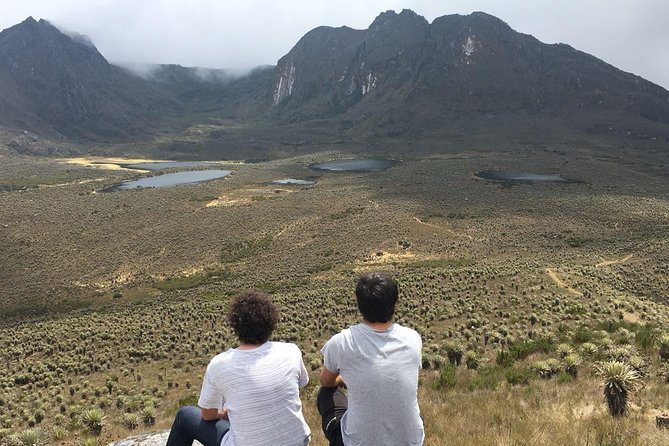
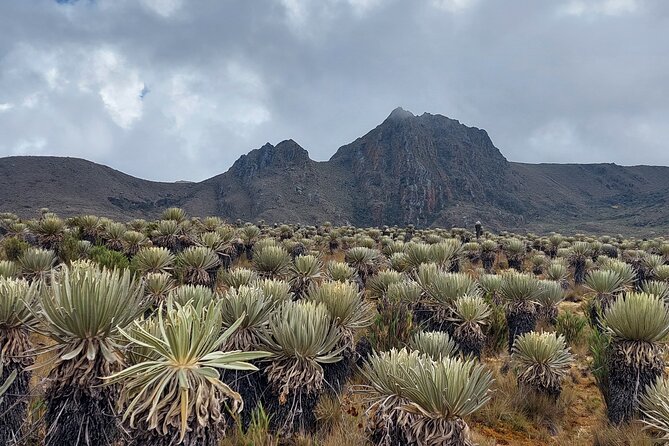
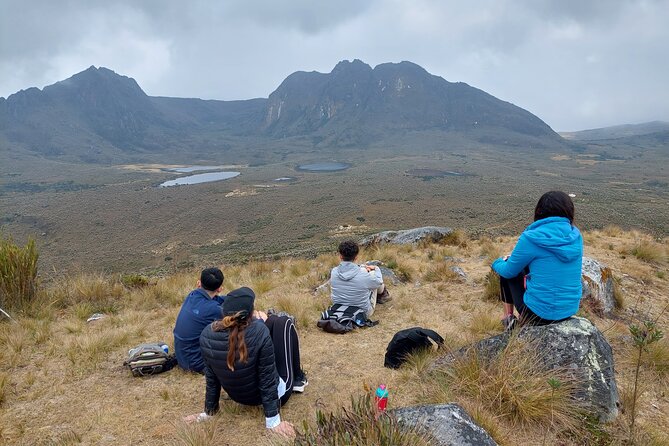
Sumapaz is not a normal hike. It’s the biggest high plateau on Earth, and it comes with a serious job: feeding water to Bogotá. The higher you get, the more the plant life changes, until you’re walking through a place that looks built for clouds, cold air, and fog.
What I love most is how the guide makes the páramo feel understandable. You’re not just “seeing plants.” You’re learning why the ecosystem exists, how it survives, and why this high plateau matters far beyond the view you’re staring at.
And the views really do feel unreal. Even when visibility changes, the mix of cloud cover, wind, and high humidity creates that otherworldly feeling people talk about.
Getting There From Bogotá: A Real Morning, Not a Half-Promise
You meet at Panadería Nicol con Cra. 35a #35-99 at 7:30am. From there, you ride out with a driver to reach the edge of the highlands, usually taking roughly 45 minutes to 1.5 hours depending on the route and where you’re headed.
This is also where the small-group format matters. With a maximum of 4 travelers, you get a calmer start, fewer awkward delays, and more time for your guide to explain what’s ahead before you start climbing.
One practical note: the vehicle may not go all the way. On some days, you arrive at a point where the van can’t continue, then you start your ascent from there. So plan to feel like you’re hiking for real, not just walking around a scenic overlook.
Breakfast Before the Climb, Then Arepa and Agua de Panela
This day is structured around comfort. You stop for breakfast included before you start the hike, and it’s not just coffee and a cookie energy. One common choice you might see is costilla de res soup with a tinto (Colombian coffee), though the best part is that you sit down, warm up, and eat something before your body spends the next hours fighting altitude.
After the hike, many groups get a warm payoff: arepa and a hot agua de panela. It’s the kind of stop that makes sense here. You come down cold, tired, and maybe a little shaky from altitude. Then you get something hot and filling, and suddenly you’re human again.
If you’re the type who hates spending the first hour thinking about hunger, this tour’s meal timing is a big reason it scores so well.
Entering Parque Nacional Natural Sumapaz on Foot
Once you start ascending, the hike feels like it’s teaching you as you go. You gain elevation step by step, and the guide points out how fauna and plant life change with altitude. The higher parts are cold and often wrapped in clouds, so it’s normal if the scenery shifts from clear views to misty, soft edges.
The time on foot is typically around 4 hours in Parque Nacional Natural Sumapaz, though the full outing is longer due to transport and breaks. Plan for a total day closer to 6 to 8 hours, even if some people report it as shorter depending on pace and conditions.
The trail itself can be demanding. You might deal with hard steps, mud, and slick sections, especially if weather turns. Some sections are easier to handle by taking your time, while others ask for careful foot placement when the ground is wet.
More trail time around Bogota
Altitude Reality Check: How to Avoid Getting Wrecked
Let’s be honest: this is not just a scenery walk. The altitude can hit fast. People report feeling out of breath at around 3,500 to 4,000m, and the climb includes a quick gain early on.
The good news is that the tour usually gives you the right kind of help: guides encourage pacing, and small groups make it easier to slow down without feeling guilty. Even fit hikers say it takes a bit of practice to find a breathing rhythm.
Here’s what helps you enjoy the day instead of surviving it:
- Go slower than your brain wants to go.
- Take micro-breaks as needed, even if others are pushing.
- Expect wind and cold at the top, which makes breathing feel harder.
If you’re prone to altitude symptoms, treat this as a serious hike. Bring your caution, bring your layers, and don’t treat the first stretch like a warm-up jog.
Guides Matter Here: Juan, Andrea, Gabi, and Alejandro
This tour rises or falls on the guide, and Sumapaz is the kind of place that rewards a good one. The names you’ll see across departures include Juan, Andrea, Gabi, and Alejandro, and they’re consistently described as calm, patient, and tuned into the ecosystem.
Juan is often praised for being relaxed yet informative, and Andrea shows up for groups that want a clear, English-friendly explanation of what you’re seeing. Gabi is noted for mixing humor with strong context, and Alejandro is described as helping make the experience feel meaningful, not just educational.
What this looks like in real life: you don’t just march up the trail. You stop, look, listen, and understand why a plant or animal is here. And when the hike gets tough, many guides keep the mood steady with encouragement, especially during muddy, windy moments.
What to Pack for a Cold, Cloud-Wrapped Páramo Day
This is a day for gear, not vibes. Even if it looks cloudy instead of stormy, you can still get burned, so pack like the sun might show up.
Bring:
- Sunscreen and a hat (yes, even when it’s cloudy)
- Lots of water
- A waterproof jacket and rain protection
- Warm layers, especially for the windy top
- Good hiking shoes or waterproof boots
Many people specifically suggest waterproof boots or rain boots because mud and wet ground are common
Also think about breathability. You’ll be moving hard uphill, then cooling down during stops. Layering gives you control, instead of feeling stuck with one too-thin or too-thick option.
Timing and Weather: How to Maximize Your Chances
This experience depends on weather. If conditions are poor, the operator can switch the date or offer a full refund. That’s not a small detail here. The high páramo can wrap you in fog and make visibility unpredictable.
So how do you get the best day?
- Start early, so you have more daylight and better chances before weather shifts.
- Be flexible in your expectations. Even on great days, cloud cover can come and go.
- Show up prepared for rain, not shocked by it.
One positive pattern from feedback is that when skies cooperate, you get that clear, jaw-dropping view. But even when it’s wet, the páramo still delivers, because the experience is about the ecosystem and the route, not just a single postcard moment.
Price and Value: What You Really Get for $130
At $130 per person, this isn’t a “cheap and cheerful” outing. But it’s also not overpriced for what’s included.
For that price, you’re paying for:
- Park admission included (for the time you spend in the national protected area)
- A guided hike in a sensitive ecosystem where having local context matters
- Breakfast included before the climb
- Often a warm post-hike snack, like arepa and hot agua de panela
- Transport from Bogotá with a driver and group pickup
The small-group cap of 4 travelers is part of the value too. You get a more personal pace and less crowd friction when the altitude is making everyone’s legs feel like they weigh more.
If you want a big-bus hike with basic explanations, you can find alternatives. If you want a genuinely guided páramo day with meals and park access, this pricing starts to make sense.
Who Should Book This Sumapaz Hike?
I’d point you toward this tour if you:
- Want something truly different from Bogotá city sights
- Enjoy hikes where the guide teaches as you walk
- Are okay with cold, wind, and mud
- Can handle high altitude with a slow pace
You might think twice if you:
- Have trouble with altitude or get significant symptoms easily
- Hate muddy footing and slick descents
- Don’t want to hike for around a half-day on uneven terrain
Should You Book This Tour or Skip It?
Book it if you want the largest páramo experience near Bogotá and you care about understanding what you’re seeing, not just collecting views. The combination of small group size, breakfast and warm snacks, and guides like Juan, Andrea, Gabi, and Alejandro makes it feel well thought out.
Skip it only if altitude already makes you miserable or if you know you won’t tolerate cold, wind, and wet ground. Sumapaz is not a couch-to-trail shortcut. It’s a real hike in a very real ecosystem.
FAQ
How long does the Sumapaz hike take?
The hiking time in Parque Nacional Natural Sumapaz is about 4 hours, and the full outing is typically around 6 to 8 hours including transport and breaks.
What time does the tour start?
The start time is 7:30am.
Where do I meet for the tour?
You meet at Panadería Nicol, Cra. 35a #35-99, Bogotá, Colombia, and the tour ends back at the same meeting point.
How many people are in the group?
The group size is capped at a maximum of 4 travelers.
Is breakfast included?
Yes. Breakfast is included, and many departures also include food like arepa and a hot agua de panela after the hike.
What fitness level do I need?
The tour calls for moderate physical fitness. The altitude and the steep parts can make it feel strenuous even if you are reasonably active.
What should I pack for the weather and trail?
Bring sunscreen and a hat, and plan for cold and wet conditions. Good shoes matter, and waterproof rain protection and warm layers are strongly recommended because the top can be windy and cold.
Is altitude sickness a concern?
Yes, the hike reaches high altitude and some people feel out of breath quickly. Go at your pace, take stops when you need them, and take altitude seriously.
What happens if the weather is poor?
This experience requires good weather. If it gets canceled due to poor weather, you’ll be offered a different date or a full refund.
What is the cancellation window?
You can cancel for free up to 24 hours in advance for a full refund, with the usual rule that canceling less than 24 hours before start time is not refunded.
The Rest of Our Bogota Reviews



Boots On Around Bogota, Other Trails
Quiet Water, Loud Birds
Just added to our Bogota shelf
- Fun Graffiti Workshop: The Art of Aerosol and Color
★ 5.0 · 3 reviews - From Bogota: White Water Rafting Experience
★ 4.4 · 3 reviews - From Bogota: Excursion to Jaime Duque Park
★ 5.0 · 3 reviews - Bogotá: La Candelaria Food Tour with Tastings
★ 4.2 · 3 reviews - Walking tour José Celestino Mutis Botanical Garden 3 hrs
★ 5.0 · 3 reviews
Mangroves, Birding & Nature Reserves, compared.
 ★ 4.8Cartagena: Mangrove Eco Tour & Fishing with TransportationFrom $55185 reviews
 ★ 3.7Full Day Barú island: Mangrove +Snorkel + Sunset + PlanktonFrom $69139 reviews
 ★ 3.8Cartagena: Snorkel, Mangroves and Playa Blanca Tour132 reviews
 ★ 4.0Adventure full day Isla Barú + Mangroves + Snorkel + bioluminescent planktonFrom $6595 reviews
 ★ 4.5Magical Full-Day Tour Through The Mangroves And The Beach In Isla de BarúFrom $4590 reviews
 ★ 4.8Typical lunch on beach, mangrove tour & fishing with nativesFrom $8479 reviews
 ★ 4.9Cartagena: Rosario Island and Mangroves Private Day TripFrom $24473 reviews
 ★ 5.0Admission to Andoke Butterfly Center in Cali with Release RitualFrom $1955 reviews
Where else this tour turns up