
REVIEW · MANGROVES, BIRDING & NATURE RESERVES
La Boquilla: 3-Hour Canoe Tour through the Mangroves
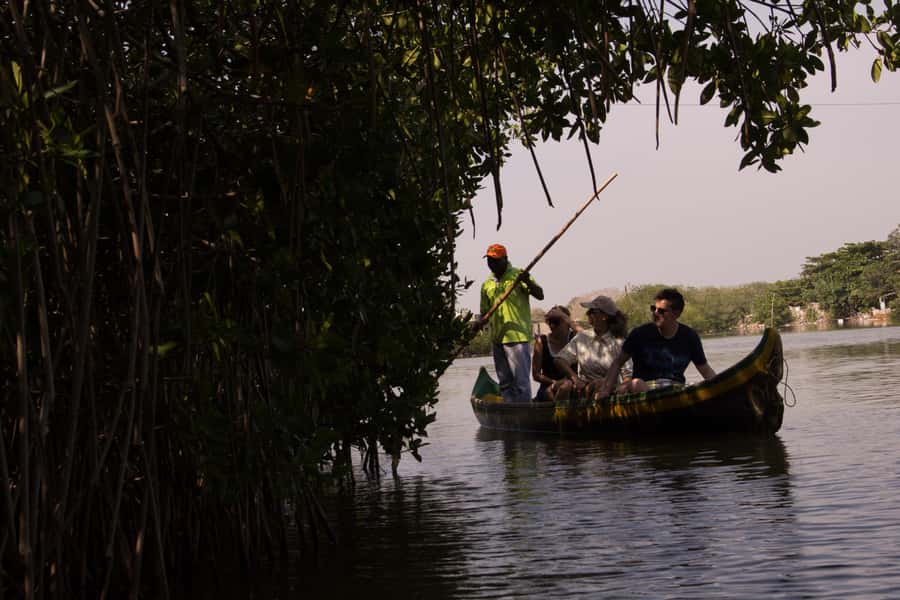
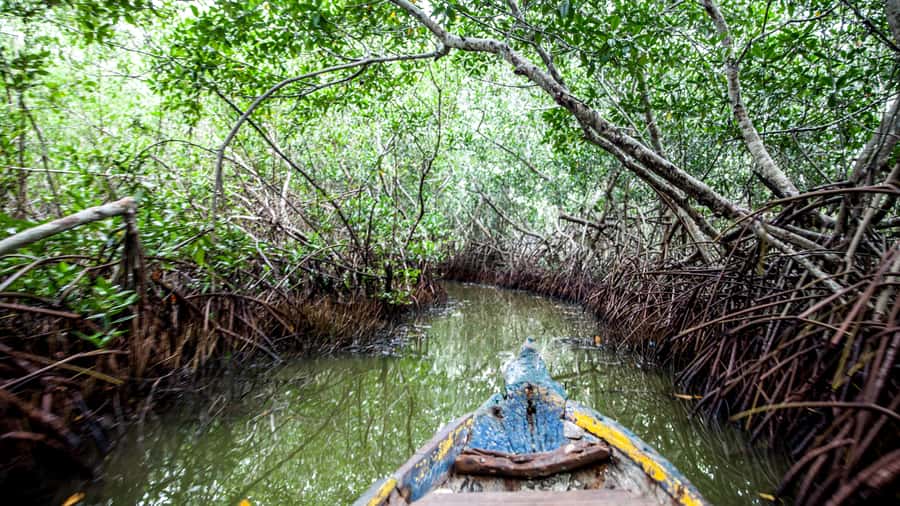
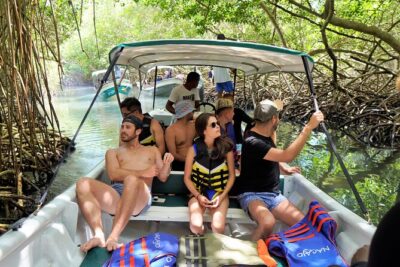
The mangroves here are a living maze. A 3-hour canoe paddle through La Boquilla lets you slow down, glide into mangrove tunnels, and learn how this ecosystem protects both wildlife and the people who depend on it.
What I like most is the local fisherman guide side of the experience. You get explanations you actually hear while you’re paddling, plus stories tied to daily life in La Boquilla, not just generic nature facts.
The other big win is the wildlife and the calm. Expect birds like herons and egrets plus fish and crabs in a place that also works like a natural coastal shield. One thing to consider: even when English is offered, you may hear more Spanish in real life, so a little Spanish helps.
In This Review
- Key highlights at a glance
- La Boquilla mangroves: a different side of Cartagena
- Getting there and timing: how the 3 hours usually plays out
- From hotel pickup to the canoe: the logistics that affect comfort
- On the water with local fishermen: what the guide adds
- Wildlife spotting in mangroves: herons, egrets, and more
- Afro-Colombian community and conservation: why this feels human
- Language and guide expectations: plan for Spanish, use English as support
- Price and value: is $159 worth it?
- What to bring for comfort and photos (without overpacking)
- Small moments that make the tour feel complete
- Who this canoe tour suits best
- Should you book La Boquilla? My decision guide
- FAQ
- How long is the tour?
- What does the price include?
- Is pickup included from hotels?
- What wildlife will we see?
- What should I bring to the tour?
- What language will the guide speak?
- Is the tour accessible for everyone?
Key highlights at a glance
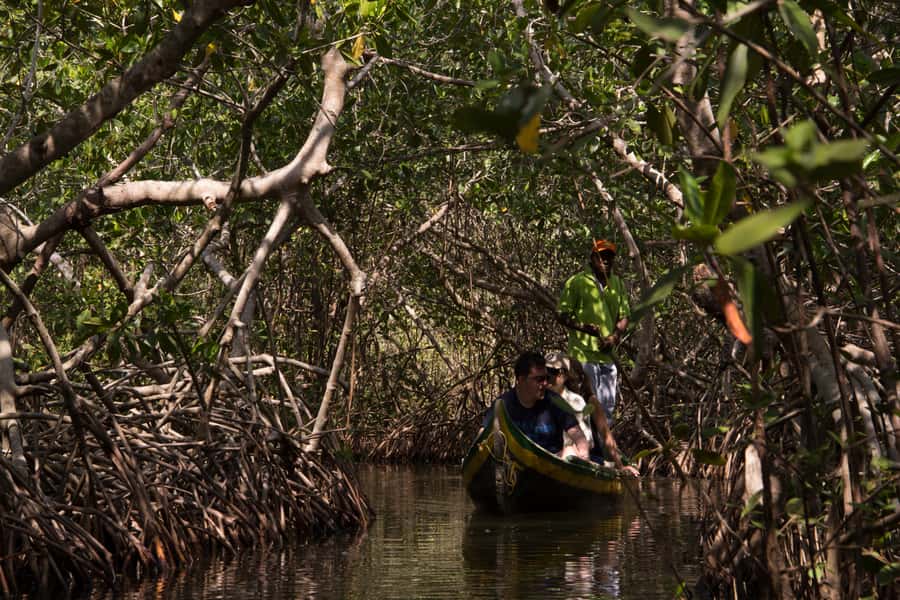
- Mangrove tunnels by canoe, guided by lifelong local fishermen
- Afro-Colombian culture and conservation, explained in context
- Wildlife spotting with chances to see herons, egrets, and more
- Round-trip hotel transportation from Cartagena’s central areas
- Cold coconut water included for a quick reset
- Small groups limited to 8 for easier attention on the water
Quieter reserves, and the birds in them
- Cartagena: Mangrove Eco Tour & Fishing with Transportation★ 4.8 · 185 reviews
- Full Day Barú island: Mangrove +Snorkel + Sunset + Plankton★ 3.7 · 139 reviews
- Cartagena: Snorkel, Mangroves and Playa Blanca Tour★ 3.8 · 132 reviews
- Adventure full day Isla Barú + Mangroves + Snorkel + bioluminescent plankton★ 4.0 · 95 reviews
La Boquilla mangroves: a different side of Cartagena
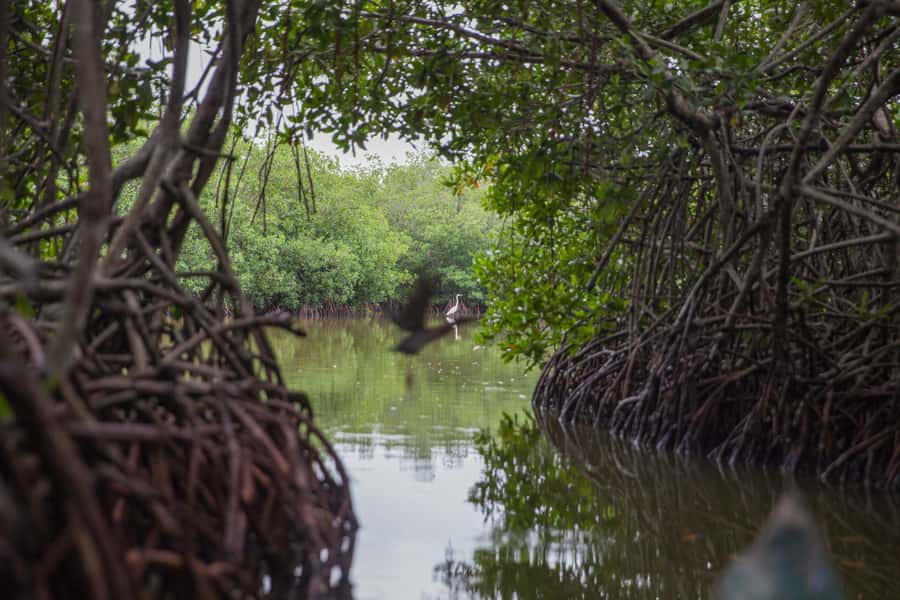
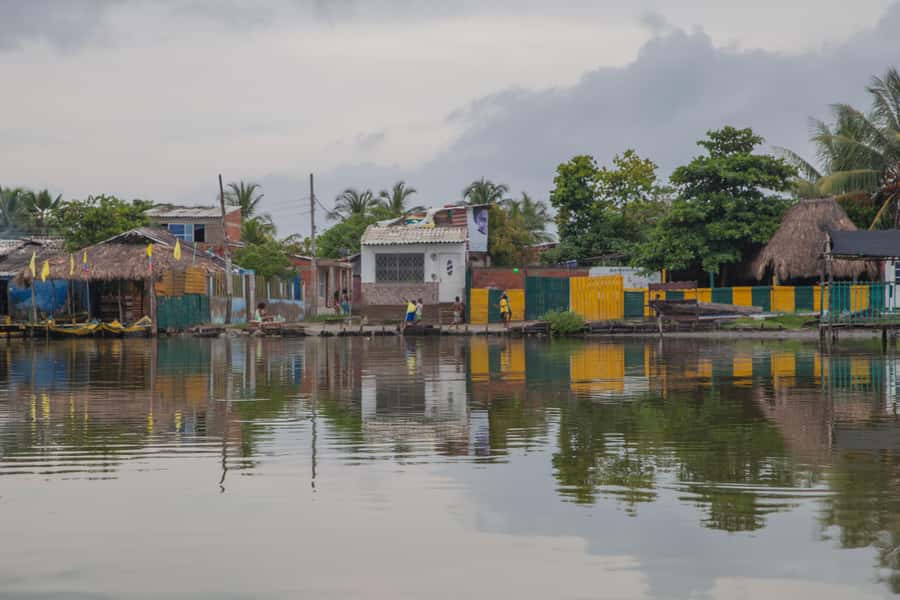
Cartagena is famous for stone streets and postcard views. La Boquilla is the change of pace you need. This area is built around mangroves, those twisting root systems that act like both a home and a protective wall.
When you enter the channels, you can feel why mangroves matter. The roots slow the water, create sheltered spaces, and give juvenile fish and crabs a safer place to grow. Mangroves also help protect the coastline from erosion and storms, which is huge here since livelihoods are tied to what the water gives back.
You’re not just looking at nature from a distance. You’ll be moving slowly through narrow waterways that make you pay attention. That’s when the guide’s stories land. You’ll hear how community-led conservation has helped bring the mangroves back, and how local people defend that balance because it supports both culture and work.
Getting there and timing: how the 3 hours usually plays out
The full tour window is 3 hours, and that includes round-trip transportation from Cartagena hotels in central areas. You’ll be picked up, driven to La Boquilla, and then meet your canoe team.
On the water, expect about 1 to 1.5 hours of actual canoe time. The rest is travel, prep, and the in-between moments like short stops and the cultural/environment education part.
This matters because mangrove trips feel different than a walking tour. You’re not trying to “see everything fast.” You’re trying to move at a human speed, so you can hear explanations, spot wildlife, and enjoy the calmer rhythm of the waterways.
Also note the pickup detail: if you’re staying around Manzanillo, there may be an additional fee. If you’re budgeting carefully, it’s smart to confirm the total cost when you book.
From hotel pickup to the canoe: the logistics that affect comfort
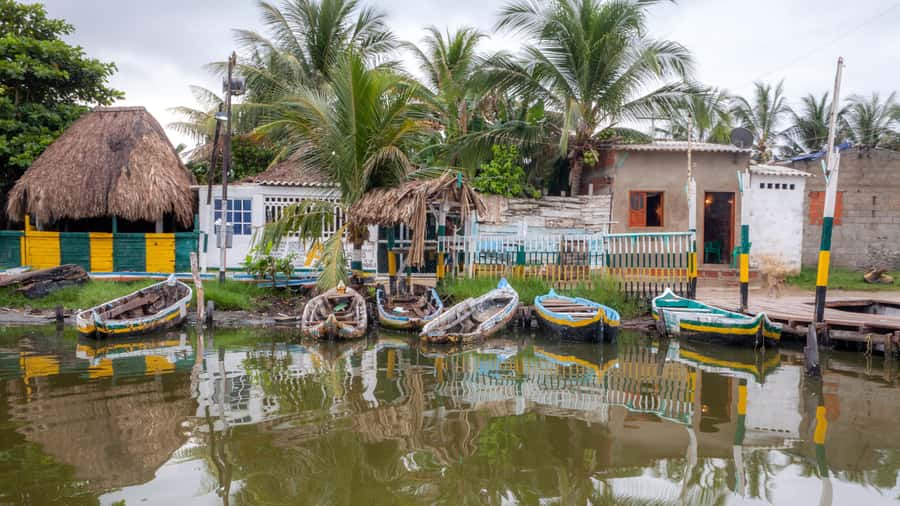
The day starts with a straightforward pickup from central Cartagena hotels. You’ll be shuttled out to the La Boquilla area, where the experience shifts from city energy to community water life.
The tour runs with a small group (up to 8 participants), which keeps the trip from feeling crowded. Less crowd usually means you get more back-and-forth with the guide, and it’s easier to ask questions when you spot a bird or notice something in the roots.
There’s also a practical rule you should respect: no oversize luggage or large bags. Bring what you need for sun and comfort, but keep it light. If you’re bringing a camera, protect it from water spray, because you’re paddling through roots and narrow channels.
One more comfort note: this is not positioned as an easy walk-up nature outing. The tour is not suitable for pregnant women or people with back problems, so if you fall into either category, it’s worth choosing something else in Cartagena that matches your body needs.
On the water with local fishermen: what the guide adds
The heart of this experience is the combination of canoeing plus guidance from people who live with the mangroves every day.
You’ll go out with a local fisherman guide, and in many cases the paddler and guide work as a team to keep things smooth on the water and make sure you get the explanations at the right moment. In one example, the guide was Emanuel, and the paddler was Pablo, which is exactly the kind of setup that helps because you learn while you’re doing.
You can expect a conversation-style education component focused on the mangrove ecosystem, including why the roots form tunnels, how the habitat supports birds and sea life, and what community conservation efforts look like in practice.
This is one of those tours where the guide’s role is not just to point. They help you interpret what you’re seeing, like why a certain area feels still, or why the mangrove roots act as both shelter and filtration for the water around them. That’s the difference between watching wildlife and understanding the system that keeps wildlife there.
Wildlife spotting in mangroves: herons, egrets, and more
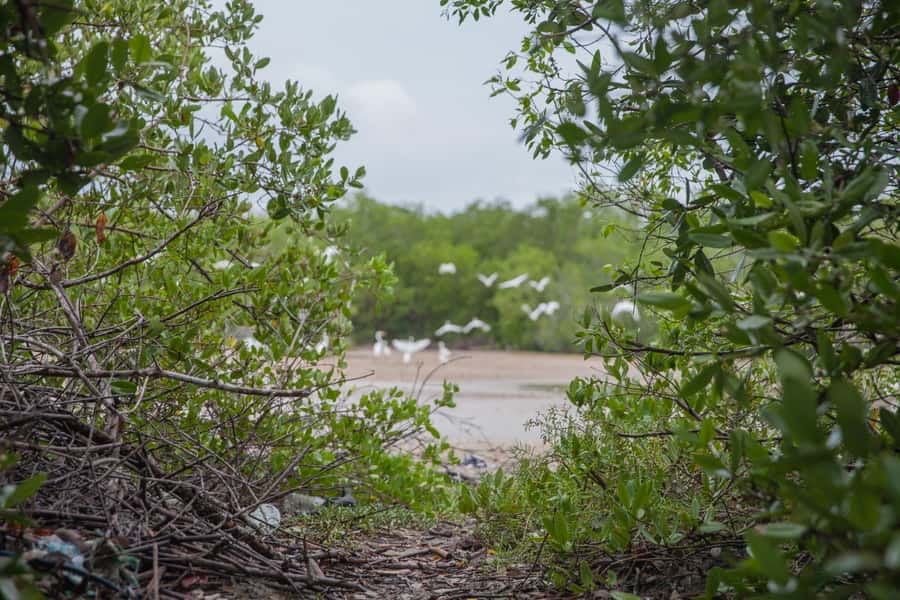
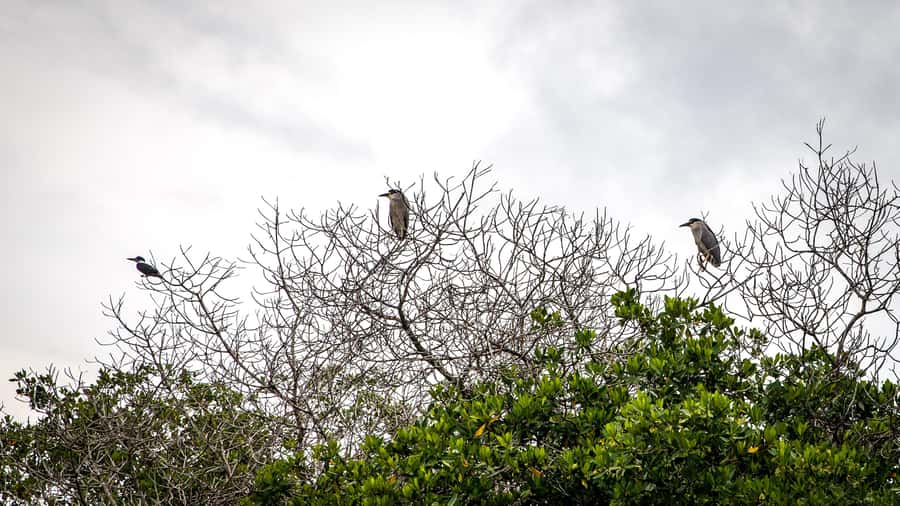
The highlights call out herons and egrets, and those are exactly the birds you have a decent chance of spotting in calm mangrove channels. Look for tall birds along edges and where the roots thin out, because that’s where they can stand and watch for movement.
Beyond birds, mangroves are a working ecosystem. You might notice signs of fish activity, movement in the water near roots, or crabs in the mangrove areas. The point is not to turn it into a checklist. The point is to see how the habitat functions minute by minute.
What I like about the way this trip is structured is that the wildlife spotting feels low-pressure. You’re not rushing to “tick boxes.” You’re moving slowly, stopping when the guide wants you to observe, and letting the ecosystem do the talking.
If you’re the type who likes photos, bring patience. Mangrove wildlife often appears for short bursts. You’ll be in a position to notice those moments because you’re quiet and steady in a canoe, not bouncing around on a fast boat.
Afro-Colombian community and conservation: why this feels human
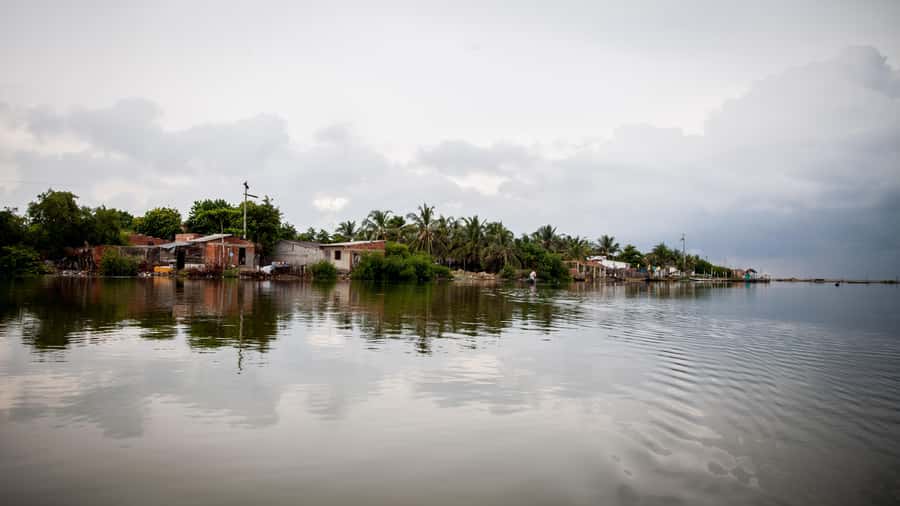
One of the most meaningful parts is the cultural layer. La Boquilla is described as an Afro-Caribbean community, and the tour frames the mangroves as part of identity, not just scenery.
That’s why it can feel different from a generic nature tour. Instead of only talking about birds and plants, you’ll also hear how community livelihoods connect to mangrove health. When mangroves recover, people benefit. When they’re damaged, the whole chain gets strained.
This is also why the trip works well as a counterpoint to central Cartagena. You’ll experience a contrast between the historic center and the everyday reality of a fishing community that has shaped itself around the water and roots.
And conservation here is not a distant concept. It’s community-driven. You’ll get a sense of the challenges locals face to protect the ecosystem, and that makes your wildlife sightings feel more grounded.
Language and guide expectations: plan for Spanish, use English as support
The tour is listed with Spanish and English, and it’s presented as having an English-speaking guide. Still, one practical caution shows up from real-world experience: your guide may use English only lightly, with Spanish doing most of the work.
So here’s my honest advice. If you rely on English, you’ll probably be fine if you can follow key ideas. But don’t assume every sentence will be fully translated. Even basic Spanish helps you feel included, especially when the guide is talking about culture and conservation details.
If you’re nervous about language, a simple prep helps: learn a few phrases about mangroves, wildlife, and conservation. You can also keep a note of your must-ask questions in English and use them even if the answer comes back in Spanish.
Price and value: is $159 worth it?
At $159 per person, this isn’t a budget impulse buy. But it can be a good value if you care about three things: local guidance, a small group size, and hands-on access to the mangrove channels.
Here’s what you’re paying for:
- Round-trip transportation from Cartagena central hotels
- A small group capped at 8
- Local fishermen guidance plus an education session
- Coconut water refreshment
- Canoe time inside a specific habitat where you genuinely need local know-how
One interesting pricing detail: this tour is essentially booked per canoe, and if you book solo you may end up with a private-feeling setup. That can make the price feel more reasonable because you’re not splitting attention with a large group.
Now, the “watch out” part. Additional drinks are not included, and you might want some small change for tipping when your guide or paddler supports you on the water. If there’s a stop for handling coconuts or a brief island moment, plan to be ready with cash for gratuities, just in case.
Also keep expectations aligned: the canoe portion is about 1 to 1.5 hours. The rest is travel and the cultural/environment component. If you want a long, nonstop paddle, you may need a longer-activity option. If you want context and access, this length works well.
What to bring for comfort and photos (without overpacking)
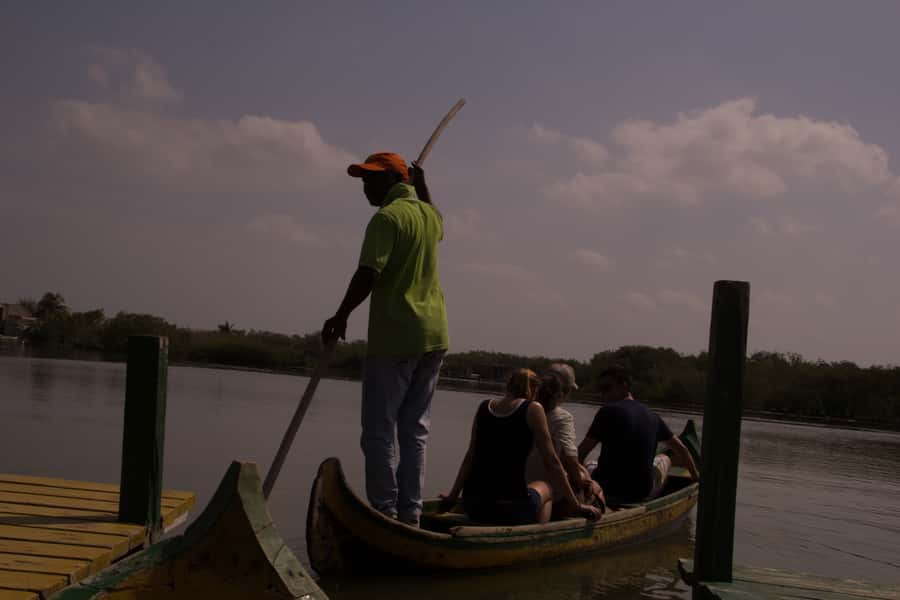
This is a sun-and-water environment. Bring items that make it pleasant instead of sweaty and miserable.
You should bring:
- Passport or ID card
- Comfortable shoes
- Sunglasses
- Sun hat
- Sunscreen
And keep luggage minimal. The tour specifically notes that you should not bring oversize bags or large luggage. If you’re carrying a daypack, keep it manageable. You want room for essentials without turning the canoe trip into a moving-storage problem.
For photos, sunglasses and a hat matter more than you think. Mangroves can look calm on the surface, but glare can be real.
Small moments that make the tour feel complete
The included refreshment is cold coconut water, which is exactly the kind of included detail that makes the day feel cared for. It’s refreshing and it fits the coastal rhythm of the community.
You may also have a short stop during the canoe portion, and it’s common for the experience to include something hands-on, like coconut preparation. One practical note: if coconuts are cut and served during your trip, you’ll want to stay attentive and follow the guide’s lead, especially if there’s a brief pause on an island.
And yes, tipping can come up. You might be asked to give a small amount to the fisherman/paddler at some point. Bring a bit of change so you’re not scrambling later.
Who this canoe tour suits best
This is a strong pick if you:
- Want a quiet, nature-focused outing without leaving Cartagena entirely behind
- Like tours with local storytelling and community conservation context
- Enjoy wildlife spotting but prefer patience over speed
- Appreciate small groups and personalized guidance
It may not be the best fit if you:
- Have back problems or mobility concerns that make canoeing uncomfortable
- Are pregnant, since the tour is listed as not suitable
- Want all-english narration guaranteed, since language levels can vary
If you’re traveling with a mix of interests, this can be a perfect bridge day. It’s scenic, but it’s also about people and protection work.
Should you book La Boquilla? My decision guide
Book it if your ideal Cartagena day includes more than viewpoints. This trip gives you mangrove tunnels, wildlife chances, and a human explanation of why the ecosystem matters. The combination of local fisherman guidance plus cultural conservation content is the real reason it works.
Skip it or choose a different option if you need fully English instruction with constant translation, or if canoeing will be uncomfortable for your body. Also, if you’re strictly chasing the cheapest activity, the $159 price is a premium, and you’ll want to feel that you’re paying for access plus education, not just a boat ride.
If you want one practical move before you book: message the operator about English expectations. That small step can save you frustration and help you get the tour style you want.
If your goal is to see Cartagena from the water and understand what keeps these mangroves alive, this is the kind of experience that sticks.
FAQ
How long is the tour?
The tour runs for 3 hours total. The canoe time is typically about 1 to 1.5 hours, with the rest of the time used for transportation and guidance.
What does the price include?
It includes round-trip transfers from your Cartagena hotel, a guided canoe tour with local fishermen, an environmental and cultural education session, cold coconut refreshment, and an English-speaking guide (languages listed as Spanish and English).
Is pickup included from hotels?
Yes, pickup is included from central hotels in Cartagena. Pickup from hotels in the Manzanillo area may cost extra, so it is best to confirm details when booking.
What wildlife will we see?
The highlights focus on birds like herons and egrets, plus other wildlife that thrives in the mangrove ecosystem.
What should I bring to the tour?
Bring your passport or ID card, comfortable shoes, sunglasses, a sun hat, and sunscreen.
What language will the guide speak?
The tour languages are listed as Spanish and English. The guide is described as English-speaking, but you should still expect some Spanish may be used during the experience.
Is the tour accessible for everyone?
No. The tour is listed as not suitable for pregnant women and not suitable for people with back problems. Oversize luggage and large bags are also not allowed.
The Rest of Our Cartagena Reviews


Everything Else We Reviewed in Cartagena


Quiet Water, Loud Birds
Just added to our Cartagena shelf
- White Night Boat Party: Dinner Buffet, Dancing and Open Bar
★ 4.6 · 3 reviews - The best sunset tour in the bay: Open bar party & fun
★ 5.0 · 3 reviews - Tayrona Park adventure in Santa Marta: Cabo San Juan from Cartagena
★ 3.8 · 3 reviews - Cartagena: Rosario Islands Private Boat Tour
★ 4.8 · 3 reviews - Mud Volcano Tour in Cartagena with Lunch
★ 3.4 · 3 reviews
Mangroves, Birding & Nature Reserves, compared.
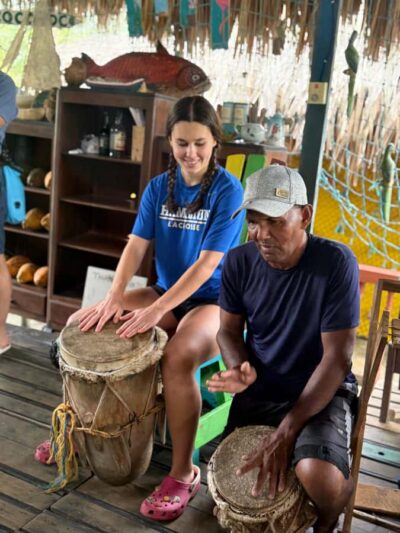 ★ 4.8Cartagena: Mangrove Eco Tour & Fishing with TransportationFrom $55185 reviews
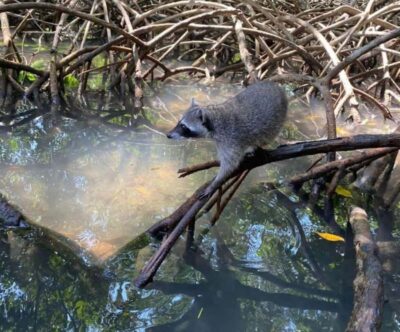 ★ 3.7Full Day Barú island: Mangrove +Snorkel + Sunset + PlanktonFrom $69139 reviews
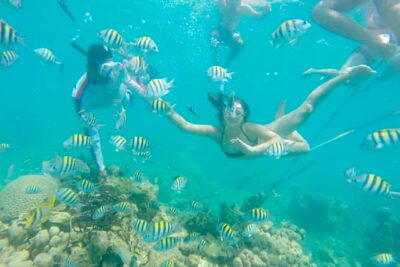 ★ 3.8Cartagena: Snorkel, Mangroves and Playa Blanca Tour132 reviews
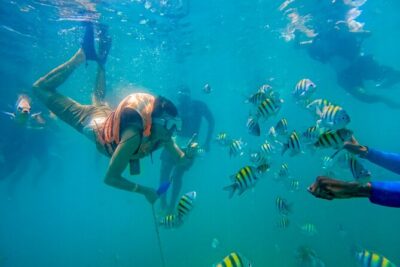 ★ 4.0Adventure full day Isla Barú + Mangroves + Snorkel + bioluminescent planktonFrom $6595 reviews
 ★ 4.5Magical Full-Day Tour Through The Mangroves And The Beach In Isla de BarúFrom $4590 reviews
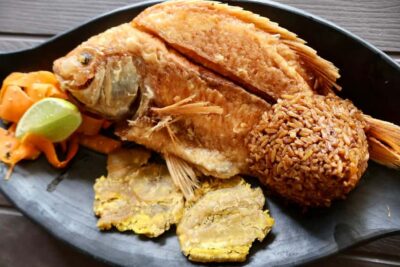 ★ 4.8Typical lunch on beach, mangrove tour & fishing with nativesFrom $8479 reviews
 ★ 4.9Cartagena: Rosario Island and Mangroves Private Day TripFrom $24473 reviews
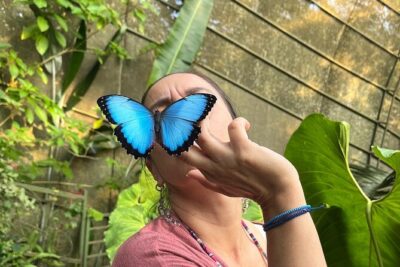 ★ 5.0Admission to Andoke Butterfly Center in Cali with Release RitualFrom $1955 reviews
Where else this tour turns up