
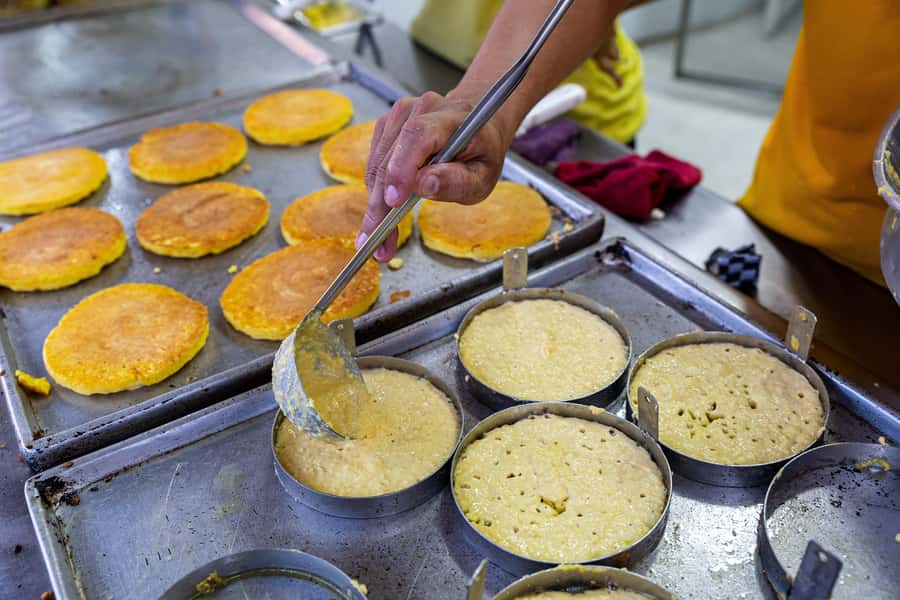
REVIEW · COLOMBIAN FOOD, FRUIT & STREET EATS
Medellín: E-bike and Foodie Tour
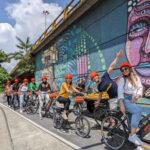
This ride shows Medellín’s real pulse. It pairs an e-bike route with food that has a backstory, guided by locals like David who connect neighborhood life to what you eat. I especially like how fast you get out of the busiest tourist grid, then slow down enough to notice the city up close.
I also love the practical side: the ride is designed for real streets, with stops that feel local, not staged. You might catch moments like old-school card games in a plaza, then follow the smell of fresh buñuelos into a traditional bakery.
One thing to consider, though, is simple: this tour isn’t for you if you can’t ride a bike comfortably, since you’ll be cycling the whole time even with electric help.
In This Review
- Key highlights worth your attention
- The fast route to Medellín’s everyday neighborhoods
- Starting at Turibike, then settling into an easy rhythm
- Unidad Deportiva de Belén: a food stop with local roots
- Parque Belén: bike time plus the kind of stories you came for
- Laureles: regional food and a sense of neighborhood identity
- Conquistadores: local snacks that keep the momentum
- Another food tasting stop, then the Medellín River Parks visit
- How guides like David, Toto (Juan Pablo), and Dany shape the experience
- Price and value: why $48 for 3 hours can make sense
- Riding tips so you feel confident (and not stressed)
- What kind of traveler should book this Medellín tour
- Should you book the Medellín e-bike and foodie tour?
- FAQ
- How long is the Medellín E-bike and Foodie Tour?
- How much does it cost?
- Where do I meet the tour?
- What’s included in the price?
- What’s not included?
- What should I bring or wear?
Key highlights worth your attention
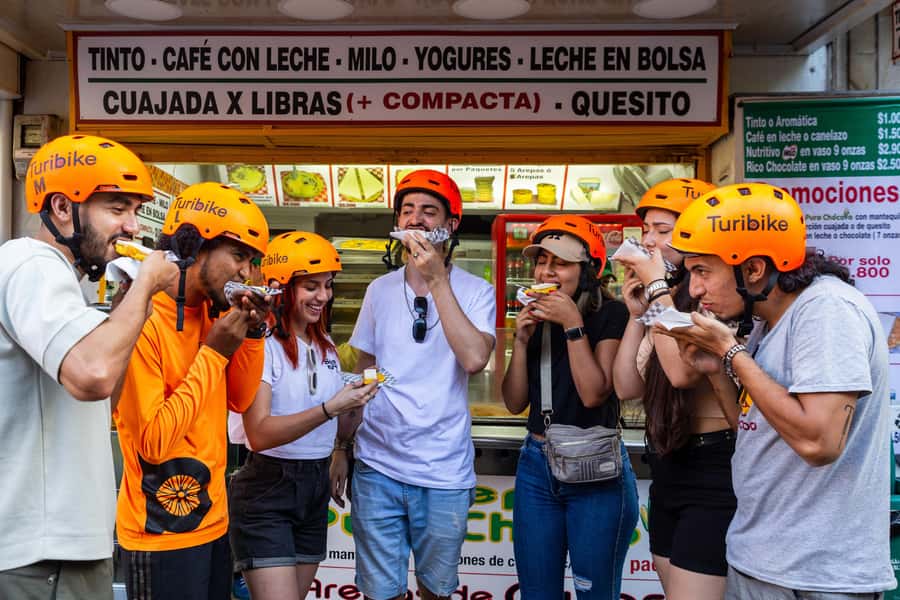
- E-bike momentum that gets you past tourist-heavy areas fast, without turning the day into a bus tour
- Food with context, where you learn the roots of dishes, not just how they taste
- Small group size (8 max), which makes it easier for your guide to keep the ride calm and personal
- Neighborhood variety, from Belén and Laureles vibes to Conquistadores snacks and the River Parks
- Safety-first riding, with guides focused on smooth bike-lane navigation and quick fixes when needed
Other tables, stalls and fruit carts nearby
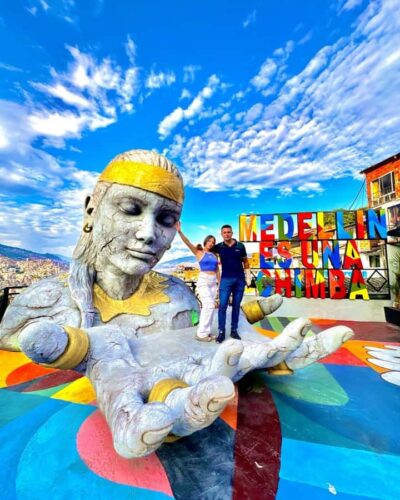
- Medellin: Comuna 13 Graffiti Tour, Cable Car & Street Food★ 4.8 · 9,046 reviews
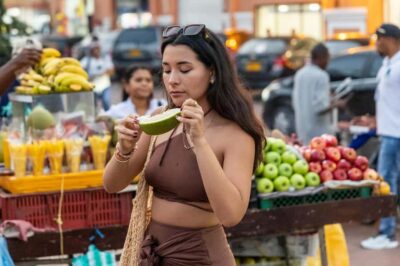
- Medellín: Comuna 13 True Story and Street Food Tour★ 4.9 · 1,779 reviews
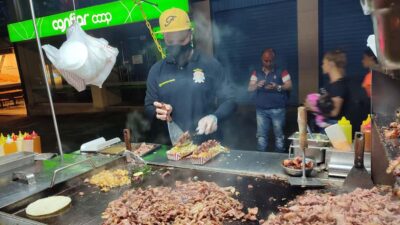
- Medellin: Street Food and Poblado Rooftop Tour with a Local★ 4.8 · 317 reviews
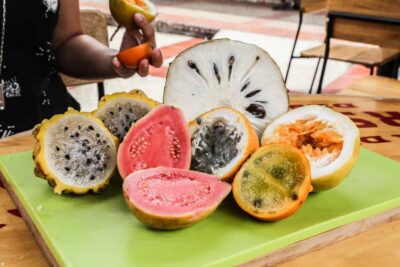
- Medellín Multi-sensory Tour in the market, +15 Exotic Fruits★ 5.0 · 113 reviews
The fast route to Medellín’s everyday neighborhoods
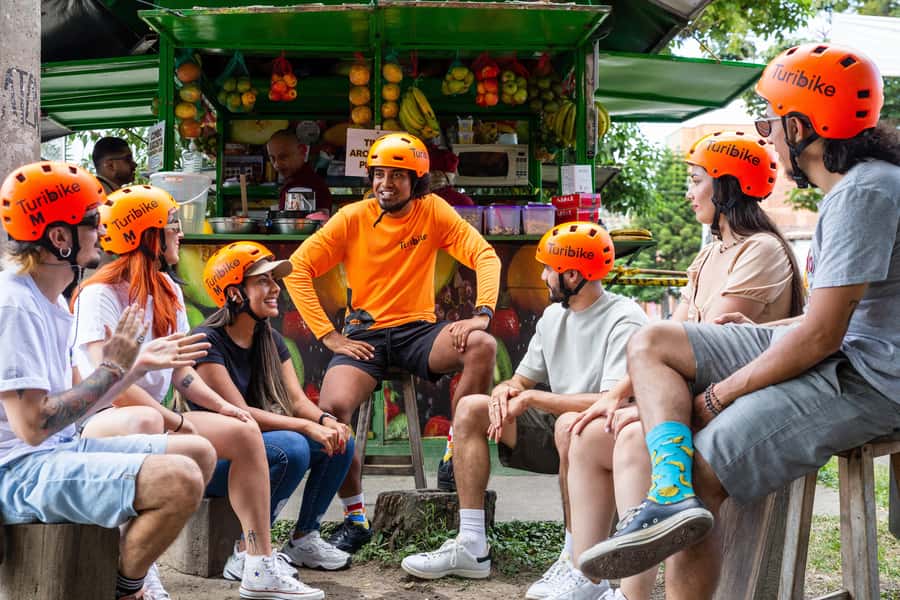
Medellín can feel like two cities at once. There’s the postcard version near the main sights, and then there’s the Medellín you see when you move like a local. This e-bike tour is built for that second city, and the electric assist means you spend less time fighting hills and more time paying attention.
I like that it doesn’t try to do everything in one huge loop. Instead, you hop on at Turibike and gradually widen your view, moving from one neighborhood rhythm to the next. That approach helps you understand how Medellín has changed over time, but also how daily life still looks familiar.
You’ll also notice the change in atmosphere. Traffic and noise drop away as you leave the most tourist-focused blocks. The ride then takes you into quieter streets where everyday scenes are the main event, like elders in the plaza playing cards and people continuing their routines.
Starting at Turibike, then settling into an easy rhythm
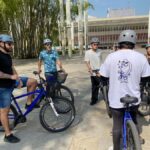
The meeting point is at Turibike, located in a coworking space on an industrial street. Look for the brick building with a big black metal door, and if it’s closed, knock and a guard will let you in. It’s a straightforward start, but it helps to arrive a few minutes early so you’re ready to roll.
Once you’re on the bike, the pacing becomes the trick. E-bikes handle the heavy lifting, so you can keep a steady effort instead of surging and stopping constantly. You get to cover real distance in 3 hours, and the stops break the ride into manageable chunks.
This is a small-group setup too, limited to 8 participants. That matters because it keeps the group compact on bike paths and at food counters. You’re not shouting across a crowd to ask a question, and your guide can keep everyone close.
Unidad Deportiva de Belén: a food stop with local roots
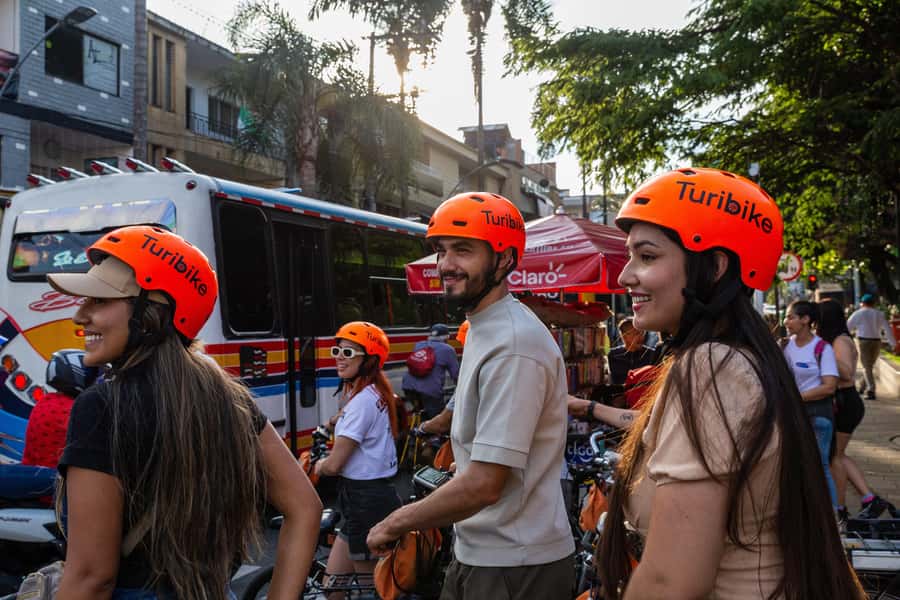
Your first major taste happens at Unidad Deportiva de Belén. “Deportiva” can sound like a generic sports setting, but on this tour it’s a window into how neighborhoods feed their own communities. Food is the common language, and this stop sets the tone: you’re not only sampling, you’re learning why these items matter.
Based on the kinds of foods people talk about from this route, you might encounter classics like coffee, pandebono, salpicón de frutas, and guarapo. Even when the exact menu varies, the pattern stays the same: you’ll get small, meaningful portions that fit a moving bike tour.
What I like here is the contrast. You start in a place that feels practical and local, then you connect the flavors to people’s habits, not tourist tastes. That’s how a foodie tour becomes more than eating on the go.
Potential drawback: because this is the first stop, you may want to keep your stomach ready for multiple bites across the next hour. If you usually eat light, plan on feeling hungry again later in the tour, not just after the last stop.
Parque Belén: bike time plus the kind of stories you came for
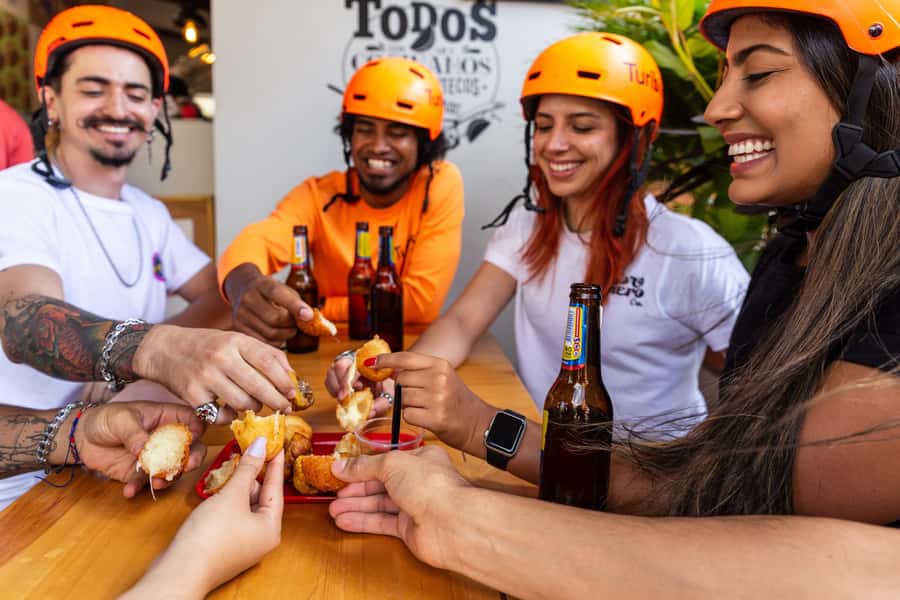
From Belén’s sports area you move to Parque Belén, and the day switches gears into more riding plus another food tasting. Parques in Medellín tend to be social anchors, and you get the feeling that the park is part of routine, not scenery.
This is also where you’ll likely hear stories that don’t belong in a top-10 brochure. Guides with names like Juan León, Dani/Dany, and Dayana are known for linking neighborhoods to food origins and city change, including what people ate in the past and what they still make now.
You might get glimpses of the kind of scenes that make this tour feel grounded, like the smell of fresh buñuelos leading you toward a traditional bakery. That detail matters because it shows you how the city’s food culture lives in everyday places, not only in formal restaurants.
A consideration here: parks and plazas often mean more foot traffic around you, so keep your bike control sharp and follow your guide’s pace. This isn’t a race, but you do want to stay alert while the group transitions from ride mode to stop mode.
More of what Medellin puts on a plate
Laureles: regional food and a sense of neighborhood identity
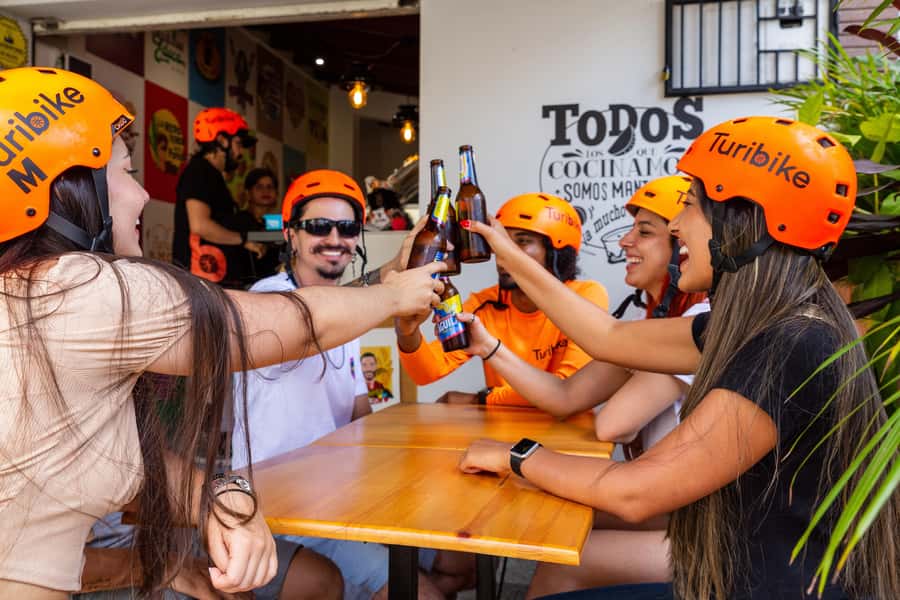
Next up is Laureles, where the tour adds more bike time and a focus on regional food. Laureles has its own feel, and this part of the tour helps you notice that Medellín isn’t one uniform city. Even without a deep lecture, the food changes as the neighborhood changes.
This is the segment where you can pick up on the logic of Colombian comfort food: textures, ingredients, and street-level traditions that show up again and again. People often rave about items that fit this format, like crispy empanadas and soft pandebono, which are easy to eat while still feeling special.
What makes Laureles valuable on this route is how it balances two things. You’re still riding through real streets, but the food tasting gives you a chance to slow down and ask questions. If you’re the type who likes to understand why people eat what they eat, your guide will likely connect the flavor to the neighborhood story.
Possible drawback: Laureles can feel more active than the quietest residential blocks. If you get overstimulated by crowds, just take it easy on the hardest bike segments and lean on the e-bike assist.
Conquistadores: local snacks that keep the momentum
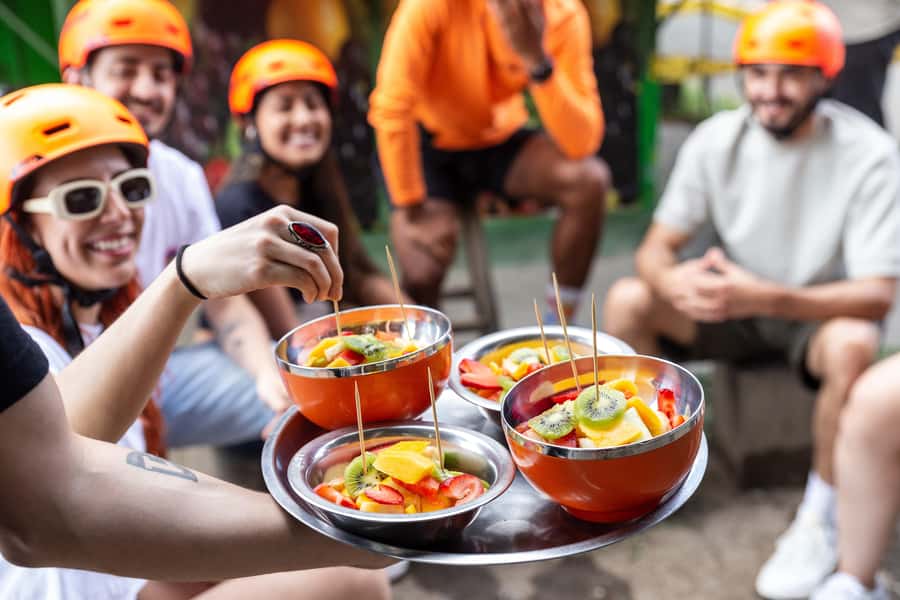
At Conquistadores, you’ll have local snacks plus more cycling. This part of the tour is about variety without fatigue. You keep moving, you keep tasting, and you build a bigger picture of Medellín in a short time.
Again, the exact menu can vary, but you’ll see the kinds of foods people remember from this route: empanada styles, cheesy breads like pandebono, and the kind of sweet and savory mix that shows up in Colombian snack culture. Some people also call out arepa de huevo as a favorite, which fits the idea that regional specialties can appear as humble street food.
I like that these snacks are not randomly chosen. They follow the same theme as the rest of the tour, food tied to neighborhood life and local rhythm. It’s a practical way to learn without needing a textbook.
One small consideration: snacks are designed for tasting, not for a full meal feast. If you’re a big eater, bring patience and expect to eat again in the next stop.
Another food tasting stop, then the Medellín River Parks visit
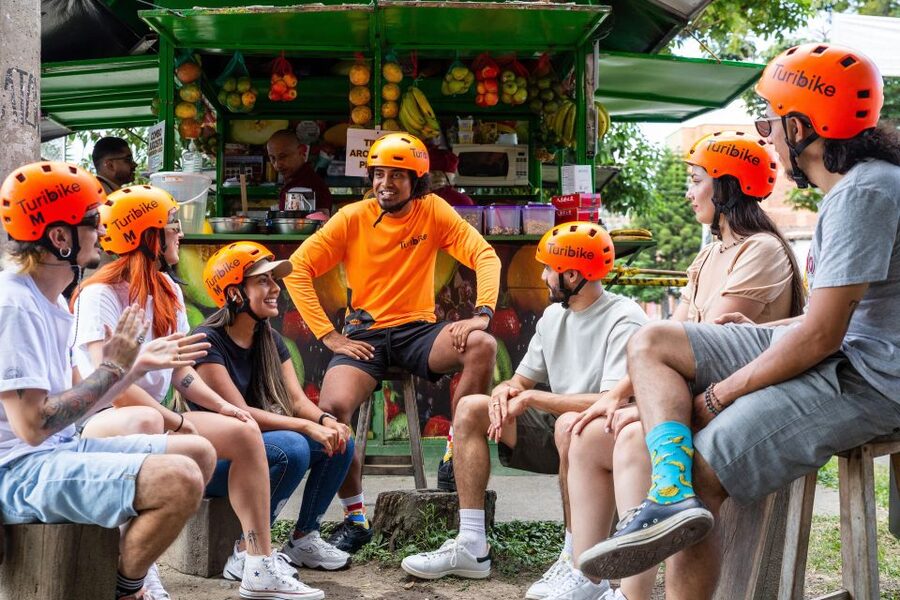
The itinerary includes an additional food tasting stop and then a visit to Medellín River Parks. Even though the route is focused on food and neighborhoods, this park segment gives you a mental reset. You get time to breathe, take in the city’s evolution from a different angle, and look at how public spaces fit into daily life.
This park time is also where you can feel how the ride comes together. You’ve already learned a lot from neighborhoods and snack stops, and now you get a wider view of the city’s shared spaces. In a tour that’s otherwise about small bites and street corners, the River Parks stop helps it land as a complete story of change.
Potential drawback: because the tour includes multiple food moments, the later part can feel like a lot to process. If you want to pace yourself, take smaller bites and save your bigger attention for the River Parks visit and the bike ride into it.
How guides like David, Toto (Juan Pablo), and Dany shape the experience
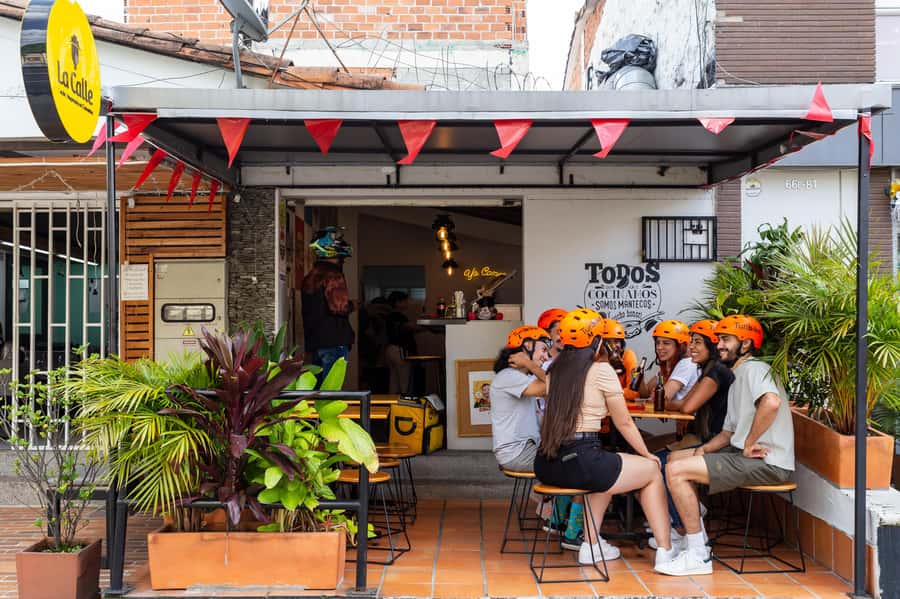
The single biggest reason this tour gets such strong marks is the guide work. Names that pop up repeatedly include David, Juan León, Dani/Dany, Dayana, Daniela, Esteban, and Toto (Juan Pablo). Across those guides, the common thread is that they explain what you’re eating and what you’re seeing, then connect it to how Medellín has evolved.
You’ll also notice an emphasis on keeping you safe while moving through the city. People mention feeling secure on bike paths and appreciating the way Medellín’s bike lane setup helps make the ride more controlled. E-bikes also reduce the effort needed, which helps you focus on the experience instead of gasping for air.
A good sign is when things go wrong and the response is quick. One person reported a flat tire during the tour and that the guide fixed it quickly and got rolling again. That kind of competence matters because it keeps your day from turning into an unplanned delay.
If you care about the city beyond food, guides tend to share neighborhood history and everyday culture too. Even when you don’t ask, you’ll usually pick up a few “wait, I didn’t know that” moments about how different areas developed and why people eat what they eat there.
Price and value: why $48 for 3 hours can make sense
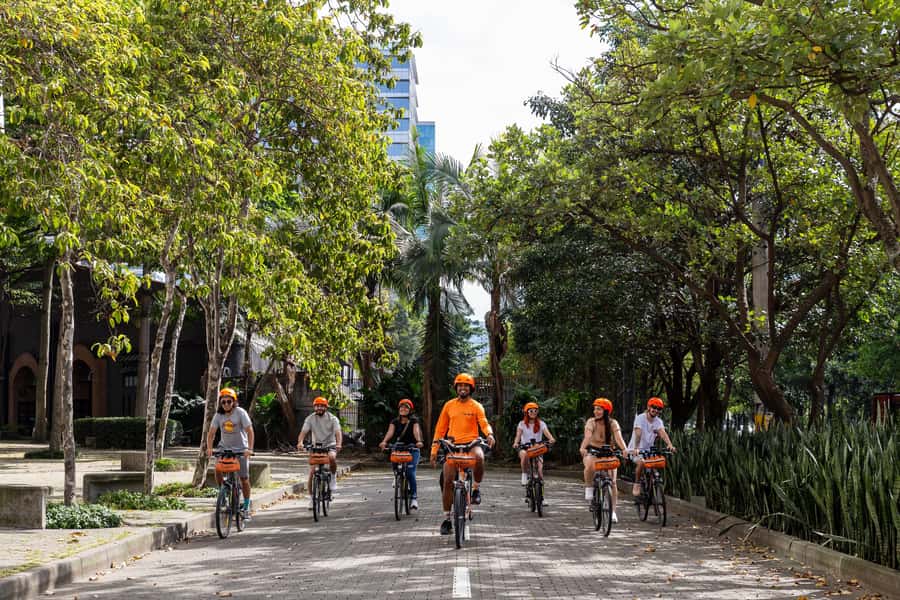
At $48 per person for a 3-hour experience, the value is in what’s bundled. You get the electric bike, medical insurance, a live guide, and food and drinks as part of the tour plan. You’re also getting transportation you don’t have to arrange yourself, plus access to neighborhoods most visitors skip.
There are also a couple cost caveats to keep in mind. Beverages at the first three stops are not included, and food at the last stop is not included. That means the price covers your main tasting flow, but you should still expect to pay a little extra depending on what you want during those segments.
My rule of thumb with tours like this: if you would otherwise pay for a ride plus multiple meals plus a guide, this starts to look like a fair deal. Here, you’re paying for the combination of e-bike mobility and the food education that gives the tasting stops meaning.
Also, the small group cap of 8 matters. More personal attention usually means less confusion at each stop and more time for questions, which is part of the value you feel on the ground.
Riding tips so you feel confident (and not stressed)
Even with e-bike assist, you’ll still pedal, balance, and steer for the full tour. Comfortable shoes are required, and sandals or flip flops are not allowed. If you’re used to walking shoes, you’re fine. If you only packed sleek city sandals, do a quick swap before the tour.
The tour also isn’t suitable for everyone. It’s not recommended for people with mobility impairments, for pregnant women, for those who cannot ride a bike, or for anyone under 4 ft 6 in (140 cm). If you’re between categories, ask your operator before you book, because the safety rules are part of the setup.
Weather is another practical factor. E-bike rides feel great in mild conditions, but if rain hits hard, you might slow down and enjoy less scenery. On the bright side, you’ll likely get multiple breaks built into the tastings and stops.
What kind of traveler should book this Medellín tour
This tour is a strong fit if you want a quick, fun introduction to Medellín that goes beyond the “stand here, take a photo” style. It’s especially good for people who like:
- trying local snacks and learning where they come from
- small groups and conversation instead of a crowd
- getting active without turning the day into a workout
It also works well on an early trip day. It gives you neighborhood context and a sense for where you might want to return on your own later.
If you hate being on a bike, this won’t magically convert you. But if you can ride confidently for a few hours and you’re excited to eat while moving, this tour is a smart use of time.
Should you book the Medellín e-bike and foodie tour?
I think you should book it if your ideal Medellín day includes local neighborhoods, multiple food tastings, and guide-led stories that connect what you eat to where you are. The value is strongest for first-timers and for people who want to understand the city fast without sacrificing the details.
Skip it if you cannot ride a bike comfortably, if you need mobility accommodations the tour cannot support, or if you only want a super relaxed walk-and-shop day. With the right fit, though, this is the kind of experience that helps Medellín stick in your memory for the right reasons: the flavors, the streets, and the city’s ongoing transformation on two wheels.
FAQ
How long is the Medellín E-bike and Foodie Tour?
It lasts 3 hours.
How much does it cost?
The price is $48 per person.
Where do I meet the tour?
You meet at Turibike in a coworking space on an industrial street. Look for the brick building with a big black metal door, and knock if it is closed.
What’s included in the price?
The tour includes the electric bike, medical insurance, a guide, and food and drinks as part of the tastings.
What’s not included?
Beverages at the first 3 stops are not included, and food at the last stop is not included.
What should I bring or wear?
Bring comfortable shoes. Sandals and flip flops are not allowed.
Ride Medellin


What Medellin Puts on a Plate


Fruit Carts, Stalls and Long Lunches

Just added to our Medellin shelf
- Tour to Río Claro and La Caverna del Cóndor
★ 5.0 · 3 reviews - Tour Medellín: Pablo Escobar and Commune 13
★ 5.0 · 3 reviews - Shared Tour Medellin’s Violence & Post-conflict after Pablo
★ 4.1 · 3 reviews - Medellin: Coffee Farm Tour & Spa with Overnight Glamping
★ 4.5 · 3 reviews - Medellin: Traditional Food Tour
★ 4.9 · 3 reviews
Colombian Food, Fruit & Street Eats, compared.
 ★ 4.8Medellin: Comuna 13 Graffiti Tour, Cable Car & Street FoodFrom $189,046 reviews
 ★ 4.9Medellín: Comuna 13 True Story and Street Food TourFrom $141,779 reviews
 ★ 4.9Cartagena: Guided Street Food Tour with TastingsFrom $49833 reviews
 ★ 4.9Bogota Food Tour with over 12 Tastings & TejoFrom $56454 reviews
 ★ 4.8Medellin: Street Food and Poblado Rooftop Tour with a LocalFrom $39317 reviews
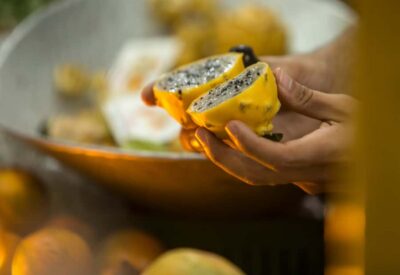 ★ 5.0Medellín: Guided Exotic Fruits TourFrom $36202 reviews
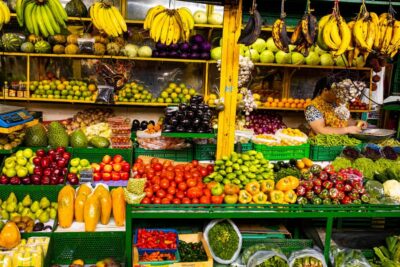 ★ 5.0Medellín Multi-sensory Tour in the market, +15 Exotic FruitsFrom $36113 reviews
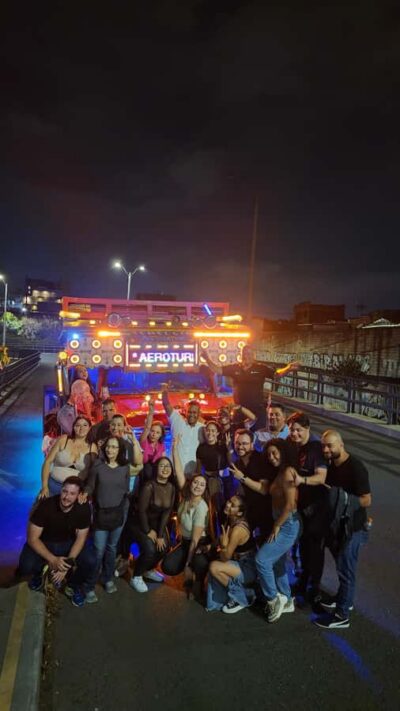 ★ 4.5Medellin: Party Bus with DJ & Street Food TastingsFrom $36112 reviews
Where else this tour turns up