
REVIEW · ESCOBAR ERA HISTORY TOURS
Medellin: Tour to The Cathedral – History of Pablo Escobar and his Impact
Pablo Escobar’s Medellín still has echoes in the streets. This tour connects the dots between his rise, his protected hideouts, and the fallout felt across the city, with a guide who keeps it factual and reflective. I especially liked the private setup, which means you can ask questions and move at a comfortable pace.
The second big win for me is how the itinerary mixes places people recognize with quieter spots that explain how Medellín changed. You also get strategic panoramic views from the former prison area, which makes the story feel real, not abstract. One consideration: this is intense, and it is not aimed at kids under 15, so keep expectations set for a serious history and reflection tone.
In This Review
- Key things that make this tour worth your time
- Medellín is the real storyteller, and La Catedral is the centerpiece
- Why the tour’s tone stays reflective, not sensational
- The route: Monaco Building, a neighborhood for the poorest, and the cemetery
- Monaco Building, now Parque de la Inflexión
- The neighborhood he built for the poorest
- Jardines Montesacro cemetery, including his tomb
- The place where he died: a sharp moment in the timeline
- Entering the Cathedral: a luxury prison story with panoramic context
- What you will likely notice on-site
- The monument stop, and why it matters
- What private really means here, and why it affects the quality
- Price and value: why $160 can make sense for a 6-hour private history tour
- Timing, duration, and what 6 hours feels like on the ground
- Food and snacks: plan ahead so you do not lose momentum
- Who this tour is best for
- Should you book this tour?
- FAQ
- How long is the Medellín Cathedral and Escobar history tour?
- Is transportation included?
- Is this a private tour?
- What languages are available for the guide?
- Are entrance tickets included?
- Is food included?
- Is the tour suitable for children?
Key things that make this tour worth your time
- Private, totally personalized attention with a guide who can respond to what you want to focus on
- Comfortable pick-up and drop-off by air conditioned vehicle, so you are not coordinating rides on your own
- Bilingual storytelling (Spanish and English) that stays grounded in history and impacts
- Multiple stop types, from a former building turned city space to a cemetery and the place where he died
- Respectful approach that teaches the story without turning him into a hero
Other history walks covering the same difficult years
- Medellín: The Real Pablo Escobar Tour★ 4.8 · 3,205 reviews
- Medellín: Pablo Escobar Tour with beer included★ 4.7 · 612 reviews
- Medellin: Guatapé Day Trip & Boat to Pablo Escobar’s Estate★ 4.7 · 365 reviews
- Medellín: Private Pablo Escobar and Comuna 13 Tour★ 4.9 · 233 reviews
Medellín is the real storyteller, and La Catedral is the centerpiece
If you are coming to Medellín, you will quickly notice something: the city keeps transforming, even when its past is complicated. This tour leans into that idea. It does not treat Pablo Escobar as a movie villain with a tidy ending. It treats him as a force that shaped neighborhoods, infrastructure, fear, and politics, then left scars.
That is why the tone matters. The tour is explicitly educational, with an approach designed to help you understand a complex chapter of Colombian history without glorifying the character. I like that. You get context, not fandom.
And the pace fits how most people experience Medellín. You are in a car for movement between stops, but you are not stuck on a bus watching the world blur by. You are getting a guided story at each location, plus views from the former prison site that help you understand the geography of power and escape.
Why the tour’s tone stays reflective, not sensational
You are going to walk into sites tied to violence and power. That can go badly on tours that chase shock value. Here, the goal is different. The story is presented in a way that helps you grasp what happened, why it mattered to Medellín, and what the consequences were.
That matters for two reasons.
First, it changes how you remember the places. The Cathedral is not just a striking name. It is tied to luxury, control, and the ability to disappear from ordinary life, which is exactly the kind of contrast that makes people ask hard questions. Second, it changes how you handle the emotional weight of the topic. You are not left to interpret everything alone.
The route: Monaco Building, a neighborhood for the poorest, and the cemetery
The itinerary is built like a timeline you can walk through. Instead of starting and ending at La Catedral, you begin around other key markers of his life story and the impact he left behind.
Monaco Building, now Parque de la Inflexión
You start at the Monaco Building, which is now part of Parque de la Inflexión. This stop is useful because it turns a symbol into a civic space. Even if you do not know the details already, the setting helps you connect a single structure to larger patterns: money, influence, and the way the city reuses or repurposes the past.
Practical note: expect this to be a quick but meaningful orientation stop. You are not just taking photos. You are getting framing for what comes next.
More of the Medellin backstory

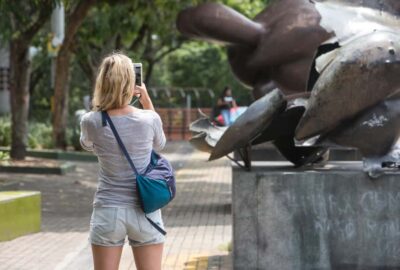
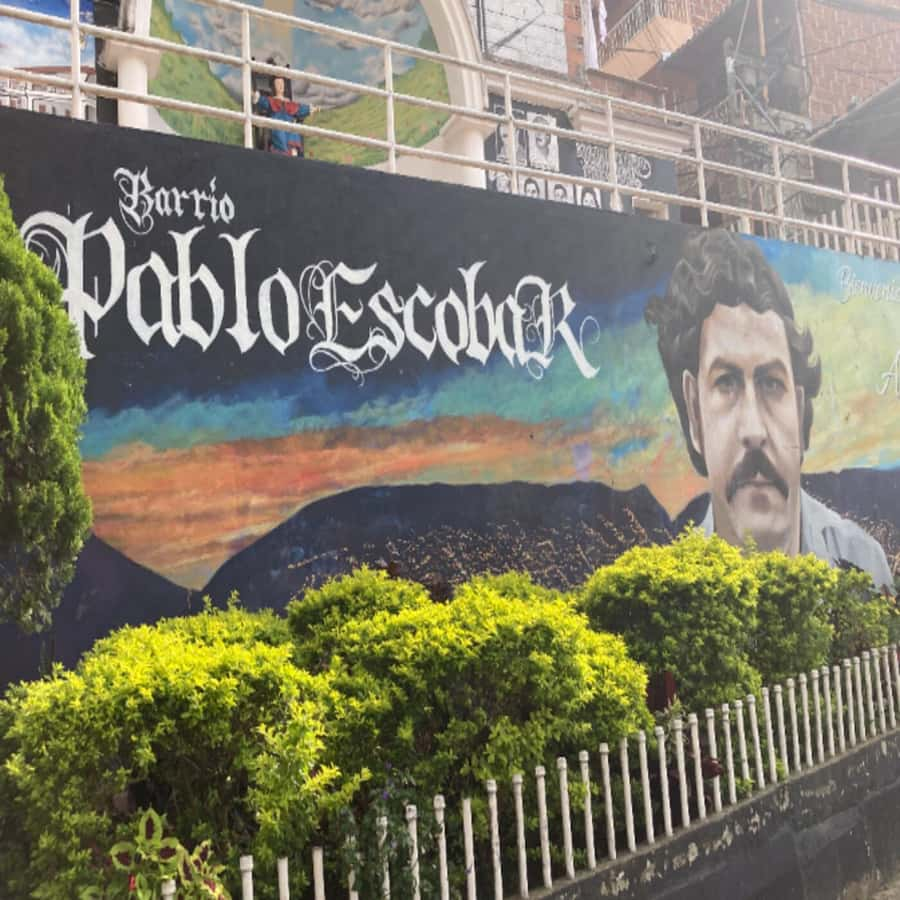
The neighborhood he built for the poorest
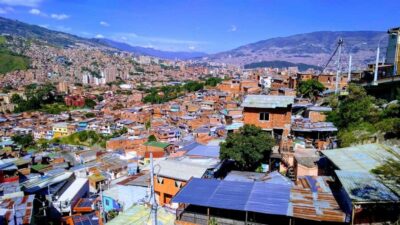
Then you go to a neighborhood he built for people who were among the poorest in Medellín. This part is important, because Escobar’s story was not only about crime and violence. It also involved selective support that gained him influence with some of the community. Understanding that contradiction is key to making sense of why his legacy remains so divisive.
This stop can be emotionally uncomfortable, but it is also the part that turns history into a real social lesson. You start seeing the mechanics of power: how it can look like help while still being tied to harm.
Jardines Montesacro cemetery, including his tomb
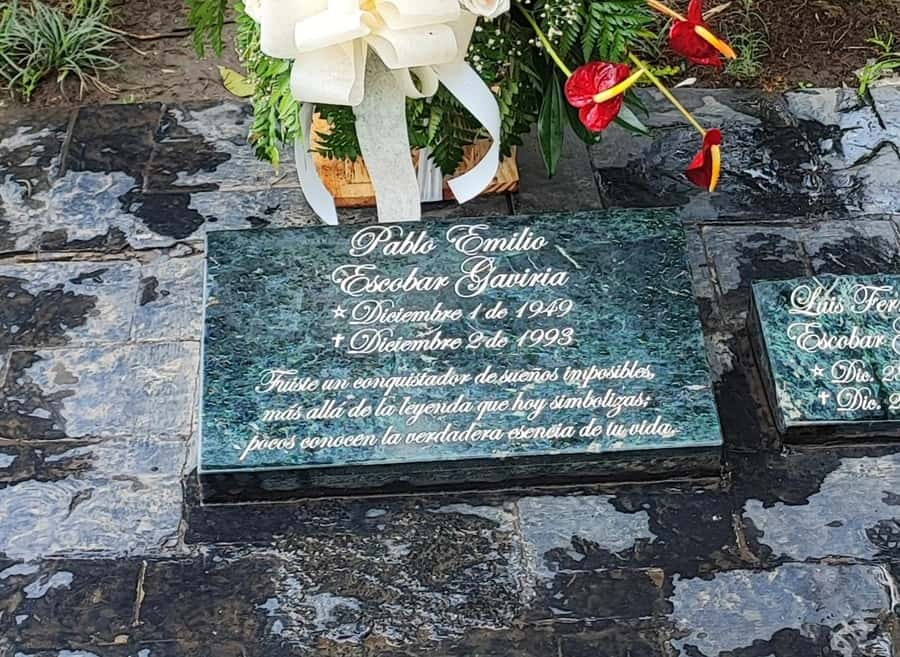
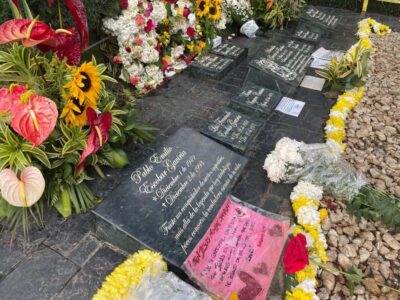
After that, you visit his tomb in Jardines Montesacro cemetery. Cemeteries do not need extra drama. They do the work of forcing perspective. Seeing his final resting place in a formal setting shifts the story from street-level myths to a stark reminder that actions have consequences.
If you are hoping for gory details, this is not that kind of tour. If you want clarity and reflection, this is where you will likely feel it most.
The place where he died: a sharp moment in the timeline
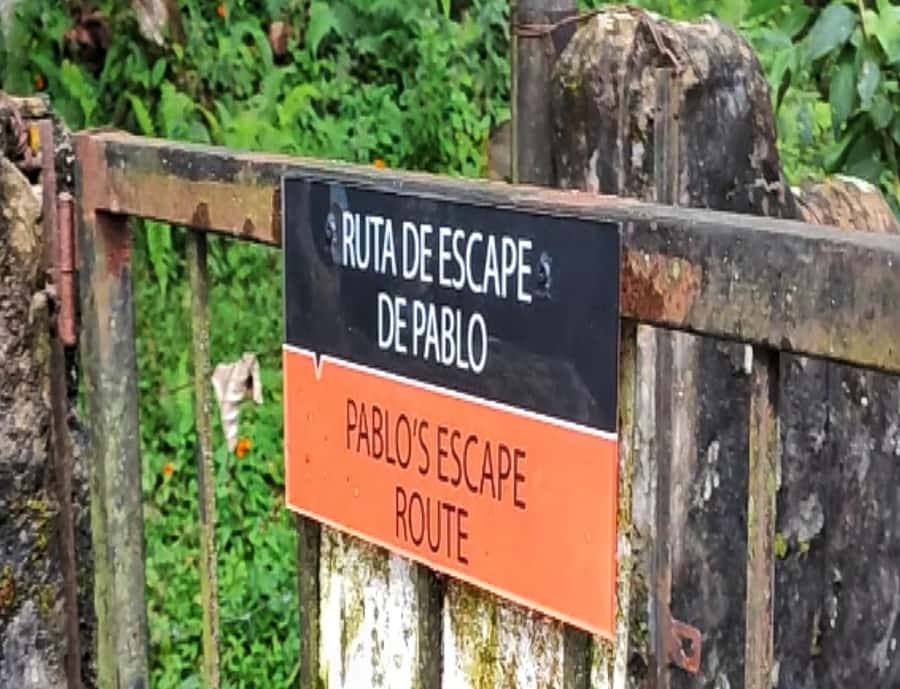
Next comes the place where he died. This stop is one of those moments where the tour becomes less about background and more about the ending of a chapter.
From a value standpoint, it helps you keep the whole story in sequence. It is easy to jump around in guidebooks, then end up with a collection of facts but not much understanding. The flow here helps you connect escape, capture pressure, and the final outcome.
A drawback you should consider: emotionally, this can feel heavy. If you are sensitive to dark topics, you might want to pace yourself, ask questions if you need clarification, and take short moments to cool down between stops.
Entering the Cathedral: a luxury prison story with panoramic context
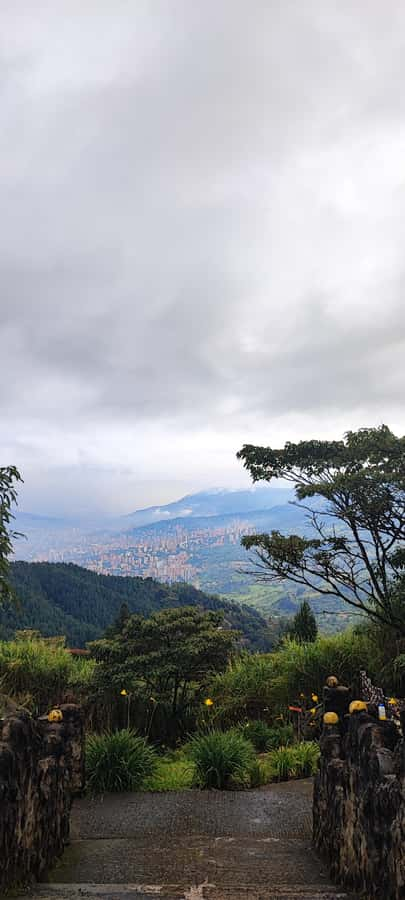
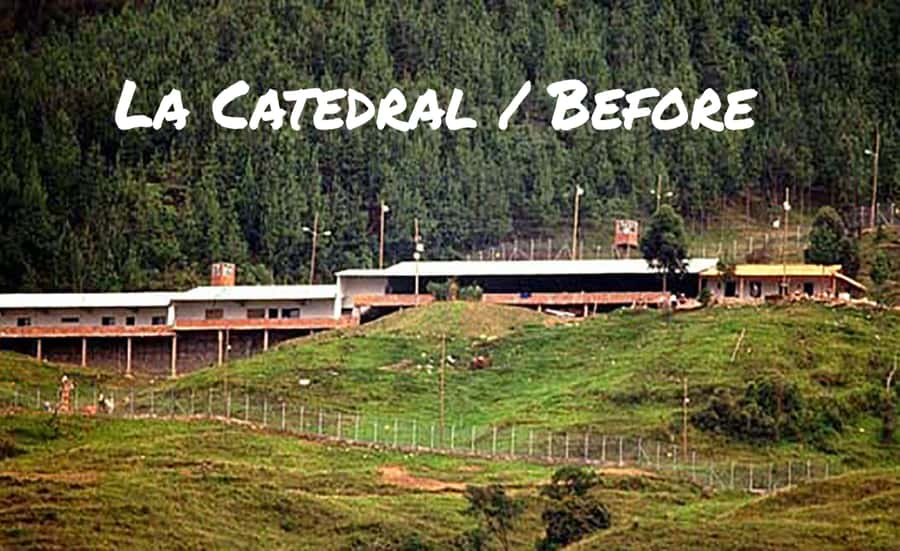
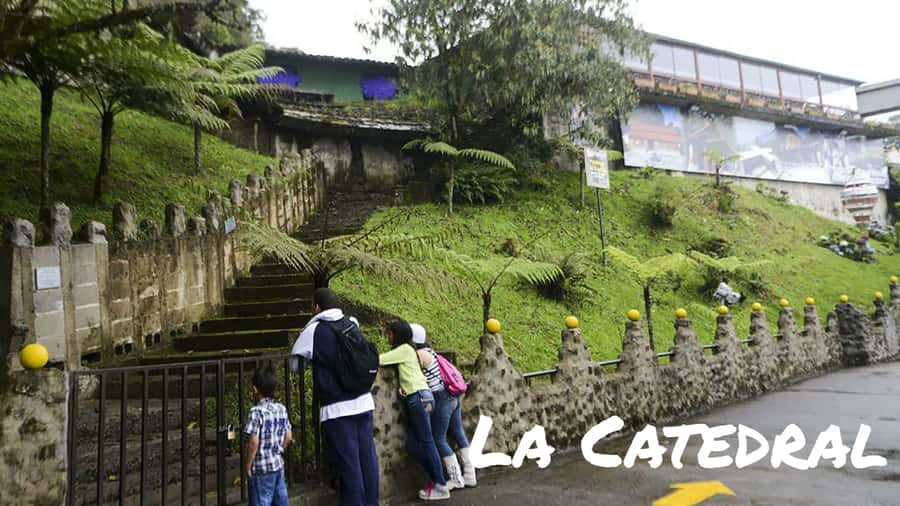
Now for the main event: La Catedral, the luxury prison where Escobar took refuge, including the former prison experience and the Pablo Escobar monument. If you only do one piece of Medellín related to his story, this is the one that gives the most physical “proof” that history can be seen, not just read.
Here is what I think makes the Cathedral stop powerful for you:
- It is not vague. You are inside a real former site tied to the narrative you heard from the driver and guide.
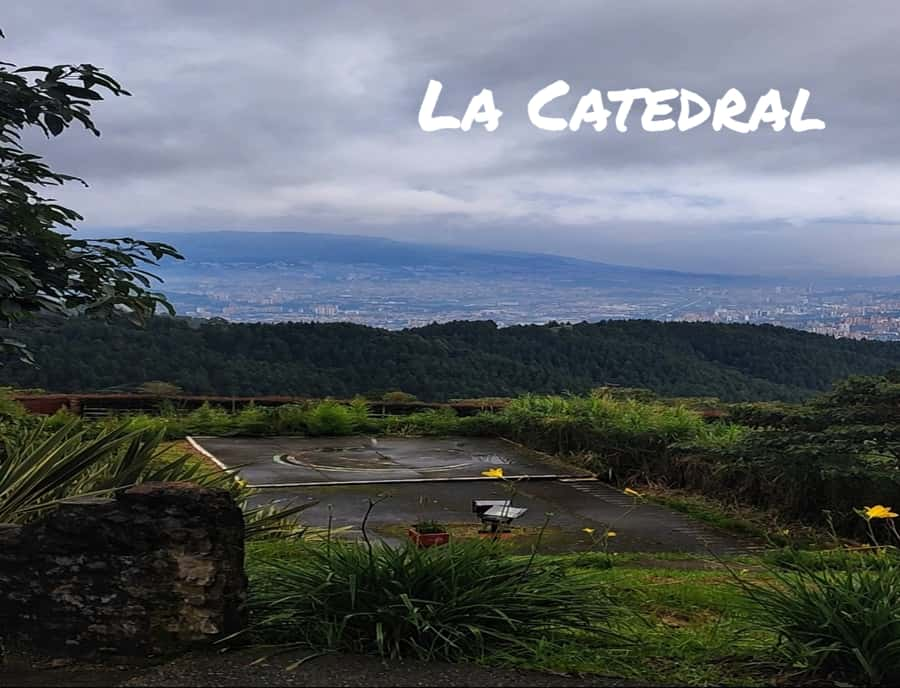
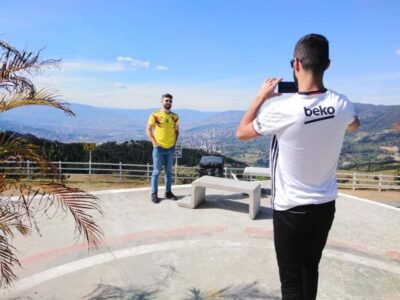
- It includes views that help you understand how location shaped what happened. The panoramic views from the former prison area give you context you cannot get from a flat description.
- It is guided with an educational approach, so you do not leave feeling like you watched a reenactment.
What you will likely notice on-site
Even without getting overly technical, you will probably focus on contrasts: confinement versus comfort, visibility versus secrecy, and control versus chaos. The guide’s role is to connect those contrasts to the larger story of impact on Medellín.
The monument stop, and why it matters
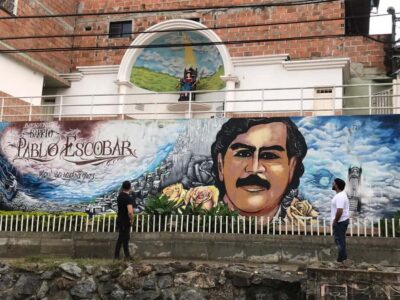
The tour also includes entrance to the Pablo Escobar monument. That might sound like the part people argue about online. In a guided setting, though, it becomes a way to talk about memory. How cities remember controversial figures says a lot about the city itself.
This is another place where your guide’s tone matters. The goal is understanding, not glorification.
What private really means here, and why it affects the quality
This is a completely private tour. That is not just marketing language. It changes how the experience feels.
When it is private, you are not competing with other schedules for attention. You can ask follow-up questions in the moment. You can also steer the conversation toward what you care about most, like the social impacts on neighborhoods or the contrast between public life and his hidden life.
The reviews also point to strong guide performance. One mentioned that Daniel was excellent, with pickup at the agreed time and a lot of interesting background information, plus the ability to respond to wishes. You should still treat that as an example of what good can look like, but it reinforces a key point: this company appears to focus on service quality, not rushing you through stops.
Price and value: why $160 can make sense for a 6-hour private history tour
At $160 per person for about 6 hours, this is not a budget tour. If you are price-shopping, compare it against what you actually get for that cost.
You are paying for:
- Private air conditioned transportation, including pick-up and drop-off at your hotel or meeting point and drop-off within the metropolitan area
- A bilingual guide in Spanish and English
- Entrance included for the former La Catedral prison and the Pablo Escobar monument
- A more structured, respectful approach designed around understanding, not spectacle
- Travel and personal belongings insurance in case of accident
If you compare this to cheaper options that might involve shared vehicles, fewer entrances, or weaker interpretation, the value becomes clearer. The price is high mainly because it is private and because it includes key entries. If you want the comfort of not managing logistics while also getting guided context across multiple stops, the math starts to work.
If your priority is only a single site, you may not need the full route. But if you want the full story arc, the private format helps you absorb it.
Timing, duration, and what 6 hours feels like on the ground
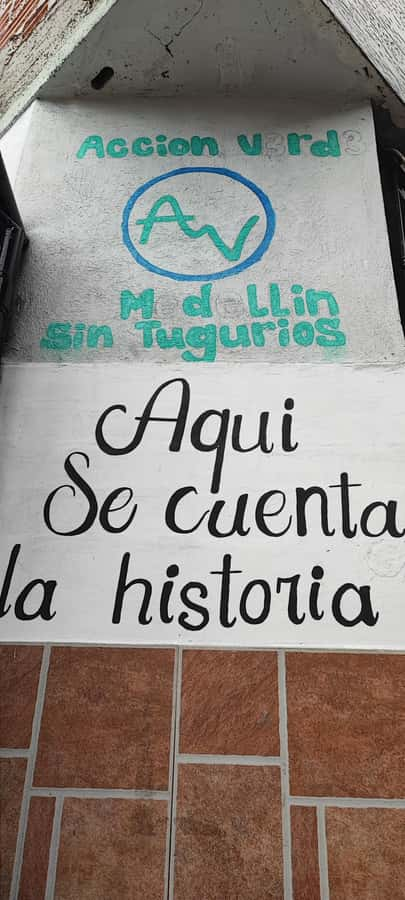
The tour runs for around 6 hours. That is a sweet spot for a history and reflection route in Medellín. Long enough to cover multiple locations, not so long that you burn out your attention.
You should plan for:
- Ground time moving between stops by car
- A guided stop structure where each location has meaning
- Sun exposure if you spend time outdoors during viewpoints
Bring comfortable shoes and comfortable clothes. Medellín can get bright, so pack sunscreen even if you are not thinking about it. You will likely appreciate having it ready before you notice the sun.
Food and snacks: plan ahead so you do not lose momentum
Food is not included. That means you will want cash on hand for snacks and drinks during the day. I recommend you bring some small spending money so you do not end up hungry and distracted at the wrong moment.
Also, if you like to stay hydrated, buy water during a break or stop. It is one of those simple choices that can keep a long day feeling manageable.
Who this tour is best for
This tour is a great fit if:
- You want a serious, educational approach to a controversial subject
- You prefer a private guide over shared group dynamics
- You care about Medellín’s social impact story, not just the headlines
- You want the most meaningful route across key Escobar-linked sites in a single day
It may not be ideal if:
- You want a light, casual outing with no heavy themes
- You are traveling with kids under 15
- You are trying to do this on a shoestring budget
Should you book this tour?
I would book it if you want a guided, respectful understanding of how Escobar’s life and legacy intersected with real places in Medellín. The private format, bilingual guide support, and the combination of Cathedral plus other major sites make it feel like a complete story rather than a scattered sightseeing list.
Skip it if you only want one quick photo stop, or if you are looking for a carefree vibe. Also, set aside time to be mentally present. This tour is built around context, reflection, and impact.
If you are ready for that, you will likely leave with a clearer sense of Medellín beyond the surface.
FAQ
How long is the Medellín Cathedral and Escobar history tour?
It lasts about 6 hours.
Is transportation included?
Yes. You get pick-up and drop-off at your hotel, or another meeting point you indicate, plus private air conditioned vehicle transport.
Is this a private tour?
Yes. It is a private group experience.
What languages are available for the guide?
The tour is offered with a bilingual live guide in Spanish and English.
Are entrance tickets included?
Yes. Entrance is included for the former La Catedral prison and the Pablo Escobar monument.
Is food included?
No. Food and souvenirs are not included, so it is a good idea to bring cash for snacks and drinks.
Is the tour suitable for children?
No. It is not suitable for children under 15 years old.
Everything Else We Reviewed in Medellin


Medellin and Its Past




The Escobar Years, Told Plainly


Just added to our Medellin shelf
- Tour to Río Claro and La Caverna del Cóndor
★ 5.0 · 3 reviews - Tour Medellín: Pablo Escobar and Commune 13
★ 5.0 · 3 reviews - Shared Tour Medellin’s Violence & Post-conflict after Pablo
★ 4.1 · 3 reviews - Medellin: Coffee Farm Tour & Spa with Overnight Glamping
★ 4.5 · 3 reviews - Medellin: Traditional Food Tour
★ 4.9 · 3 reviews
Escobar Era History Tours, compared.
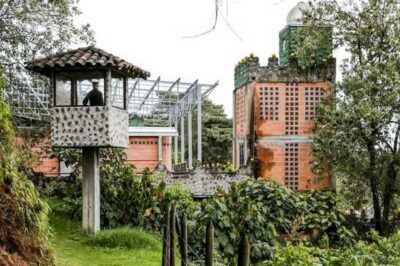 ★ 4.8Medellín: The Real Pablo Escobar TourFrom $423,205 reviews
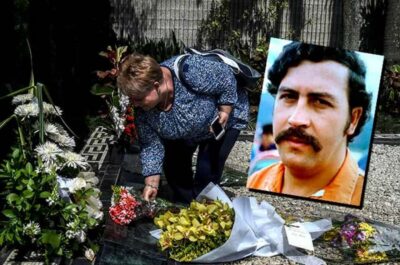 ★ 4.7Medellín: Pablo Escobar Tour with beer includedFrom $31612 reviews
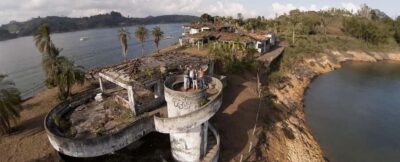 ★ 4.7Medellin: Guatapé Day Trip & Boat to Pablo Escobar’s EstateFrom $64365 reviews
 ★ 4.9Medellín: Private Pablo Escobar and Comuna 13 TourFrom $81233 reviews
 ★ 4.8Medellín: Private Pablo Escobar Tour with Cable Car RideFrom $73228 reviews
 ★ 5.0Pablo and the drug trafficking worldFrom $50129 reviews
 ★ 4.9From Medellín: Private Pablo Escobar History TourFrom $6384 reviews
 ★ 4.8Medellin Pablo Escobar TourFrom $5581 reviews
Where else this tour turns up