

REVIEW · COMUNA 13 & GRAFFITI STREET ART WALKS
Pablo Escobar tour and comuna 13
Medellín holds two stories in one walk. This Pablo Escobar and Comuna 13 experience connects the violence of the 80s with Medellín’s later push toward community repair. I like that you get hotel pickup and drop-off and a comfortable, air-conditioned ride so you are not wrestling with public transport. My one caution is that the subject matter stays serious, so this is not a funny, feel-good tour.
The pacing works well because it is a private tour. You can usually spend a bit more or less time at each stop depending on your questions, and guides tend to keep things clear instead of turning it into a lecture. In past groups, guides such as Juan and Daniel were praised for answering lots of questions while keeping the story focused.
The final stop, Parque Memorial Inflexion, shifts the tone from myth to consequences. It is designed to remember the people killed in the 83 to 94 period, including the kind of losses linked to bombings. If you want Medellín’s transformation with context, this route is a strong choice.
In This Review
- Key things to know before you go
- Why pairing Pablo Escobar and Comuna 13 works so well
- Price and what you really get for $92.86
- Getting around Medellín without the hassle of public transport
- Cementerio Jardines Montesacro: how the grave frames the story
- Los Olivos: the Escobar death-linked site and the policy lens
- Comuna 13 in daylight: art, inclusion, and community interaction
- Parque Memorial Inflexion: remembering 83 to 94 without glamorizing Pablo
- Guides and storytelling style: what you can expect from the best ones
- What to bring, what to watch for, and how to get more out of it
- Who this tour suits best (and who might want another option)
- Should you book this Medellín Escobar and Comuna 13 tour?
- FAQ
- How long is the Pablo Escobar and Comuna 13 tour?
- Where does the tour take place?
- What is included in the price?
- Are there admission fees for the stops?
- Is lunch included?
- Do I share the tour with other people?
- Is hotel pickup and drop-off included?
- What if the weather is bad?
- What is the cancellation policy?
Key things to know before you go

- Private vehicle, just your group: No crowd herding, and you skip public transport stress.
- Four structured stops, each with a purpose: Cemetery, neighborhood site, Comuna 13, then a memorial park.
- Urban art is part of the lesson: In Comuna 13, graffiti connects to meaning, relief, and inclusion.
- The tour keeps the focus on victims: The memorial stop helps avoid turning Pablo into a hero.
- Time is flexible: The tour can be tailored, so you do not feel trapped in a rigid script.
- Plan for serious history: Expect heavy topics, especially around narcoterrorism and its impact.
Other guided walks through the painted stairways
- Medellin: Comuna 13 Graffiti Tour, Cable Car & Street Food★ 4.8 · 9,046 reviews
- Medellín: Comuna 13 True Story and Street Food Tour★ 4.9 · 1,779 reviews
- Medellín: Comuna 13 District Tour with Cable Car Ride★ 4.8 · 1,467 reviews
- Medellín: Private City Tour with Metrocable and Comuna 13★ 4.9 · 330 reviews
Why pairing Pablo Escobar and Comuna 13 works so well
Some Medellín tours show Escobar as a pop-culture story, then move on. This one does something smarter: it connects the past and the present in a single arc. You start with the life and violence surrounding Escobar, then you end in Comuna 13, where you can see how the city has tried to rebuild public life through social investment, culture, and community expression.
That “before and after” effect matters. Comuna 13 is not just street art for photo ops. The tour’s approach emphasizes the contrast between dark days and the progress Medellín is trying to sustain, including how locals use graffiti as a way to speak, cope, and belong.
If you like history that explains cause and effect, this layout helps. It also gives you a more balanced emotional finish. Instead of stopping at the sensational part, you wind up at a memorial park built specifically to honor those who died and to challenge idolization.
Price and what you really get for $92.86

At $92.86 per person for about 4 to 5 hours, the cost makes sense mainly because you are not just paying for a guide. You are paying for a private vehicle with pickup and drop-off, plus included time at multiple sites that are free-entry.
You also get a few practical extras that often cost extra elsewhere:
- Air-conditioned vehicle
- Coffee and/or tea
- Insurance
- Parking fees
Lunch is not included, so you will want to plan around that. But the structure is designed so you are not stuck figuring out transportation between distant points.
One more value point: this is typically booked about 22 days in advance on average. That is a sign it is in demand. If you want a private slot that fits your schedule, I would not wait until the last minute.
Getting around Medellín without the hassle of public transport
You can do Comuna 13 on your own, but this tour removes the friction. The highlight here is simple: you get a private car for the full route, which means you spend your energy asking questions and observing instead of navigating buses or taxis between stops.
The itinerary is timed to keep the day moving:
- Cementerio Jardines Montesacro: about 30 minutes
- Los Olivos neighborhood site: about 20 minutes
- Comuna 13: about 1 hour 30 minutes
- Parque Memorial Inflexion: about 30 minutes
That adds up to a natural flow rather than constant rushing. And because it is private, your guide can pace things around your interests. Several guides mentioned in feedback, like Mateo and Cesar, were praised for storytelling that stays organized and easy to follow.
If you are short on time in Medellín, this kind of route is a smart way to cover more ground without turning the day into logistics.
Cementerio Jardines Montesacro: how the grave frames the story
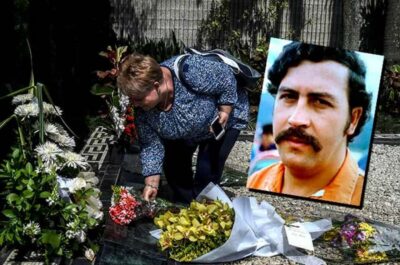
Stop one is Cementerio Jardines Montesacro, where you talk about Pablo Escobar’s grave. The tone here is contextual. The goal is not to treat Escobar like a movie character. Instead, the visit sets up the story around where he was raised and what shaped the period of violence and uncertainty.
This matters because it changes how you read everything that follows. If you only focus on the crimes, you get shock. If you focus on the context, you get understanding. And understanding is what helps you connect the dots to later themes like public policies, social investment, and the long-term damage done by narcotrafficking and narcoterrorism.
Admission is free, and the time is kept to about 30 minutes. That short window helps the day stay balanced. You do not get stuck lingering in one place, but you also do not feel like you skipped the emotional setup.
Other history walks covering the same difficult years

Los Olivos: the Escobar death-linked site and the policy lens
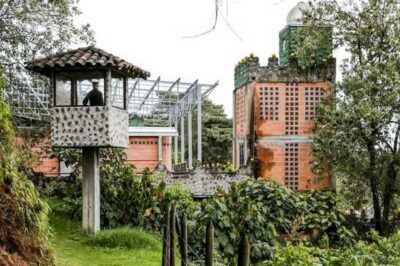
Next comes Los Olivos, where you visit the property connected to where the drug lord died. This stop is brief, about 20 minutes, but it’s loaded with discussion points. The tour explains the “horizons and scope” of both public policies and drug trafficking, including the legacy of Escobar’s role.
What I like about this approach is that it does not treat the situation like pure individual evil. It places drug trafficking in a bigger system, tied to government capacity and social conditions. That makes the narrative feel more grounded, especially when you later reach Comuna 13, where public projects and community resilience are part of the storyline.
You are also reminded of the consequences. Even when the site is tied to a notorious figure, the framing is about lessons and opportunities, not fandom. That tone shows up again at the memorial park later, which is a strong sign this tour is trying to keep things responsible.
Comuna 13 in daylight: art, inclusion, and community interaction

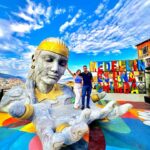
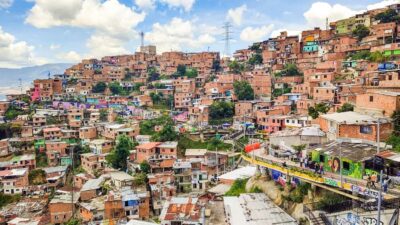
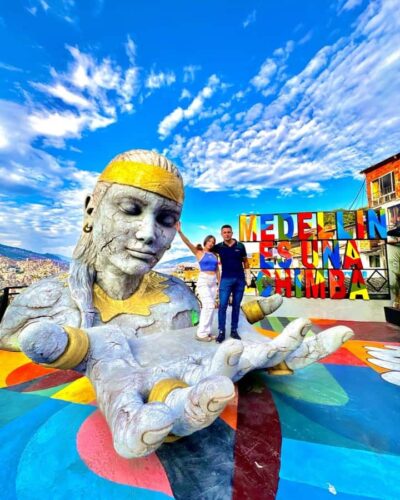
Comuna 13 is the emotional pivot of the whole route. The stop is about 1 hour 30 minutes, and the structure is designed so you end with hope, not just horror.
The tour’s explanation focuses on a few things at once:
- how city social investment contrasts with the dark days
- how events across past decades shaped Medellín into a complex mix of challenges and progress
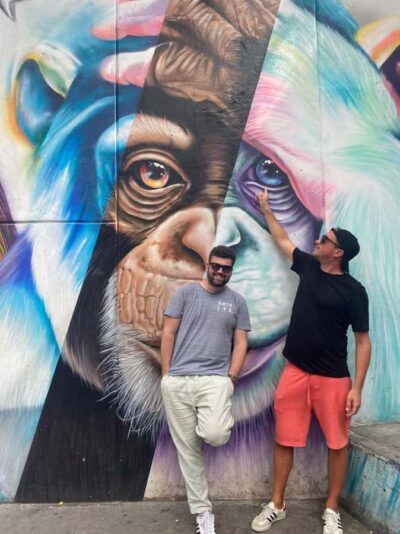
- how locals use urban art as expression, relief, and inclusion
Here is why that is a meaningful choice for visitors: graffiti in this neighborhood is treated as communication, not decoration. The tour also highlights that you will interact with locals and contribute to the community. That shifts the day from “look at a place” to “learn how people live and respond.”
Also, Comuna 13 is often the hardest part to get right on your own. With this tour, you do not have to guess what areas to prioritize or how to interpret what you are seeing. The best guide moments in the feedback tend to line up here, where a good storyteller makes the art feel readable instead of random.
If you are planning photos, go with respectful expectations. This is a lived-in neighborhood. The tour’s focus on meaning and inclusion is a useful reminder that Comuna 13 is not a theme park.
Parque Memorial Inflexion: remembering 83 to 94 without glamorizing Pablo
The final stop is Parque Memorial Inflexion, created by the city hall and the National History Memory Center. It exists to pay tribute to people who lost their lives during the 83 to 94 period.
This is also where the tour draws a clear line about what not to do. Many people idolize Escobar after watching series or media stories. This park is meant to flip that impulse into reflection. It raises awareness of how narcoterrorism and the culture of easy money harmed Colombia.
One of the most direct details from feedback is the memorial figure discussed for victims: 46,612 people killed by Escobar’s bombs and greed. That kind of specificity gives the stop weight. It is not vague sympathy. It is a reminder of scale, and why the memorial matters.
If you want a tour that gives context and then actively resists myth-making, this ending is the proof. You finish at a place built for grief and learning, not sightseeing.
Guides and storytelling style: what you can expect from the best ones
This tour is described as private, and the guides seem to be a big part of why people rate it so highly. Several names show up in strong feedback: Juan, Daniel, Mateo, Cesar, and Andrés as a driver mentioned alongside Daniel-type knowledge and care.
Across the positive notes, a few patterns repeat:
- Guides explain the story in a way that stays understandable, not overwhelming.
- They are comfortable answering questions, instead of rushing you along.
- The tone is respectful, with a clear intent not to glamourize Pablo Escobar.
That last point is key. You are dealing with a subject that can easily turn into fandom. The best guides lean into victims and consequences, then connect the dots forward into how Medellín is trying to move past it.
I also like that the pacing can flex. In a private format, that means you can ask for clarification at the cemetery, then get a more detailed answer at Comuna 13, without the whole day falling behind.
What to bring, what to watch for, and how to get more out of it
Because this route includes a cemetery and an outdoor neighborhood, treat the day like a mix of reflection and walking. Dress respectfully and plan to be present. This is not a sprint.
Your biggest “watch for” is emotional. The tour is built around violence, consequences, and victim memory. If you are sensitive to the topic, go in knowing the last part is specifically designed for reflection and grieving.
To get more value from it:
- Ask questions early. The tour’s format is designed for Q and A, and feedback praised guides for handling questions thoughtfully.
- Pay attention to contrasts. The route is meant to compare two Medellín realities, the city’s struggle and its social repair.
- Take your time at Comuna 13. The graffiti meanings and community interaction are the heart of the transformation part.
If you go in expecting sensational trivia, you might miss what makes the experience worthwhile. If you go in wanting context and real reflection, you will likely feel the difference.
Who this tour suits best (and who might want another option)
This is a great fit for you if you want:
- a structured Medellín history route in one half day
- a private experience with pickup, so you do not waste time figuring out transport
- an Escobar story that emphasizes consequences rather than glamor
It also fits couples and friends well. The feedback includes multiple groups saying the private setup made it feel tailored, comfortable, and unhurried.
If you are someone who wants only light sightseeing or you dislike heavy topics, you might find the themes at the cemetery and memorial too intense. This is not sugarcoated history.
And if your main goal is street art and modern Medellín only, you might still enjoy it, but the Escobar portion sets the context. The tradeoff is depth, not just visuals.
Should you book this Medellín Escobar and Comuna 13 tour?
Book it if you want one coherent story arc: Pablo Escobar as context for violence, Comuna 13 as the city’s public transformation, and a memorial ending that keeps the focus on victims. The private vehicle, the inclusion of pickup and drop-off, and the fact that all four stops have free admission add up to good value for the time you spend.
Skip it or choose a lighter alternative if you want a carefree day or you are not ready for grief-centered history. Also, if your schedule is ultra tight, remember this is a 4 to 5 hour experience, not a quick hit.
If you are curious about the real Medellín, not just the headlines, this route is one of the more responsible and satisfying ways to do it.
FAQ
How long is the Pablo Escobar and Comuna 13 tour?
The tour runs about 4 to 5 hours total.
Where does the tour take place?
It is in Medellín, Colombia, with stops including Cementerio Jardines Montesacro, Los Olivos, Comuna 13, and Parque Memorial Inflexion.
What is included in the price?
Included are an air-conditioned vehicle, parking fees, coffee and/or tea, and insurance.
Are there admission fees for the stops?
The provided details say admission tickets are free for the stops listed in the itinerary.
Is lunch included?
No, lunch is not included.
Do I share the tour with other people?
No. It is a private tour/activity, and only your group participates.
Is hotel pickup and drop-off included?
Yes. Stress-free hotel pickup and drop-off are included.
What if the weather is bad?
The experience requires good weather. If it is canceled due to poor weather, you will be offered a different date or a full refund.
What is the cancellation policy?
Free cancellation is available. You can cancel up to 24 hours in advance for a full refund.
Everything Else We Reviewed in Medellin

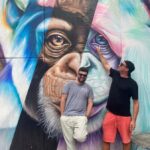
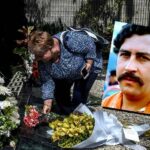
The Escobar Years, Told Plainly
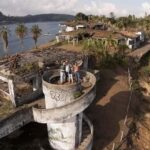

Comuna 13 and the Painted Stairs

Just added to our Medellin shelf
- Tour to Río Claro and La Caverna del Cóndor
★ 5.0 · 3 reviews - Tour Medellín: Pablo Escobar and Commune 13
★ 5.0 · 3 reviews - Shared Tour Medellin’s Violence & Post-conflict after Pablo
★ 4.1 · 3 reviews - Medellin: Coffee Farm Tour & Spa with Overnight Glamping
★ 4.5 · 3 reviews - Medellin: Traditional Food Tour
★ 4.9 · 3 reviews
Comuna 13 & Graffiti Street Art Walks, compared.
 ★ 4.8Medellin: Comuna 13 Graffiti Tour, Cable Car & Street FoodFrom $189,046 reviews
 ★ 4.9Medellín: Comuna 13 True Story and Street Food TourFrom $141,779 reviews
 ★ 4.8Medellín: Comuna 13 District Tour with Cable Car RideFrom $271,467 reviews
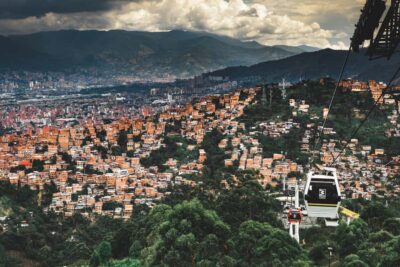 ★ 4.9Medellín: Private City Tour with Metrocable and Comuna 13From $76330 reviews
 ★ 4.9Medellín: Comuna 13 Tour with Snacks And Your Own GraffitiFrom $11311 reviews
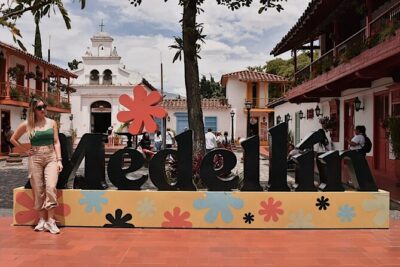 ★ 4.5City Tour + Commune 13 MedellinFrom $37295 reviews
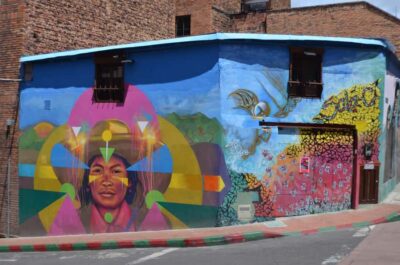 ★ 4.7Bogotá: La Candelaria Graffiti & Urban Art Guided TourFrom $16250 reviews
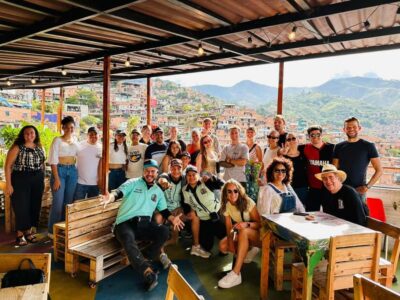 ★ 4.9Medellín: Comuna 13 and Graffiti Guided Tour with a LocalFrom $16239 reviews
Where else this tour turns up