
REVIEW · AMAZON, TATACOA & SOUTHERN COLOMBIA
Private Jeep Tour to the Surroundings of San Agustín
San Agustín hits harder when you drive the surroundings first. This private 8-hour Jeep route connects the Magdalena River power with the people and rituals behind the statues, so your later park visit makes more sense. You get a full day that feels like field notes, not just sightseeing.
I especially liked the way the guide ties what you see to meaning, including statue symbols and local history. Guides like Martha and Éloise are the kind who explain, then answer your questions, which is a big deal at archaeological sites. One thing to weigh: two key archaeological add-ons are visited but their entrance fees are not included, and the day really depends on good weather.
In This Review
- Key things you will remember from this private Jeep day
- How this 8-hour San Agustín Jeep tour actually pays off
- Starting in San Agustín: hotel pickup and a day by car
- Estrecho del Río Magdalena: the river that makes everything feel real
- Obando archaeology museum time: learn the symbols before you hit the bigger sites
- Alto de los Ídolos: where the explanations start to click
- Alto de las Piedras: another viewpoint, another angle on the same past
- Bordones and Mortiño waterfall time, including Salto El Mortiño
- Isnos and Obando villages: the living context around the ruins
- Private guide in your language: why it changes the whole experience
- Price and logistics: is $136 per person good value?
- What to bring and what to expect from the physical side
- Who should book this private Jeep tour?
- Should you book Chaska Tours for San Agustín surroundings?
- FAQ
- How long is the Private Jeep Tour to the surroundings of San Agustín?
- Where does the tour start, and is pickup included?
- Is this a private tour or a group tour?
- What languages is the live guide available in?
- What entrance fees are included in the price?
- Are the entrance fees for Alto de los Ídolos and Alto de las Piedras included?
- What should I bring for the tour?
- Is the tour wheelchair accessible?
- Is this tour suitable if I have back problems or heart problems?
- What happens if I cancel or if weather is poor?
Key things you will remember from this private Jeep day
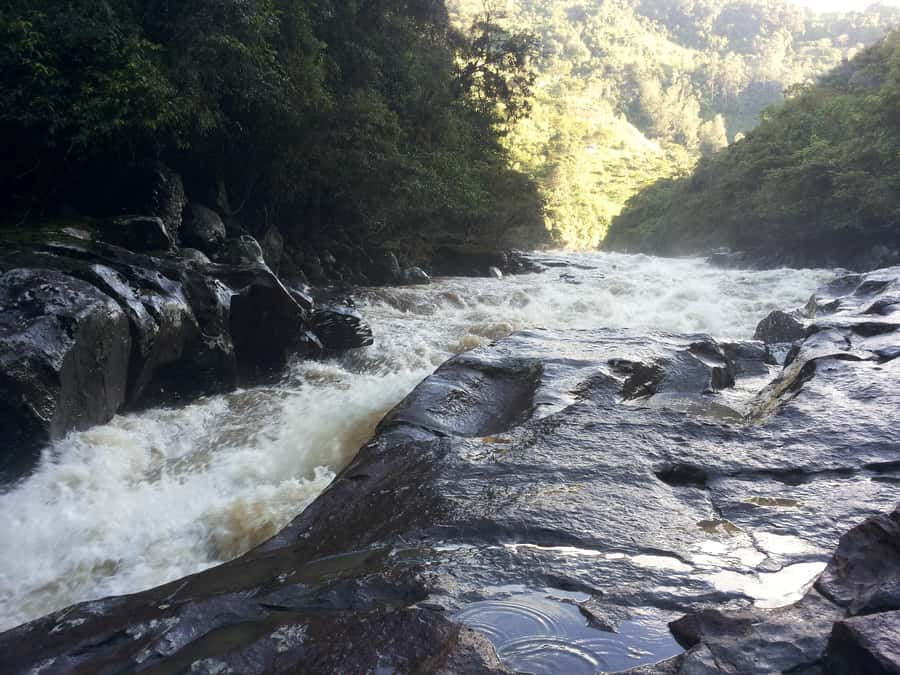
- Magdalena River viewpoints with real scale, especially at the Estrecho del Río Magdalena stretch
- Obando archaeology museum time that helps you interpret what comes later at the Alto sites
- Alto de los Ídolos and Alto de las Piedras add-on stops, with clear, on-the-ground explanations
- Bordones and Mortiño waterfall areas, including a longer stop for Salto El Mortiño
- Isnos and Obando village visits, so the day includes more than ruins and viewpoints
- A true private format, with a live guide in Spanish, French, German, or English, and hotel pickup
Not decided yet? These San Agustin Colombia bookings earned solid marks in our reviews.
- Private Jeep Tour to the Surroundings of San Agustín★ 5.0 · 3 reviews
How this 8-hour San Agustín Jeep tour actually pays off
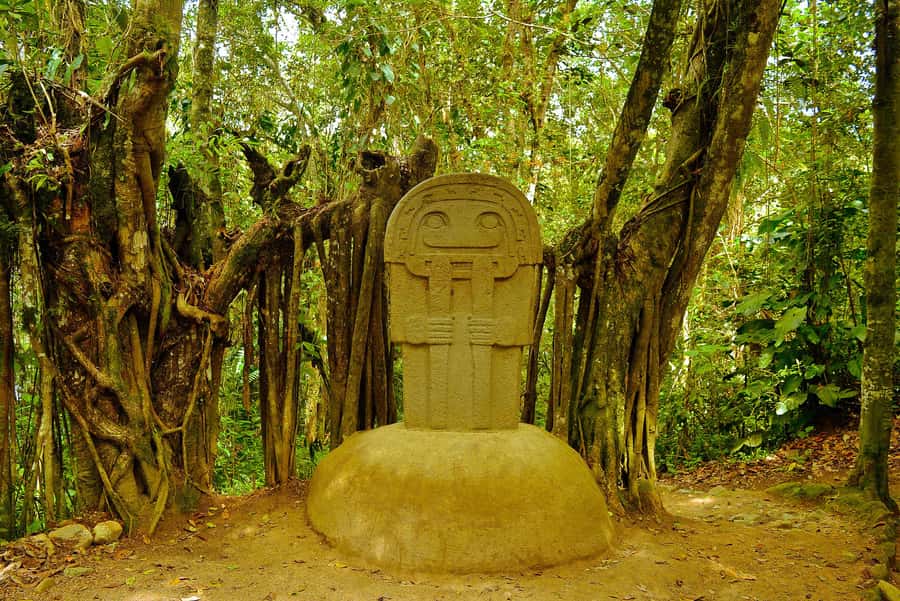
San Agustín can feel like a blur of stones and statues at first glance. This tour works because it gives you context before you get “ruin fatigue.” You’re not just ticking off stops, you’re learning how to read the carvings, the placement, and the symbols. When you finally stand in front of the bigger sites, you’ll understand what you’re looking at and why it matters.
The private format is also a practical win. You move at your pace, not a bus schedule. If your guide notices you’re getting your bearings, you can ask questions right then, instead of trying to remember them later.
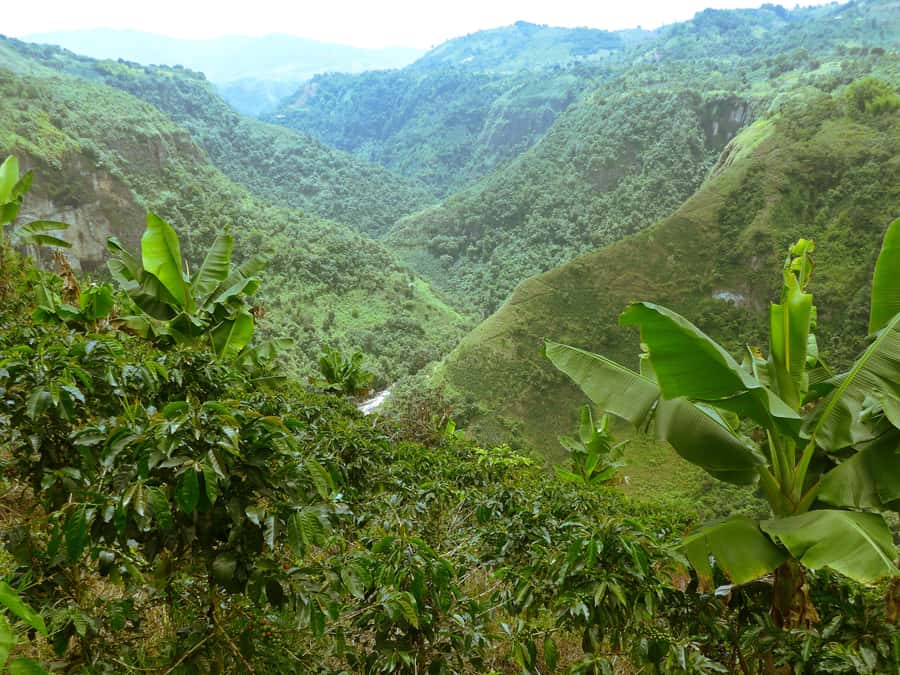
And yes, the scenery helps. The Magdalena River views in this region have serious “how did they build settlements here” energy. That sense of scale makes the archaeological story feel more grounded.
Starting in San Agustín: hotel pickup and a day by car
You begin in San Agustín with pickup from your hostel or hotel. That sounds basic, but it matters. In a place where you may not know local timing, being collected saves you stress and keeps the day smooth.
You travel the full route by car, and it’s structured for an 8-hour day. Expect a mix of short visits and focused time at specific points, including museum time and a longer stop at a major waterfall area. Because the day involves comfort and moderate walking, I’d plan to wear shoes you can trust.
This is also a private group. That means you are not stuck with the pace of strangers who want constant photos or zero questions. If you’re traveling with someone you like, it’s the easiest way to turn a historic route into a more personal experience.
Estrecho del Río Magdalena: the river that makes everything feel real
One stop that sets the mood quickly is Estrecho del Río Magdalena. This is where the Magdalena River shows off its strength and narrowing shape, and you really start to understand why the area mattered.
I like this kind of “nature context” for archaeological travel. It does two things for you:
1) It gives you scale, so the ruins feel placed, not random.
2) It helps you connect human movement to geography, which is often where the best stories start.
At around an hour, you get enough time to slow down, take photos, and actually look. Don’t treat this as a quick roadside moment. Even if you’re not a big photographer, this is one of those spots where you notice how steep slopes and river access shape where people could live and travel.
Obando archaeology museum time: learn the symbols before you hit the bigger sites
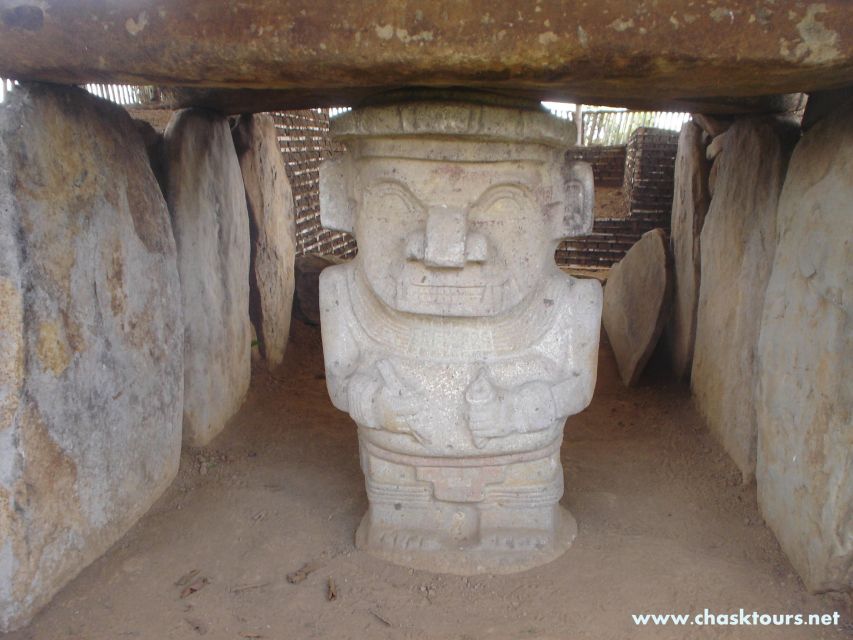
Next up is Museo arqueológico de Obando, with about 1.5 hours on the ground. This is a smart move, and it’s one of the most valuable parts of the route.
Here’s why: San Agustín archaeology can be hard to interpret unless someone guides you. The guide experience is the point. One highlight from a guide like Martha is how well she explains history and the symbols visible on statues. That kind of explanation is exactly what you want before you visit higher viewpoints and sculpture clusters.
If you’re planning to explore the Archaeological Park and museum later on your own, I’d schedule this type of context first. You’ll notice details you would otherwise skip, like repeated motifs, how forms relate to the broader setting, and why certain areas are treated as special.
Practical tip: in your museum time, look for what seems repeated. Even if you don’t catch every detail, patterns are what your guide will help you translate into meaning.
Alto de los Ídolos: where the explanations start to click
Alto de los Ídolos is one of the key viewpoints/additions in the route. You’ll spend about 1.5 hours there.
Even before you get into the nitty-gritty, this stop is about viewpoint and interpretation. These high areas are dramatic, and they naturally encourage longer attention. The guide’s job is to connect what you see to the broader San Agustín story, especially the symbols and how they relate to the people and beliefs connected to the site.
One thing to know: entrance fees for Alto de los Ídolos are not included. You will still visit the location, but you should budget for admission if you want full access that matches the site’s rules.
If you like guided explanations, this is where they pay off. When the guide points out symbolic details and shows you how the statues relate to the setting, the whole area starts to feel less like scattered artifacts and more like a planned cultural landscape.
Alto de las Piedras: another viewpoint, another angle on the same past
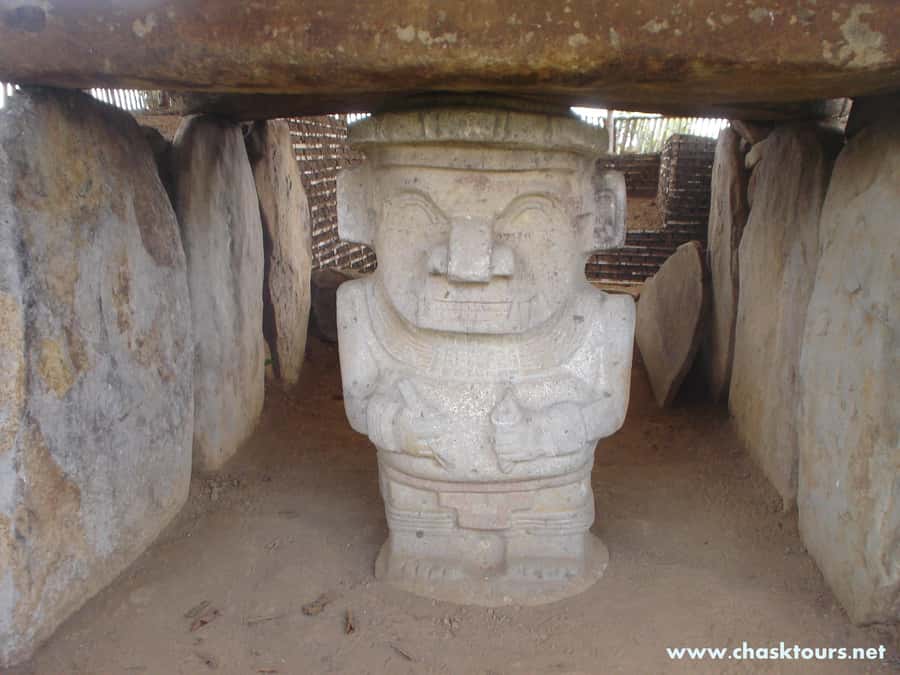
After Ídolos, you go to Alto de las Piedras for about an hour. This stop is shorter, but it works as a “second lens.” You compare what you learned at the first Alto site with the next one, and you start building a mental map of how the region’s archaeology communicates through forms, positions, and symbols.
Again, entrance fees for Alto de las Piedras are not included. So while you’ll have the time and guidance, check whether you will need to pay extra on-site for entry to the full archaeological area.
In my experience with archaeology routes, the best value comes when you can compare. This is that. It’s not just “another stop.” It’s a structured way to see how the story develops across different locations.
Bordones and Mortiño waterfall time, including Salto El Mortiño
Now for the break from stone and symbolism. The route includes the waterfall areas of Bordones and Mortiño. You’ll also get a photo stop and about an hour at Salto El Mortiño.
Waterfalls can be hit-or-miss on tours depending on weather, season, and timing. Here, the route gives you a full hour at the Mortiño stop, which means you get time to relax, take pictures, and enjoy the movement of water rather than sprinting through and hoping you got a good shot.
Also, the entrance for Salto El Mortiño is included. That helps the “what am I paying for” question, since you won’t need to cover everything related to the falls.
Bring sunscreen. Even if it feels cool at the river edge, you’re in open areas where sun can sneak up on you.
If you’re deciding what to prioritize, I’d treat the waterfall stop as more than a scenic pause. In this region, nature and culture are linked by geography, and seeing the water in motion is a reminder of the environment that shaped how people lived.
Isnos and Obando villages: the living context around the ruins
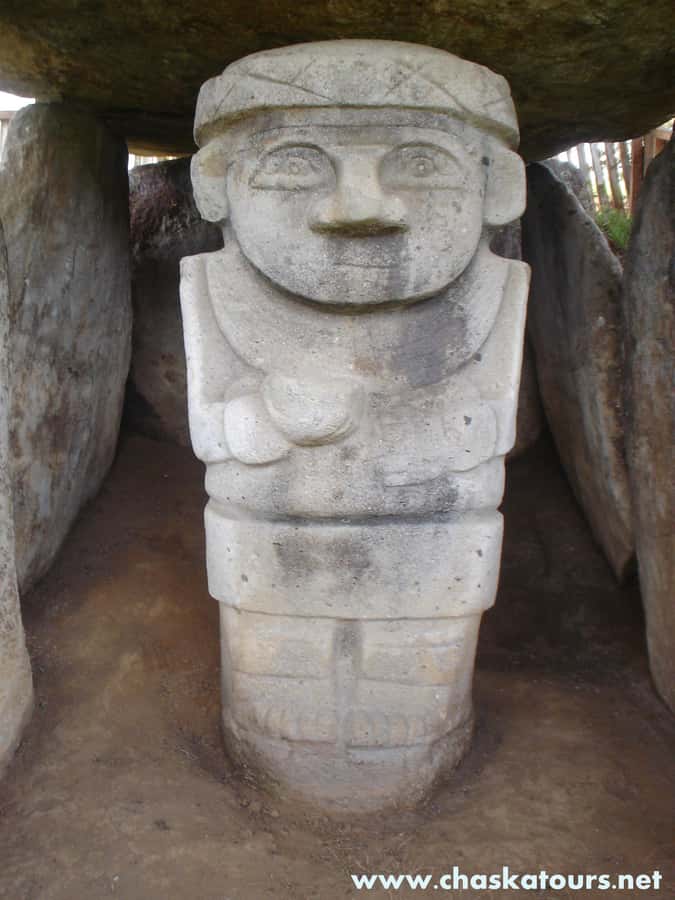
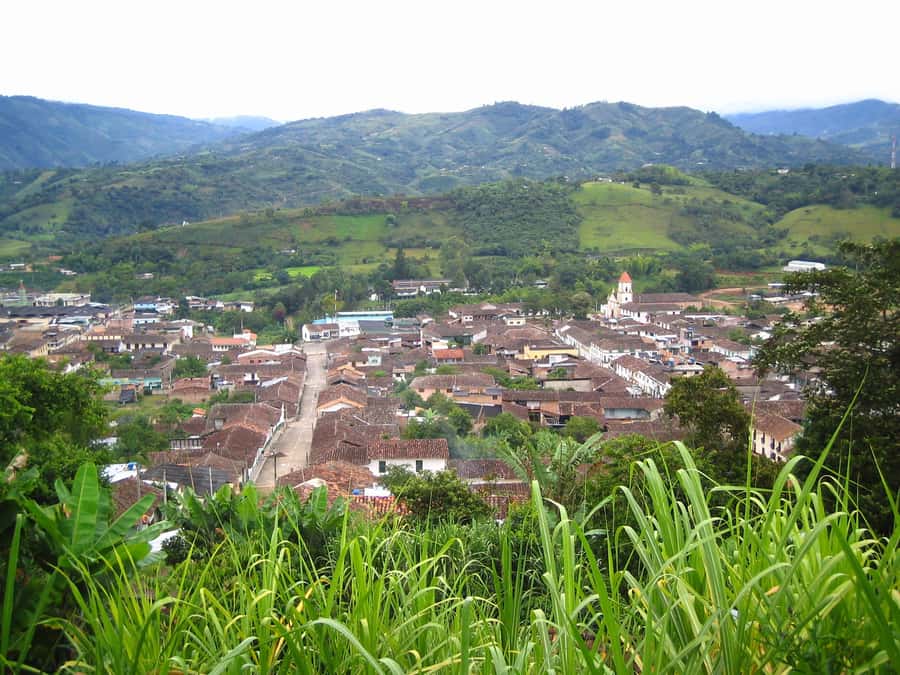
The day doesn’t lock you into ruins only. You also visit neighboring villages, including Isnos and Obando.
This part is subtle but important. It keeps the day from becoming a museum-only experience. Villages give you a sense of where modern life sits next to archaeological memory. You see how people continue living in the same region, with the landscape still shaping daily routines.
It’s also where the guide’s knowledge really matters. A strong local guide turns a drive-by village moment into something more meaningful, by connecting what you see to the broader cultural story. Guides like Éloise have a knack for making local history feel understandable, not technical.
Keep your expectations flexible here. This is not a city shopping break. It’s time to step into the neighborhood scale of the region.
Private guide in your language: why it changes the whole experience
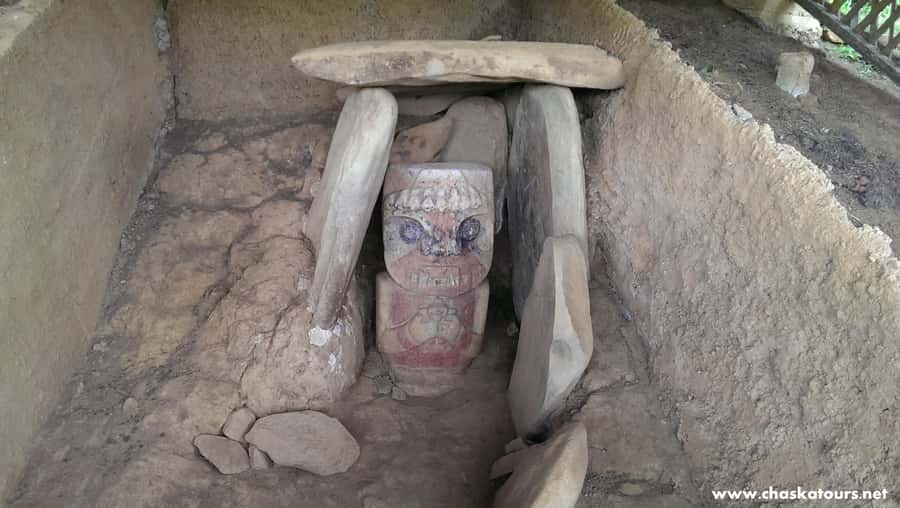
This tour includes a live guide with Spanish, French, German, or English. That matters a lot at San Agustín archaeology, because so much of what you see is easier to decode with explanations.
You also benefit from a private group. There’s less rushing, and you can ask follow-up questions. In one case, Martha’s approach stood out for clarifying history and the symbols on statues. Éloise’s francophone local guidance is another example of how language fluency plus local knowledge can transform the day.
If you’re thinking about language, go with the guide option that lets you ask questions comfortably. Your enjoyment will be higher if you can talk naturally, not just listen.
Price and logistics: is $136 per person good value?
At $136 per person for an 8-hour private Jeep tour, value comes from two places: the private transportation plus the guide time, and the entrance fees that are included.
Included entrances cover Obando and Salto Mortino, including entry and admission for the Obando Archaeological Park and El Salto del Mortino. That’s meaningful because archaeological and waterfall site fees can add up.
The cost doesn’t fully cover everything. Entrance fees for Parque Arqueológico Alto de los Ídolos and Alto de las Piedras Archaeological Park are not included. So your total day cost may be higher than the base price, depending on what you choose to pay for on-site.
Still, for many visitors, this format can be a bargain compared to cobbling together separate guides or transport and paying for multiple individual tickets. If you want a guided route that explains what you’re seeing, this price is in the zone where it can feel fair.
What to bring and what to expect from the physical side
You’ll want comfortable shoes and sunscreen. That’s the practical minimum, because archaeological areas and viewpoints usually involve walking on uneven ground and spending time standing still to look.
The tour is not wheelchair accessible. Service animals are allowed, and infants must sit on laps. The day is not recommended for travelers with back problems, and it’s also not recommended for anyone with heart problems or serious medical conditions.
So if you have mobility issues or health concerns, take this seriously. This isn’t a sit-in-a-lobby day. It’s a moderate physical day, built for people who can handle uneven terrain and outdoor stops.
Also keep weather in mind. This experience requires good weather. If poor weather causes cancellation, you’ll be offered a different date or a full refund.
Who should book this private Jeep tour?
I think this tour is best for you if:
- You want guided explanations at San Agustín, not just photos
- You plan to visit the Archaeological Park and want better context beforehand
- You like private travel where your guide can adjust to your questions
- You want a mix of archaeology and nature, with river viewpoints and waterfalls
It may not be the best fit if:
- You need wheelchair accessibility
- You have back problems or heart conditions
- You prefer a lighter day with minimal walking and no weather dependence
If you’re traveling with a friend or family group and you’d rather learn than just wander, this route does that job very well.
Should you book Chaska Tours for San Agustín surroundings?
I’d book it if your priority is understanding. The way the route is built, with museum context and then Alto viewpoints, helps you read the statues and symbols without guesswork. Guides like Martha and Éloise show that the narration can be the difference between seeing and understanding.
If you choose it, plan your budget for the Alto entrance fees that are not included, and bring comfortable shoes plus sunscreen. Also pick a day with solid weather if you can, because the whole experience depends on it.
For a first or second time in the San Agustín area, this private Jeep day is a smart, efficient way to get meaning, not just stops.
FAQ
How long is the Private Jeep Tour to the surroundings of San Agustín?
The tour lasts 8 hours.
Where does the tour start, and is pickup included?
Pickup is included, and they can pick you up at your hostel or hotel in San Agustín. The tour starts from there.
Is this a private tour or a group tour?
This is a private group tour, so only your group participates.
What languages is the live guide available in?
The live tour guide is available in Spanish, French, German, and English.
What entrance fees are included in the price?
Entrance fees included cover Obando and Salto Mortino, including entry and admission for the Obando Archaeological Park and El Salto del Mortino.
Are the entrance fees for Alto de los Ídolos and Alto de las Piedras included?
No. Entrance fees for Parque Arqueológico Alto de los Ídolos and Alto de las Piedras Archaeological Park are not included.
What should I bring for the tour?
Bring comfortable shoes and sunscreen.
Is the tour wheelchair accessible?
No, it is not wheelchair accessible.
Is this tour suitable if I have back problems or heart problems?
It is not recommended for travelers with back problems, and it is also not recommended for people with heart problems or other serious medical conditions.
What happens if I cancel or if weather is poor?
You can cancel up to 24 hours in advance for a full refund. If the experience is canceled due to poor weather, you will be offered a different date or a full refund.
Everything Else We Reviewed in San Agustin Colombia
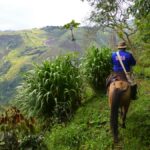
Just added to our San Agustin Colombia shelf
- Private Jeep Tour to the Surroundings of San Agustín
★ 5.0 · 3 reviews
Amazon, Tatacoa & Southern Colombia, compared.
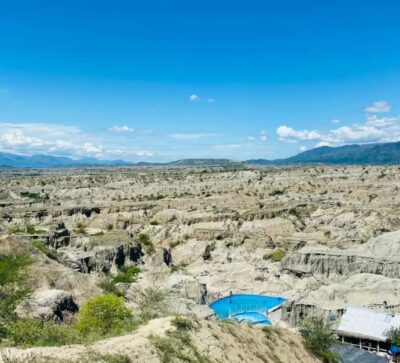 ★ 4.8Neiva: Guided Day Trip to the Tatacoa Desert with LunchFrom $12976 reviews
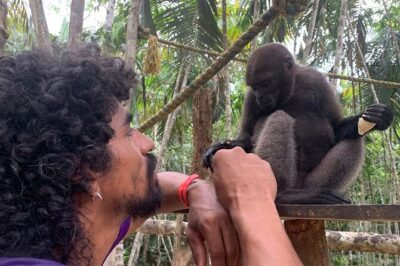 ★ 5.0Amazon Unveiled: Private Ancestral Immersion & Conscious LuxuryFrom $1,10331 reviews
 ★ 4.7Community and Biodiversity Tour of the Tatacoa Neiva DesertFrom $5614 reviews
 ★ 4.1Leticia: Amazing Three Day Jungle ToursFrom $6768 reviews
 ★ 4.6Popayan: Condor Watching in Purace + San Juan Hot SpringsFrom $1196 reviews
 ★ 4.6Popayán: Gastronomic Wonders and City TourFrom $1376 reviews
 ★ 4.7From Leticia: Wild Amazonas Adventure 4-Day TourFrom $7895 reviews
 ★ 4.7Community tour Biodiversity Latatacoa Desert VillaviejaFrom $645 reviews
Where else this tour turns up