
REVIEW · ESCOBAR ERA HISTORY TOURS
Shared Tour Colombian Conflict War, Drug Trafficking & Peace
Bogotá’s conflict story comes with context. In this Beyond Colombia shared walking tour, you get a guided explanation of why the Colombian violence era took hold, from the Bogotazo to guerrillas, with an objective approach. I like that guides such as Lorenzo turn a tough subject into a clear timeline you can connect to real places as you walk.
One catch: it’s about 9 km on foot and the pace is info-heavy. If you’re hoping for very current political detail, plan to ask your guide direct questions early, because the emphasis is strongly on origins and development.
In This Review
- Key things I’d plan for
- Price and what you truly get for $13
- Where the tour starts, and how to survive the walk
- What this tour teaches, step by step in plain language
- Independence process and the early power struggle
- The Bogotazo, and the turning point feel
- Military dictatorship and the next cycle of conflict
- Creation of guerrillas, including FARC, ELN, and M-19
- Peace process and the FARC peace agreement
- Current political situation, and why fighting keeps going
- Bogotá’s historic center: why the setting matters
- Drug trafficking, conflict, and the logic of escalation
- The guide makes or breaks it, and this one gets strong marks
- What to bring, and what to skip
- Discounts and recommendations, without the pressure
- Who should book this Bogotá conflict tour
- Should you book this Bogotá conflict walk?
- FAQ
- How long is the tour?
- How much does it cost?
- Where do I meet the guide?
- What language is the tour in?
- Is food or transportation included?
- Is the tour wheelchair accessible?
Key things I’d plan for
- The Big Timeline: You’ll follow conflict roots and the violence era’s growth, not just one dramatic event.
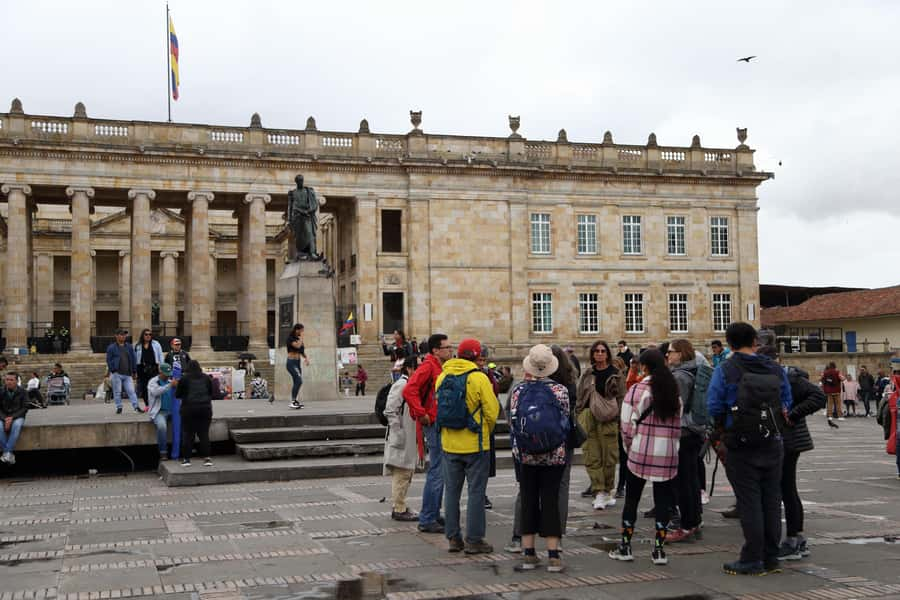
- The Bogotazo of 1948: You’ll get the controversial riot explained and why it mattered.
- Peace and armed groups: You’ll connect the FARC peace agreement to the logic behind current guerrilla and paramilitary fighting.
- Drug trafficking links: You’ll see how cartels and conflict got tied together over time.
- Liberals vs Conservatives: You’ll learn how this power struggle shaped more than just politics.
- Easy meeting spot: Find Beyond Colombia right in front of Museo del Oro, with red umbrellas.
Other history walks covering the same difficult years
- Breaking Borders: Bogota Gansters Story★ 5.0 · 62 reviews
Price and what you truly get for $13
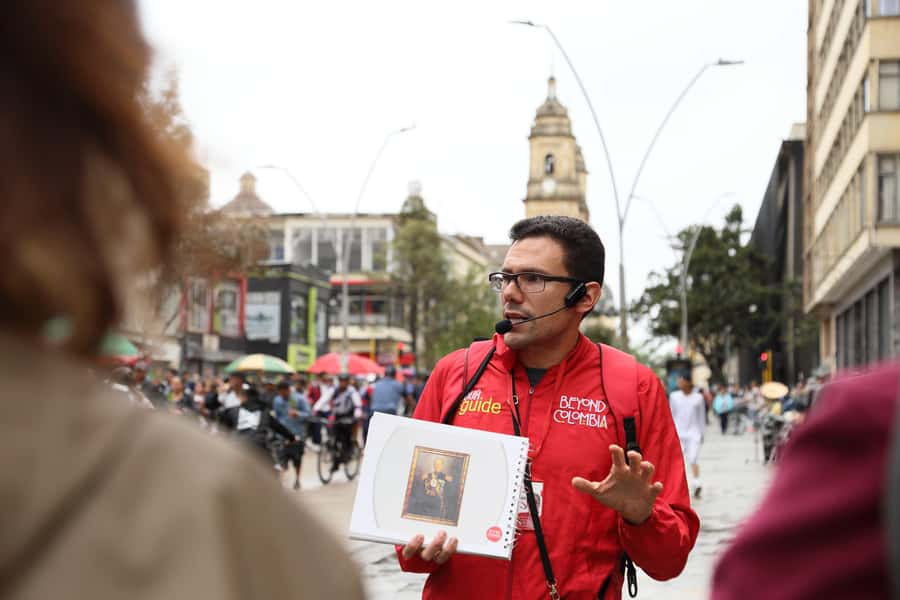
For $13 per person, you’re paying for a long, structured English guide walk that connects big historical events to what you can actually see in Bogotá’s historic center. This is not a “sit and watch videos” tour. You’re covering origins, turning points, and ongoing impacts, and you get the added perk of a wristband at the end that may unlock discounts with recommended partners.
The smart value here is focus. The tour promises accurate and objective knowledge and says it will not take sides. That matters when the subject is Colombia’s conflict, where it’s easy for history tours to slide into propaganda. You get a clear framework: what happened, why it happened, and how different actors fit together.
You’re also not stuck paying surprise add-ons. The tour notes that tickets and entrances are not required for included stops, so your spending stays predictable.
Where the tour starts, and how to survive the walk
Meet up is straightforward: you’ll find the guide right in front of Museo del Oro with Beyond Colombia’s red umbrellas. That’s a big help on a first day, because you’re starting from a recognizable landmark, not a vague corner.
Timing is also pretty clear. The tour runs about 150 minutes, and the experience is described as roughly 3 hours. Expect multiple listening stops and rest breaks along the way. Still, this is a serious walking tour. The tour info says you’ll walk about 9 km, so build the rest of your day around it.
My practical advice: wear comfortable shoes you already trust. Add sunscreen and a hat for sunny stretches, and bring water or your preferred hydration. Weather can change fast, so plan for rainproof gear, because umbrellas or capes might not be provided. Also, remember what’s not allowed: smoking, alcohol, and drugs.
If you’re sensitive to crowds, take it seriously. The tour mentions you’ll visit some crowded areas, so keep your belongings close.
What this tour teaches, step by step in plain language
This tour is built as a cause-and-effect story. The goal is not to memorize names. It’s to understand how Colombia’s conflict evolved into the modern reality you hear about today, including the role of drug trafficking and the reasons armed groups keep fighting.
Here’s the learning flow you should expect:
Independence process and the early power struggle
The tour frames later violence by starting earlier, with the independence process and how power was contested. You’ll also look at the push for Liberal and Conservative supremacy. This isn’t just political trivia. It sets up why so many later battles could become existential, not just policy disputes.
The Bogotazo, and the turning point feel
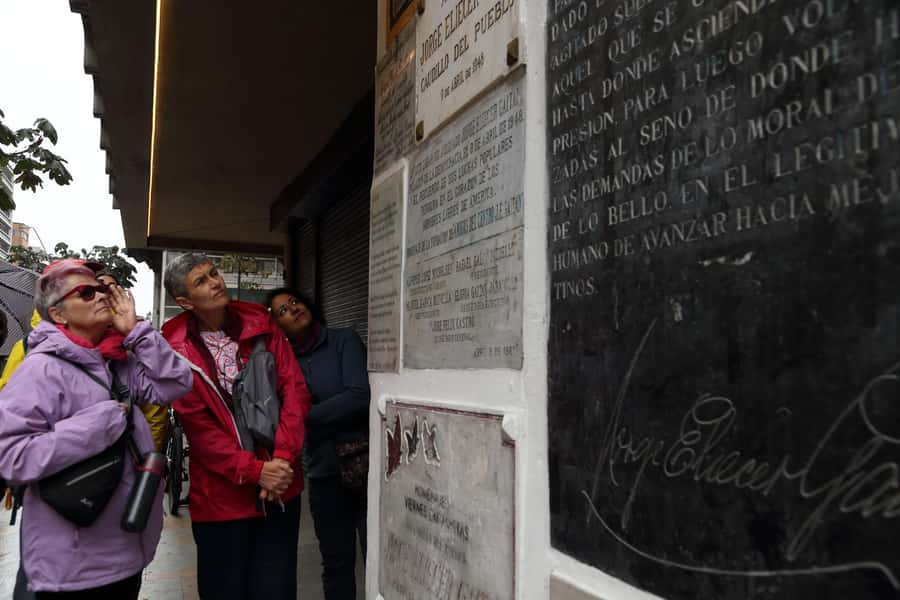
Then you move into one of the most controversial turning points in Bogotá’s conflict history: the Bogotazo of 1948. The tour is explicit that this riot is part of the so-called violence era’s origins.
What I like about this kind of stop is that it helps you see how violence can spread from a single flashpoint into a wider era. It also gives you a lens for understanding why people still reference 1948 when talking about national trauma.
Military dictatorship and the next cycle of conflict
After that, you’ll hear about the military dictatorship and how it reshaped the political climate. The value here is continuity. You get a sense of how governance, repression, and social conflict can create fertile ground for organized armed movements later on.
Creation of guerrillas, including FARC, ELN, and M-19
Next comes one of the tour’s most important parts: how guerrillas were created, including FARC, ELN, and M-19. You’ll connect those formations to the broader struggles from earlier periods.
This is the part where you start understanding that armed groups did not appear out of thin air. They were tied to political conflict, unequal outcomes, and power struggles that had been building for years.
Peace process and the FARC peace agreement
Then the tone shifts toward the peace process, including the ongoing peace agreement signed with FARC. This section helps you understand what peace meant on paper, and why conflicts can evolve even after major agreements.
It’s also where you’ll start thinking more critically about “peace” as a process, not a switch.
Current political situation, and why fighting keeps going
Finally, you’ll cover the current political situation and the fighting reasons of current guerrillas and paramilitary groups. The tour’s promise of objectivity matters here, because it keeps the focus on explanations rather than glorification.
One practical note: if you want sharp details on the current political day-to-day, you should prepare to ask direct follow-up questions. The tour emphasizes development over the most granular reporting.
Bogotá’s historic center: why the setting matters
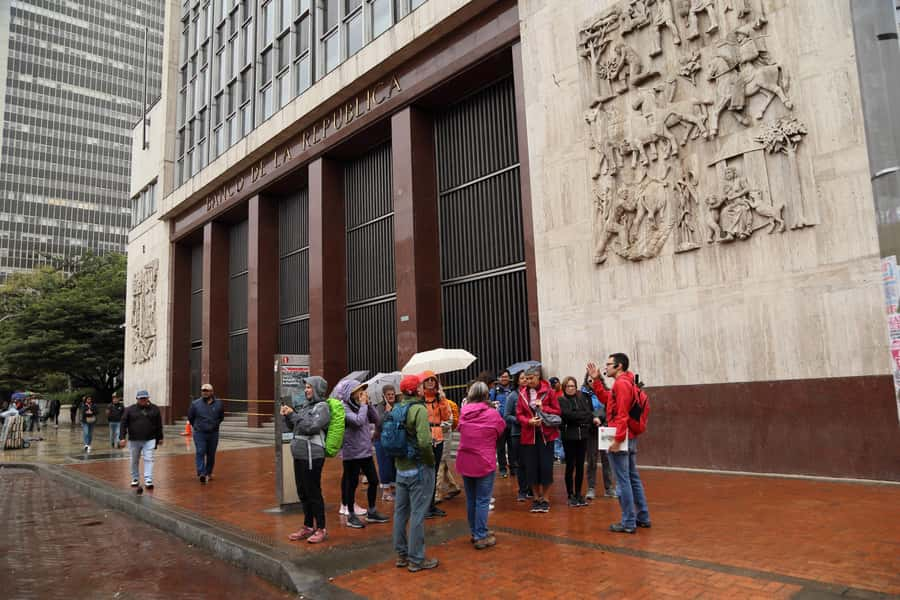
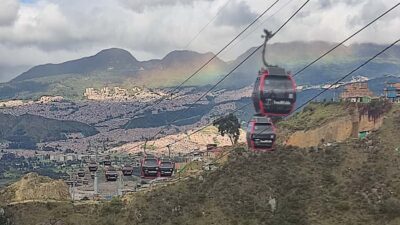
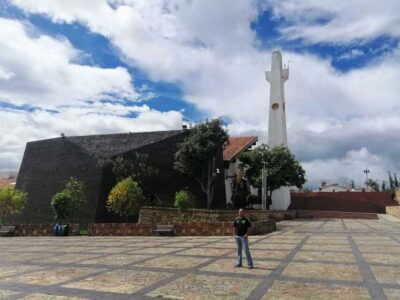
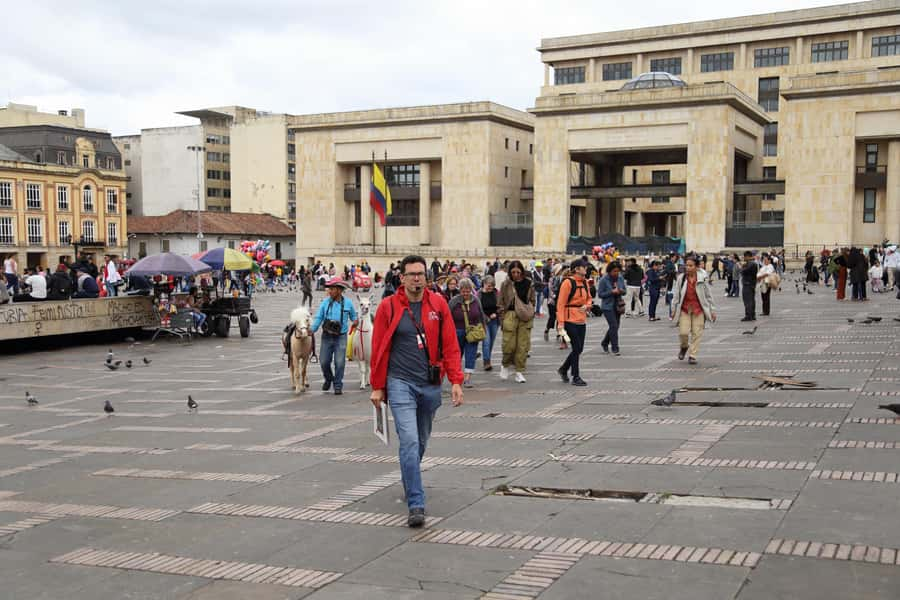
The tour includes sightseeing of essential places in Bogotá’s historic center, with each stop framed in conflict history. Even without a museum-style approach, the streets and landmarks help your brain anchor the timeline.
That’s one reason I think this works for first-time visitors. You start in the middle of Bogotá’s story, and you don’t just hear names. You connect names to locations, and locations to consequences.
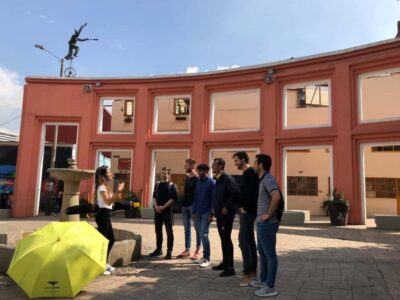
Because it’s a shared tour, you’ll also have a chance to compare notes with other people as you go. This can help you catch questions you didn’t know you should ask, especially on topics like political factions or how different armed groups differed in motivation.
The trade-off is that this is not a “low stimulation” walk. You’re listening, walking, and thinking at the same time, with limited downtime besides rest stops.
Drug trafficking, conflict, and the logic of escalation
The tour description explicitly links Bogotá’s conflict development to ties with drug cartels and the violence imposed on the country. This is one of the most important learning objectives, because drug trafficking is not just a side plot in Colombia’s history. It became intertwined with power, territory, and funding.
What makes that teaching valuable is the structure. You don’t get a generic “drugs are bad” lecture. You get an explanation of how conflict actors, political power struggles, and illegal economies can create escalation loops.
If you’re trying to understand modern headlines, this is one of the best sections to pay attention to. Even if you already know the basics, the “why” behind the escalation helps the whole picture click.
The guide makes or breaks it, and this one gets strong marks
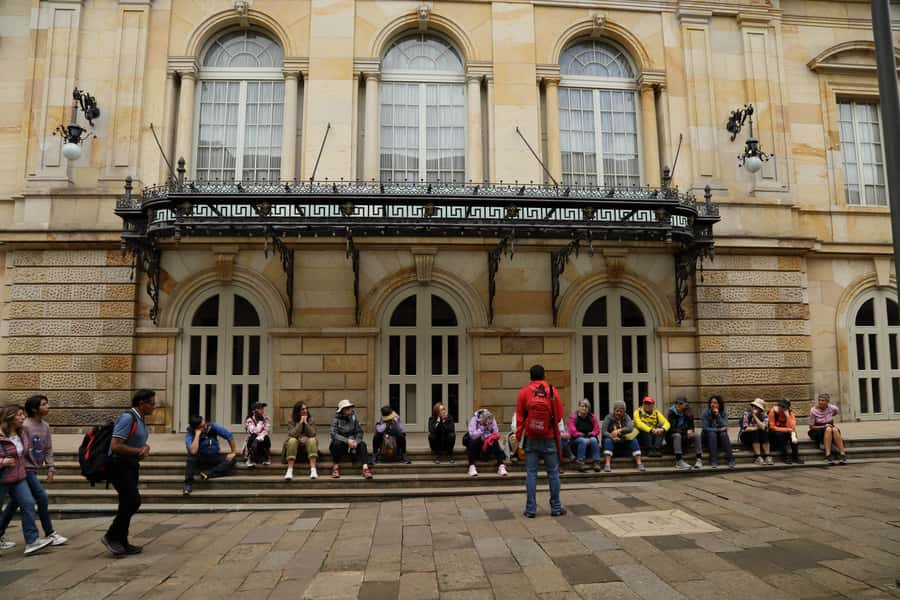
This tour is run by Beyond Colombia, an operator with many original tours created by their own guides. They also emphasize that they’ve been connecting Colombia since 2013, with multiple international recognitions and strong ranking records.
In practice, the guide talent shows up in three ways you should expect:
- Clear connections: You’ll hear how one era leads to another, so you don’t leave with a disconnected list of events.
- Group engagement: The guides use questions to involve the group, which helps the history stick.
- Warm delivery: Several guides come across as friendly and interactive, even on heavy topics.
Specific names that come up include Lorenzo, Hector, Santi, and Daniel. If you get one of those guides, you’re likely to get lively explanations and room for questions.
The only drawback to watch for is what happens when you want more detail on the very current political situation. On this tour, the emphasis can lean toward the past and the development of conflict, so you may want to ask early: What should I read to understand today’s context more clearly?
What to bring, and what to skip
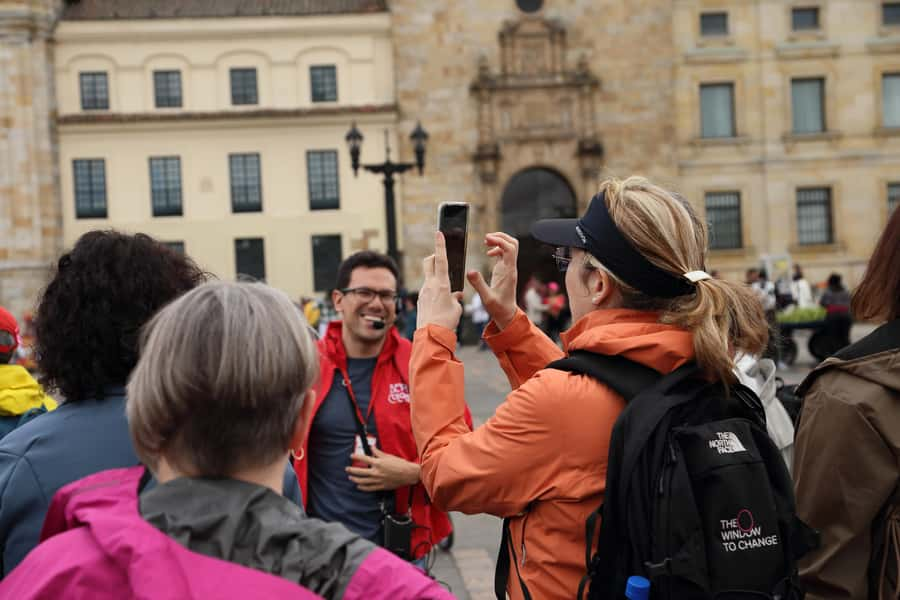
This is a practical walking tour, so pack like you mean it.
Bring:
- Comfortable shoes (you’ll walk about 9 km)
- Water for hydration
- Hat and sunscreen
- Camera
- Rainproof gear, since umbrellas or capes might be discouraged and weather is not controlled
Skip:
- Smoking
- Alcohol and drugs
Also keep your stuff secure. The tour notes crowded areas, so avoid leaving valuables loose.
Discounts and recommendations, without the pressure
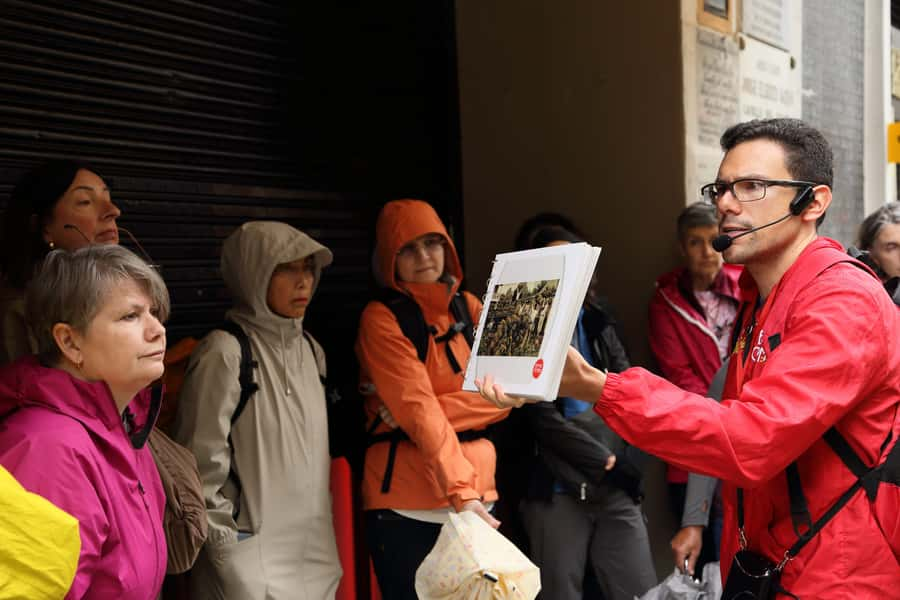
One nice touch is that after the tour, you get a wristband that can unlock benefits and discounts with recommended partners. That’s a real money-saver in a place where you might want to book activities soon.
You also get recommendations of material to check out to stay informed. Even though the tour can’t cover every detail, the “what to read next” angle is useful. It helps you turn one guided walk into a longer learning track.
Who should book this Bogotá conflict tour
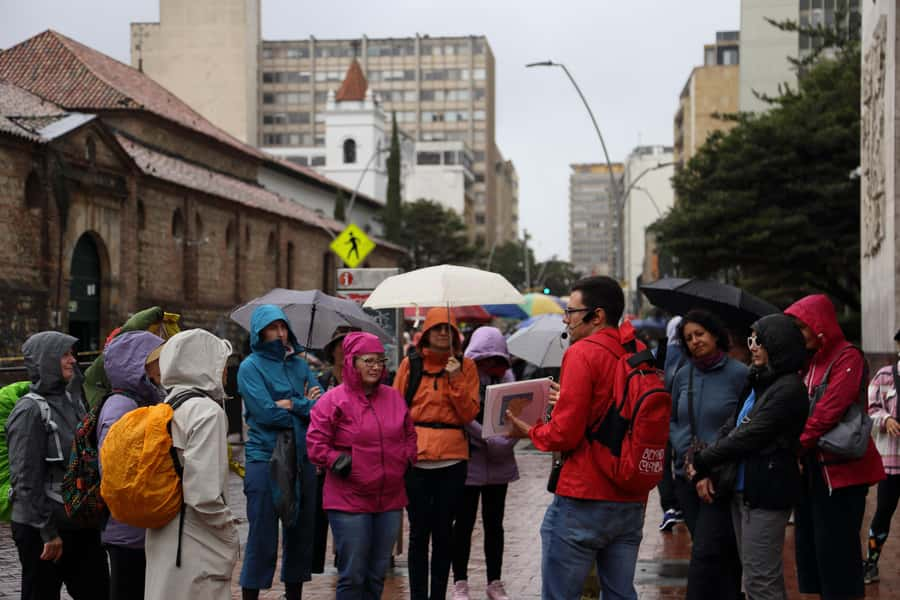
This tour is a strong fit if you:
- Want a structured explanation of Colombia’s conflict history
- Prefer an objective approach rather than a political argument
- Like learning by walking, seeing the city as a chapter in the story
- Are visiting Bogotá’s historic center and want context beyond architecture
It may be less ideal if:
- You hate long walks. About 9 km with stops is not light.
- You want a lot of highly specific current political detail in the moment.
- You’re traveling with very young kids. The tour says it’s not suitable for children under 5.
Should you book this Bogotá conflict walk?
Yes, if you want clarity. For $13, you’re getting a long English-guided walk built around the biggest turning points of Colombia’s political conflict, with the Bogotazo, guerrillas like FARC and ELN, and the peace process all tied into one understandable story.
I would only hold off if you’re not ready for a serious walk or if you specifically need the most granular, current policy breakdown. In that case, book it anyway and plan to ask targeted questions, but also pair it with other reading so you leave Bogotá with both context and updates.
FAQ
How long is the tour?
The tour duration is listed as about 150 minutes, roughly 3 hours.
How much does it cost?
It costs $13 per person.
Where do I meet the guide?
Meet right in front of Museo del Oro, with Beyond Colombia guides holding red umbrellas.
What language is the tour in?
The tour is in English, with an English-speaking tour guide.
Is food or transportation included?
Food and drinks are not included, and transportation to and from your hotel is not included. The tour is walking with resting stops.
Is the tour wheelchair accessible?
The activity is described as wheelchair accessible, but it also notes it is not suitable for wheelchair users and people with mobility impairments. You should confirm what this means for your situation before booking.
The Rest of Our Bogota Reviews
Everything Else We Reviewed in Bogota
The Escobar Years, Told Plainly
Just added to our Bogota shelf
- Fun Graffiti Workshop: The Art of Aerosol and Color
★ 5.0 · 3 reviews - From Bogota: White Water Rafting Experience
★ 4.4 · 3 reviews - From Bogota: Excursion to Jaime Duque Park
★ 5.0 · 3 reviews - Bogotá: La Candelaria Food Tour with Tastings
★ 4.2 · 3 reviews - Walking tour José Celestino Mutis Botanical Garden 3 hrs
★ 5.0 · 3 reviews
Escobar Era History Tours, compared.
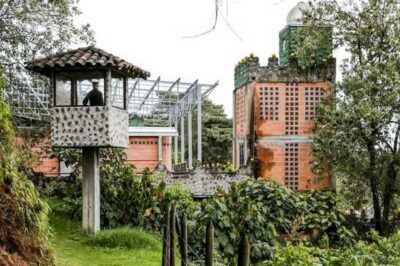 ★ 4.8Medellín: The Real Pablo Escobar TourFrom $423,205 reviews
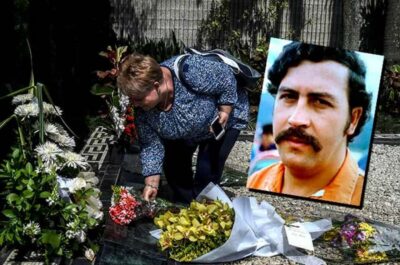 ★ 4.7Medellín: Pablo Escobar Tour with beer includedFrom $31612 reviews
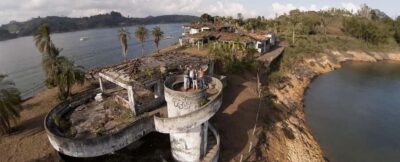 ★ 4.7Medellin: Guatapé Day Trip & Boat to Pablo Escobar’s EstateFrom $64365 reviews
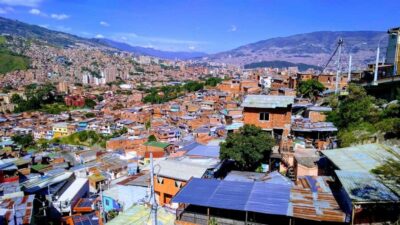 ★ 4.9Medellín: Private Pablo Escobar and Comuna 13 TourFrom $81233 reviews
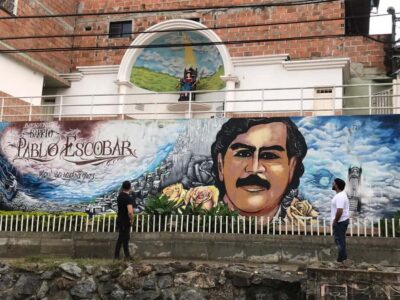 ★ 4.8Medellín: Private Pablo Escobar Tour with Cable Car RideFrom $73228 reviews
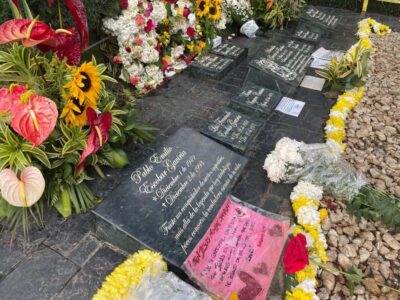 ★ 5.0Pablo and the drug trafficking worldFrom $50129 reviews
 ★ 4.9From Medellín: Private Pablo Escobar History TourFrom $6384 reviews
 ★ 4.8Medellin Pablo Escobar TourFrom $5581 reviews
Where else this tour turns up