
REVIEW · CALI SALSA & VALLE DEL CAUCA TOURS
Afro Walking Tour. The colors of Cali.
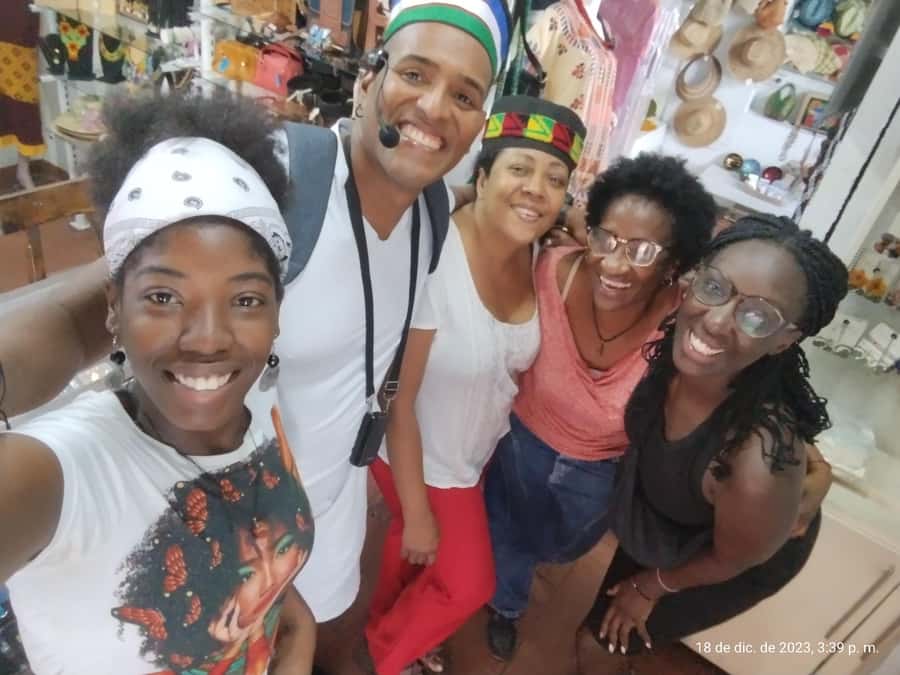
Cali changes fast when you walk with someone who knows the stories. The Afro Walking Tour, The Colors of Cali, turns downtown streets into a living lesson on African heritage in Colombia, with music, dance, and murals that actually explain themselves. I especially liked the bilingual guide experience with Andrés Jiménez, and the way the tour reads the city through street art and everyday community life.
You also get hands-on culture, not just photos. The tour includes Afro-Colombian food tastings and a walk that connects the dots between Afro heritage and why Cali is called the world capital of salsa. The one thing to consider: this is a real street walk through the center, with street vendors and people who may be begging, so you should be comfortable with that normal, human city atmosphere.
In This Review
- Key things you’ll notice on this walk
- Cali on Foot, With Afro Stories in the Foreground
- Meeting at the Subway and Wearing the Right Shoes
- Andrés Jiménez, Bilingual and Unusually Personal
- The Three Cultural Institutions: Why Stops Matter Here
- Murals, Music, and the Salsa Connection You Actually Feel
- Tasting Afro-Colombian Food Along the Route
- Walking Through Real Life, Vendors and All
- Price and Timing: Is 150 Minutes Worth $42?
- Who This Tour Fits Best (And Who Might Skip It)
- Should You Book The Afro Walking Tour, The Colors of Cali?
- FAQ
- How long is the Afro Walking Tour, The Colors of Cali?
- How much does it cost?
- Where do I meet for the tour?
- What languages is the guide available in?
- Is the tour wheelchair accessible?
- What should I bring?
- What is not allowed on the tour?
- Is this tour suitable for kids and hearing-impaired people?
Key things you’ll notice on this walk
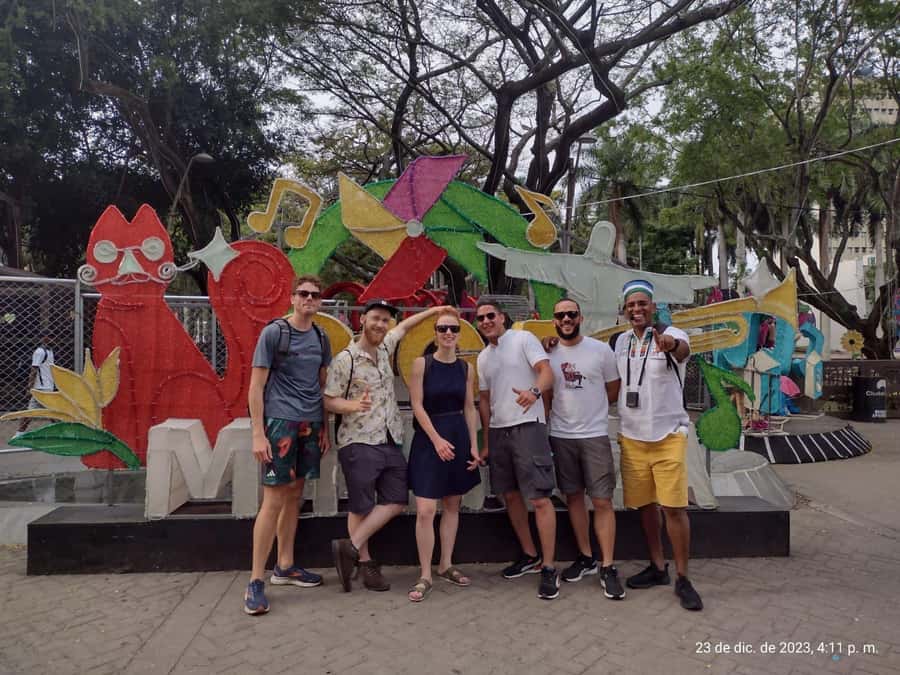
- Andrés Jiménez in English and Spanish so you can follow fully and even practice your Spanish
- Murals with meaning, not just pretty walls, tied to Afro resilience and creativity
- Afro-Colombian food tasted along the route, so you learn by eating
- Cali’s salsa logic, including how music and dance connect to identity in the city
- Three cultural institutions that add context beyond the street level
- Interactive pacing, more conversation than lecture
Other nights and other days in the Valle
- Shared Tour Cali’s Historical Downtown★ 4.8 · 143 reviews
- Cali: Street Food Tour★ 4.8 · 71 reviews
- Afro Walking Tour. The colors of Cali.★ 5.0 · 61 reviews
- Cali: City Tour★ 4.9 · 57 reviews
Cali on Foot, With Afro Stories in the Foreground
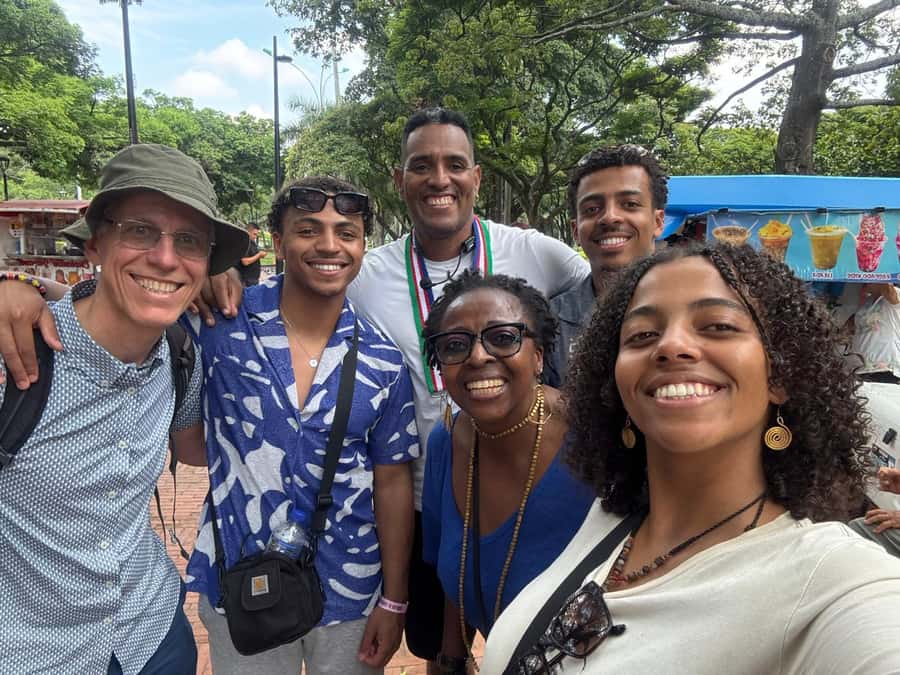
Cali has color, but this tour explains where the color comes from. You’ll be guided through the center of Santiago de Cali with a focus on its Afro-descendant communities and how that heritage shows up in daily life, art, sound, and food. The tour is built around the idea that Cali is multicultural, and Afro culture is a major part of the city’s personality, not a side note.
What I like most is the balance between big themes and small details. You’re not only learning about arrival of African culture and historical experiences, you’re also seeing how that culture lives now, in murals, neighborhood businesses, and the kind of street-level creativity that becomes a shared language.
If you want a tour that makes you look twice at what you would normally pass by, this fits. The murals and the stories turn architecture and street art into a kind of map. You start noticing symbols, references, and patterns you would miss if you were simply sightseeing on your own.
Meeting at the Subway and Wearing the Right Shoes
Meeting point is simple: in front of the Subway sandwich restaurant. From there, you’ll head into the city on a route that takes around 150 minutes total. Since this is a walking tour through the center, comfortable shoes are not optional, they are the whole plan.
Bring what helps you stay steady in a lively street setting: water, sunglasses, camera, cash, and comfortable clothes. You’ll also want to be ready for the fact that you are not walking through a museum corridor. The tour goes past real parts of town, including areas where street vendors are active and you might see beggars.
One practical tip: treat this like you’re visiting a neighborhood, not just a viewpoint run. Keep your attention on the guide and the stories, and you’ll get more out of every stop. If you drift into tourist autopilot, you miss the point.
Andrés Jiménez, Bilingual and Unusually Personal
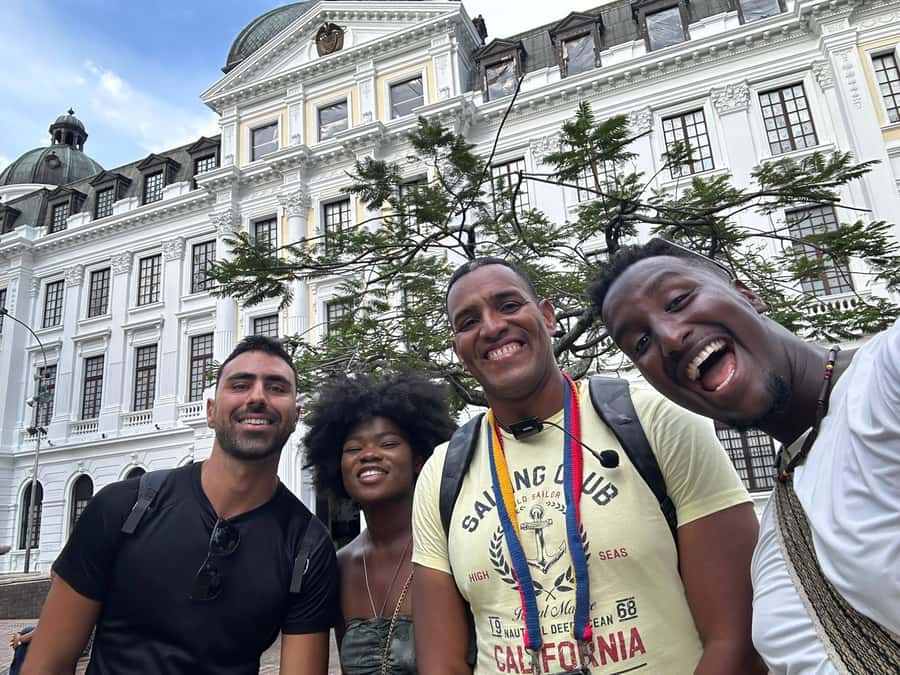
The biggest reason this tour earns such strong ratings is how Andrés works. He leads in English and Spanish, which matters because it keeps the experience accessible without feeling watered down. In my opinion, bilingual guiding is a quality-of-life upgrade, especially if you want to learn terms, not just catch fragments.
Andrés also brings a conversational style. The tour feels interactive, with discussion and questions woven in rather than a straight slideshow route. In multiple accounts, people appreciated that he connects the information to real perspectives and checks in to make sure questions land naturally. That makes it easier to feel the tour as a dialogue.
You’ll also get the sense that he’s not only teaching. He’s introducing you to how Cali functions socially: how people greet him, how businesses connect to community, and how culture is preserved in everyday life. That personal touch is a big part of why this feels more like an experience than a standard sightseeing walk.
The Three Cultural Institutions: Why Stops Matter Here
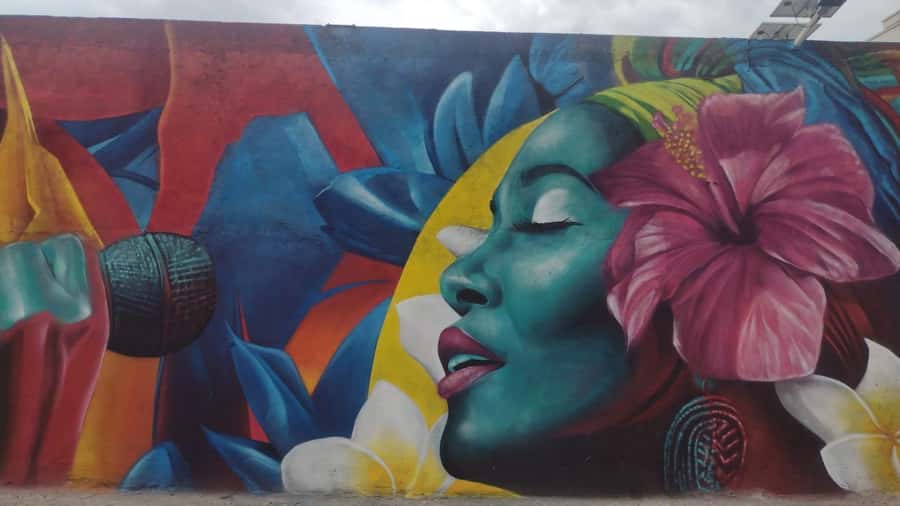
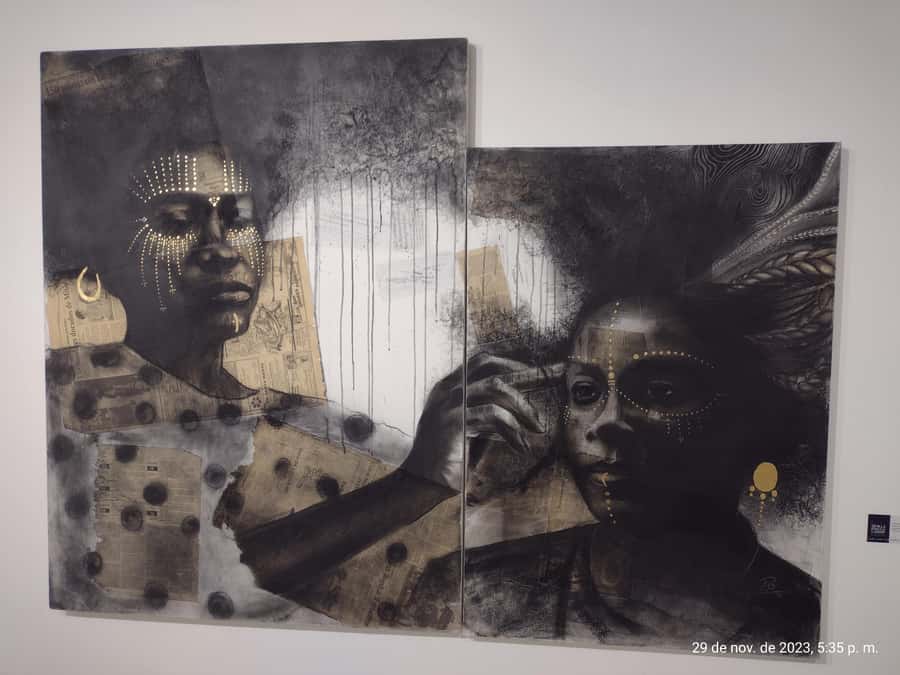
This tour includes a visit to three institutions of cultural interest. The route is structured so the street stories are supported with context inside places that help explain heritage, creativity, and the ongoing meaning of Afro culture in Cali.
Because the specific names of each institution aren’t provided here, I’ll describe what the structure accomplishes. You’ll move from murals and street life into cultural spaces where you can understand what you just saw. Think of it as a rhythm: outside, you interpret images and sounds. Inside, you get background that makes those images make sense.
In the accounts tied to this experience, one recurring theme is that cultural centers and programs show Afro heritage as active, not historical. People mentioned music and skills education running across generations. Others noted access to cultural education and community resources. That matters because it keeps Afro culture from being framed as a static past. Instead, you see it as something practiced, taught, and maintained.
Here’s the practical benefit for you: after you visit those institutions, you’ll walk away with a stronger understanding of why the murals are built the way they are, and why salsa in Cali is more than entertainment. It becomes identity, memory, and community energy all at once.
Potential drawback: because the tour is interactive and includes three stops, it can feel like more than one quick “city taste” session. If you want pure free time to wander, you’ll have less of that flexibility.
Other Cali Colombia routes done on foot

Murals, Music, and the Salsa Connection You Actually Feel
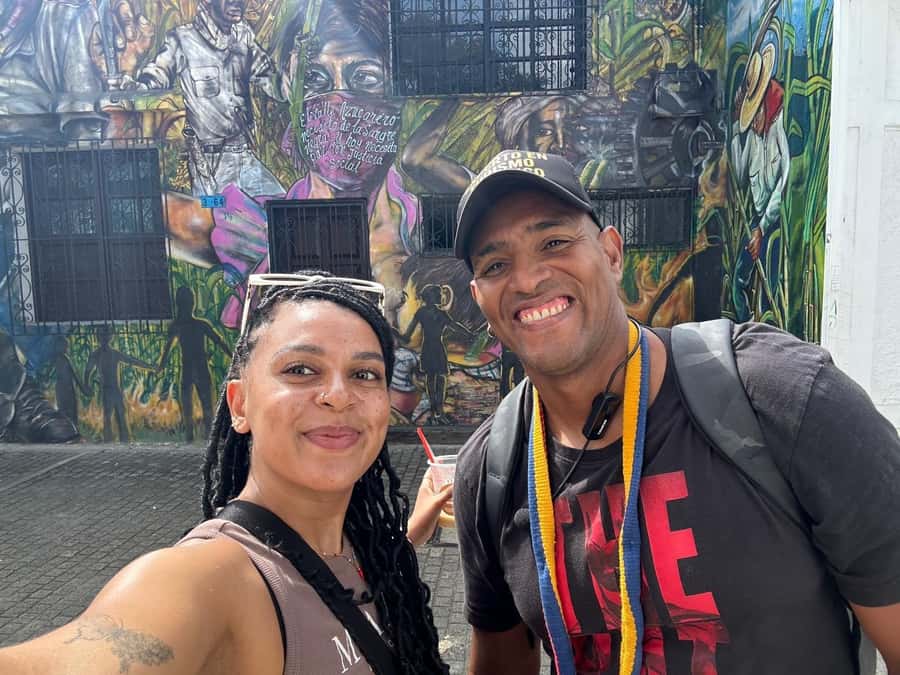
Cali’s salsa reputation is famous, but this tour treats it like a story with roots. You’ll learn why Cali is often referred to as the world capital of salsa, and more importantly, you’ll connect that label to Afro influence through music, dance, and cultural expression.
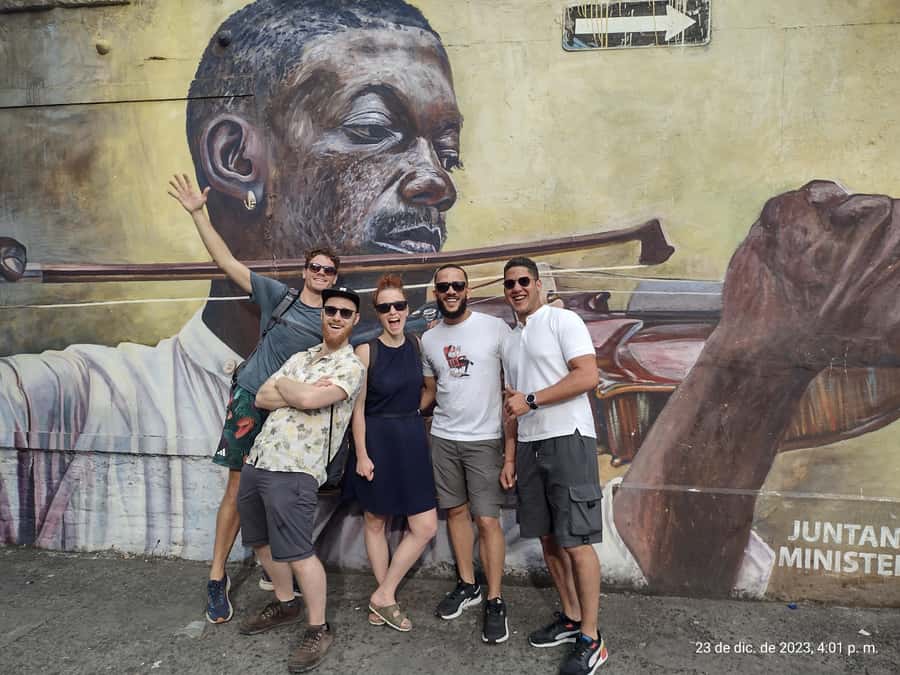
Expect to see colorful street art along the way. The tour frames murals as part of Afro resilience and creativity. Instead of treating street art as decoration, the guide explains how it relates to community experience. Several people mentioned that the mural background stories made them look at the city differently, and that’s the point. You don’t need to be an art expert. You just need a guide willing to connect the dots.
Music and dance also come into play beyond theory. One account mentioned a small salsa lesson component. Even if you aren’t a dancer, a short class element can be a useful reality check: salsa is something you feel in your body, not something you only read about. It helps the cultural learning stick.
If you’re visiting Cali for salsa and want more than clubs and choreography, this is the reason to choose this tour. You’re building a mental picture of how rhythm and identity connect in the city, street to stage.
Tasting Afro-Colombian Food Along the Route
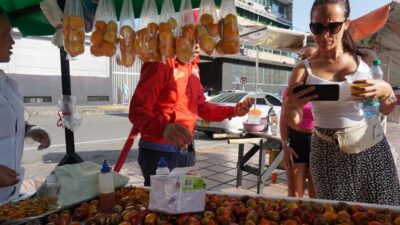
Food is a core part of this experience. The tour includes tastings of local Afro cuisine, taken among the cultural sights rather than at one isolated restaurant stop. That style matters for value. You get more than one bite, and you learn through the street food logic Cali is known for.
People described the food as tasty and satisfying, and they also appreciated the way tastings help them feel connected to the community’s culinary traditions. Another common theme is that the guide points you toward local vendors and spots you might miss if you were just following tourist maps.
One practical note: the tour data says cash is useful, and it also says alcohol and drugs are not allowed. So keep your focus on food, water, and the sights. If you have food allergies, you should plan to ask the guide directly, since the exact items aren’t listed here.
Walking Through Real Life, Vendors and All
The tour does not pretend Cali is only picturesque. Before you go, you should know you’ll walk through the center with street vendors and beggars. You’ll also see all kinds of people going about their day. The guide frames this as normal, and you should too.
How to handle it well:
- Keep your pace steady and follow the group.
- Be respectful if the guide talks about inequality and community history.
- Don’t try to turn every street interaction into an Instagram moment. The tour is about meaning, not spectacle.
This realism is also why the tour feels grounded. You’re learning in the place where culture lives. That can be emotional for some people, but it tends to be a turning point for anyone who wants their travel to be more than a photo checklist.
Price and Timing: Is 150 Minutes Worth $42?
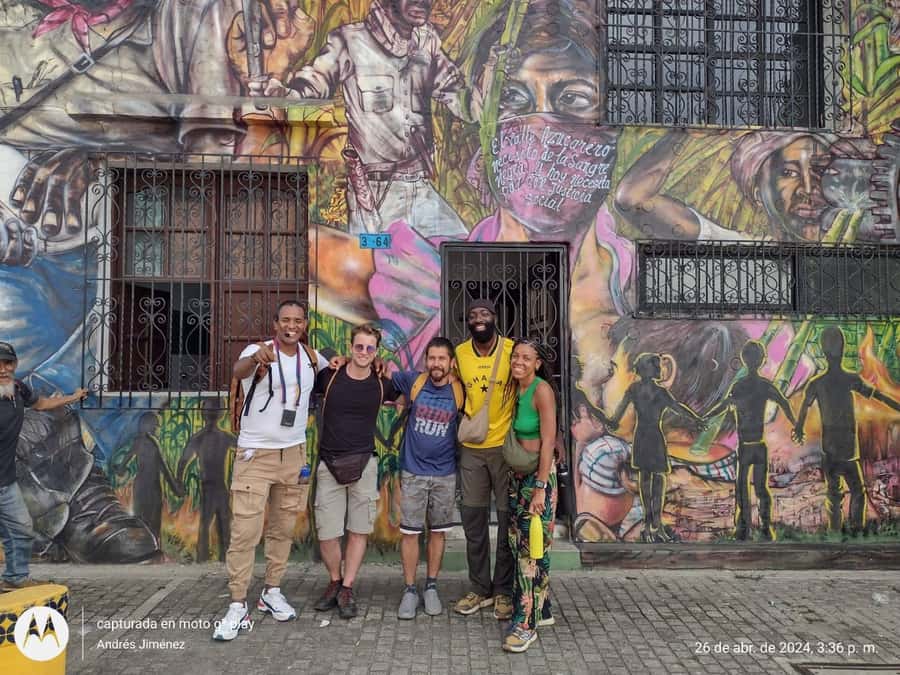
At $42 per person for 150 minutes, you’re paying for more than walking time. You’re paying for a bilingual guide, street-art interpretation, tastings, and three cultural institutions. For a city like Cali, where the best cultural context often lives outside major museum clusters, this mix is strong value.
Here’s how I’d judge value as a practical traveler:
- If you only want a quick overview, this might feel like a lot for $42.
- If you want to understand Afro-Colombian influence in Cali through stories, art, food, and cultural stops, the time and structure make sense.
This tour also reduces your guesswork. You don’t have to decide which neighborhood to start with or which murals to focus on. The guide already knows what to look for, and that saves you time, especially if you have just a couple days in town.
Who This Tour Fits Best (And Who Might Skip It)
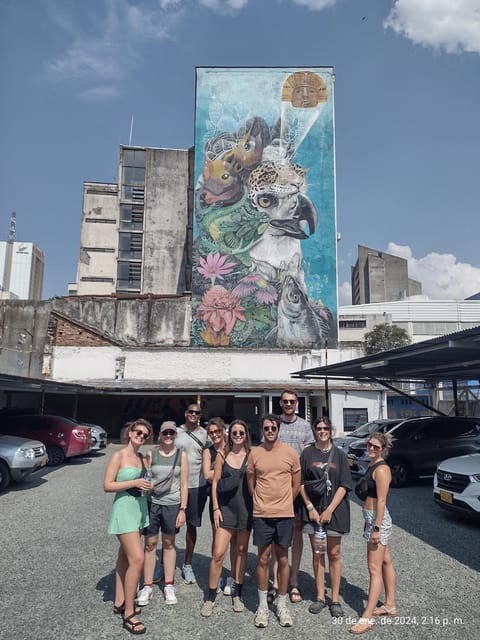
This works best if you like:
- history tied to real streets and real people
- art interpretation, especially murals with context
- food tastings that teach through flavor, not just description
- conversation and interactive learning
It is not suitable for children under 10 years and it is not suitable for hearing-impaired people, based on the provided rules. It also involves walking, so you should be ready for a steady pace and time outdoors.
One more match check: this tour is designed for adults and for travelers who want to understand culture beyond the surface. If your main goal is a fast photo tour with minimal talking, you might find the interactive pace a bit more intense than you want.
Should You Book The Afro Walking Tour, The Colors of Cali?
If you’re in Cali and you want to understand why Afro-Colombian culture is such a core part of the city’s identity, book it. This is one of those tours where you leave with a changed lens, not just a list of places. The combination of bilingual guiding by Andrés Jiménez, meaningful murals, Afro food tastings, and stops inside three cultural institutions makes the 150 minutes feel focused.
I’d skip it only if you strongly prefer quiet, low-walking sightseeing, or if the walking through central areas with vendors and beggars would make you uncomfortable. Otherwise, it’s a smart way to get real context fast, and it pairs nicely with planning your salsa nights afterward with a deeper sense of where the rhythm comes from.
FAQ
How long is the Afro Walking Tour, The Colors of Cali?
The tour lasts 150 minutes.
How much does it cost?
The price is $42 per person.
Where do I meet for the tour?
Meet in front of the Subway (Sandwich restaurant).
What languages is the guide available in?
The guide is available in English and Spanish.
Is the tour wheelchair accessible?
Yes, the tour is listed as wheelchair accessible.
What should I bring?
Bring comfortable shoes, sunglasses, a camera, water, comfortable clothes, and cash.
What is not allowed on the tour?
Alcohol and drugs are not allowed.
Is this tour suitable for kids and hearing-impaired people?
It is not suitable for children under 10 years and it is not suitable for hearing-impaired people.
Everything Else We Reviewed in Cali Colombia




Walk Cali Colombia Slowly


Cali Keeps Dancing
Just added to our Cali Colombia shelf
- From Cali: Whale Watching Day Trip in Buenaventura
★ 4.6 · 3 reviews - Private Tour on a 1100cc Cruiser Motorcycle
★ 5.0 · 4 reviews - Cali: Pico de Loro Trekking Adventure – Farallones de Cali
★ 5.0 · 4 reviews - Craft Beer Pub Crawl in Cali
★ 5.0 · 4 reviews - Flavors of Cali: Food tour at the local market
★ 5.0 · 5 reviews
Cali Salsa & Valle del Cauca Tours, compared.
 ★ 4.8Shared Tour Cali’s Historical DowntownFrom $13143 reviews
 ★ 5.0Historical Shared Tour Salsa, Graffiti & Resistance in CaliFrom $14107 reviews
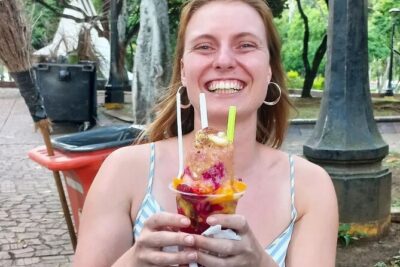 ★ 5.0The Cali Street Food Walking TourFrom $3281 reviews
 ★ 5.0San Cipriano Rainforest – River, Waterfalls and Adventure DayFrom $25973 reviews
 ★ 4.8Cali: Street Food TourFrom $2971 reviews
 ★ 5.0Cali: Walking tour of the historic centerFrom $4169 reviews
 ★ 4.9Cali: City TourFrom $8557 reviews
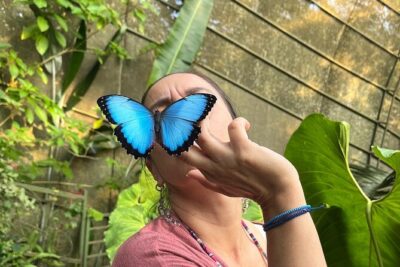 ★ 5.0Admission to Andoke Butterfly Center in Cali with Release RitualFrom $1955 reviews
Where else this tour turns up