
REVIEW · CALI SALSA & VALLE DEL CAUCA TOURS
Shared Tour Cali’s Historical Downtown
Salsa here has a story behind it. This Cali walking tour ties El Valle geography to African-influenced gastronomy, music, and dance, then explains how the Salsa boom, including La Feria de Cali, grew during cartel-era pressure and cultural conflict.
I like the focused route through the historic core, starting at La Merced Church and moving past the Calima Gold Museum area, then across key squares and major theaters and churches. I also love how the tour connects culture you can hear and feel, food, slang, and dance, with culture you can read and watch, like literature, cinema, and theater.
The tradeoff is distance and pace: you’ll walk about 7 km in roughly 150 minutes, so plan on sturdy shoes and real hydration.
In This Review
- Key things that make this tour worth your time
- Why Cali’s salsa story lives in the streets
- Meeting at Museo Arqueológico La Merced, then getting moving
- La Merced Church and the Calima Gold Museum: where Santiago de Cali gets explained
- Crossing Boulevard del Río, San Francisco, Cayzedo, and Jairo Varela
- Ermita, Teatro Municipal, St. Peter’s Cathedral, and the big-name cultural buildings
- El Valle, African roots, and what you’ll taste and hear in the city
- La Feria de Cali and the cartel era context behind the dance floor
- Social revolts after the pandemic, plus arts in literature, cinema, theater
- Price and time: what $13 buys you in real value
- Guide energy you might meet: Lem, Cristian, Fernando, Juliana, and Adriana Alvarez
- My booking advice: should you choose this Cali historic downtown tour?
- FAQ
- How long is the Shared Tour Cali’s Historical Downtown?
- Where do I meet the guide?
- What language is the tour offered in?
- Is transportation included?
- How much will I walk?
- What is included in the price?
- Are tickets or entrances included?
- What food or drinks are included?
- Is chontaduro tasting guaranteed?
- Is the tour suitable for everyone?
Key things that make this tour worth your time
- El Valle explains the city’s attitude through the region’s geography and identity
- African roots show up in day-to-day culture, especially food, music, and dance
- Salsa and La Feria de Cali get political context, including how cartels shaped public life
- Post-pandemic social revolts are part of the story, not an afterthought
- Cali’s arts connect the dots from literature to cinema to theater
- A full historic-center route with iconic stops like Ermita, Teatro Municipal, St. Peter’s Cathedral, and Puente Ortiz
Other nights and other days in the Valle
- Shared Tour Cali’s Historical Downtown★ 4.8 · 143 reviews
- Cali: Street Food Tour★ 4.8 · 71 reviews
- Afro Walking Tour. The colors of Cali.★ 5.0 · 61 reviews
- Cali: City Tour★ 4.9 · 57 reviews
Why Cali’s salsa story lives in the streets
Cali calls itself the world capital of salsa, and that sounds like marketing until you walk the blocks with someone who can connect rhythms to real history. This tour is built around that idea: you’re not just seeing pretty squares and churches, you’re learning why Cali dances the way it does.
What I like is the balance. The tour aims to be accurate and objective, so you get context on civil conflict, discrimination, and later social unrest, without the guide turning it into a political soapbox. You also get a cultural through-line that keeps returning to the same theme, roots.
If you’re a salsa fan, you’ll feel extra satisfied. You’re going to hear how the Salsa movement grew into a mass cultural force, and how events like La Feria de Cali fit into the broader pressure the city was under. If salsa is new to you, no problem. You’ll still come away understanding why it matters here.
Meeting at Museo Arqueológico La Merced, then getting moving
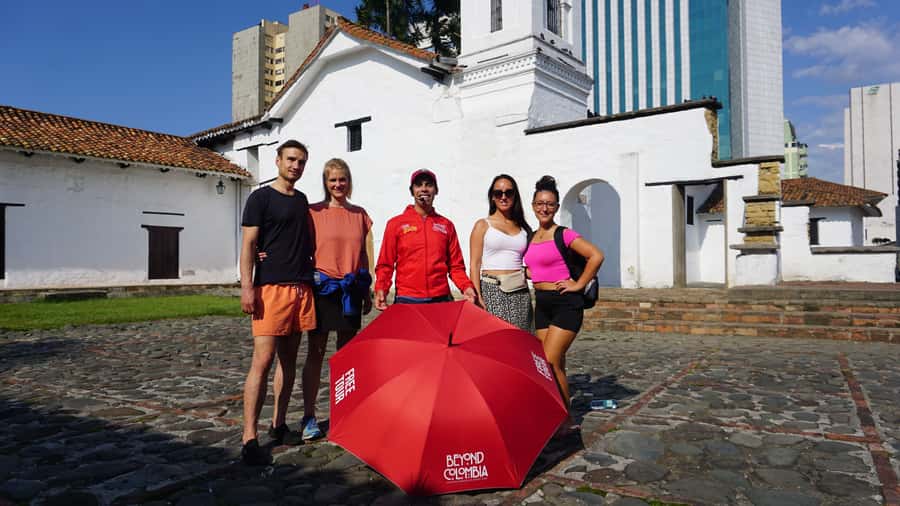
The meeting point is easy to spot: right in front of the Museo Arqueológico La Merced, with Beyond Colombia guides using red umbrellas. The tour runs about 150 minutes and is conducted in English, and it’s a shared walking format.
You should plan for a steady walk plus listening stops. The route is about 7 km total, which is manageable for most adults, but it is not a sit-and-watch museum day. You’ll also want water with you, and rain gear, since you’re outdoors for most of it.
One practical note I appreciate: the tour is designed to be walking-first, no transportation included. That keeps the experience flexible, but it also means you should wear comfortable clothes and shoes you trust for uneven sidewalks.
La Merced Church and the Calima Gold Museum: where Santiago de Cali gets explained
The tour kicks off near La Merced Church and uses that area as a starting point for understanding Cali’s origin. You’ll hear how the city of Santiago de Cali begins its story here, and how socioeconomic development since the 17th century helps explain the modern dynamics you still see around you.
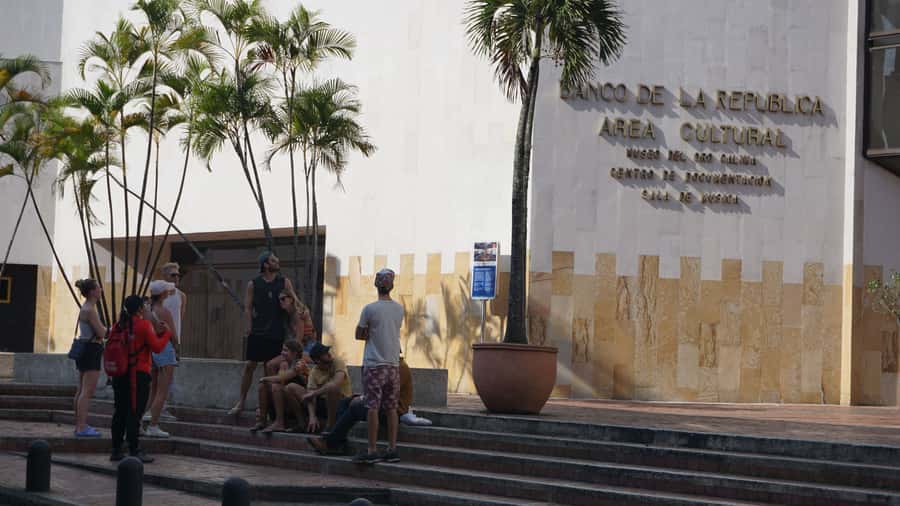
Right after that, you’ll pass by the Calima Gold Museum area. Even if you do not go inside, it helps anchor the narrative. Gold and pre-Columbian artifacts aren’t just collectibles. They’re evidence of older local cultures and trade connections, and they set up the idea that Cali’s identity is layered, not one-note.
Here’s the value for you. When you understand that the city grew in stages, you’ll interpret everything you see later, theaters, squares, and even the way people gather in public spaces. Otherwise, those stops can feel like a list. With context, they become a map.
A small consideration: since you’re walking, expect a rhythm of short speeches at stops, then moving again. If you get tired quickly, bring that energy into your planning, slow down during rest stops and drink water early.
Crossing Boulevard del Río, San Francisco, Cayzedo, and Jairo Varela
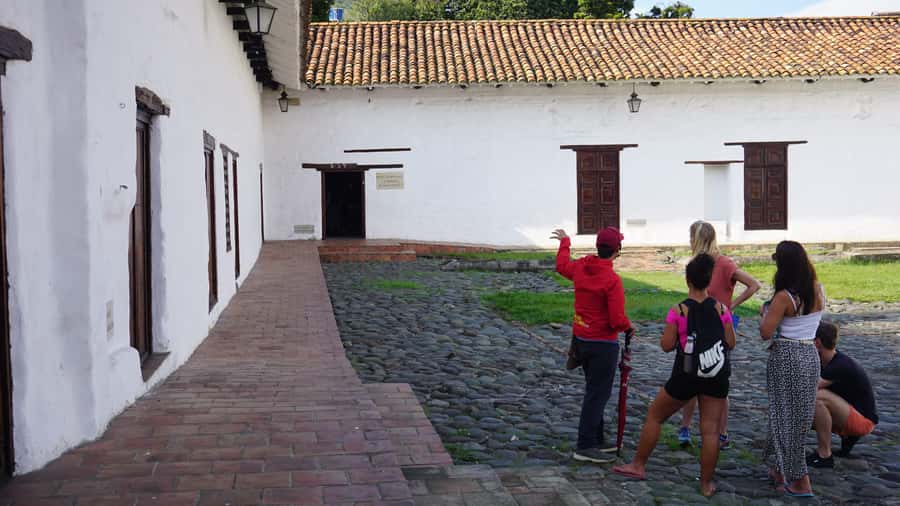
After the origin point, the tour moves through several important squares. These stops do more than add variety. They show how public life works in Cali, where people gather, how neighborhoods connect, and how different eras left their imprint on the city layout.
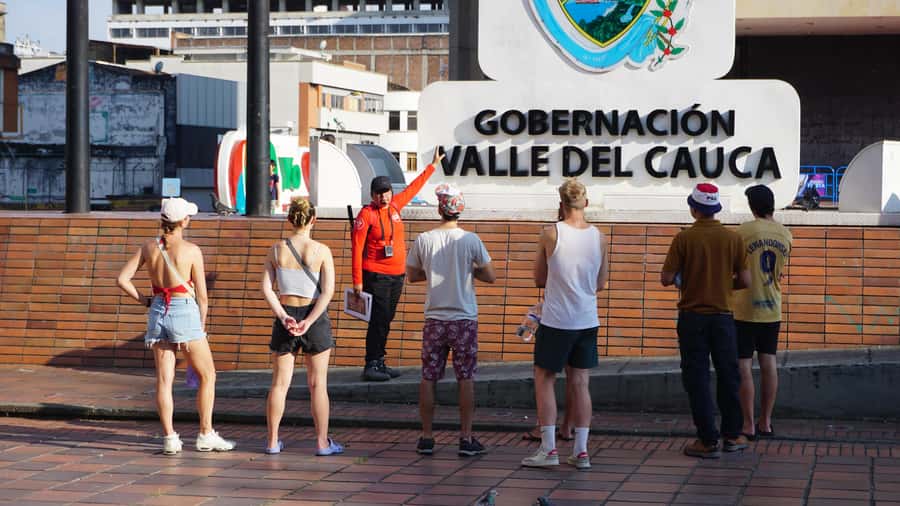
You’ll cross the River Boulevard (Boulevard del Río), then reach San Francisco Square, Cayzedo Square, and Jairo Varela. Each one is used to talk about the city’s social behavior and identity. That matters because Cali is known for movement, music, and performance, so the squares become part of the story, not just background.
One reason I think this section works so well is that the tour keeps tying place to culture. You hear about the impact of soccer and salsa in society, so you start noticing the same kinds of energy in everyday street life, not just during scheduled events. You also learn how cultural pride and conflict coexist in the same city blocks.
Drawback to keep in mind: squares can be crowded at times. The tour advises keeping belongings close because you’ll be in busier areas. It’s a good reminder that this is a real public-city walk, not a curated private route.
More of the Cali Colombia backstory
Ermita, Teatro Municipal, St. Peter’s Cathedral, and the big-name cultural buildings
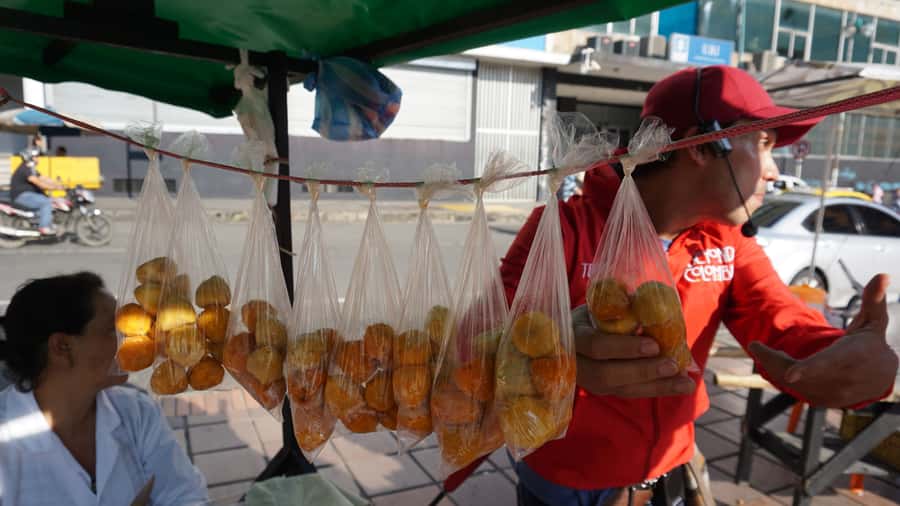
This tour gives you architecture with purpose. You’re not just snapping photos of pretty facades, you’re learning how the city expresses itself through major buildings and why those icons matter.
The stops you’ll visit or pass include the Ermita (often referred to as La Ermita), Teatro Municipal, St. Peter’s Cathedral, Jorge Isaacs Theater, and Puente Ortiz. The tour frames these places as markers of Cali’s scale and ambitions.
For your planning, here’s what that means. If you like theater, churches, and public monuments, you’ll enjoy the pacing because each building gets connected to broader themes: class, culture, and the evolution of community expression. If you prefer food and music over architecture, you may still enjoy these stops because they help you understand why arts and performance are not side hobbies in Cali. They are part of the city’s identity.
Another practical benefit: the tour is clear about tickets and entrances. You won’t be sent to places where you suddenly owe extra money for entry. That helps you keep control of your day.
El Valle, African roots, and what you’ll taste and hear in the city
The tour’s highlights focus on the importance of a rich regional geography, El Valle, and how African slaves nurtured culture through gastronomy, music, and dance. That is the core cultural lens, and it shows up again and again in the way your guide explains Cali.
You’ll also hear how culture evolves through daily language, including local slang, and through the songs of the Pacific. Even if you do not know the names of everything going in, this structure helps you build an understanding fast.
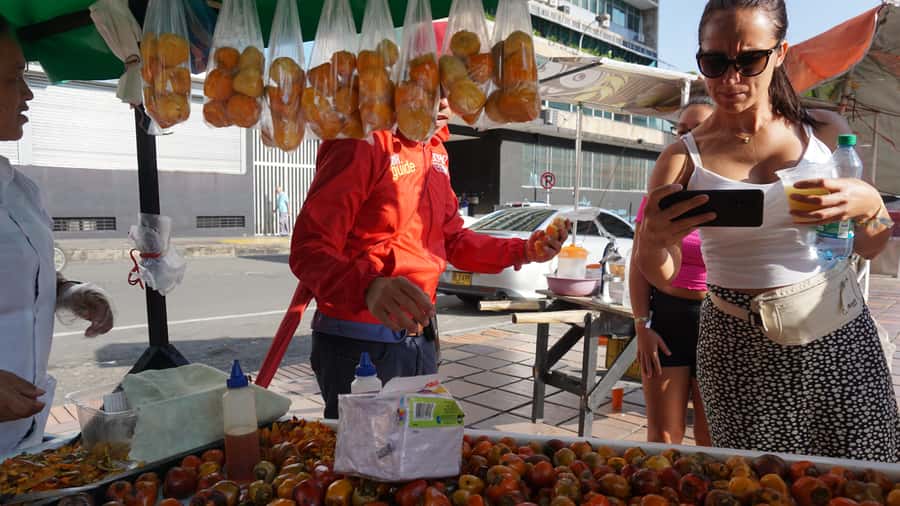
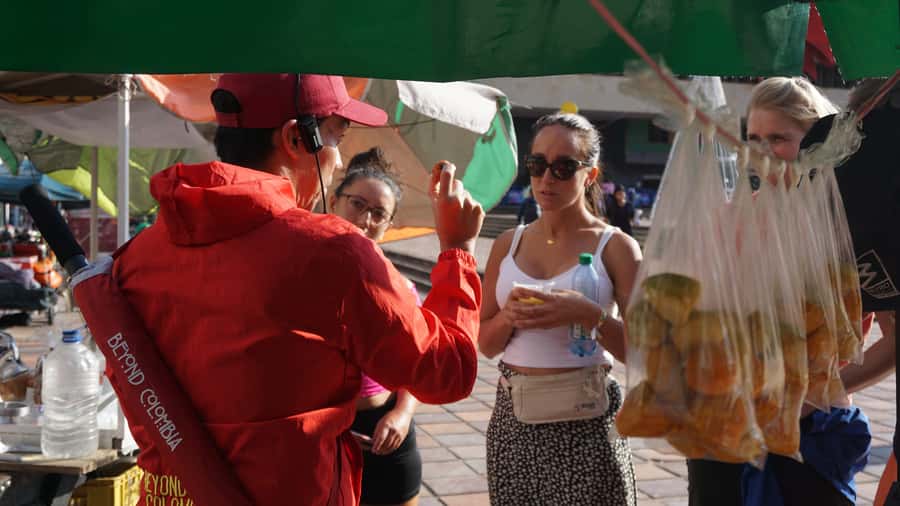
Food matters here, too. You may have a chontaduro tasting when available. Chontaduro is one of those flavors that tells you a place has its own ingredients and traditions, not just imported tastes. If tasting is offered on your day, treat it as a small bonus that makes the history stick.
If you’re wondering whether you’ll eat during the tour: meals and drinks are not included. The guide will give recommendations of local stores where you can have lunch and buy coffee or souvenirs, but you’ll decide your own food. I like that approach because it keeps your tastes in your control.
La Feria de Cali and the cartel era context behind the dance floor
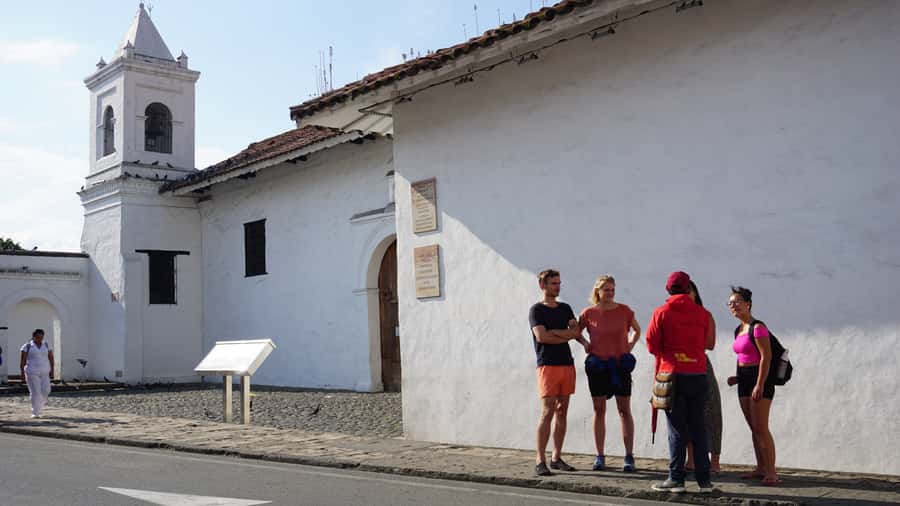
This is the part of the tour that keeps it from being a purely feel-good culture walk. You’ll talk about how the Salsa movement grew during cartel influence and how that pressure shaped daily life and public entertainment.
The tour specifically references La Feria de Cali as part of that salsa growth story. It also brings up the impact, incidence, and consequences of drug trafficking in daily life. That sounds heavy, and it is. But the way it’s used here is practical, explaining why certain cultural outlets become louder or more urgent.
For you, the payoff is perspective. Salsa is not explained as a random trend or just choreography. You understand it as a social force, a place where identity, resilience, and even protest energy can find an outlet.
If you prefer light historical stories only, this may be more intense than you want. Still, the tour’s aim is objective. Expect facts and context, plus a clear connection to how people lived, not just moralizing.
Social revolts after the pandemic, plus arts in literature, cinema, theater
The tour includes social revolts during and after the pandemic. That means the story doesn’t stop in older centuries or just in nightlife lore. It connects modern Cali to collective emotion and change.
It also covers culture evolution through arts, including literature, cinema, and theater. So instead of only talking about what people danced to, you also hear how ideas circulated through written work and screen culture, and how theater shaped public conversation.
I find this combo important if you want a well-rounded trip. Music tells you what people felt. Arts tell you what people argued about and imagined. And revolts tell you what people demanded when normal life got disrupted.
You’ll leave with a clearer sense that Cali’s culture is not stuck in one decade. It adapts. It resists. It keeps reinventing ways to speak.
Price and time: what $13 buys you in real value
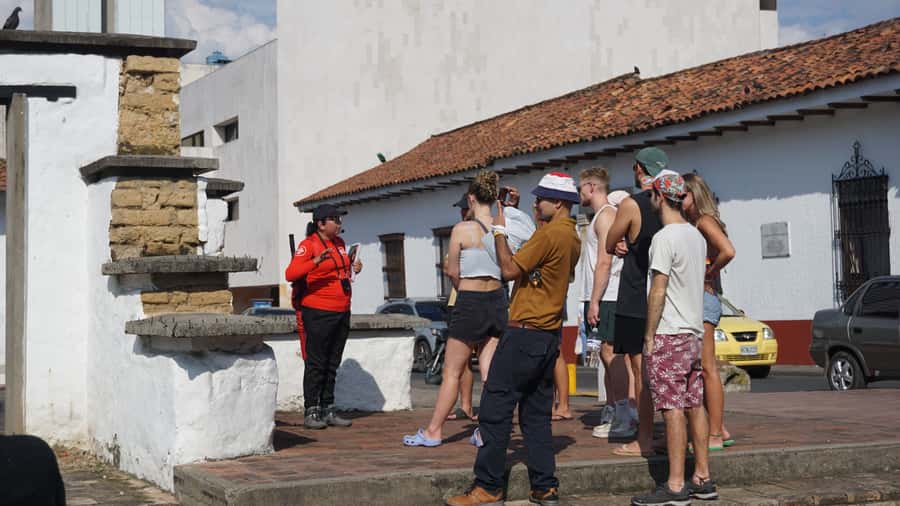
At $13 per person for about 150 minutes, this is strong value if you want a guided interpretation of the historic center. You are paying for context, route planning, and an English-speaking guide, not for museum tickets or meals.
What’s included helps you stretch that value:
- A Beyond Colombia professional guide with accurate, objective knowledge of Cali history
- Essential sightseeing in the historic center, including major landmarks like Ermita and La Merced
- Recommendations for local places to eat, buy coffee, and shop for souvenirs
- Chontaduro tasting when available
What’s not included keeps expectations clean: drinks, food, souvenirs, transportation to and from your hotel, and tickets or entrances. You’ll walk and rest as needed during the tour.
So who is this good for? It’s great for first-timers who want a foundation, especially if you like salsa but also want real history and culture context. It’s also a good pick if you want a group experience that feels local, not a tourist checklist.
Who should think twice? If walking 7 km in about 150 minutes is uncomfortable for you, or if you have mobility limits, skip it. The tour is not suitable for people over 70.
Guide energy you might meet: Lem, Cristian, Fernando, Juliana, and Adriana Alvarez
One reason this tour is so consistently rated high is the guide factor. The names that show up with strong praise include Lem, Cristian, Fernando, Juliana, and Adriana Alvarez. Guests mention professionalism, attentiveness, and an engaging style, with plenty of energy.
You should still know how the tour behaves day-to-day. This is a shared experience, so the guide adjusts pacing to the group. If you’re the type who enjoys asking questions mid-walk, you’ll likely get room for that. If you want silent wandering, this is less ideal because the tour is built around stops and explanations.
My booking advice: should you choose this Cali historic downtown tour?
Book this tour if you want Cali to make sense. You’ll get an organized route through the historic center, plus a cultural story that links geography, African roots, salsa, and recent social change. The mix of architecture and cultural themes is practical, and the price is hard to beat for a guided interpretation in English.
Skip it if you want a pure entertainment tour with no heavy context, or if long walks are a problem. Also, if you’re traveling with someone who hates history-talk, this will not be a quick one. The tour is designed for people who enjoy understanding why a place is the way it is.
If your top goal is to feel the meaning behind the salsa and the city’s public spaces, I’d say this is a smart, budget-friendly place to start your Cali trip.
FAQ
How long is the Shared Tour Cali’s Historical Downtown?
It lasts about 150 minutes.
Where do I meet the guide?
Meet in front of the Museo Arqueológico La Merced. Look for Beyond Colombia guides with red umbrellas.
What language is the tour offered in?
The live tour guide speaks English.
Is transportation included?
No. You will be walking during the tour, with rest stops.
How much will I walk?
The tour involves walking about 7 km.
What is included in the price?
A professional Beyond Colombia guide, sightseeing of essential places in Cali’s historic center, and a chontaduro tasting when available. You’ll also get recommendations for local places to eat and shop.
Are tickets or entrances included?
No. The tour notes that tickets or entrances are not included, and they won’t take you to places with sudden extra charges.
What food or drinks are included?
Drinks and food are not included, and the tour does not include souvenirs.
Is chontaduro tasting guaranteed?
No. It is included when available.
Is the tour suitable for everyone?
It is not suitable for people over 70. You should wear comfortable shoes and clothes, bring hydration, and avoid alcohol and drugs. Audio recording is not allowed.
Everything Else We Reviewed in Cali Colombia


Cali Colombia and Its Past
Cali Keeps Dancing
Just added to our Cali Colombia shelf
- From Cali: Whale Watching Day Trip in Buenaventura
★ 4.6 · 3 reviews - Private Tour on a 1100cc Cruiser Motorcycle
★ 5.0 · 4 reviews - Cali: Pico de Loro Trekking Adventure – Farallones de Cali
★ 5.0 · 4 reviews - Craft Beer Pub Crawl in Cali
★ 5.0 · 4 reviews - Flavors of Cali: Food tour at the local market
★ 5.0 · 5 reviews
Cali Salsa & Valle del Cauca Tours, compared.
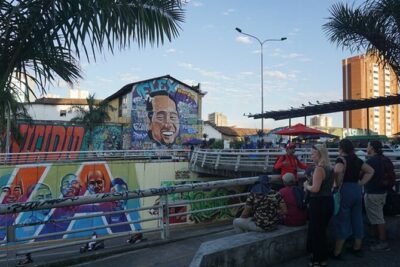 ★ 5.0Historical Shared Tour Salsa, Graffiti & Resistance in CaliFrom $14107 reviews
 ★ 5.0The Cali Street Food Walking TourFrom $3281 reviews
 ★ 5.0San Cipriano Rainforest – River, Waterfalls and Adventure DayFrom $25973 reviews
 ★ 4.8Cali: Street Food TourFrom $2971 reviews
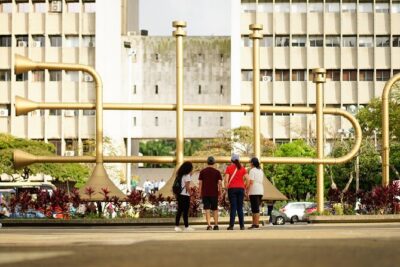 ★ 5.0Cali: Walking tour of the historic centerFrom $4169 reviews
 ★ 5.0Afro Walking Tour. The colors of Cali.From $4261 reviews
 ★ 4.9Cali: City TourFrom $8557 reviews
 ★ 4.9Cali: Cali River Waterfall and Great River Pools TourFrom $5055 reviews
Where else this tour turns up