
REVIEW · TOURS
Anti tour Medellin
Medellín remembers what it tried to erase. What I like most about Anti Tour Medellín is how it pairs real places with stories you won’t get on a standard highlight loop, and then makes you sit with what happened at the Casa de la Memoria. One thing to keep in mind: this is not a relaxed, scenic stroll, and parts of the route can feel tense if you are not used to walking in active city areas.
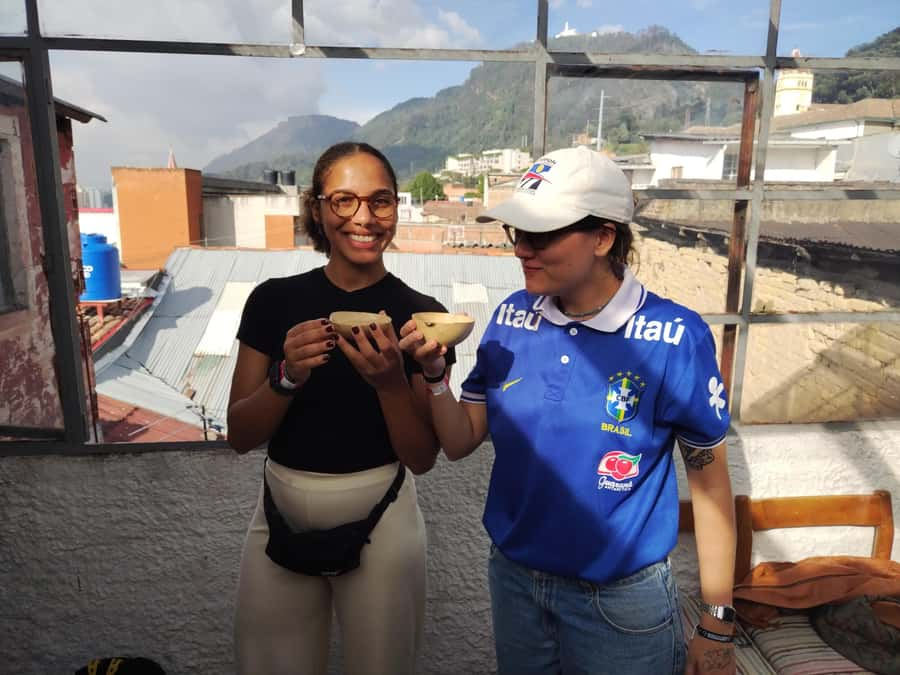
I also appreciate the added human texture, like meeting ex-combatants and victims through the guide’s narration, plus a traditional viche tasting that loosens the mood without turning it into a party. If you are expecting colonial postcards and photo stops only, you may feel a bit uncomfortable, because the whole tour is built around one tough question: what was lost along the way.
In This Review
- Key things to know before you go
- Medellín’s Anti Tour: what you’re really paying for
- Starting at Monumento a la Raza and reading the city’s power map
- La Alpujarra and the taste of viche: history with a pulse
- Parque de las Luces: where redevelopment meets missing history
- El Hueco and the everyday Medellín you cannot fake
- Palacio Nacional to La Veracruz: power changes clothes
- Plaza Botero and Rafael Uribe Uribe: art as rebranding
- Coltejer Building to Junín Street and La Playa: traces of wealth, then memory
- Casa de la Memoria Museum: where the tour lands
- Pace, group feel, and what to expect from the walking
- Price and value: what $33 buys you in real terms
- Who should book this Anti Tour Medellín
- Should you book Anti Tour Medellín?
Key things to know before you go
- Starts at Monumento a la Raza, then immediately frames Medellín as power and identity, not just scenery
- Casa de la Memoria Museum is the emotional anchor, with guided reflection on the armed conflict
- Viche tasting in La Alpujarra adds local flavor while keeping the tone grounded
- Modern buildings side-by-side with remnants shows how redevelopment can rewrite the city
- El Hueco and Junín Street areas connect the past to everyday commercial life
- Safety depends on staying with the group, and you will walk through parts of central Medellín that can feel risky
Not decided yet? These Medellin bookings earned solid marks in our reviews.
- Medellin: Comuna 13 Graffiti Tour, Cable Car & Street Food★ 4.8 · 9,046 reviews
- Medellín: The Real Pablo Escobar Tour★ 4.8 · 3,205 reviews
- Medellín: Comuna 13 True Story and Street Food Tour★ 4.9 · 1,779 reviews
- Medellín: Comuna 13 District Tour with Cable Car Ride★ 4.8 · 1,467 reviews
Medellín’s Anti Tour: what you’re really paying for
Anti Tour Medellín is a different kind of city tour. You are not “seeing Medellín,” in the postcard sense. You are tracing what the city chose to remove, mute, or rebuild over, and how that choice still affects how people live now. The guide walks you through locations that look normal at street level, but carry layered meaning under the surface.
I love that the experience stays practical. You are guided on foot through specific neighborhoods and landmarks, and you get a narrative that connects politics, culture, and daily life. You also get a traditional liquor moment, the viche tasting, which feels like a real local touch rather than an add-on.
The value here is partly emotional, partly educational, and partly architectural. You end up looking at the city as an argument: progress versus memory, new power versus old institutions, polished rebranding versus what got swept away. For some people, that is exactly what they want. For others, it can feel heavy.
Starting at Monumento a la Raza and reading the city’s power map
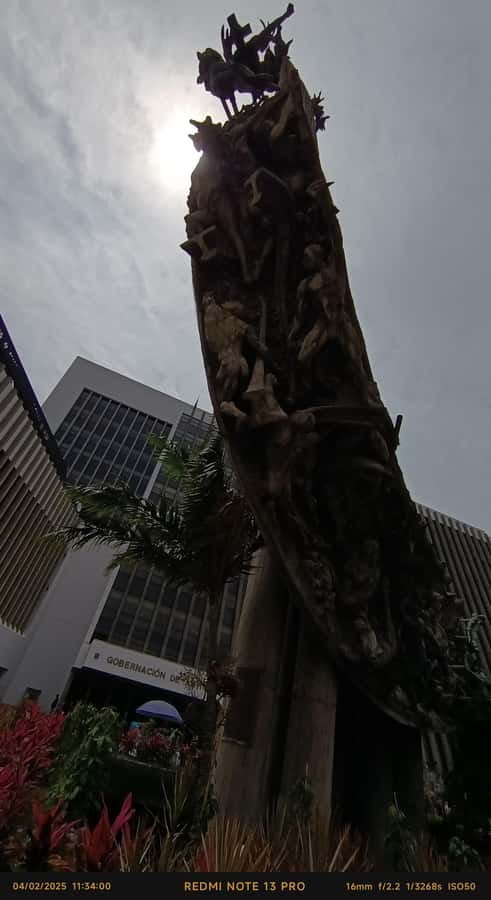
Your tour begins at Monumento a la Raza, the visible centerpiece for identity and authority in Medellín’s political and administrative core. This is a clever start, because it signals early that the tour is not only about buildings, it is about who had influence, who lost it, and how that shows up in public space.
From there, the guide shapes your first mental model: Medellín keeps transforming, and it has often treated its colonial past as something to manage, redesign, or erase in the name of progress. A short walk gets you toward the old train station area, where industrialization helped reshape the city and set the conditions for bigger changes later. Even if you think you know Medellín, these early links help you understand why the center looks the way it does today.
If you are the kind of traveler who likes to understand the city’s “why,” this opening works. It gives you context before you hit the more emotional stops later. The only caution is timing and walking comfort. You are on your feet for much of the tour, so comfortable shoes are not optional.
La Alpujarra and the taste of viche: history with a pulse
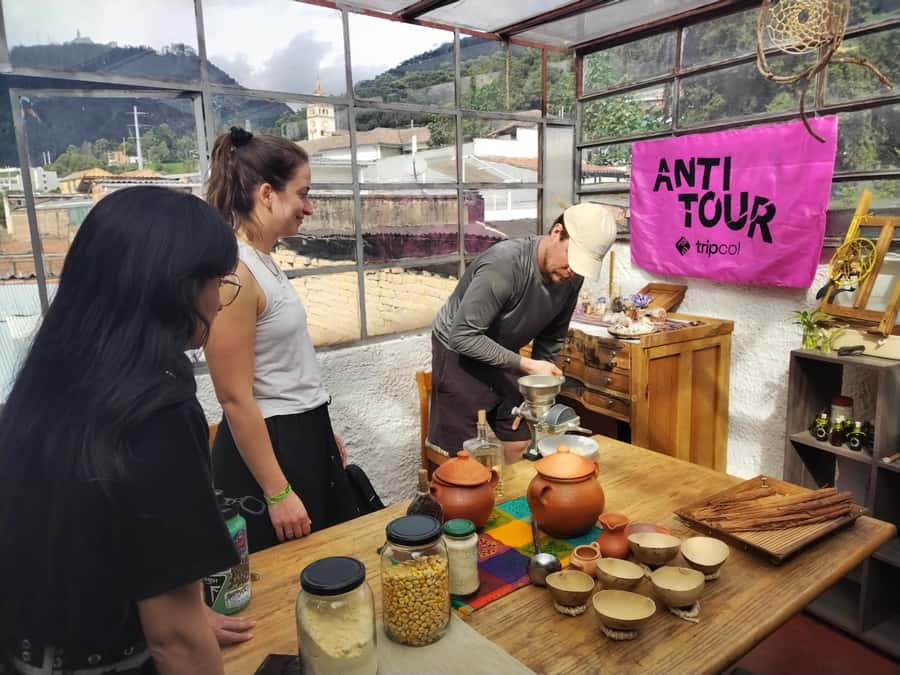
A key segment of the Anti Tour happens around La Alpujarra, a hub of administration. This is where the tour shifts from abstract explanation into embodied experience, including the spirits and workshop portion. You get a traditional viche tasting, and the point is not just flavor. It’s a way to connect with local life while your guide keeps tying the story back to Medellín’s transformation.
La Alpujarra also matters because it represents official power and the city’s direction. When your guide talks about the old center being demolished, silenced, or forgotten, you are watching it play out in the types of spaces surrounding you: governmental streets, institutions, and the architecture of decisions.
You’ll also move past ideas you might not notice on your own. For example, the guide points out how industrial and economic shifts changed what got built and what got removed. That makes the tasting moment more than a cultural checkbox. It becomes part of the tour’s tone: present-day Medellín still lives with the consequences of earlier conflict and redevelopment.
Because the tour includes sun and walking, plan for the weather. Bring sunscreen, ideally a hat, and carry water or a snack. It is easy to feel fine at first and then get wiped out halfway through.
Parque de las Luces: where redevelopment meets missing history
Next up is Parque de las Luces, once described as a vibrant market square, now marked by a “forest of light poles.” The tour uses this contrast to make a point. The space might look modern and clean, but it also signals how Medellín can replace lived memory with new forms.
Around this area, you pass buildings that show tension between remembrance and redevelopment, including the Carré and Vásquez buildings and the EPM Library. The guide’s job here is to help you connect details you would otherwise miss, like how the city’s modern structures sit beside traces of what used to be there.
I like this stop because it encourages you to look slowly. You start to notice that the city does not just physically change. It changes what people talk about, what gets archived, and what gets ignored.
One practical note from experience with similar urban history tours: photo stops are possible, but don’t spend all your time on photos. The value is in listening. If your mind wanders, you lose the thread of why these places matter.
El Hueco and the everyday Medellín you cannot fake
Then the tour swings into El Hueco, a chaotic commercial district. This is one of the more “real life” parts of the Anti Tour, with music, crowds, and informal trade shaping the street atmosphere. It is not polished. It is not meant to be.
The reason this stop works is that it shows Medellín as it is now, not just as it was in archives. The tour highlights how fragments of older buildings can coexist with anonymous modern construction. In other words, the city is not fully erased, but it is often reorganized without much reflection.
You also get some scenic travel between points, which helps break the walking rhythm. But you should still pay attention to where you step and how the group moves. This is central Medellín activity, and it can feel unpredictable.
One review-style caution to take seriously: some areas on the route can feel a bit dangerous if you drift away from the group. The smart approach is simple. Stay close to your guide, keep your belongings secure, and treat this as a guided route, not free exploration time.
Palacio Nacional to La Veracruz: power changes clothes
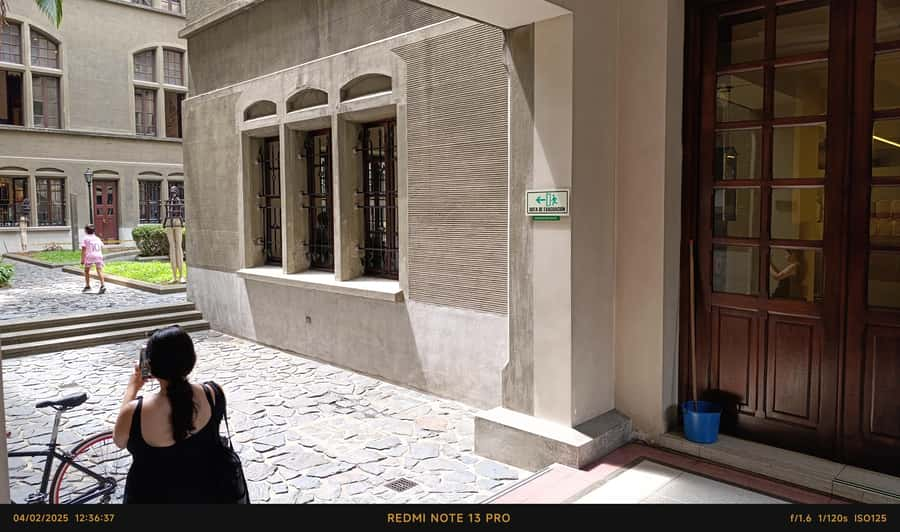
At Palacio Nacional, you confront transformation of power and space. The building once served as a judicial palace, and later it became part of the commercial world as a shopping center. The point is uncomfortable but useful: institutions that governed people can be replaced by institutions that sell to them, and the story shifts without always acknowledging what came before.
Just steps away, Iglesia de la Veracruz (La Veracruz) appears as one of the last colonial survivors. The contrast between palace and church hits hard. A place of faith lingers as a quiet counterpoint to constant modernization, while the palace shows how redevelopment can flip the purpose of major spaces.
I like how this stop teaches you to read function. You stop looking only at architecture and start asking: who controlled this space, what did it do, and what do people use it for now?
If you are sensitive to themes of violence and loss, this is the moment you might feel it most. The tone shifts toward the human cost of change, and it sets you up for the emotional reflection at the end.
Plaza Botero and Rafael Uribe Uribe: art as rebranding
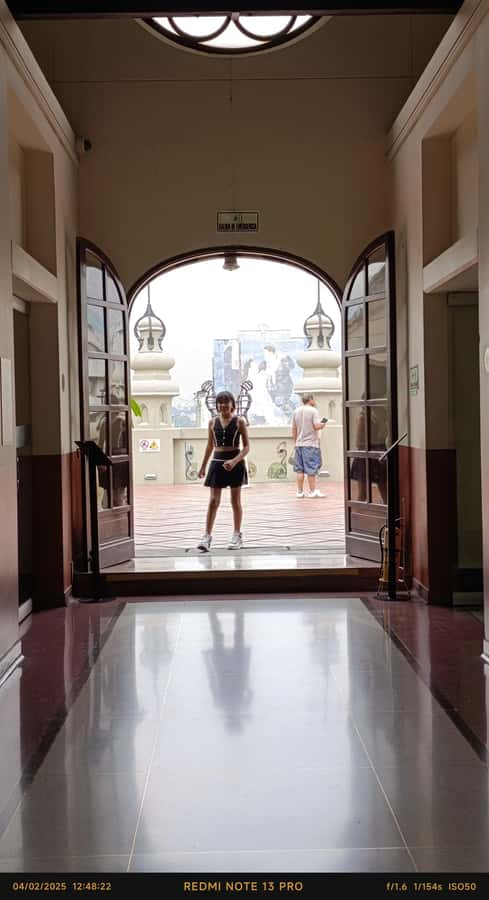
Next comes Plaza Botero, where art becomes political. You get the surrounding presence of Botero’s sculptures and the imposing Palacio de la Cultura Rafael Uribe Uribe. This part of the tour is about how culture can be used to rebrand a city’s identity.
It is easy to treat statues as decoration. The Anti Tour nudges you to see them as messaging. Art in public space can signal pride, healing, or progress, but it can also soften painful realities by redirecting attention to what looks good on the surface.
The guide connects this with the broader theme: Medellín built a future while controlling the visibility of the past. When cultural landmarks become central, they can help people focus on what the city wants to be known for today.
This stop also gives you a breather. You can sit for a moment, look around, and let the narrative click into place. If you like urban storytelling, Plaza Botero is one of the stops that rewards your attention.
Coltejer Building to Junín Street and La Playa: traces of wealth, then memory
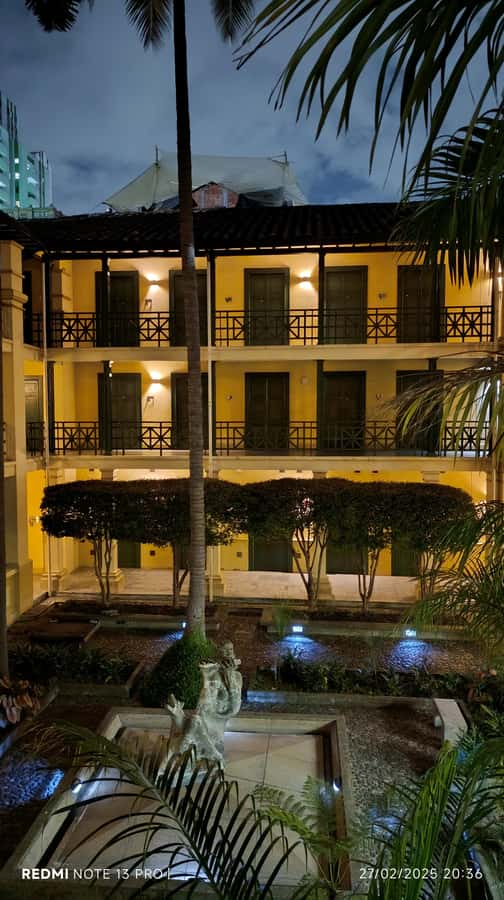
As the tour continues, you move from industrial ambition to street-level elegance, and then toward remnants of aristocratic life.
From the Coltejer Building, a symbol of industrial ambition, you get a story about economic progress and how it displaced collective memory slowly. It is not always a sudden break. Sometimes it is gradual reorganization, new investment pushing out older social rhythms.
Then you walk through Junín Street, once described as the heart of elegant urban life. This part of the tour connects economics and culture: when new commerce arrives, older social patterns often fade. The guide helps you see why “progress” can come with emotional costs, even when buildings get prettier.
Finally, the tour heads to La Playa Avenue, a remaining trace of Medellín’s aristocratic past. You see theaters and old mansions, and the atmosphere becomes a bridge toward the final reflection space. The route feels like it is tightening from wide themes into one specific question you have been circling the whole time: what did the city trade away to move forward?
Casa de la Memoria Museum: where the tour lands
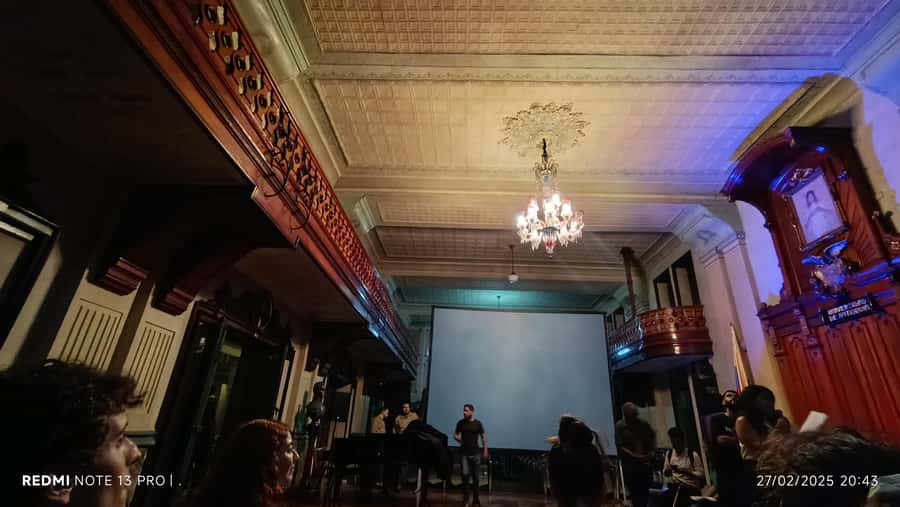
The emotional anchor is the Casa de la Memoria Museum, visited with a ticket included. This is where the tour asks you to do the harder part: reflect on the armed conflict, and understand its ongoing presence in people’s lives.
The tour also connects you to the human side through stories involving ex-combatants and victims. That matters because the conflict is not only a historical timeline. It is a lived reality that shaped neighborhoods, institutions, and family histories. The museum visit is not about sensationalizing pain. It is about recognition, and about learning how memory work happens when official narratives try to move on.
If you want a “meaningful takeaway,” this is it. Without this stop, the tour would risk becoming clever architecture talk. With it, you get context for why the demolished and silenced spaces matter.
The tour finishes near Parroquia de San Ignacio de Loyola. At this point, your head may spin with details. Give yourself a few minutes to breathe before you jump back into your day, especially if the theme hits close to home.
Pace, group feel, and what to expect from the walking
This tour is 3 hours and it is done with a live guide in English. It is not a traditional walking tour where you just follow a route and take photos. The pace works best if you can listen for long stretches and then absorb what you see.
Expect some short on-foot segments and some travel between key points. The route is planned so you keep moving, but it also offers moments to process. You’ll likely spend time around plazas and buildings rather than only on long straight sidewalks.
Size is not described here, so I can’t promise a certain group size. But you should assume it is structured. The route includes areas that may feel risky if you wander, so you will want to stay aware of surroundings and keep close to the guide.
For comfort, plan for sun and changing conditions. You will do better if you show up ready with walking shoes, water, and sunscreen. A camera is recommended, but the bigger win is understanding, not just snapping pictures.
Price and value: what $33 buys you in real terms
At about $33 per person for a 3-hour experience, this tour is fairly priced considering you get multiple elements together.
You’re paying for:
- A guided route through central Medellín with stops like La Alpujarra, Parque de las Luces, El Hueco, Plaza Botero, and more
- A viche tasting experience included in the program
- A ticket to the Casa de la Memoria Museum
- English live guidance that ties the physical city to the conflict and memory theme
What makes it good value is the “bundle” effect. Many city tours charge for guidance and then add costs for museum tickets or tastings. Here, you get the core narrative plus the museum reflection and a food or drink element.
The one thing not included is transportation to and from the activity, so you will need to handle your own logistics to get to the meeting point and back after. If you are already staying near the center, that part may be easy. If not, factor in travel time.
Who should book this Anti Tour Medellín
This is a strong match if you want to understand Medellín as a city of choices, not just a city of landmarks. You’ll like it if you enjoy tours that connect architecture to politics and everyday life, and if you can handle emotional subject matter without needing it softened.
It also fits well if you like smaller, focused experiences over big bus tours. The storytelling style is designed for listening, and the stops are selected for meaning, not convenience.
You might want to reconsider if:
- You want a light, purely scenic tour
- You prefer an easy wheelchair-friendly route (this one is not suitable for wheelchair users)
- You dislike being in areas that can feel tense in parts of central Medellín
If you do book, go with the right attitude. Bring patience for walking, bring respect for the topic, and let the guide’s narrative shape how you look at each building.
Should you book Anti Tour Medellín?
I think you should book it if you want the Medellín that many surface-level tours skip. The highlight is the way the tour links everyday spaces to the armed conflict and the city’s choices about memory. The Casa de la Memoria stop gives the whole experience weight, and the viche tasting adds a human, local texture that keeps it from becoming just a lecture.
If you book, prepare for two things: comfort for walking and an emotional tone that may stay serious. Also, stay close to your guide in busier or less comfortable spots. That one habit helps you get the full benefit without unnecessary stress.
If your goal is a thoughtful, structured 3-hour window into Medellín’s real story, this tour is a smart use of your time and money.
The Rest of Our Medellin Reviews


Everything Else We Reviewed in Medellin
Just added to our Medellin shelf
- Tour to Río Claro and La Caverna del Cóndor
★ 5.0 · 3 reviews - Tour Medellín: Pablo Escobar and Commune 13
★ 5.0 · 3 reviews - Shared Tour Medellin’s Violence & Post-conflict after Pablo
★ 4.1 · 3 reviews - Medellin: Coffee Farm Tour & Spa with Overnight Glamping
★ 4.5 · 3 reviews - Medellin: Traditional Food Tour
★ 4.9 · 3 reviews
Tours, compared.
 ★ 4.8Medellin: Comuna 13 Graffiti Tour, Cable Car & Street FoodFrom $189,046 reviews
 ★ 4.8Medellín: The Real Pablo Escobar TourFrom $423,205 reviews
 ★ 4.9Cartagena: Historic Center and Getsemaní Shared Walking TourFrom $122,716 reviews
 ★ 4.9Bogota: Bicycle City TourFrom $192,156 reviews
 ★ 4.9Medellín: Comuna 13 True Story and Street Food TourFrom $141,779 reviews
 ★ 4.8Zipaquirá: Salt Cathedral Group Tour with PickupFrom $461,606 reviews
 ★ 4.8Medellín: Comuna 13 District Tour with Cable Car RideFrom $271,467 reviews
 ★ 4.7Medellin: Coffee Tour with Transport, Snacks and TastingsFrom $801,357 reviews