
REVIEW · COLOMBIAN COFFEE FARM TOURS
Cartagena Coffee Masters
Coffee in Getsemaní teaches fast. At Café del Mural, an engineer-turned roaster named David guides you through Colombian coffee, from roasting choices to brewing methods, and you get snacks plus 4 to 5 tasting samples. I like how small and focused it feels, and I really value leaving with 200 grams of premium coffee. One possible drawback: this is mostly an instructor-led class, so you should not expect to roast, grind, or choose your beans yourself.
The session starts at 10:00 am at Café del Mural in Getsemaní, and it runs about 2 hours. If you want a practical coffee lesson you can actually use back home, this is the kind of stop that makes your Cartagena day more interesting.
In This Review
- Key highlights for your Cartagena Coffee Master class
- Café del Mural in Getsemaní: the setting that makes coffee lessons work
- Price and booking timing for a small private coffee master
- Stop 1, Café del Mural: how the 2-hour session flows
- What you taste: 4 to 5 coffee samples plus snacks
- Brewing methods and roast choices, explained in a way you can use
- Coffee history in plain language, including tech influences
- The take-home 200 grams: how to get the most value
- Practical logistics: meeting point, start time, and getting there
- Who this coffee master class is best for
- Watch-outs: hands-on expectations and language volume
- Should you book Cartagena Coffee Masters?
Key highlights for your Cartagena Coffee Master class
- Café del Mural in Getsemaní sets the tone with a local, personal coffee space
- David leads the session, mixing coffee craft with humor and clear explanations
- 4 to 5 coffee or tea samples so you can compare flavors, not just watch them
- 200 grams of premium coffee to take home, ready for your next brew
- Roast level and brewing comparisons help you learn what changes the taste
- A tight-feel, small-group approach helps the class stay conversational
Other farms where the cup starts on the branch
- Cartagena: Colombian Specialty Coffee Tasting★ 4.4 · 130 reviews
- Salsa Tour in Cartagena with admission Ticket to Café Havana★ 4.5 · 76 reviews
- Cartagena Coffee Masters★ 4.5 · 40 reviews
- Cartagena Highlights: San Felipe, Popa & Coffee Experience★ 4.5 · 39 reviews
Café del Mural in Getsemaní: the setting that makes coffee lessons work
Getsemaní is already a great zone to wander, and Café del Mural gives you a natural reason to slow down. The room is built around the coffee experience, not a generic tasting counter. That matters because you want a place that makes the details feel real.
You also get the benefit of atmosphere without needing a long commute. The meeting address is Cl. de San Juan #25-60, right in Getsemaní, and the start time is set for a morning coffee rhythm. If your Cartagena plan includes walking the streets and ducking into small places, this fits nicely.
What I like most is that this experience is not trying to be a loud performance. The best parts of coffee education are simple: attention, repetition, and a lot of tasting. This setup supports all three.
Price and booking timing for a small private coffee master
It costs $85 per person for about 2 hours, and booking often happens around 21 days in advance. That pricing might sound steep until you look at what you receive: multiple samples, snacks, and a 200-gram premium bag to take home.
This is also sold as a private tour/activity, meaning only your group participates. That “just your group” angle is part of the value. A coffee class goes faster when you can ask questions freely and stay focused on the cups in front of you.
One more value signal: the overall rating is 4.7 with 93% of people recommending it. That doesn’t mean every single moment is perfect, but it does suggest the experience usually lands for coffee lovers.
If you’re booking last minute, you might find fewer time slots. If coffee is a priority, I’d plan ahead and lock it in.
Stop 1, Café del Mural: how the 2-hour session flows
Your experience is built around a single stop: Café del Mural, where the session runs start to finish. There’s no hopping across town, which keeps the day from getting chopped up. You walk in, settle down, and spend the time on coffee learning and tasting.
You can expect an organized progression: the host talks through Colombian coffee basics, then moves into roasting techniques and brewing methods. The goal is not just trivia. It’s about helping you connect what you smell and taste to what happens during roasting and brewing.
In practice, the class tends to be instructor-led. The owner, David, demonstrates and guides the process while you taste multiple coffee varieties and compare them. That’s still interactive, but it is not a “everyone does every step” workshop.
Also note that the location is in a small, character-filled café space. On busy days, seating can feel tight. If you’re traveling with a larger group, expect a cramped-but-focused setup rather than a spacious classroom.
What you taste: 4 to 5 coffee samples plus snacks
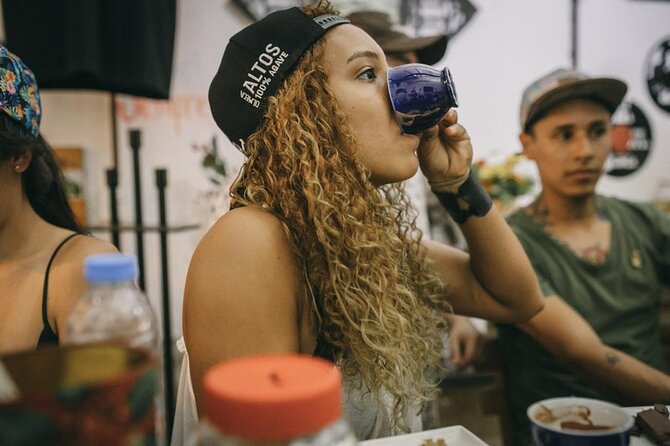
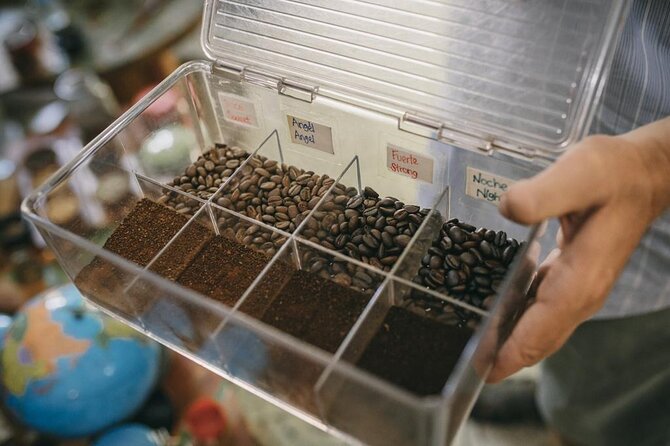
This is one of the more important parts of the value. You’re not only listening, you’re tasting. The experience includes coffee and/or tea along with 4 to 5 coffee samples, plus snacks.
That tasting count matters because it gives you a real comparison set. You can move from lighter profiles to deeper roasts and still track the differences without guessing. Even if you’re new to coffee, that structure makes it easier to learn what you like.
You’ll also get access to the café’s finest selections, which is the kind of phrase that usually means “better coffee than the average cup.” In this case, the point is that you taste multiple options brewed in different ways. That helps you learn how brewing can change body, aroma, and perceived acidity.
If you come hungry, the included snacks take the edge off. And if you do not drink coffee, tea is included as well, so you’re not stuck waiting through only one beverage track.
More coffee, poured and tasted around Cartagena
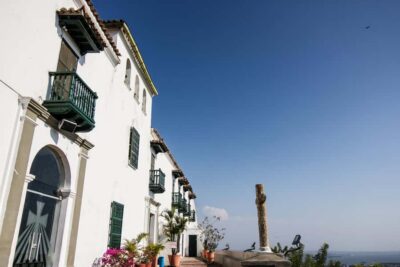
Brewing methods and roast choices, explained in a way you can use
The core promise is a practical understanding of what shapes flavor. In a typical lesson like this, roasting and brewing do most of the heavy lifting, and David’s approach ties those together.
From what people say about the class style, David talks through roasting decisions, then shows how brewing techniques translate those roasted beans into cups. You learn how different preparation methods affect taste, not just that “coffee is complicated.”
This is where the engineer-turned-roaster angle becomes useful. People mention that David brings structure to the lesson and explains the process clearly. Even if you do not care about the technical side, the clarity helps you make sense of what you taste.
One fun detail that comes up: David’s presentation includes 80s and 90s references. That may sound silly until you realize it keeps the room relaxed and helps you remember the points. Coffee education is easier when you’re not in a stiff lecture.
The biggest takeaway for you: you should leave knowing how to think about brewing choices at home. Not just what coffee tastes like, but what to adjust when you want a different result.
Coffee history in plain language, including tech influences
A good coffee class does not stop at the cup. It gives you context, so the flavors feel like part of a bigger story.
In this session, you cover Colombian coffee culture and the global influences that shaped how coffee is prepared. One of the standout historical ideas people mention is how Colombian coffee processing and preparation were influenced by German, Italian, and Dutch technology.
That kind of detail is surprisingly useful. It explains why coffee methods can feel consistent across regions even when the beans are local. You start seeing coffee as both agriculture and engineering, not just a drink.
You also hear about coffee from a broader perspective: roasting, exporting, harvesting, and how coffee becomes a product. That matters if you are the type who likes your travel experiences to connect culture to daily life.
If you want a class that feels like conversation rather than a museum talk, this fits that mood. You walk out understanding where the craft comes from and why specific techniques matter.
The take-home 200 grams: how to get the most value
The price includes a premium coffee bag weighing 200 grams. That’s not a small bonus. For $85, it’s a concrete part of the deal, not a token souvenir.
When you buy coffee at home after a trip, you often regret it if you do not have a plan. This bag helps because you tasted multiple samples during the session. You have a reference point for what you liked and why.
Here’s how I’d use it: bring the bag home and brew it using one method you already know. If the class introduced you to different brewing approaches, try recreating your favorite cup first. Then adjust one variable at a time, like grind size or brew time, so you connect changes to results.
People also mention leaving with coffee portions shared within groups. That aligns with the general idea of taking home the bag after the class. For your planning, just assume the experience includes the 200 grams bag as listed.
If you care about value, this is one of the best features. You’re paying for a short lesson and then extending it at home with an ingredient you understand.
Practical logistics: meeting point, start time, and getting there
You meet at Café del Mural at Cl. de San Juan #25-60 in Getsemaní. The start time is 10:00 am, and the activity ends back at the meeting point. Since transportation from and to your hotel is not included, build the trip to Getsemaní into your morning plan.
This matters because coffee tours can run on a tight clock. If you arrive late, you can lose the early explanation part, and that is where the tasting comparisons start making sense.
A small heads-up: the location can be tricky to find on first visit, especially if you’re walking without getting your bearings. Give yourself extra time to locate the café doors and settle in. You do not want to start the lesson rushing.
Also, this is scheduled as a private tour/activity for your group. That said, the café itself is not huge, so the room can feel tight when multiple people are present. If you’re sensitive to cramped spaces, arrive early so you can get a comfortable spot.
Who this coffee master class is best for
This experience is ideal if you love coffee and want more than a basic tasting. You’ll get a structured session that connects roasting and brewing to what you taste. If you like learning, but you also want something that feels grounded and practical, this fits.
It’s also a solid pick for couples and small friend groups. The intimate feel is part of the charm, and the class is designed to stay personal. People mention that it can feel fun and special, not like a production line.
If you’re traveling with someone who likes coffee but not complicated lectures, it still works. Snacks are included, tea is an option, and the session is built around comparing cups.
The one group I would think twice about: people expecting a fully hands-on lab where everyone grinds beans or does full roasting steps themselves. This tends to be led by the owner, with you tasting and learning through demonstrations.
Watch-outs: hands-on expectations and language volume
The most common complaint pattern is about expectation mismatch. Some people felt the class did not deliver the hands-on parts they expected. So read this as an education and tasting session first, with demonstrations led by David, rather than a self-directed workshop.
Another practical concern that comes up is understanding the English. Some guests mention it can be hard to follow at times due to accent and volume. If you’re relying on spoken English only, pick a spot where you can hear clearly and plan to ask questions if something is unclear.
Also, scheduling can affect room comfort. On busy periods, even a small experience can feel crowded in a compact café space. If you hate tight seating, go on a day when you expect fewer tour groups, or book with a small party.
Finally, coffee quality and flavor are subjective. Most people praise the coffee, but any tasting set can be a mix of preferences. Bring an open mind, and treat it like a comparison exercise, not a guarantee of every cup being your favorite.
Should you book Cartagena Coffee Masters?
Book it if you want a focused coffee education in Getsemaní, with multiple samples, snacks, and a real take-home bag of premium coffee. The best version of this experience is for coffee lovers who like comparisons, and who want to learn how roasting and brewing affect flavor.
Skip it if you mainly want a DIY roast-and-grind workshop where you control every step, or if you’re extremely sensitive to cramped seating and lower-volume audio. If those are your priorities, you might feel frustrated.
If you’re the kind of traveler who enjoys craft, small spaces, and leaving with something you can use back home, this class is an easy yes.
The Rest of Our Cartagena Reviews
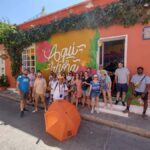



Coffee, Poured Around Cartagena


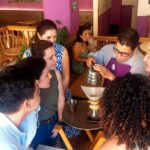
From Branch to Cup
Just added to our Cartagena shelf
- White Night Boat Party: Dinner Buffet, Dancing and Open Bar
★ 4.6 · 3 reviews - The best sunset tour in the bay: Open bar party & fun
★ 5.0 · 3 reviews - Tayrona Park adventure in Santa Marta: Cabo San Juan from Cartagena
★ 3.8 · 3 reviews - Cartagena: Rosario Islands Private Boat Tour
★ 4.8 · 3 reviews - Mud Volcano Tour in Cartagena with Lunch
★ 3.4 · 3 reviews
Colombian Coffee Farm Tours, compared.
 ★ 4.7Medellin: Coffee Tour with Transport, Snacks and TastingsFrom $801,357 reviews
 ★ 4.9Medellín Coffee Farm Tour with Trolley and Cable Car RideFrom $56277 reviews
 ★ 5.0Coffee Tour at the Finca del CaféFrom $40213 reviews
 ★ 4.8Medellin: Coffee Tour and Wellness SpaFrom $88209 reviews
 ★ 4.9Salento: Private Cocora Valley, Salento & Coffee Farm TourFrom $157202 reviews
 ★ 4.9Medellin: Coffee Tour with Hotel Transfers and MealsFrom $70186 reviews
 ★ 4.8Medellin: Horseback Riding Coffee Farm Tour with Coffee SpaFrom $150151 reviews
 ★ 4.5From Bogotá: Coffee Farm and Tequendama Falls TourFrom $85130 reviews
Where else this tour turns up