
REVIEW · COLOMBIAN COFFEE FARM TOURS
Cartagena: History, Culture & Coffee Experience
Cartagena rewards slow attention, not rushed sightseeing. This half-day tour strings together the city’s biggest landmarks with the kind of local context that makes the stones feel alive. You start at San Felipe Castle, then climb up to La Popa Convent for the famous panoramic views, and end by walking through the Historic Center and Getsemaní with a guide who explains what you’re seeing.
I especially like the way this tour mixes heavy history with real city life. You get fortress history, colonial plazas, and church stops tied to human rights, then you finish in a neighborhood where street art, music, and everyday locals are part of the scenery.
My only caution is logistics: the vehicle is only available for part of the day, and the tour ends on foot in the Historic Center, with no included ride back to your hotel.
In This Review
- Key things I’d plan around
- San Felipe Castle: Cartagena’s best intro to Spanish military thinking
- La Popa Convent: the high point where the city opens up
- Historic Center walk: plazas, a clock tower, and the stories behind the walls
- Plaza-to-park pacing: where Centenario Park breaks the heat
- Getsemaní on foot: street art, music, and the local Cartagena vibe
- Colombian coffee tasting: what to notice beyond the taste
- Price and logistics: is $152 worth it for a 4-hour Cartagena intro?
- What to bring, what to wear, and the small rules that matter
- Who this tour fits best
- Should you book this Cartagena history, culture, and coffee tour?
- FAQ
- How long is the Cartagena history, culture, and coffee tour?
- What is included in the price?
- Where does the tour start and where does it end?
- Is there a vehicle during the tour?
- What language will the guide speak?
- What should I bring for the tour?
- Are there any restrictions on what I can bring?
Key things I’d plan around
- San Felipe Castle tunnels and strategic watch points instead of just a quick photo stop
- La Popa Convent for high views over the bay and Caribbean Sea
- Historic Center stops that connect plazas to real colonial stories, including Plaza de la Aduana
- A short nature break at Centenario Park, where sloths, monkeys, and iguanas may be spotted
- Getsemaní on foot, with street art, murals, music, and welcoming locals
- A small Colombian coffee tasting that explains what makes the flavor famous
Other farms where the cup starts on the branch
- Cartagena: Colombian Specialty Coffee Tasting★ 4.4 · 130 reviews
- Salsa Tour in Cartagena with admission Ticket to Café Havana★ 4.5 · 76 reviews
- Cartagena Coffee Masters★ 4.5 · 40 reviews
- Cartagena Highlights: San Felipe, Popa & Coffee Experience★ 4.5 · 39 reviews
San Felipe Castle: Cartagena’s best intro to Spanish military thinking
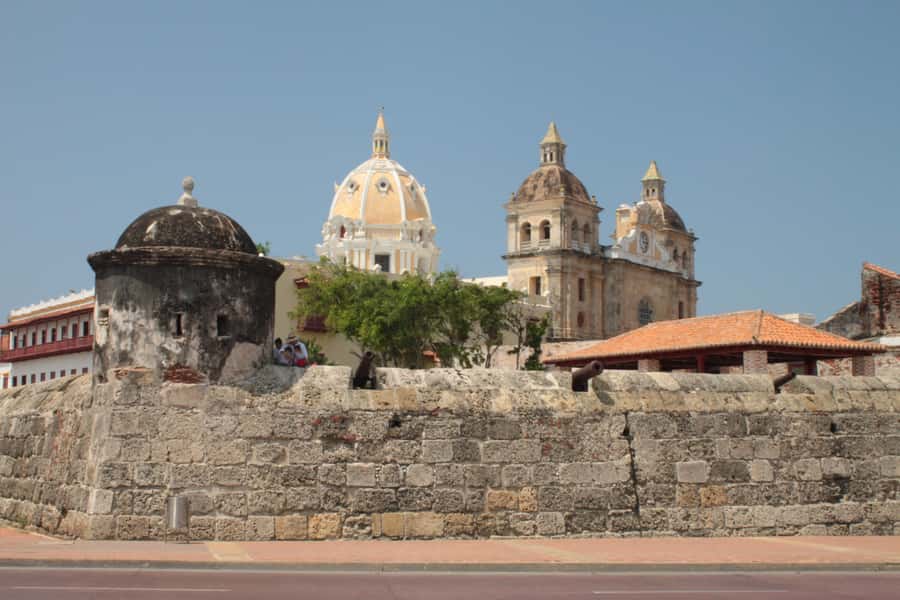
San Felipe Castle is the kind of place that makes you stand still. It’s the largest Spanish fortification in the Americas, built to protect Cartagena from pirate attacks. Even if you know the broad story of Spanish empire and Caribbean raids, the castle helps you understand the practical side: why these walls, why these angles, and why the fort had to be more than a single tower.
The tour experience is built around walking through key parts of the complex, with time to explore underground tunnels and strategic watchpoints. That matters, because castles can feel like museum props if you don’t get the context. Here, the guide helps you connect the layout to real threats, so the space feels designed for defense, not decoration.
A practical note: it’s a fort. Expect uneven areas, stairs, and sun. Bring your sunscreen and comfy shoes, because Cartagena sun does not negotiate.
La Popa Convent: the high point where the city opens up
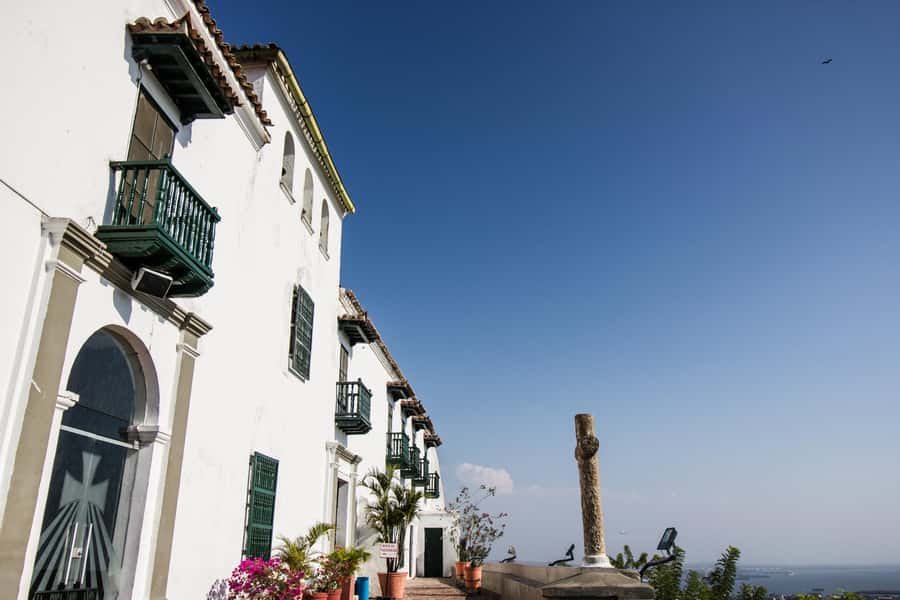
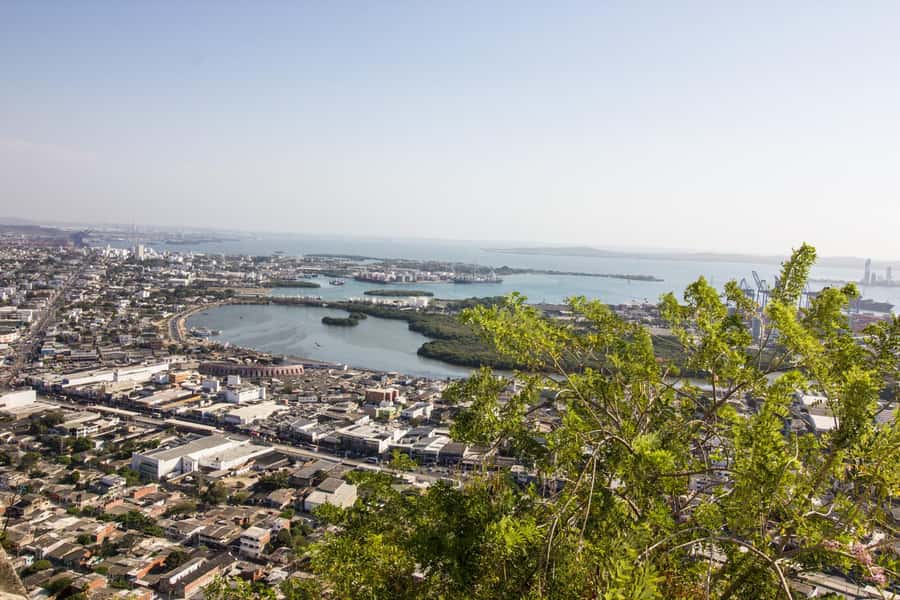
After the fort, the tour shifts into that classic Cartagena “lookout” mode. La Popa Convent sits at the highest point in the city, and reaching it pays off fast. From the 17th-century monastery, you get panoramic views of Cartagena, the bay, and the Caribbean Sea.
This stop is valuable for more than the scenery. A high view helps you understand how Cartagena is arranged, where the water fits into daily life, and how the city’s historic core sits in relation to the coast. It also gives you a break from heavy walking, because the viewpoints naturally create pacing. You’ll still need a bit of patience and careful steps, but it’s a calmer moment than castle tunnels.
If you’re the type who likes good photos, this is where you’ll want to slow down. The guide’s pacing helps you avoid the common problem of trying to rush the best vista.
Historic Center walk: plazas, a clock tower, and the stories behind the walls
Once you move into Cartagena’s Historic Center, the tour becomes about reading the city. You begin around Plaza de la Aduana, which was once the main trading hub for enslaved Africans during the colonial era. That’s not a casual fact. It changes how you look at the streets, because the city’s beauty also carries heavy history.
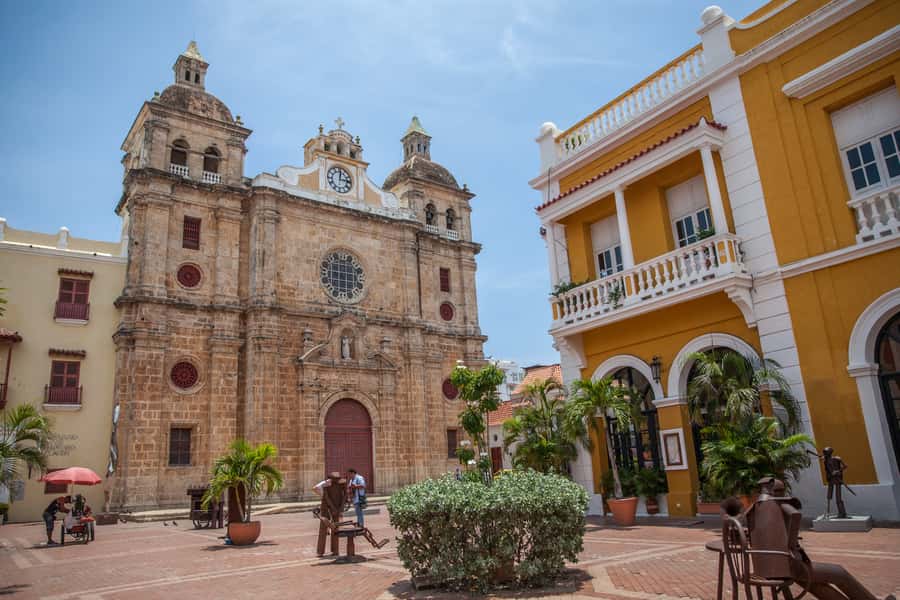
Next you’ll pass the Clock Tower, one of the city’s emblematic entrances. It’s one of those landmarks that feels obvious once you see it, but the guide makes it clearer why it’s considered an emblem. Then comes San Pedro Claver Church, dedicated to the patron saint of human rights. This stop gives you another perspective on Cartagena, one tied to moral action rather than just politics and defense.
As you keep walking, you also get time at Plaza de Bolívar, surrounded by some of the city’s most beautiful colonial buildings. The key is that you’re not just “stopping at squares.” You’re learning how colonial-era institutions, trade, religion, and public space all shaped daily life.
This is where the best part of a guided tour shows up. Cartagena’s old buildings can look similar if you’re just scanning facades. With a guide, you start picking up differences and meaning, and you uncover hidden stories behind historic structures you might otherwise overlook.
Plaza-to-park pacing: where Centenario Park breaks the heat
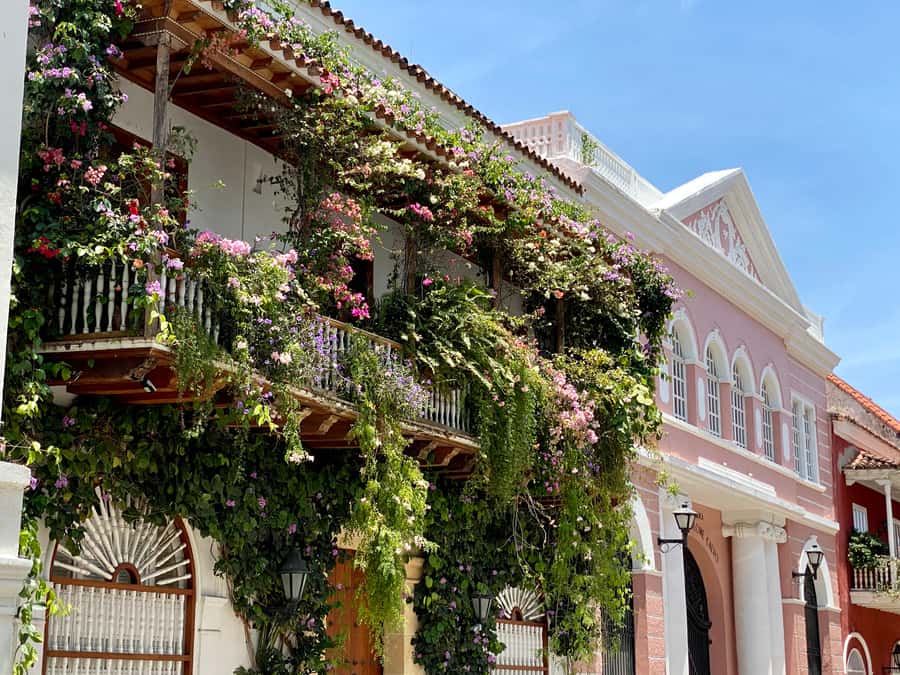
After the Historic Center context, the tour eases into something more relaxed at Centenario Park. This lush green space sits in the middle of the city, which is exactly why it works on a half-day schedule. You get a change of texture from stone to shade.
The tour mentions that sloths, monkeys, and iguanas roam freely. You might spot them, and even if you don’t see every species, the point is that the park gives you an outdoorsy reset without leaving the city. It’s a good moment to drink water, catch your breath, and stop thinking like a museum visitor.
If you’re traveling with kids or anyone who gets tired of constant walking, this park stop is the payoff that keeps the day from feeling like nonstop sightseeing.
More of the Cartagena backstory

Getsemaní on foot: street art, music, and the local Cartagena vibe
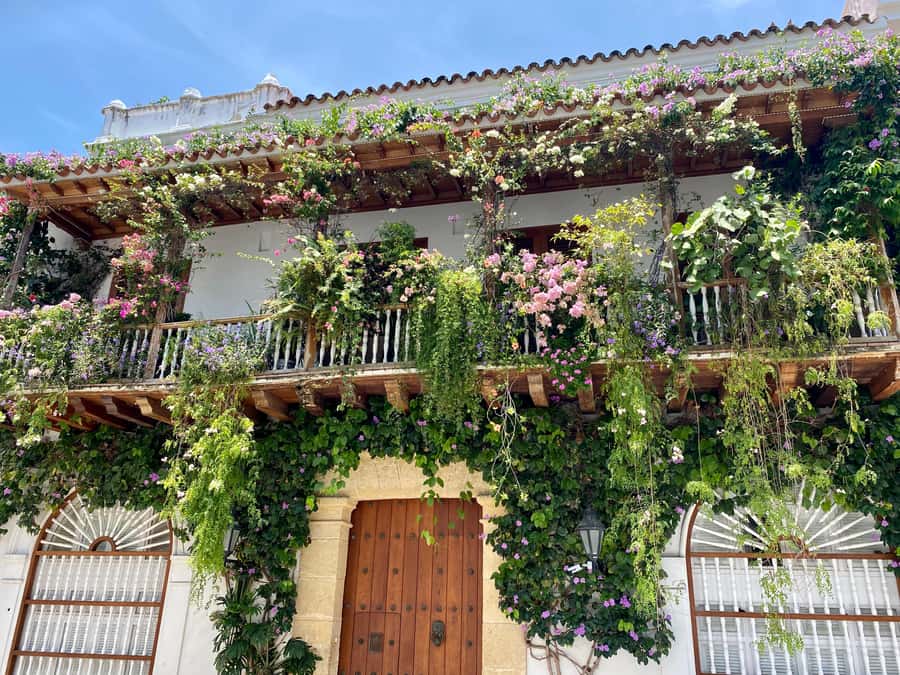
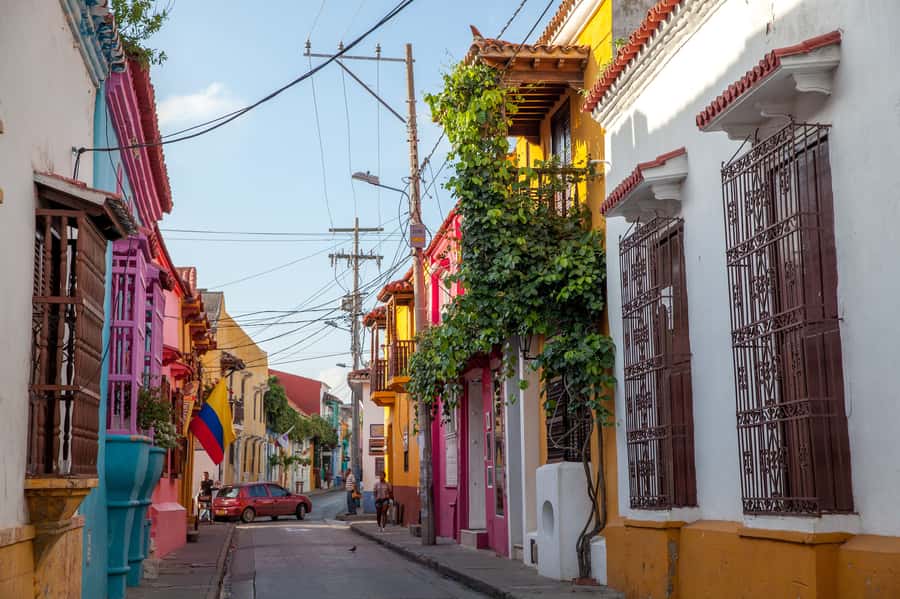
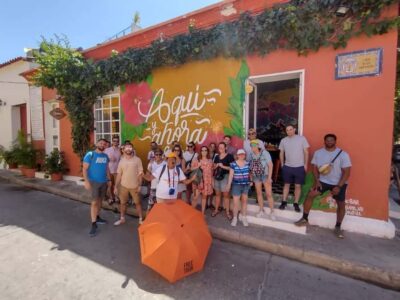
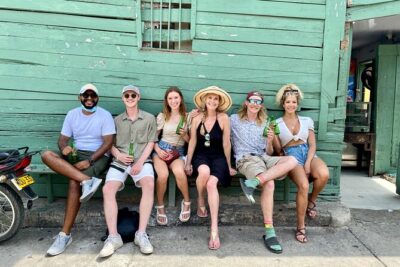
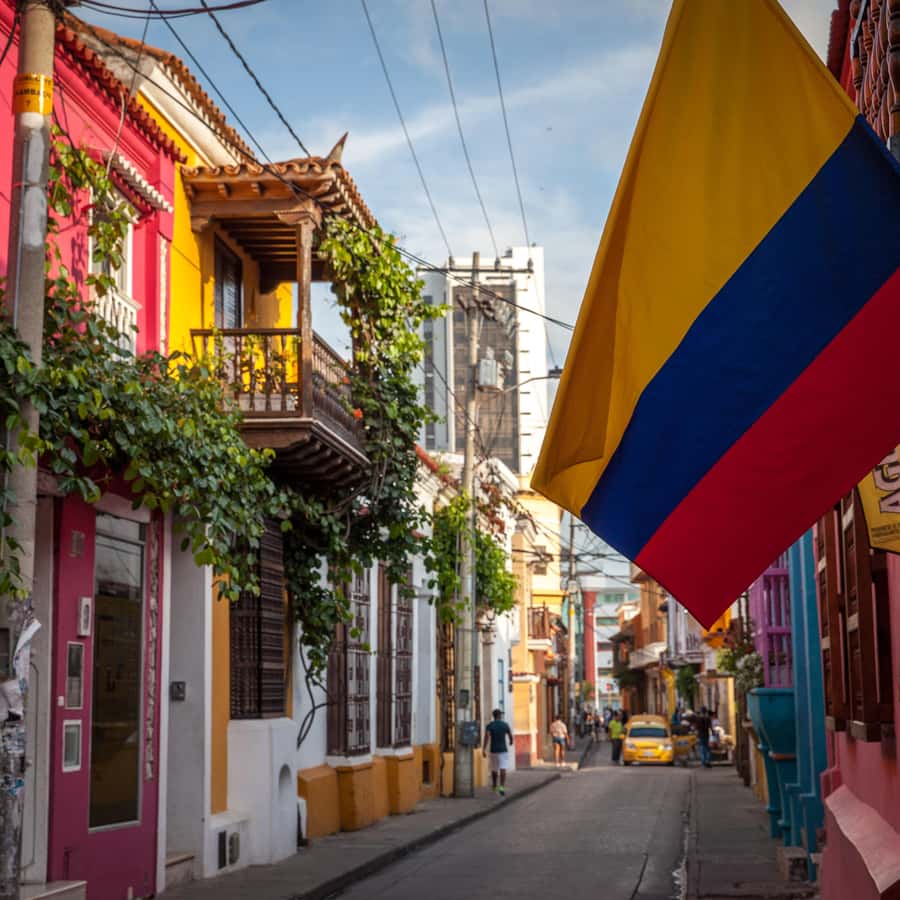
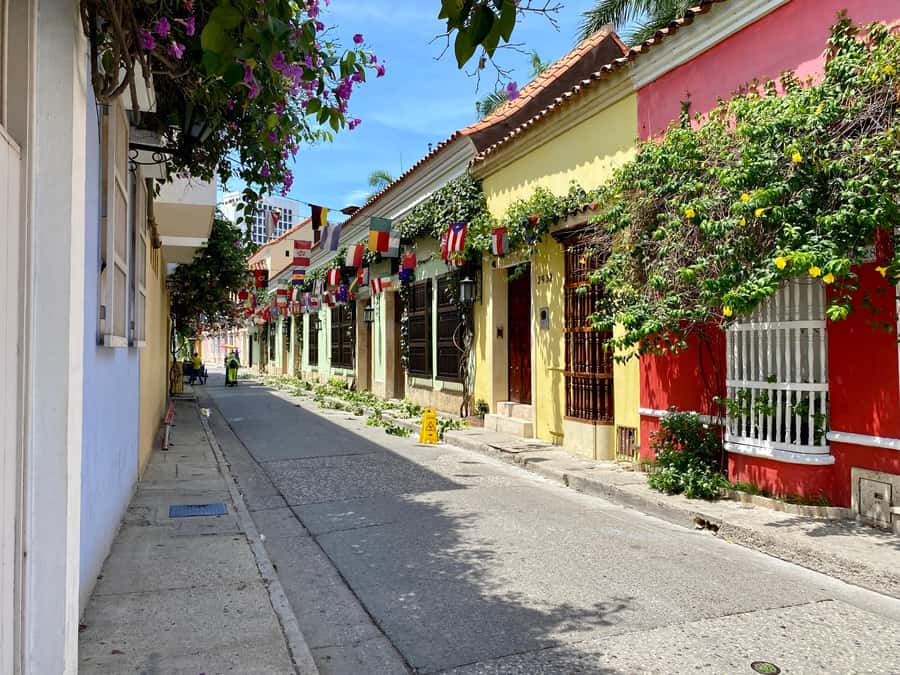
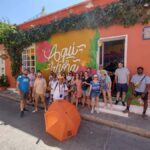
The last part of the tour finishes in Getsemaní, the heart of Cartagena’s local culture. This is not a staged neighborhood. You’ll walk along lively streets filled with street art, colorful murals, vibrant music, and welcoming locals who carry the city’s spirit.
Why this ending matters: Cartagena can be consumed as a postcard city, especially around the fort and the old center. Getsemaní is your reality check. It reminds you that the city is lived in, not just preserved.
Also, the tour ends in the Historic Center on foot. That means if you’re thinking about dinner or drinks afterward, plan to keep exploring nearby. If your hotel is far from the Historic Center, you’ll need to arrange return transportation yourself, since it’s not included.
Colombian coffee tasting: what to notice beyond the taste
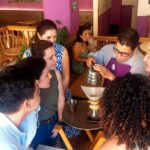
You end the cultural thread with coffee. The tour includes a small Colombian coffee tasting, where you learn why Colombian coffee is celebrated worldwide.
A tasting is short by design on a 4-hour itinerary, so the value is in learning how to pay attention. You’ll be guided through the flavors and aromas, and you’ll come away with a clearer sense of what makes Colombian coffee different in the cup. Even if you already like coffee, this helps you connect your taste experience to the bigger story of why coffee from Colombia has a global reputation.
Practical tip: coffee plus walking plus sun means you should take water seriously. Keep sipping water throughout the day so the coffee feels like a treat, not a trade-off.
Price and logistics: is $152 worth it for a 4-hour Cartagena intro?
At $152 per person for about 4 hours, this tour sits in the midrange for Cartagena. The value comes from three things you actually pay for in real time: entry tickets to San Felipe Castle and La Popa Convent, a professional bilingual guide, and the coffee tasting.
This price also makes more sense because you’re not doing the stops as a self-guided checklist. You’re getting context that turns the locations into a connected story: defense, colonial trade, human rights, city planning from viewpoints, and then a local neighborhood finish.
Logistics are the other half of the value equation. You get pickup in Cartagena in the Historic Center and Bocagrande, but the vehicle is only available for 3 hours while visiting Castillo de San Felipe and La Popa Convent. After that, you’re on foot through the Historic Center. So you should book this if you’re comfortable walking, and if you can handle arranging transportation back to your hotel after the tour ends.
About guides: feedback highlights guides who make the tour feel personal and well paced. Oralis Barrios shows up in one review as delivering an excellent experience. Carlos comes up too, with comments about fluent English, clear history lessons, and patience with photo stops and even a knee issue. That’s exactly what you want from a guide during a walking-heavy cultural day.
What to bring, what to wear, and the small rules that matter
This tour is built around walking and sun. Here’s how I’d pack for comfort and easy movement:
- Passport or ID card
- Comfortable shoes you can walk in for a few hours
- Sunscreen
- Water
- A hat for sun protection
Rules are simple: no alcohol and drugs, and no bare feet. That’s easy, but it’s also one of those Cartagena realities where people sometimes show up underdressed because the city feels relaxed. Don’t. The sun plus stone plus stairs is not the time to test your sandals.
Also, note the tour is wheelchair accessible, which is helpful if you need mobility support. Still, ask in advance about how the route will work for your specific needs, since forts and viewpoints can include uneven steps.
Who this tour fits best
This is a strong fit if you want a well-organized Cartagena orientation without spending your whole day jumping between taxi rides. It’s especially good for:
- First-time Cartagena visitors who want the core landmarks and local context
- People who like history with human stories, not just dates and walls
- Coffee lovers who want a guided tasting tied to why Colombian coffee matters
- Anyone who appreciates a guide who can answer questions and adapt to the group’s pace
If you hate walking, hate heat, or want a more flexible self-guided day, you might find the on-foot ending in the Historic Center a bit demanding. But if you like a plan that still leaves room for questions and photos, you’ll probably enjoy this one.
Should you book this Cartagena history, culture, and coffee tour?
I’d book it if you want a high-quality overview of Cartagena in 4 hours, with real entry tickets, a bilingual guide, and a coffee tasting included. The lineup makes sense too, because it connects Spanish fortification, religious history at La Popa, colonial trade and human rights in the Historic Center, and then finishes with local Getsemaní energy.
Book it with one clear plan: you’ll end in the Historic Center and you’ll handle your own ride back to your hotel. If you can do that, the tour is a smart value, especially because you’re not just seeing places, you’re learning what they meant.
FAQ
How long is the Cartagena history, culture, and coffee tour?
The tour lasts 4 hours.
What is included in the price?
You get a professional bilingual guide, entry tickets to San Felipe Castle and La Popa Convent, and a small Colombian coffee tasting. Hotel pickup is included for certain areas in Cartagena, depending on where your hotel is located.
Where does the tour start and where does it end?
The tour includes pickup in Cartagena (Historic Center and Bocagrande). The tour ends on foot in the Historic Center, and transportation back to your hotel is not included.
Is there a vehicle during the tour?
Yes, but the vehicle is only available for 3 hours while visiting Castillo de San Felipe and La Popa Convent. After that, you continue on foot.
What language will the guide speak?
The guide is available in English and Spanish.
What should I bring for the tour?
Bring your passport or ID card, comfortable shoes, sunscreen, and water. A hat is also recommended for sun protection.
Are there any restrictions on what I can bring?
Alcohol and drugs are not allowed, and bare feet are not allowed.
Coffee, Poured Around Cartagena


Cartagena and Its Past


From Branch to Cup
Just added to our Cartagena shelf
- White Night Boat Party: Dinner Buffet, Dancing and Open Bar
★ 4.6 · 3 reviews - The best sunset tour in the bay: Open bar party & fun
★ 5.0 · 3 reviews - Tayrona Park adventure in Santa Marta: Cabo San Juan from Cartagena
★ 3.8 · 3 reviews - Cartagena: Rosario Islands Private Boat Tour
★ 4.8 · 3 reviews - Mud Volcano Tour in Cartagena with Lunch
★ 3.4 · 3 reviews
Colombian Coffee Farm Tours, compared.
 ★ 4.7Medellin: Coffee Tour with Transport, Snacks and TastingsFrom $801,357 reviews
 ★ 4.9Medellín Coffee Farm Tour with Trolley and Cable Car RideFrom $56277 reviews
 ★ 5.0Coffee Tour at the Finca del CaféFrom $40213 reviews
 ★ 4.8Medellin: Coffee Tour and Wellness SpaFrom $88209 reviews
 ★ 4.9Salento: Private Cocora Valley, Salento & Coffee Farm TourFrom $157202 reviews
 ★ 4.9Medellin: Coffee Tour with Hotel Transfers and MealsFrom $70186 reviews
 ★ 4.8Medellin: Horseback Riding Coffee Farm Tour with Coffee SpaFrom $150151 reviews
 ★ 4.5From Bogotá: Coffee Farm and Tequendama Falls TourFrom $85130 reviews
Where else this tour turns up