
REVIEW · PALENQUE AFRO-COLOMBIAN HERITAGE
Visit Palenque with natives : history, culture and ancestral legacy
San Basilio de Palenque feels like living history. This 6.5 hour, private tour brings you face to face with the community’s ancestral legacy, from Benkos Bioho to traditional medicine, murals, and even a taste of local life through music and food.
I especially like how the day is built around specific places, not vague storytelling, and how much you do with your senses, hearing rhythms in KOMBILESA MI and seeing the meaning behind identity murals. I also like the hands-on balance, including a small boxing class tied to Kid Pambele and a traditional lunch served in the community style.
One thing to plan for: it is hot, you will do a fair bit of walking between stops, and you may not get a cool break once you are inside. Bring what you need for the heat.
In This Review
- Key highlights to look for
- Palenque’s story, told through places you can actually stand in
- Getting there from Cartagena, and what the timing really means
- Stop 1: San Basilio de Palenque tourist parador, the welcome that sets the tone (about 1 hour)
- Stop 2: Benkos Bioho monument, Domingo Bioho and resistance history (about 30 minutes)
- Stop 3: Simankongo House Museum, traditional home life and ancestral elements (about 30 minutes)
- Stop 4: Medicinal Patio, traditional doctors and the plants behind ancestral healing (about 30 minutes)
- Stop 5: KOMBILESA MI, music and instruments where you can join in (about 30 minutes)
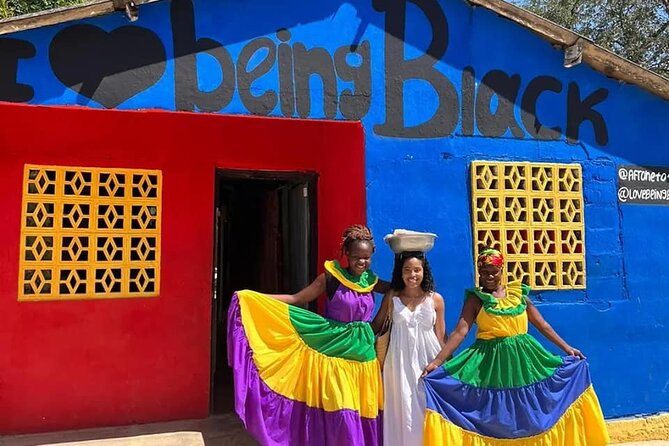
- Stop 6: Cultural route of murals, read the identity messages and get photos (about 30 minutes)
- Stop 7: Religiousness, Catholic imposition and the true religiosity of Palenque (about 30 minutes)
- Stop 8: Kid Pambele monument, Antonio Cervantes Reyes and a short boxing class (about 30 minutes)
- Stop 9: Gastronomy, fish in coconut sumo from the stove to the bijao (about 1 hour)
- Who this tour suits best
- Price and value: is $102 a fair deal?
- What is not included, and how to plan if you want more
- Practical tips so your day stays comfortable
- Should you book this Palenque with BenkosTour?
- FAQ
- How long is the San Basilio de Palenque tour?
- What is included in the price?
- Is this tour private?
- What happens at the Kid Pambele stop?
- What should I bring because it gets hot?
- Is Batata included?
Key highlights to look for
- Native-guided, community-led visit with stops that explain Palenque’s history through daily life
- Benkos Bioho, Domingo Bioho, and resistance history at a dedicated monument stop
- Ancestral medicine at the Medicinal Patio, including plants used by traditional doctors
- KOMBILESA MI music and instruments, where you get a chance to participate
- Identity murals along a cultural walking route, with help understanding what you are seeing
- Kid Pambele boxing moment, ending with a short class
More of Palenque, told by the town itself
- Cartagena: Palenque´s tour, dance show, lunch, pick-Up inclu★ 4.7 · 182 reviews
- Tour a san Basilio de Palenque desde cartagena★ 5.0 · 123 reviews
- Cartagena: Palenque Tour and Road to Emancipation★ 4.5 · 83 reviews
- Mud Volcano and Palenque Cultural Experience★ 5.0 · 61 reviews
Palenque’s story, told through places you can actually stand in
If you are doing Cartagena and you want more than the typical cruise-shop version of Black history, this is the kind of day that sticks. San Basilio de Palenque is a real community, not a set. You do not just read about it, you move through the spaces where people preserve language, music, healing knowledge, art, and faith.
The tone also matters. In the best parts of this tour, the guide is not treating Palenque like a museum. You get a sense of ownership and pride, especially when the group turns interactive, like when music and instruments come out during KOMBILESA MI or when you try a few boxing moves tied to Antonio Cervantes Reyes, Kid Pambele.
This is also a value-packed format. You are paying $102 per person for a private tour, round-trip transportation by air-conditioned vehicle, bottled water, and a full community lunch. On a day that long, that matters.
Getting there from Cartagena, and what the timing really means
This is a 6 hours 30 minutes experience, designed for a full day inside San Basilio de Palenque. The pickup is not described in the tour details you provided, but reviews point to the team handling transfers from your area in Cartagena.
Plan on a strong focus on walking and outdoor time. Even with an air-conditioned vehicle, once you are in Palenque you are in the heat and daylight. Several guides and interpreters described the day as extremely hot, with limited cooling once you are inside certain buildings. The practical move is simple: wear sneakers and plan for sun. If you have one, bring a hat, sunglasses, and something for water.
Because it is private, the pace should match your group. That is a big plus if you like questions, or you want to linger for photos at the mural route.
Stop 1: San Basilio de Palenque tourist parador, the welcome that sets the tone (about 1 hour)
You begin with a welcoming orientation at the tourist parador. Think of it as your ramp into the community. This first hour gives you the general description of how Palenque sees itself, and it helps you understand what you will be learning later.
Why this matters: Palenque is layered. If you go straight to monuments and houses, you might miss the connective tissue. Starting with an introduction means the Benkos Bioho story, the medicine plants, and the religious themes land with more context.
Also, this is the time where you can mentally adjust from Cartagena tourism mode. You are not rushing yet. You are getting your bearings fast and hearing the day’s themes before you move.
Stop 2: Benkos Bioho monument, Domingo Bioho and resistance history (about 30 minutes)
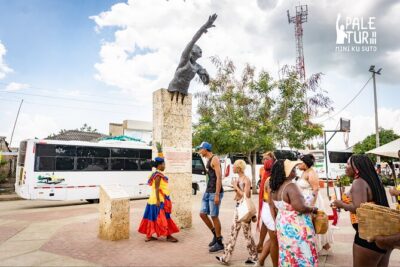
Next is the Monument of Benkos Bioho, which centers on Domingo Bioho, described here as a founding hero for the palenqueros. The stop ties him to resistance against colonial authorities and to the ways the community organized military resistance and political negotiation.
This is the backbone stop, because it anchors the rest of the tour in a specific origin story. You are not just seeing cultural expressions. You are learning why those expressions mattered, and how resilience shaped community identity.
A short stop like this is efficient. You get the core story point, then you move on. The tradeoff is that you will not leave with a full thesis paper. If you like deep timelines, take notes or plan to follow up after the tour with your own reading.
More of the Cartagena backstory
Stop 3: Simankongo House Museum, traditional home life and ancestral elements (about 30 minutes)
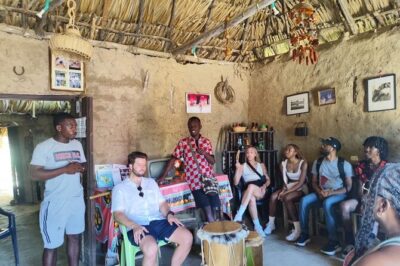
At the Simankongo House Museum, you step into a traditional house concept, with ancestral elements that represent the way of life of the ancestors.
What I like about this stop is how it makes culture physical. Architecture and domestic spaces are not separate from history. They reflect practical needs, values, and long-term adaptation.
The drawback is that it is brief. In 30 minutes you will get a strong overview, not an extended walk-through. If you are the type who loves detail, you will probably want more time at this one.
Still, this stop is a good bridge. From resistance history to a home that represents everyday survival and continuity.
Stop 4: Medicinal Patio, traditional doctors and the plants behind ancestral healing (about 30 minutes)
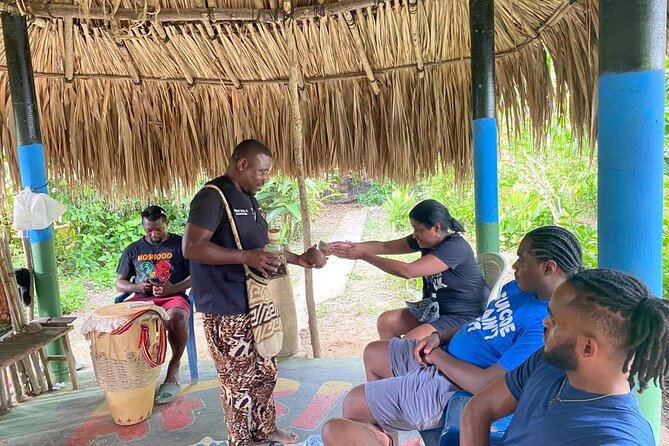
This stop is one of the most memorable when you are the kind of traveler who likes learning how people actually live. At the Medicinal Patio, traditional doctors explain the importance of ancestral medicine and show you plants used for medicinal purposes.
Why it is valuable: it is easy to treat medicine as a curiosity. Here, the framing is different. You are learning that healing knowledge is part of heritage, carried through practice, observation, and community memory.
Practical note: expect questions. If you are curious about common ailments, how remedies are prepared, or what the plants are used for, bring your questions. You will get more out of it than if you simply watch.
Time is short, so you may not absorb every detail in one pass. But you should finish with a clear sense that this is living knowledge, not an old legend.
Stop 5: KOMBILESA MI, music and instruments where you can join in (about 30 minutes)
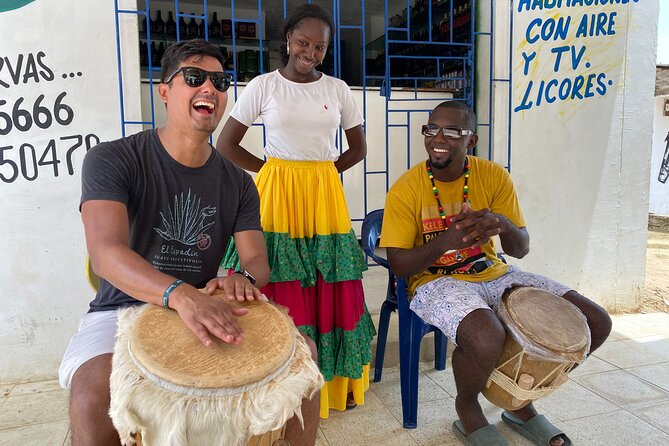
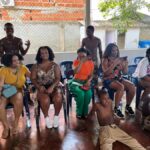
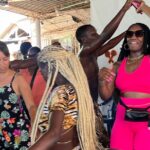
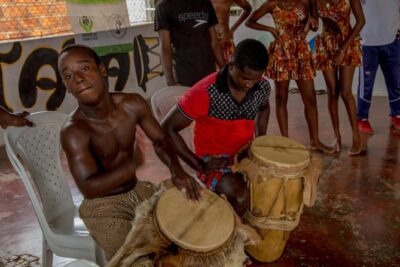
KOMBILESA MI is where the tour turns from learning to doing. This is described as a cultural and musical movement of the community. You get a chance to interpret their music and traditional instruments with the figures of the group.
This stop is highly praised in the way it brings people together without turning it into a performance for outsiders only. The music feels like conversation, not just a show.
If you are worried you are not musical, do not. You are not being tested. You are being included. And even if you only manage a few seconds of participation, it changes how you remember the tour. Rhythm becomes a memory hook.
Stop 6: Cultural route of murals, read the identity messages and get photos (about 30 minutes)
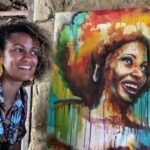
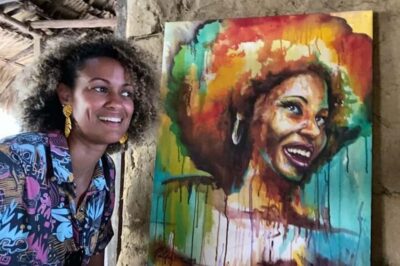
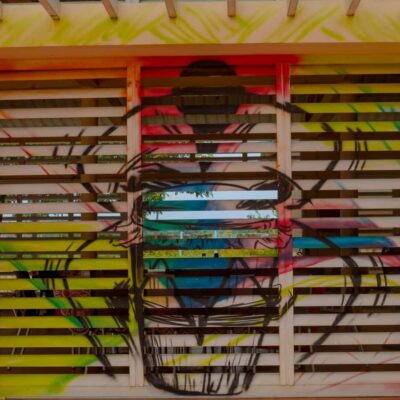
You then walk through the streets on a cultural route of murals. The guide helps you understand the meaning of each identity mural and you have time for photos.
Murals are often treated as decoration. Here, they function like public storytelling. They connect the visual style to community identity, memory, and values.
Photo tip: murals are in bright light and streets can be dusty. Wear darker clothing if you can, and bring a lens cloth or the equivalent for phone cameras. You will want your photos to be crisp, especially if you are posting later.
This is also a stop that rewards attention. If you look at one mural and miss the explanation, you lose the point. Give it the full time, then take your pictures after you understand what you are seeing.
Stop 7: Religiousness, Catholic imposition and the true religiosity of Palenque (about 30 minutes)
At Religiousness, you learn about the imposition of the Catholic religion and how Palenque’s true religiosity is expressed.
This can be a sensitive topic, and the strength of the stop is that it is not presented as a simple story of good versus bad. You are shown how belief systems interact, how communities adapt, and how identity stays intact even when external religion is introduced.
It is also one of the stops that can shift your mindset for the day. By this point, you have history, home life, medicine, music, and art. Then you add spirituality and you understand why Palenque culture does not sit in one category.
Stop 8: Kid Pambele monument, Antonio Cervantes Reyes and a short boxing class (about 30 minutes)
This stop centers on Kid Pambele, Antonio Cervantes Reyes, and his importance in Colombian boxing plus his contribution to the development of the community. The stop ends with a small boxing class.
This is fun, and it has substance. Boxing here is not just sport. It ties into discipline, community pride, and how young people can connect physical training with identity.
Practical side: boxing can involve quick movement and bending, so wear shoes with grip. If you have any knee or back issues, tell the guide at the start so they can suggest a safer way to participate.
Stop 9: Gastronomy, fish in coconut sumo from the stove to the bijao (about 1 hour)
You finish with gastronomy and a typical community lunch. The tour describes fish in coconut sumo from the stove to the bijao, plus more dishes depending on the lunch selection: stewed and fried fish, fried chicken, steak meat, stewed pork, and a vegetarian option. Bottled water is included.
This is more than fuel. Food is a cultural language, and the way it is served matters. The phrase from the stove to the bijao hints at a traditional serving method and a warm, communal approach.
Value check: meals in Cartagena can run up fast, and lunch for a group can be the difference between a decent day trip and an expensive one. Here you are getting lunch as part of the package, which means you can spend your time focused on the experience rather than hunting food.
Who this tour suits best
This is a strong fit if you want:
- Culture with context, not just photos
- A community-led day where you learn history through daily life
- Interactive moments like KOMBILESA MI and the Kid Pambele boxing class
- A full-day structure that feels efficient at 6.5 hours
It is also a decent fit for solo travelers, since the tour is private and you will not be swallowed by a big bus group. Couples also tend to like it because it feels intimate and meaningful, especially when your guide knows the community well and can answer questions.
Price and value: is $102 a fair deal?
At $102 per person, you are paying for transportation by air-conditioned vehicle, bottled water, a private tour format, admission tickets listed as free for each stop, and a full included lunch.
For a day that long, that is the key value. You are not adding the cost of entry fees and you are not budgeting extra for lunch. If you were to do this yourself, you would still need transport and likely would have a tougher time arranging community access for the kinds of stops included here.
The only cost to really plan for is what you might spend on sun protection or extra snacks if you arrive hungry. Bring water, and you should be set.
What is not included, and how to plan if you want more
One clear item is not included: the presentation of traditional music and dance Batata.
If Batata is a must for you, you will want to ask in advance whether your specific date includes it elsewhere, because it is explicitly marked as not included in the experience details you gave.
Practical tips so your day stays comfortable
- Bring water with you even though bottled water is included, since the day is described as extremely hot
- Wear sneakers, expect uneven pavement, and plan for a lot of walking between stops
- Pack sun protection like a hat, umbrella, or a water spritzer if you use one
- If you like photos, plan to take them after explanations, especially on the mural route
- Consider small bills for tipping if you feel moved, since many guides participate directly in teaching you
Should you book this Palenque with BenkosTour?
Yes, if your goal is to understand San Basilio de Palenque through real community spaces. The tour’s structure makes sense: history first, then home and healing knowledge, then music, murals, spirituality, sports heritage, and finally food. That sequencing helps the whole day feel connected.
You might think twice if you need a fully air-conditioned experience, quiet and slow pacing, or museum-style explanations at every stop. This is a hot, active day in an outdoor setting, and the best moments require you to show up with curiosity and a willingness to participate.
FAQ
How long is the San Basilio de Palenque tour?
It runs about 6 hours 30 minutes.
What is included in the price?
The tour includes an air-conditioned vehicle, lunch (stewed and fried fish, fried chicken, steak meat, stewed pork, and a vegetarian option), and bottled water. Admission tickets are listed as free for each stop.
Is this tour private?
Yes. It is private, and only your group participates.
What happens at the Kid Pambele stop?
You learn about Antonio Cervantes Reyes, Kid Pambele, and the tour ends with a small boxing class.
What should I bring because it gets hot?
Wear sneakers and bring water. It is described as extremely hot, and cool-down options inside buildings may be limited, so sun and comfort items like an umbrella or hat can help.
Is Batata included?
No. The presentation of traditional music and dance Batata is marked as not included.
The Rest of Our Cartagena Reviews

Cartagena and Its Past
Palenque Tells Its Own Story
Just added to our Cartagena shelf
- White Night Boat Party: Dinner Buffet, Dancing and Open Bar
★ 4.6 · 3 reviews - The best sunset tour in the bay: Open bar party & fun
★ 5.0 · 3 reviews - Tayrona Park adventure in Santa Marta: Cabo San Juan from Cartagena
★ 3.8 · 3 reviews - Cartagena: Rosario Islands Private Boat Tour
★ 4.8 · 3 reviews - Mud Volcano Tour in Cartagena with Lunch
★ 3.4 · 3 reviews
Palenque Afro-Colombian Heritage, compared.
 ★ 4.7Cartagena: Palenque´s tour, dance show, lunch, pick-Up incluFrom $112182 reviews
 ★ 5.0Tour a san Basilio de Palenque desde cartagenaFrom $110123 reviews
 ★ 4.5Cartagena: Palenque Tour and Road to EmancipationFrom $10883 reviews
 ★ 5.0Mud Volcano and Palenque Cultural ExperienceFrom $22561 reviews
 ★ 4.4From Cartagena: San Basilio de Palenque TourFrom $7849 reviews
 ★ 5.0Tour cultural to san Basilio de Palenque from cartagenaFrom $9945 reviews
 ★ 5.0Private Tour with Certified Guide of San Basilio De PalenqueFrom $13037 reviews
 ★ 5.0Visit San Basilio de Palenque with a NativeFrom $11535 reviews
Where else this tour turns up