
REVIEW · COLOMBIAN COFFEE FARM TOURS
Free Walking Tour Bogotá: Arte, Historia y Café
Coffee, history, and street art in one walk. I love the fruit and coffee tastings, and I love how the route threads through La Candelaria with stories you can place on a map. One drawback to plan for: it is a mostly on-foot, outdoor route for the full 3 hours, so sun and walking time can feel real without water and comfortable shoes.
You also get practical extras that make the tour feel safer and easier, like health insurance and a bilingual guide. In my view, the tour works best when you arrive ready to ask questions, since the best moments come from the guide connecting what you see to what happened.
If you want a compact way to understand the city’s culture and politics, this is a strong match. Just know there’s been at least one case of a guide not showing up, so arrive a few minutes early and confirm you see the blue jacket and cap at the start.
In This Review
- Key things you should notice before you go
- Chorro de Quevedo, where the walk starts with Bogotá’s founding stories
- La Concordia Market Square: exotic fruit tastings that teach you what you’re eating
- La Candelaria cobblestones: colonial balconies, street art, and the city’s cultural memory
- Plazoleta del Rosario to Santander Park: quick stops that set up the big civic story
- Parque de los Periodistas and Plaza Santander: ideas, institutions, and a view toward the hills
- El Bogotazo site to Plaza de Bolívar: where modern Colombian history hits hard
- Teatro Colón and Palacio de San Carlos: reconciliation and executive power, with no ticket required
- Varietale coffee finale: the barista lesson that makes the whole tour taste better
- Price and value for $14: what you are really paying for
- Who should book, and who should skip this one
- Practical tips so the tastings and stories land well
- Should you book this Free Walking Tour Bogotá Arte, Historia y Café?
- FAQ
- Where does the tour meet?
- How long is the walking tour?
- What languages is the tour offered in?
- What is included in the ticket price?
- What is not included?
- What should I bring?
Key things you should notice before you go
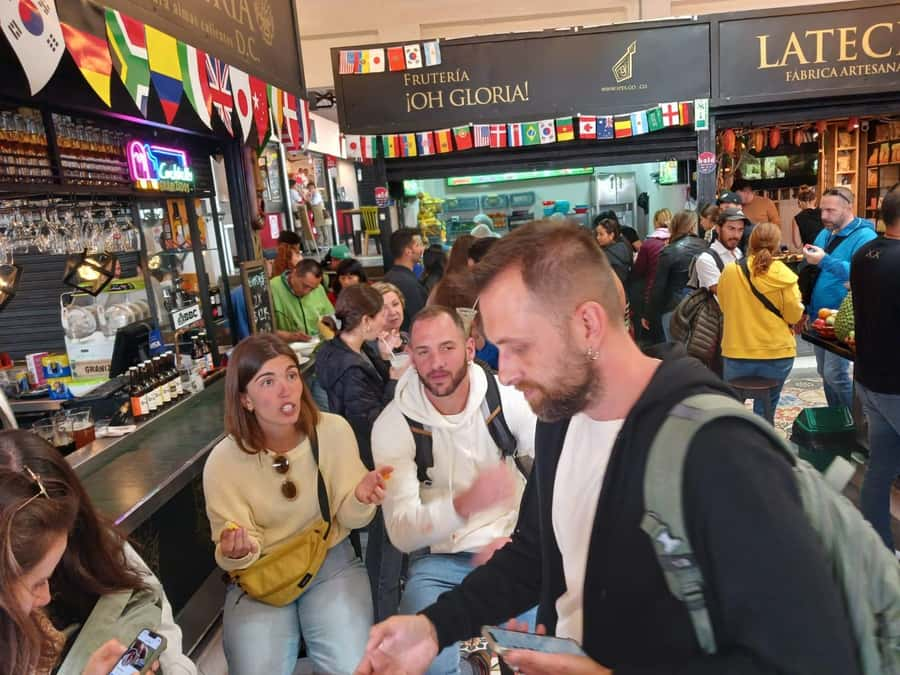
- Fruit tasting at La Concordia Market Square with notes on origins and nutritional value
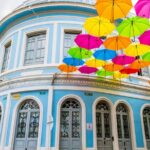
- La Candelaria on cobblestones with colonial facades, balconies, and street art
- Big-history stops in the right places including the events known as El Bogotazo
- Plaza de Bolívar orientation around major civic buildings and national institutions
- Teatro Colón and nearby Palacio de San Carlos context without needing to buy an entrance ticket
- Coffee tasting finale at Varietale with a professional barista and hands-on brewing learning
Other farms where the cup starts on the branch
- From Bogotá: Coffee Farm and Tequendama Falls Tour★ 4.5 · 130 reviews
- Bogota: Colombian Coffee Tasting★ 4.8 · 92 reviews
- Coffee Farm Experience Private Day Tour★ 5.0 · 81 reviews
- Coffee tasting experience at Divino Café Especial★ 5.0 · 57 reviews
Chorro de Quevedo, where the walk starts with Bogotá’s founding stories
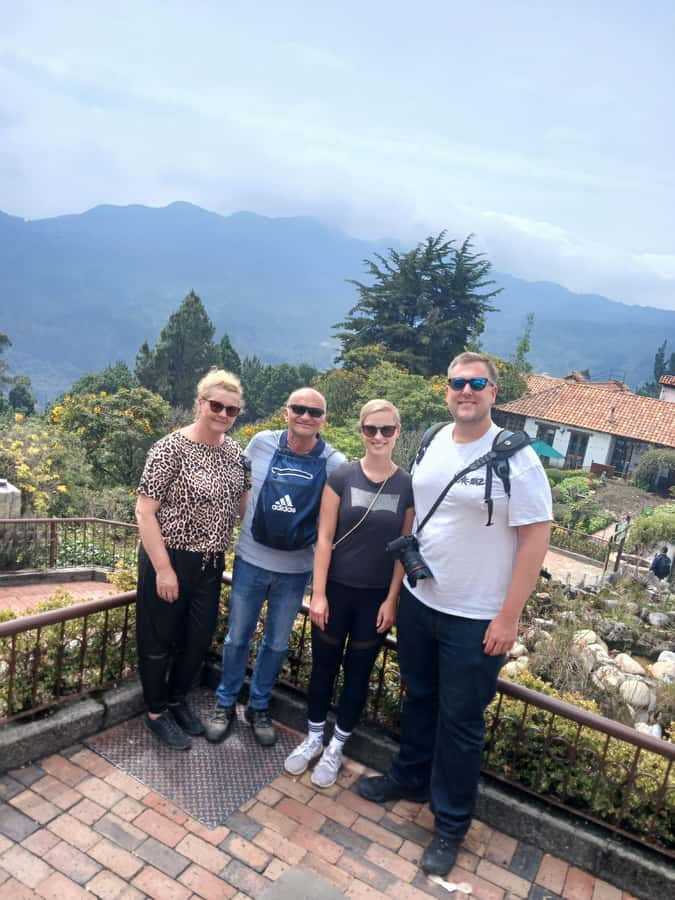
Most good neighborhood walks begin with a place that makes you look up. Here, the meeting point is Plaza del Chorro de Quevedo, described as the spot tied to Bogotá’s beginnings. You’ll start with a short guided intro, then the guide sets the tone by connecting local legends and city origins to the streets you are about to walk.
This is also where the atmosphere hits. You’re surrounded by urban art, colonial-era architecture, and that bohemian feel that La Candelaria is known for. Even if you just want photos, this stop helps you frame what you’re seeing. It is easier to appreciate the rest of the route when you understand the city is layering new life over older foundations.
Practical note: you’ll be recognized by the guide team wearing a blue jacket and blue cap with the Colombia Tours And Trips logo, so watch for that right away. If you don’t see them near the start time, it is smart to wait a few minutes, then check in rather than drifting away.
La Concordia Market Square: exotic fruit tastings that teach you what you’re eating
Next comes La Concordia Market Square, a stop built around food and culture. You get time to sample exotic Colombian fruits, and you’ll also get an explanation that goes beyond taste. The guide talks about where the fruits come from, their nutritional value, and why these flavors matter in Colombia’s everyday food culture.
What I like about this kind of stop is that it gives your brain something concrete to hold onto. You aren’t just moving past a market because it looks photogenic. You’re learning how local ingredients show up in the country’s identity, including what people choose, what tastes are common, and how fruit can be part of daily life rather than a tourist treat.
A word of caution: fruit tasting is included, but lunch is not. So if you have a sensitive stomach or you know your hunger ramps up, pace yourself. Also, markets are lively and you’ll want to keep your water handy for the walk after.
La Candelaria cobblestones: colonial balconies, street art, and the city’s cultural memory
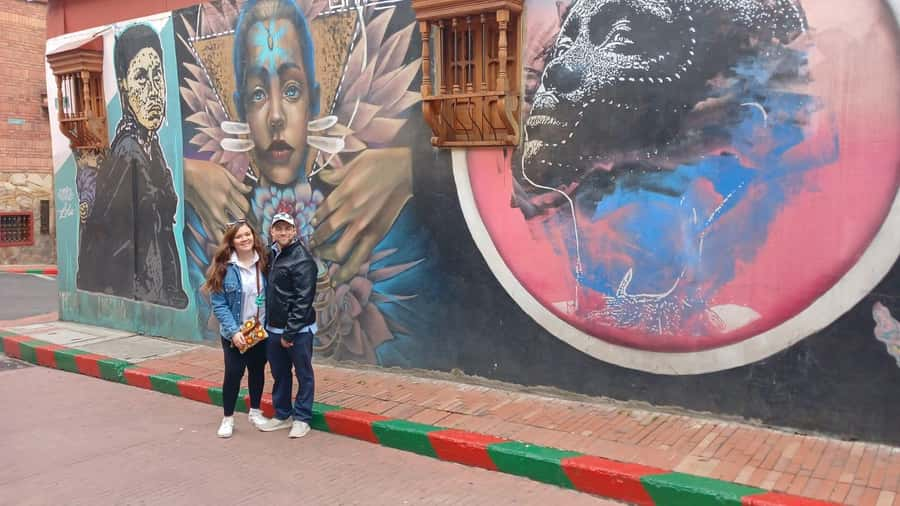
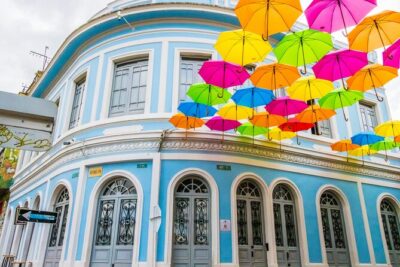
Then you shift into the long, scenic part: walking through La Candelaria. This is one of Bogotá’s best-known areas, and you’ll see why here. Expect cobblestone streets, colonial houses, wooden balconies, cafes, and plenty of street art.
The way the tour is structured matters. Instead of making La Candelaria feel like a list of sights, the guide connects scenes to Bogotá’s cultural and literary identity. You’ll learn how the neighborhood became a stage for ideas, art, and everyday life. That helps you spot what you might otherwise miss, like the subtle rhythm of architecture, the way public spaces invite conversation, and how art shows up as commentary.
This part is also where comfortable shoes really earn their keep. Cobblestones add up. You don’t need trail shoes, but you do want something that doesn’t make you second-guess every step.
Plazoleta del Rosario to Santander Park: quick stops that set up the big civic story
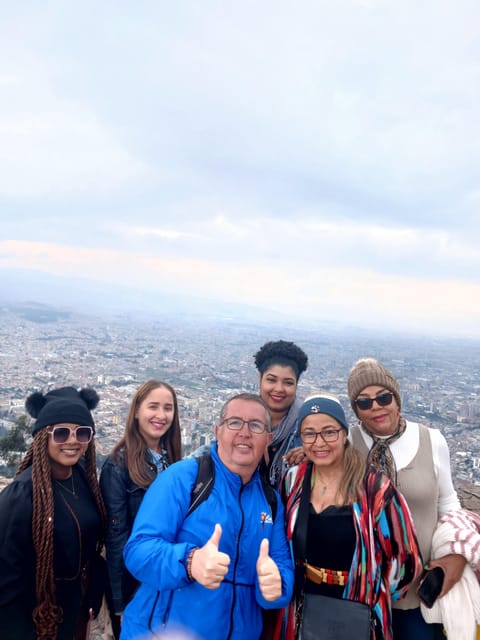
As you move along, you get shorter visits that act like punctuation. You’ll spend time around Plazoleta del Rosario and Santander Park, with a guided or interpretive stop that keeps the walk from becoming one long stream of facts.
Why these smaller pauses are valuable: they give you visual breathing room while still feeding the narrative. This is where the tour helps you connect streets to institutions. You’re not only seeing old walls and art, you’re building an understanding of where power, journalism, finance, and culture overlap in Bogotá.
If you like history but hate feeling stuck inside museums, this style can feel just right. You keep moving, you keep seeing, and you get enough context to make the places make sense.
Other Bogota routes done on foot
Parque de los Periodistas and Plaza Santander: ideas, institutions, and a view toward the hills
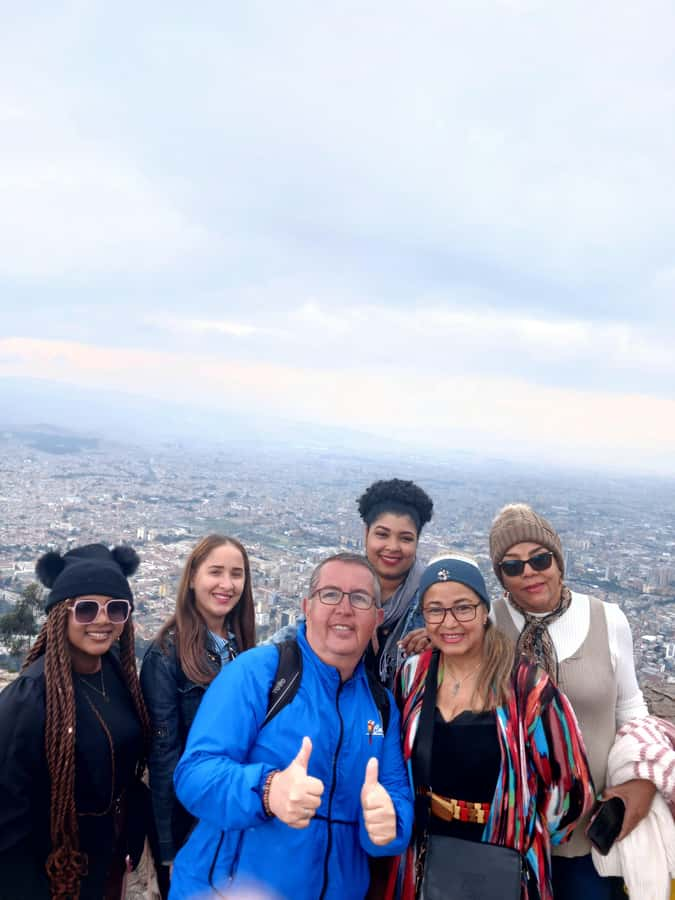
Next, you reach Parque de los Periodistas, described as a meeting point connected to critical thinking and the intellectual and political life of the city. You’ll also get a privileged view of the eastern hills, which helps you understand Bogotá’s geography and why the city’s layout and politics tend to follow the terrain.
After that, the walk arrives at Plaza Santander, in front of two major reference points: the Gold Museum area and the Banco de la República. The guide explains how these institutions shaped Colombia’s economic and cultural development. Even if you do not go inside anything during this specific tour, you’ll leave knowing what those buildings represent and why they matter.
This stop is a good example of value. A paid tour that only points at landmarks feels like a sightseeing tax. Here, you get a sense of why certain places are influential, and you can decide later if you want to return for museums or deeper reading.
El Bogotazo site to Plaza de Bolívar: where modern Colombian history hits hard
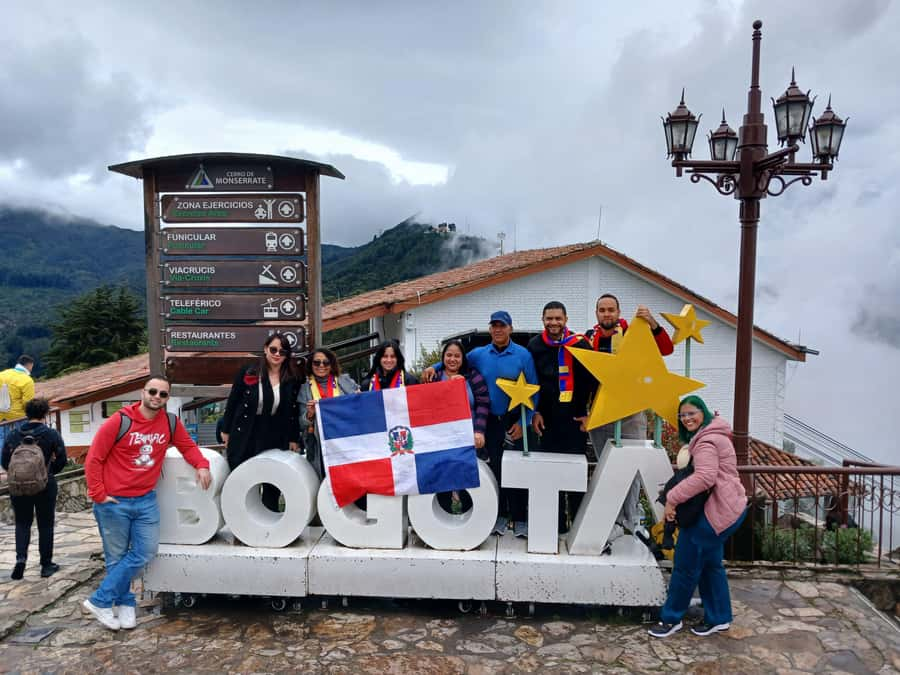
Now the tour turns serious. You visit the exact area tied to the events that became known as El Bogotazo, connected to the assassination of Jorge Eliécer Gaitán. The guide explains how that event triggered one of the most turbulent periods in modern Colombian history. This is not a vague cultural lecture. The narration ties the storyline to physical place, so the facts stick better.
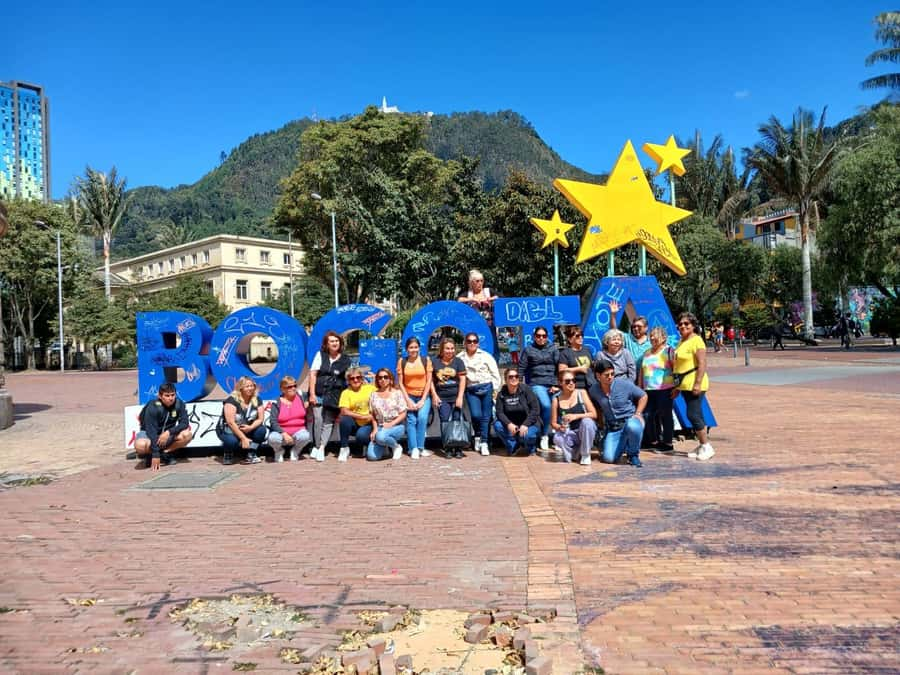
Then you arrive at Plaza de Bolívar, the political and symbolic heart of Bogotá. You’ll see the National Capitol, the Palace of Justice, the Primada Cathedral, and Liévano Palace. This is the kind of civic square that feels like it should be in a textbook, and the tour helps you read it like one.
One thing I appreciate about this approach is balance. Yes, you get the dramatic moment around El Bogotazo. But you also see the stable, ongoing presence of government and law around the square. That contrast helps you understand how a country processes trauma in public space.
Teatro Colón and Palacio de San Carlos: reconciliation and executive power, with no ticket required
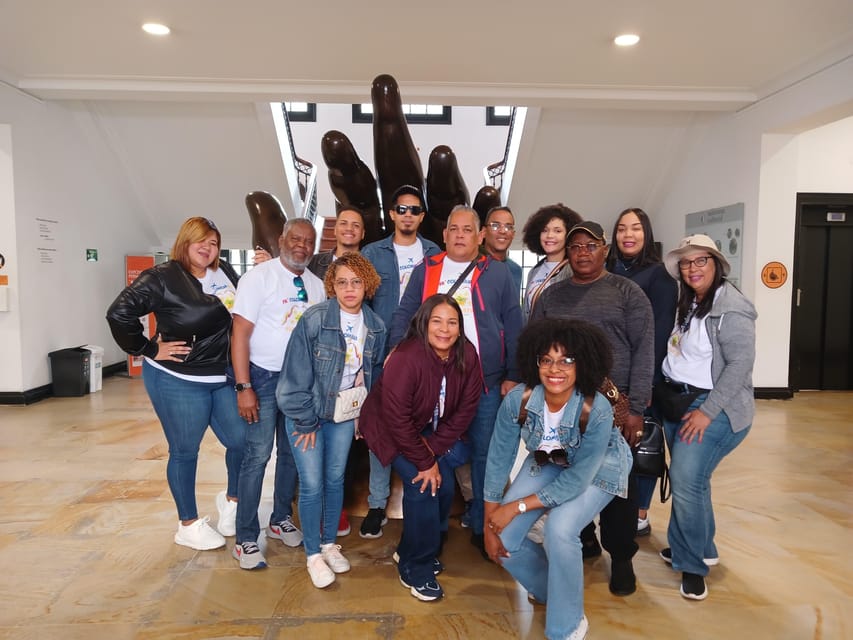
After the civic square, you continue to Teatro Colón, a major architectural and cultural icon. The tour connects this building to a landmark moment when the Peace Treaty was signed with the FARC guerrillas, described as a before-and-after on the road to national reconciliation.
You’re also shown Palacio de San Carlos, identified as the country’s first presidential headquarters. The guide explains stories tied to how executive power developed in Colombia. This matters because it adds texture. You’re not only learning about art and architecture, you’re learning how institutions and major buildings evolve with the country’s political life.
A practical detail to plan around: entrance to Teatro Colón is not included. That’s fine if you like exterior views and context, but if you were hoping for an interior visit, you’ll need a separate plan.
Varietale coffee finale: the barista lesson that makes the whole tour taste better
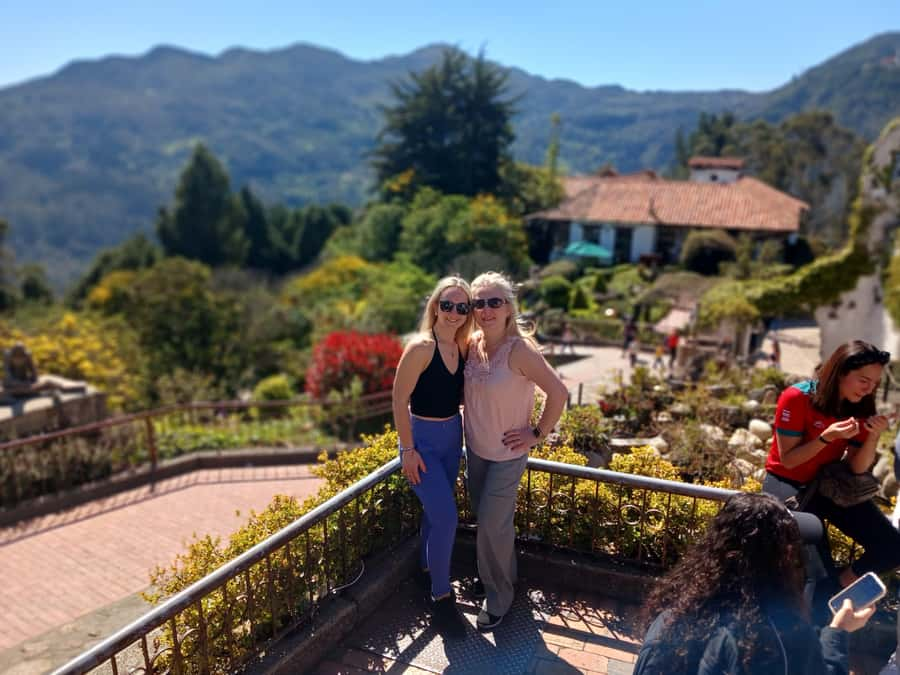
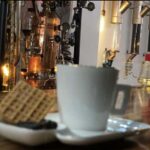
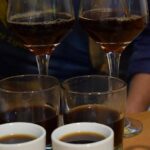
The final stop is a sensory payoff at Varietale. After walking, you get a break for coffee, shopping time, and a full coffee tasting session. The coffee is prepared by a professional barista, and the guide explains the preparation process and what makes Colombian coffee distinctive.
What I like about this ending is that it ties back to everything earlier. You start the tour with cultural foundations and food from markets, then you end with coffee as a national product tied to culture and the economy. It turns a history walk into something you can actually taste and carry with you.
Tip: use the break well. Sip slowly, ask the barista questions, and take a moment to cool down if the sun has followed you through the streets.
Price and value for $14: what you are really paying for
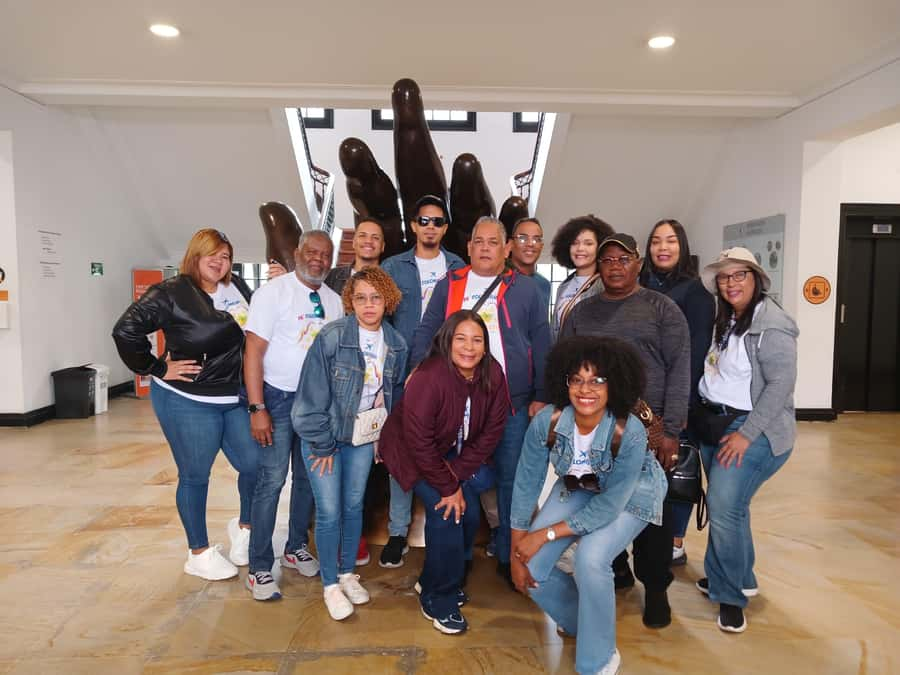
At $14 per person for a 3-hour walking tour, this isn’t just a budget stroll. You’re paying for a guided route that mixes culture, history, and two tasting sessions: fruit and coffee. You also get insurance coverage and a bilingual guide, which can be a real quality marker when you want accurate explanations rather than random observations.
It also helps that the tour is designed to avoid long museum time. There’s no lunch included, but you’re not stuck in lines for hours either. You get a packed outline of Bogotá’s key areas, then you can choose what to revisit afterward.
Worth knowing: the tour shows a 4.3 rating across 7 reviews. That’s strong enough to recommend, but not perfect. One low rating described a situation where the guide did not show up, even after the company said they would arrive. This is not enough to cancel the value, but it is enough to justify one simple habit: show up on time, confirm the guide by the blue jacket and cap, and don’t assume everything is fine if you do not see them.
Who should book, and who should skip this one
This tour is best for you if you want:
- A 3-hour sampler of Bogotá’s core neighborhoods and civic sites
- A mix of history and food rather than pure museum time
- A guided route that explains what you see, not just where to stand for photos
You might not love it if:
- You hate walking on cobblestones for extended stretches
- You need long indoor time to escape heat or crowds
- You expect full interior access to Teatro Colón (entrance is not included)
If you get a guide named Juan or Ruby, you’re likely to enjoy the way they handle questions. Other guides on the route, including Ruvy, have been described as energetic and making the walk feel dynamic. Even without naming names, the common theme is clear: the best version of this tour happens when you talk back and ask questions.
Practical tips so the tastings and stories land well
Bring comfortable shoes, sunscreen, and water. That isn’t formal advice, it is what makes the walk enjoyable. Cobblestones plus sun equals fatigue fast, and fatigue ruins history.
Also plan your day around the pacing. This is a walking experience with short guided bursts, then longer walking and sightseeing segments. That means you do not want a late-night before, and you do not want to arrive starving.
Finally, treat the food tastings like a preview, not a meal. You get fruit and coffee, but lunch is not included, so plan to eat after.
Should you book this Free Walking Tour Bogotá Arte, Historia y Café?
Yes, if your goal is a compact, high-impact look at Bogotá where food tastings and history stops actually fit together. The route starts at the origin-linked Plaza del Chorro de Quevedo, moves through La Candelaria, touches major civic and political points including the area tied to El Bogotazo, and ends with a barista-prepared coffee moment at Varietale. For $14, that mix feels fair and practical.
Book it with one mindset: show up, look for the blue jacket and cap, and be ready to walk and ask questions. If you prefer a purely interior, ticket-based day, then look elsewhere. But if you want your map to come alive with stories you can taste, this one is worth your time.
FAQ
Where does the tour meet?
The meeting point is Plaza del Chorro de Quevedo. You will recognize the team by their blue jacket and blue cap with the Colombia Tours And Trips logo.
How long is the walking tour?
The tour lasts 3 hours.
What languages is the tour offered in?
The tour is listed with a bilingual guide, and the live guide information is Spanish.
What is included in the ticket price?
Inclusions are health insurance, a bilingual guide, fruit tasting, and coffee tasting.
What is not included?
Lunch is not included, there is no pick up or return to your hotel, and entrance to Teatro Colón is not included.
What should I bring?
Bring comfortable shoes, sunscreen, and water.
Everything Else We Reviewed in Bogota

Walk Bogota Slowly
From Branch to Cup
Just added to our Bogota shelf
- Fun Graffiti Workshop: The Art of Aerosol and Color
★ 5.0 · 3 reviews - From Bogota: White Water Rafting Experience
★ 4.4 · 3 reviews - From Bogota: Excursion to Jaime Duque Park
★ 5.0 · 3 reviews - Bogotá: La Candelaria Food Tour with Tastings
★ 4.2 · 3 reviews - Walking tour José Celestino Mutis Botanical Garden 3 hrs
★ 5.0 · 3 reviews
Colombian Coffee Farm Tours, compared.
 ★ 4.7Medellin: Coffee Tour with Transport, Snacks and TastingsFrom $801,357 reviews
 ★ 4.9Medellín Coffee Farm Tour with Trolley and Cable Car RideFrom $56277 reviews
 ★ 5.0Coffee Tour at the Finca del CaféFrom $40213 reviews
 ★ 4.8Medellin: Coffee Tour and Wellness SpaFrom $88209 reviews
 ★ 4.9Salento: Private Cocora Valley, Salento & Coffee Farm TourFrom $157202 reviews
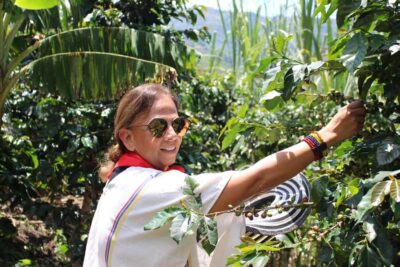 ★ 4.9Medellin: Coffee Tour with Hotel Transfers and MealsFrom $70186 reviews
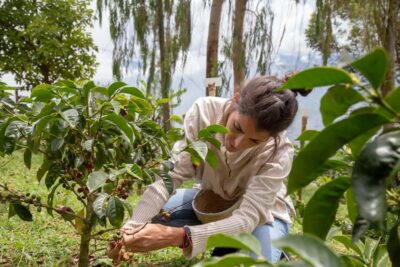 ★ 4.8Medellin: Horseback Riding Coffee Farm Tour with Coffee SpaFrom $150151 reviews
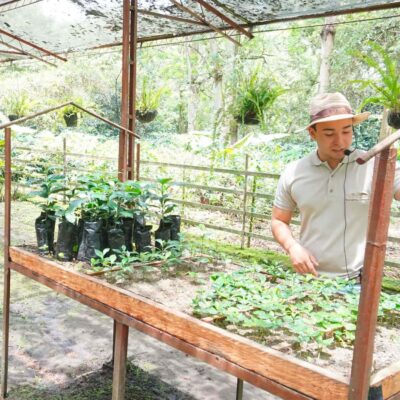 ★ 4.5From Bogotá: Coffee Farm and Tequendama Falls TourFrom $85130 reviews
Where else this tour turns up