
REVIEW · PALENQUE AFRO-COLOMBIAN HERITAGE
From Cartagena: San Basilio de Palenque Tour
Freedom has a street address in Palenque. This day trip from Cartagena takes you about 50 km southeast to San Basilio de Palenque, home to the first free Black community in the Americas, and you learn the story through walking, language, and music. I love how the guide brings the history to life in lunch and conversation, not just facts, and I also love the way you hear Palenquero words and local slang used in context. One possible snag: the African drum performance is optional, so depending on what you select, you may not see it that day.
I also like that this is built for a small group, limited to 10 people, with pickup optional from your hotel or Airbnb. You’ll spend time with the community’s cultural center, then move through key landmarks including Benkos Biohó’s area, while the guide connects people, places, and sounds. Expect to hear about Palenquero language and the Cimarrones movement, plus the visual and cultural details like the traditional styles and the town’s layout.
You’ll be outdoors in warm weather, so dress for heat and bring sunscreen and water. If you want the day to feel structured, note it is a shared tour, so the exact flow can vary by group and guide pairing. Still, with a local Palenque guide and lunch included, it is a strong way to understand Afro-Colombian culture beyond Cartagena’s shoreline.
In This Review
- Key Things I’d Prioritize on This Palenque Tour
- San Basilio de Palenque, 50 km from Cartagena, and why it matters
- The 6-hour structure, small group pace, and how you’ll spend your time
- Starting in the cultural center: history you can hear, not just read
- Benkos Biohó plaza and the Cimarrones movement, explained through landmarks
- Palenquero language, local slang, and a few phrases you may hear
- Music, instruments, dances, and how rhythm tells the story
- African hairstyles and the idea of a hidden map toward liberty
- Lunch in Palenque: where the day slows down
- Optional African drum show: should you add it?
- What to bring and how to stay comfortable in Bolívar heat
- Price and value: is $78 for 6 hours fair?
- Who this tour suits best, and who might want a different plan
- Should you book the Cartagena to San Basilio de Palenque tour?
- FAQ
- Where is San Basilio de Palenque located?
- How long is the tour?
- What does the tour include?
- What languages is the guide available in?
- Is the group size small?
- Is the tour wheelchair accessible?
- What should I bring?
- FAQ
- How much does it cost and is lunch included?
- Is free cancellation available?
- Can I pay later?
Key Things I’d Prioritize on This Palenque Tour
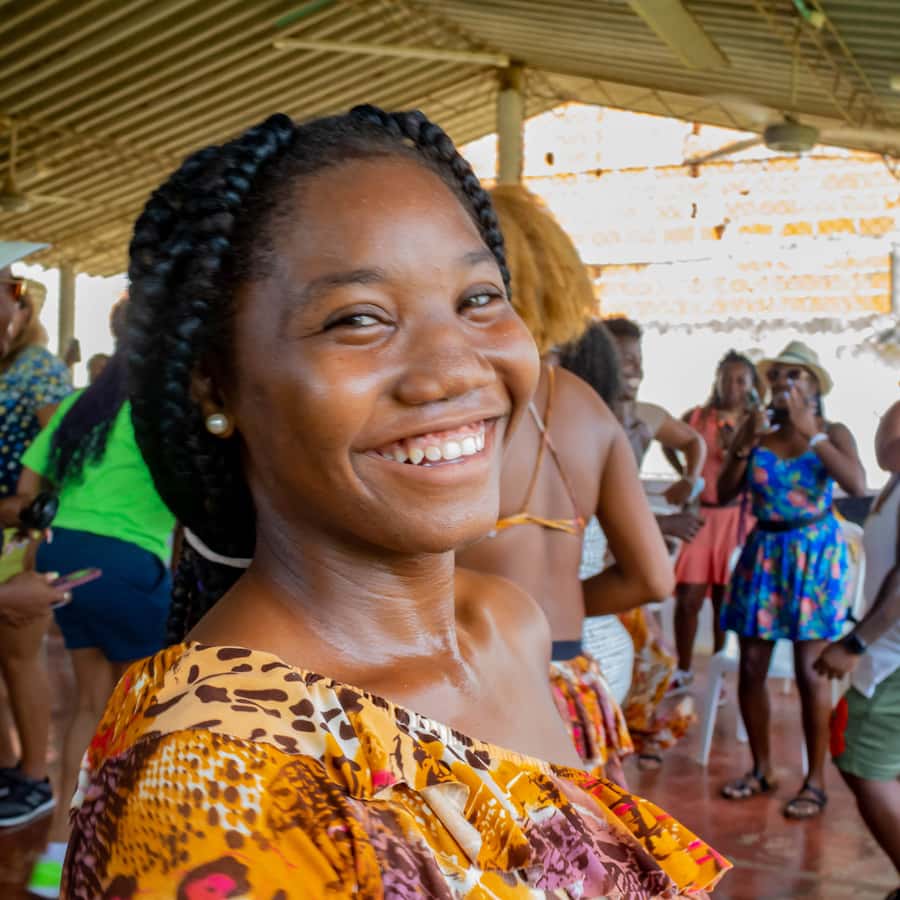
- Palenquero language basics you can actually use, including local slang and useful phrases you’ll hear around town
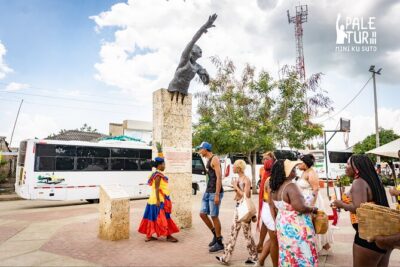
- Benkos Biohó and the Cimarrones story, explained through real places you walk past
- Music and dance tied to African roots, plus instruments and local soundscapes
- Hairstyles as cultural history, including how traditional African styles connect to identity
- A meaningful lunch break, with meat, chicken, or vegetarian choices and options like fish with pepper sauce
More of Palenque, told by the town itself
- Cartagena: Palenque´s tour, dance show, lunch, pick-Up inclu★ 4.7 · 182 reviews
- Tour a san Basilio de Palenque desde cartagena★ 5.0 · 123 reviews
- Cartagena: Palenque Tour and Road to Emancipation★ 4.5 · 83 reviews
- Mud Volcano and Palenque Cultural Experience★ 5.0 · 61 reviews
San Basilio de Palenque, 50 km from Cartagena, and why it matters
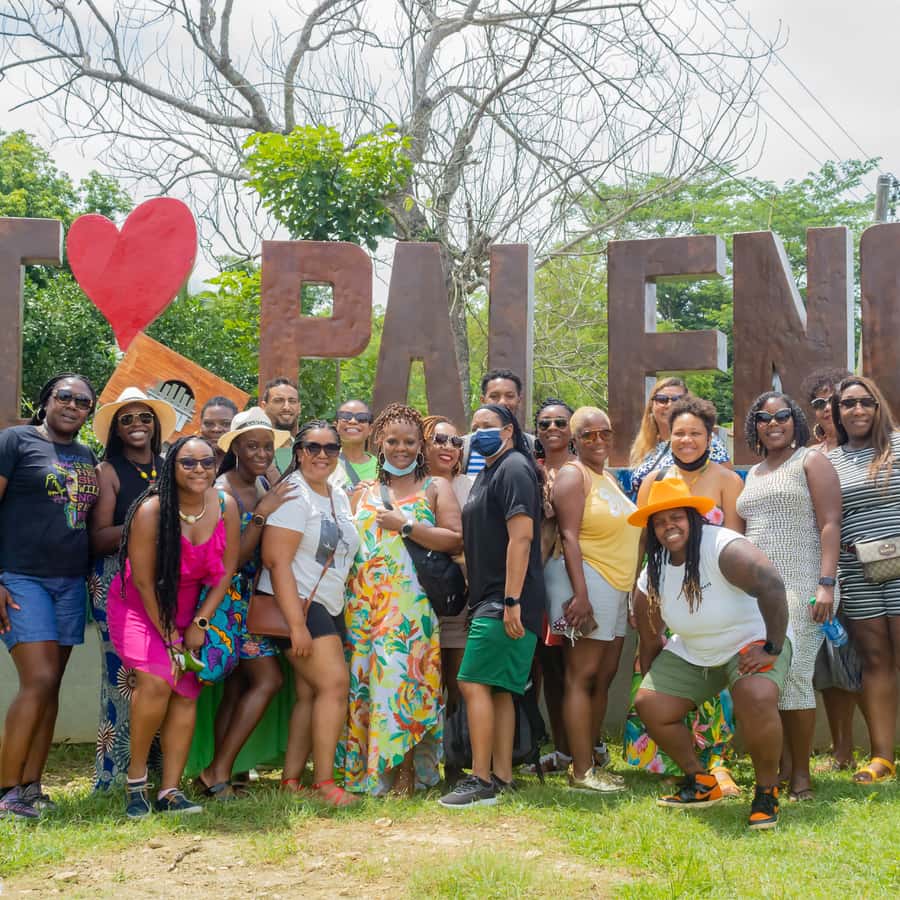
San Basilio de Palenque sits in Bolívar, about 50 km southeast of Cartagena, and it feels like a different Colombia the moment you arrive. This town was founded in the 17th century by Afro-Colombians who escaped slavery during the colonial period, and that origin shapes everything you’ll notice: language, celebrations, and how people talk about liberty.
What makes this day trip worthwhile is the way it turns history into daily life. You do not just read about freedom movements, you connect names like Benkos Biohó to the community and you hear why the Cimarrones movement mattered. That context makes Palenque’s culture feel lived-in, not staged.
The 6-hour structure, small group pace, and how you’ll spend your time
The tour runs about 6 hours total, which is just enough time to see the main story beats without turning it into a marathon. Most of your day is built around the drive and walking time in town, then you finish with lunch and an optional show.
Because it is a small group capped at 10, you typically get more guide time than on big buses. You’ll also be moving at a human pace, with stops planned around explanation and photo moments. Do not expect museum-style sitting; this is a walking-and-talking day.
Pickup is optional, and you can be collected from your hotel, hostel, or Airbnb. That matters because Cartagena traffic can add stress, and a direct pickup and roundtrip transportation makes the day simpler.
Starting in the cultural center: history you can hear, not just read
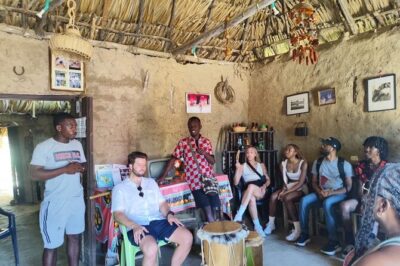
Your visit begins with a local guide and time around the town’s cultural center. This is where the day earns its depth. The guide frames Palenque’s foundation, development, and significance, so when you walk through later landmarks, you understand what you are looking at.
This is also where Palenque language enters the experience. You’ll learn about Palenquero language, including origins and how the community uses local slang. Even if you only catch a few phrases, it changes your time in town because you start recognizing how people communicate their identity.
A practical tip: pay attention to how the guide pronounces the Palenquero words. The language lesson is not just for trivia; it’s a way to slow you down and help you notice culture as something people use every day.
Benkos Biohó plaza and the Cimarrones movement, explained through landmarks
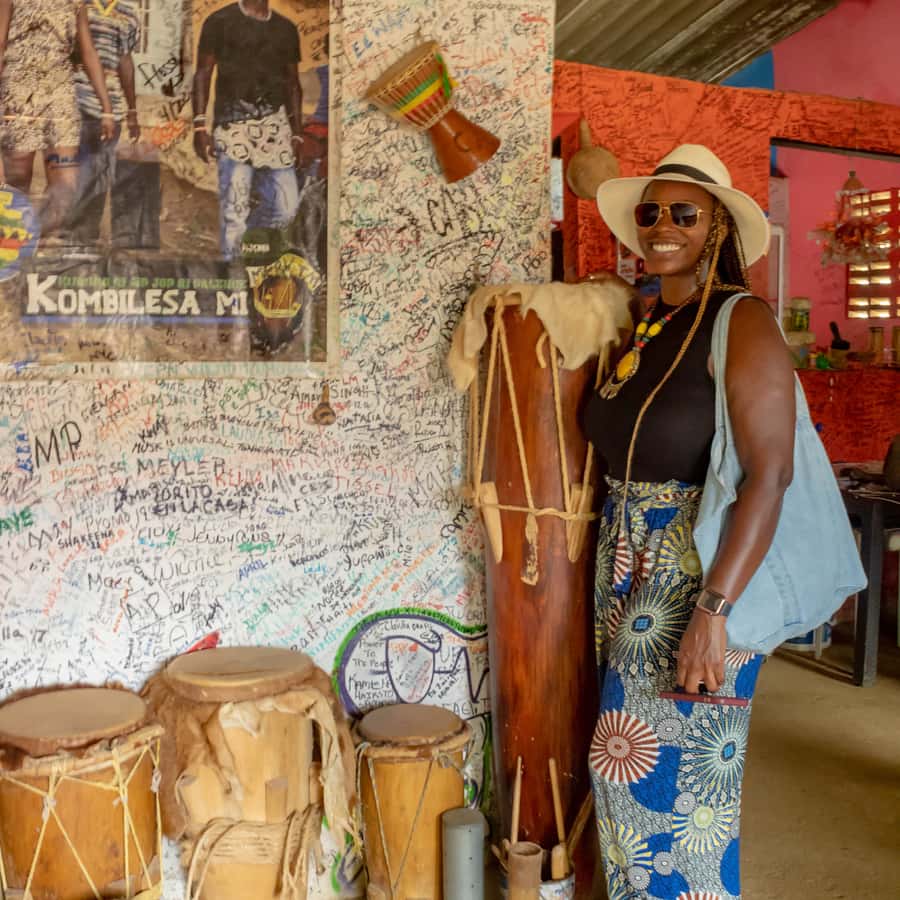
One of the core anchors of the tour is the connection to Benkos Biohó, including a stop near Benkos Biohó plaza. This is where the story becomes more than background. The guide links the founding of Palenque to resistance and escape, then connects it to the Cimarrones movement, which represents communities that fought for survival and freedom.
What I like about this approach is that it does not leave you with a vague timeline. You walk past important points and the guide stitches together cause and effect: colonial oppression, flight from slavery, and then a community that endured and developed its own culture.
If you enjoy history but get bored by lectures, you’ll probably appreciate this format. The walking keeps your attention. The landmarks help the story stick.

Palenquero language, local slang, and a few phrases you may hear
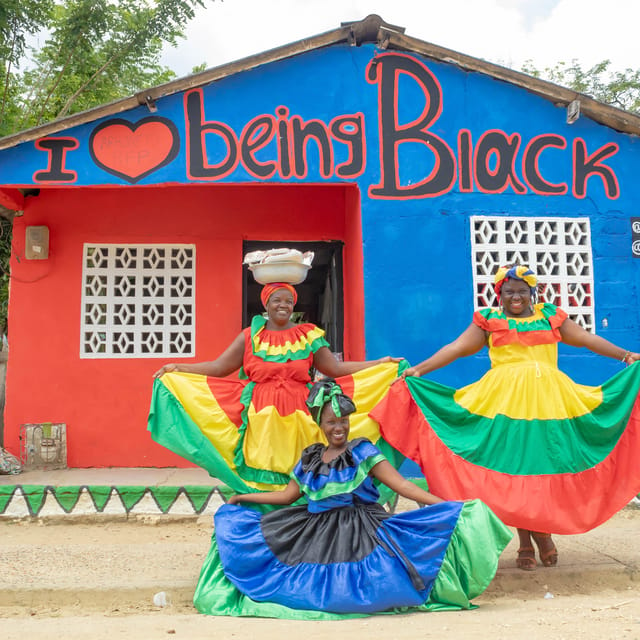
The tour specifically includes a section on Palenquero language and useful phrases, and that is one of the most memorable parts for many people. Language is not just words here. In Palenque, it’s identity, a living blend influenced by African, Indigenous, and Spanish roots.
From the experience details, you can expect the guide to share origins and local slang, then give you phrases that fit real conversations. I also like the way a phrase can become a souvenir without turning into a shopping trip. One example that shows up in the culture is Ata uto bega, which you might hear during the visit.
Tip for you: if you hear a phrase you cannot repeat, ask the guide to say it once more. That small moment helps you leave with something usable and respectful.
Music, instruments, dances, and how rhythm tells the story
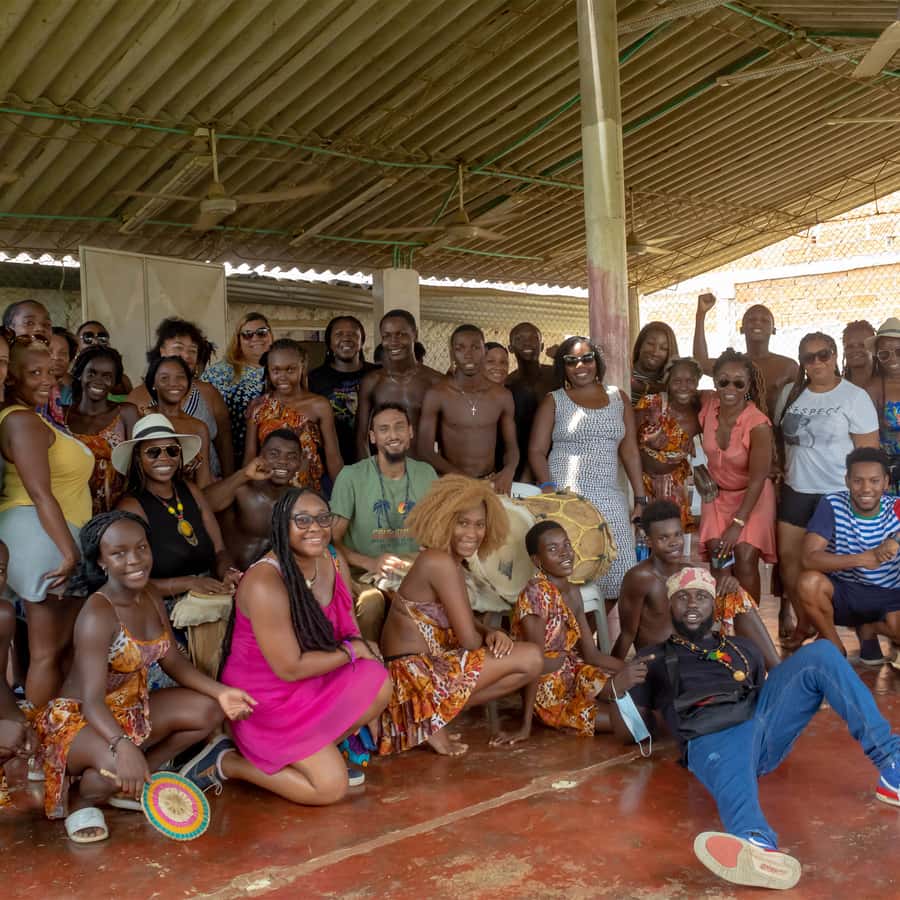
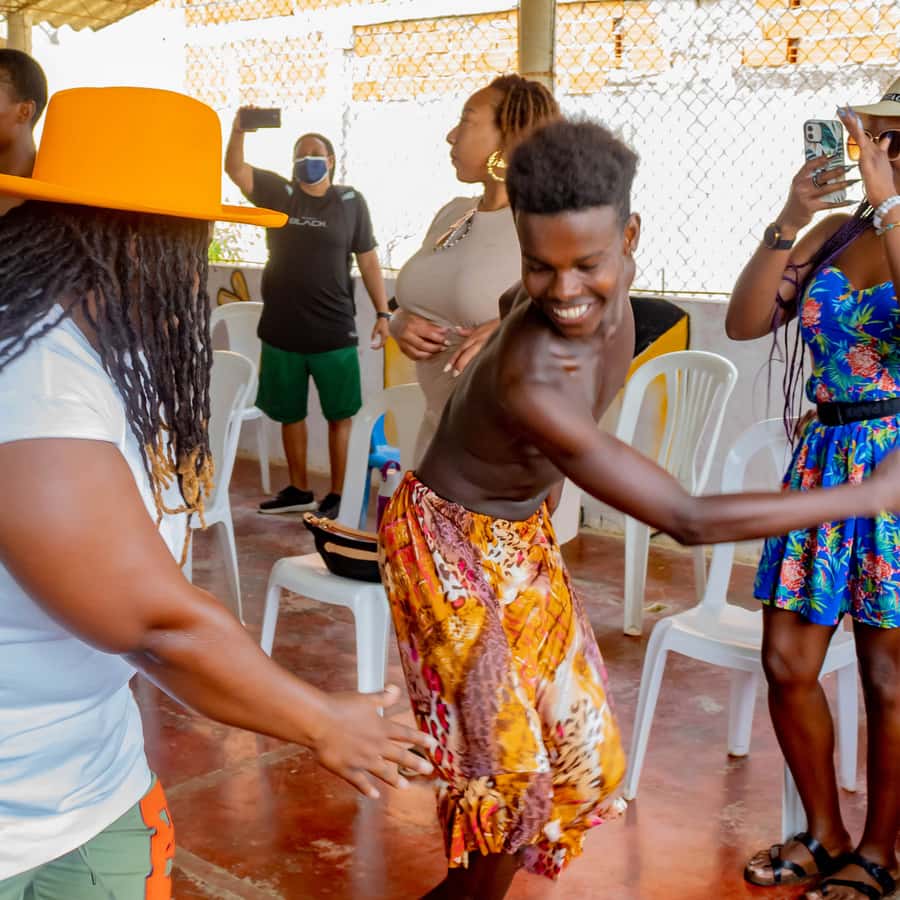
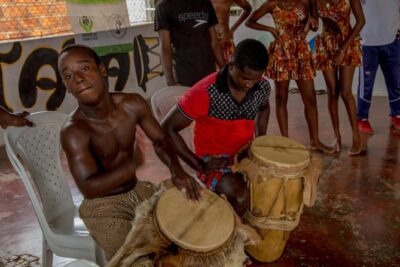
A big part of Palenque culture is music and dance, and this tour points you toward the reasons behind the sound. You’ll learn about music influence, local instruments, and the rhythms that show up in community life.
One of the best things about this portion is that it does not feel like an add-on. The guide ties the music to African heritage and to the resilience of the community. You get context for why certain instruments and dances are meaningful, instead of only seeing performances.
You might also get a hands-on moment depending on timing. Some tour flows include brief drumming sessions at a local studio, which is a great way to understand the rhythm without needing to be a musician.
African hairstyles and the idea of a hidden map toward liberty
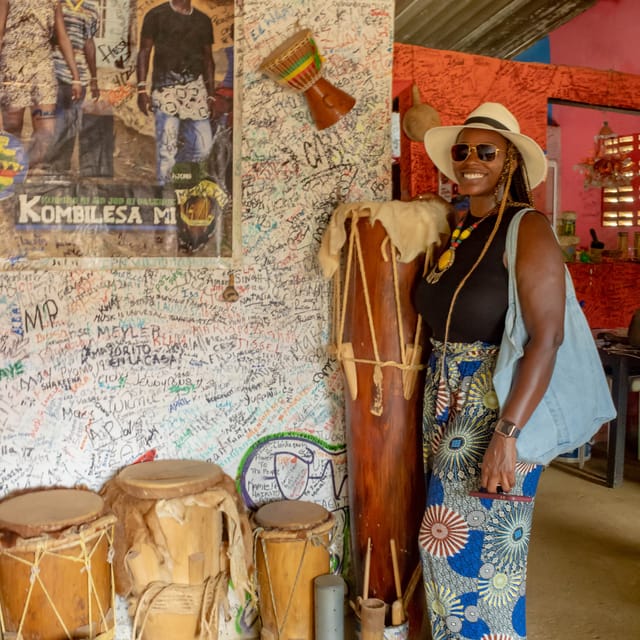
This part sounds poetic, but it’s also grounded in what the guide points out. The tour includes African hairstyles and the concept of a hidden map toward liberty. In practice, that means the guide helps you read culture through everyday details.
For you, that can be one of those moments when you realize identity has a design. Hairstyles here are not just style. They connect to African roots, community pride, and a way of carrying history forward where it would otherwise be erased.
During your walk, look for how the guide explains meaning, then notice how people move and gather. You’ll likely feel the connection between resistance and everyday choices, like clothing, hair, and how the community claims space.
Lunch in Palenque: where the day slows down
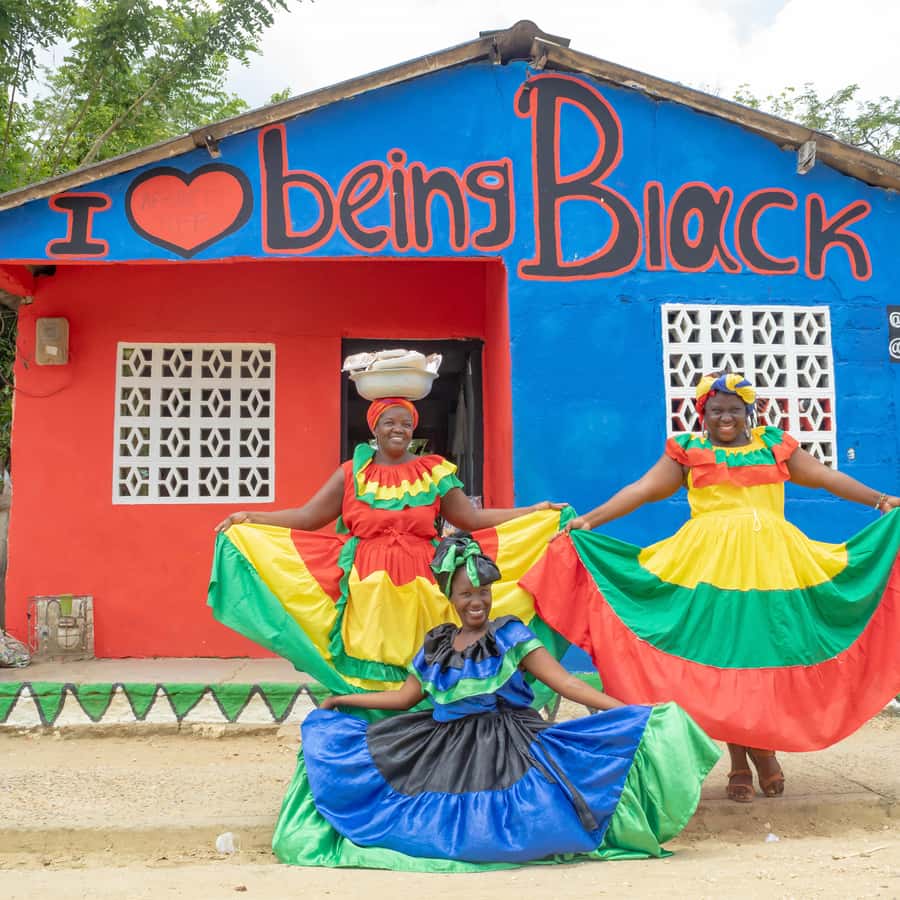
Lunch is included, and it’s one of the strongest value points on this tour. You’ll have a local meal with options like meat, chicken, or vegetarian. In real day-to-day terms, this is where you get a break from the heat and a chance to taste something you would not easily recreate back in Cartagena.
People also describe standout dishes like fish, sometimes served as mojarra or tilapia, with pepper sauce. If you prefer seafood, this is a good day to mention that you like fish when ordering. If you want vegetarian, you’ll still have a choice.
What makes lunch feel especially worth it is timing. It comes after the walking and language stops, so you go into the meal with context. You are not just eating, you’re continuing the story with your senses.
Optional African drum show: should you add it?
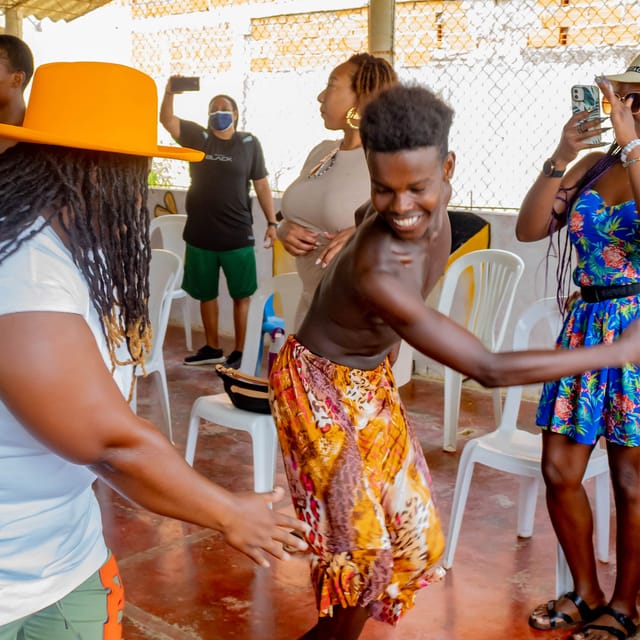
The tour offers an optional drum African show, and whether it happens depends on the option selected. Some days include performance time, and some do not, so check your exact booking option before you go.
If you love music, drum work, or you’re traveling with kids who get energy from rhythm, adding the drum show is likely the easiest upgrade. If you’re mostly after history and language, you might feel fine without it, since the town walk already includes plenty of cultural content.
Either way, I’d treat this as a choose-your-own-pace day, not a guaranteed performance package.
What to bring and how to stay comfortable in Bolívar heat
You’ll be walking outdoors, so plan for sun and sweat. Bring comfortable clothes and comfortable shoes, plus sunscreen and drinks. This is simple advice, but it matters because the day is only 6 hours, and you do not want to lose time to discomfort.
If you get sensitive to heat, consider a light hat and keep water handy. Also, if you have dietary preferences, remember lunch comes included, but your meal choice matters, especially if you are vegetarian.
Price and value: is $78 for 6 hours fair?
At $78 per person for a 6-hour day tour, this sits in a mid-priced zone for Cartagena area experiences. The value comes from what’s included: roundtrip transportation from your hotel area, a local Palenque English speaking guide, a guided town tour, and local lunch. You are also not expected to pay sudden entrance fees, since the tour states it will not take you to places with surprise extra charges.
For me, the best way to judge value here is to look at the package deal. If you tried to do Palenque on your own, you would still need transport, a guide for language and context, and time for a proper meal. This tour bundles those pieces.
Small group size matters too. Limited to 10 participants, it keeps the day from feeling like an assembly line.
If the drum show is a priority for you, verify you select the option that includes it, since that is the one area where expectations can differ day to day.
Who this tour suits best, and who might want a different plan
This is a great fit if you care about Afro-Colombian culture, community history, and the way language and music connect to identity. It’s also a strong choice if you like guided walking, because Palenque’s meaning reveals itself through place and explanation.
If you want a purely relaxing day, this might feel like a packed walk in the heat. If you need very strict consistency in guide language throughout every minute, keep in mind it is a shared tour and plans can shift slightly depending on the group setup.
For a family, it can work well because it has a mix of history, sights, and sound. One thing to remember: it is still outdoors, so bring energy snacks if you need them.
Should you book the Cartagena to San Basilio de Palenque tour?
I’d book it if you want a real connection to Palenque culture, not just a quick photo stop. The included lunch, the local guide focus, and the chance to learn Palenquero language basics make the day feel purposeful. The Benkos Biohó and Cimarrones context is the kind of explanation you can’t easily pick up from signs alone.
Choose it with your eyes open if drum performances are your main goal. Make sure you select the option that includes the drum show, or go in expecting the walking, language, music context, and lunch to be the main payoff.
If you are spending time in Cartagena and you want one day that changes your understanding of Colombia, this is one of the most direct ways to do it.
FAQ
Where is San Basilio de Palenque located?
San Basilio de Palenque is in Bolívar, Colombia, about 50 kilometers southeast of Cartagena.
How long is the tour?
The tour duration is 6 hours.
What does the tour include?
It includes roundtrip transportation from your hotel (pickup optional), a local Palenque English speaking tour guide, a tour in Palenque town, and a local lunch with meat, chicken, or vegetarian options. There is also an optional African drum show depending on your selected option.
What languages is the guide available in?
The tour provides live guidance in English and Spanish.
Is the group size small?
Yes. The tour is a small group limited to 10 participants.
Is the tour wheelchair accessible?
Yes, it is listed as wheelchair accessible.
What should I bring?
Bring comfortable clothes, drinks, sunscreen, and comfortable shoes.
FAQ
How much does it cost and is lunch included?
It costs $78 per person, and local lunch is included.
Is free cancellation available?
Yes, you can cancel up to 24 hours in advance for a full refund.
Can I pay later?
Yes, you can reserve now and pay later.
The Rest of Our Cartagena Reviews

Everything Else We Reviewed in Cartagena
Palenque Tells Its Own Story
Just added to our Cartagena shelf
- White Night Boat Party: Dinner Buffet, Dancing and Open Bar
★ 4.6 · 3 reviews - The best sunset tour in the bay: Open bar party & fun
★ 5.0 · 3 reviews - Tayrona Park adventure in Santa Marta: Cabo San Juan from Cartagena
★ 3.8 · 3 reviews - Cartagena: Rosario Islands Private Boat Tour
★ 4.8 · 3 reviews - Mud Volcano Tour in Cartagena with Lunch
★ 3.4 · 3 reviews
Palenque Afro-Colombian Heritage, compared.
 ★ 4.7Cartagena: Palenque´s tour, dance show, lunch, pick-Up incluFrom $112182 reviews
 ★ 5.0Tour a san Basilio de Palenque desde cartagenaFrom $110123 reviews
 ★ 4.5Cartagena: Palenque Tour and Road to EmancipationFrom $10883 reviews
 ★ 5.0Mud Volcano and Palenque Cultural ExperienceFrom $22561 reviews
 ★ 5.0Visit Palenque with natives : history, culture and ancestral legacyFrom $10253 reviews
 ★ 5.0Tour cultural to san Basilio de Palenque from cartagenaFrom $9945 reviews
 ★ 5.0Private Tour with Certified Guide of San Basilio De PalenqueFrom $13037 reviews
 ★ 5.0Visit San Basilio de Palenque with a NativeFrom $11535 reviews
Where else this tour turns up