
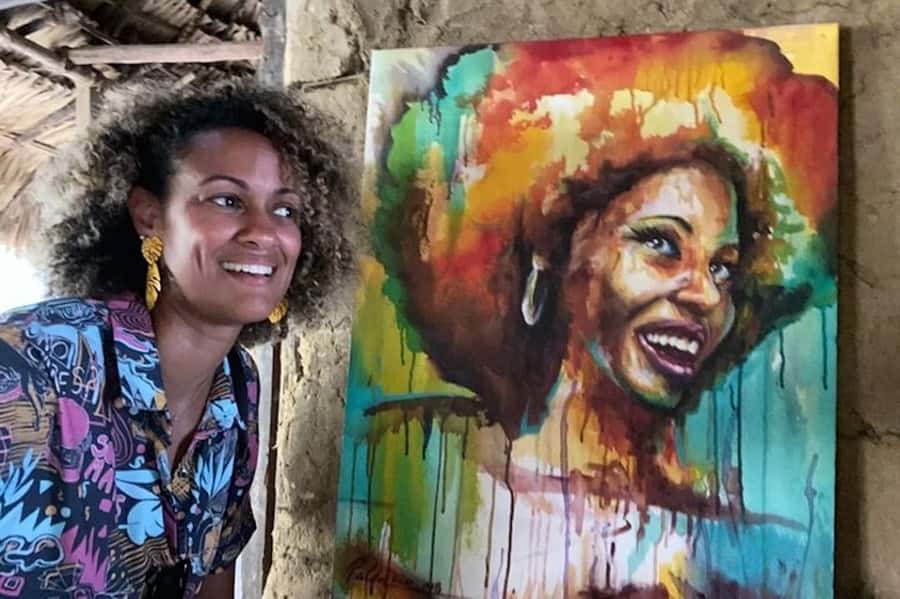
REVIEW · PALENQUE AFRO-COLOMBIAN HERITAGE
Cartagena: Palenque Tour and Road to Emancipation
Cartagena to Africa roots, in one day. The Palenque: Palenque Tour and Road to Emancipation experience takes you out of the tourist bubble and into San Basilio de Palenque, a community that has held onto its identity for more than 400 years, with dance, music, and history taught in a real, lived-in way.
Two things I love about this tour are how hands-on it is, especially the drumming and dance show where you can clap, move, and learn steps, and how the visit goes beyond a quick photo stop by including Bantu language words connected to Guinea and Congo.
The main drawback to plan for is time. Pickup is spread across Cartagena, so you should bring patience if your door-to-door schedule feels slower than expected, and you will spend a chunk of your day on the road.
In This Review
- Key things to know before you go
- Why San Basilio de Palenque feels different than other day trips
- Road to Emancipation, from Cartagena pickup to Palenque reality
- Town square and Palenque Viejo: what each stop adds
- Drums, dance, and Bantu language words you can carry home
- Traditional medicine: respectful context, real community knowledge
- Lunch in Palenque: the food break that actually earns its place
- Photo stop at Palenquito and how to handle the midday sun
- Price and Logistics: Is $108 worth it?
- Guides who make the day click: Romeo, Damaso, and more
- Should you book this Palenque tour from Cartagena?
- FAQ
- How long is the Cartagena to Palenque tour?
- What does the tour cost?
- Where does pickup happen in Cartagena?
- What language is the tour guide speaking?
- What is included in the price?
- What will I do during the Palenque visit?
- Is lunch included, and what kind of food is it?
- Is there free cancellation and reserve now, pay later?
- Is there a photo stop?
Key things to know before you go
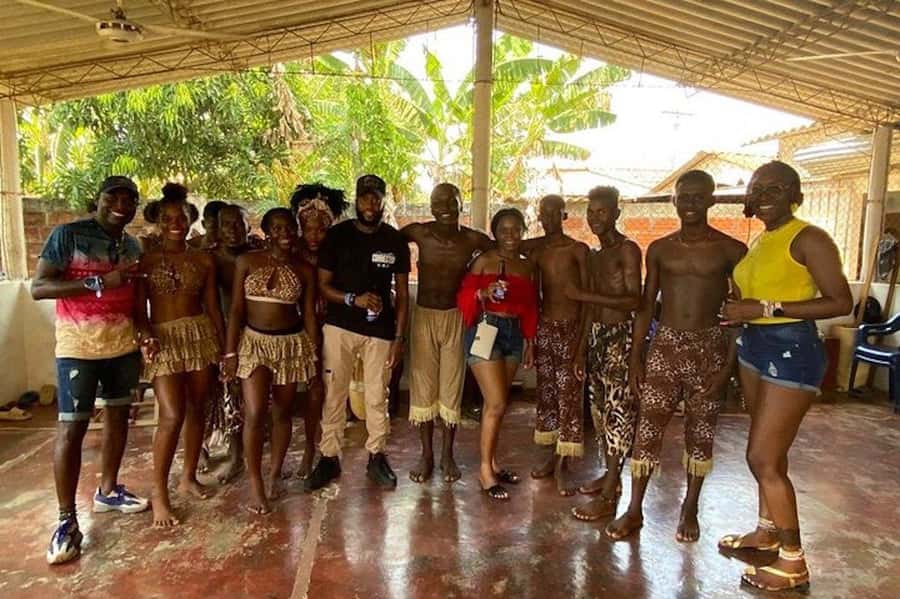
- You get more than a history lecture, you get dance, rhythm, and participation.
- A native bilingual guide teaches words linked to the Bantu language of Guinea and Congo.
- Stop-by-stop context includes the town square, Kombilesa mi house, a folkloric rap group, museum house, Palenque Viejo, and traditional medicine.
- The dance show is designed for interaction, including drum participation and learning steps.
- Lunch is part of the deal, served as a delicious typical palenquero dish.
- Photo time is built in, including a quick stop for YO AMO A PALENQUE letters.
More of Palenque, told by the town itself
- Cartagena: Palenque´s tour, dance show, lunch, pick-Up inclu★ 4.7 · 182 reviews
- Tour a san Basilio de Palenque desde cartagena★ 5.0 · 123 reviews
- Cartagena: Palenque Tour and Road to Emancipation★ 4.5 · 83 reviews
- Mud Volcano and Palenque Cultural Experience★ 5.0 · 61 reviews
Why San Basilio de Palenque feels different than other day trips
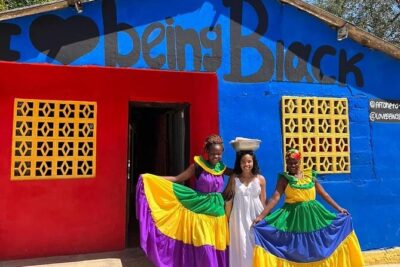
Most Cartagena tours feel like a highlight reel. This one feels more like a guided introduction to a living culture, one with deep roots in the story of African descendants in Colombia. You are not just watching from the sidelines. The rhythm and the language lessons push you to pay attention with your whole body.
San Basilio de Palenque is often described as a corner of Africa in Colombia, and the tour leans into that idea with activities that are hard to fake. You play drums during the dance part. You learn a few words connected to the Bantu tradition from Guinea and Congo. You also hear history tied to the first free people of America, which matters because Palenque is not just a museum setting. It is a community.
The best part for me, as a reader picking a tour, is that the stops are specific. You do not just drive by murals and call it culture. You visit places like Palenque Viejo and you stop for traditional medicine, so the day covers heritage in more than one form.
If you want a day trip that connects music, language, and historical context without turning the community into a stage, this is the right shape of experience.
Road to Emancipation, from Cartagena pickup to Palenque reality
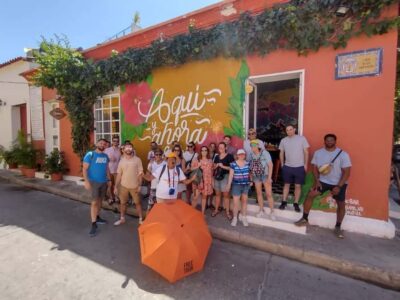
Your day starts early-ish, with pickup built around where you stay. If you are in the historic center, pickup is at 8:00 am at the Clock Tower. If you are in Bocagrande, Castillo Grande, or Laguito, pickup is between 8:20 am and 8:45 am. If you are in Marbella, Cabrero, Crespo, Cielo Mar, or any hotel in the northern zone or Manzanillo del Mar, pickup is between 8:30 am and 9:00 am. If you are in Manga and Barú, you need to be at the Clock Tower at 8:00 am.
That spread is the main reason the day can feel long. You are collecting multiple stops around Cartagena, and that adds time before you even reach Palenque. A few people noted the pickup process takes longer because lots of guests are gathered from different areas, so plan to be calm, bring water, and set expectations that this is a drive day plus cultural programming.
Once you leave Cartagena, the road is part of the transition. You go from the coastal city pace into a different rhythm. When you arrive, the tour immediately shifts into participation mode, so you do not just sit through time. The first moments are structured to wake up your attention: music, drumming, and guide-led explanations.
Duration is listed as 6 hours overall, with the Palenque portion timed at about 5 hours. Either way, this is a half-day commitment where you want comfortable clothes and shoes you can move in during the dance segment.
Town square and Palenque Viejo: what each stop adds
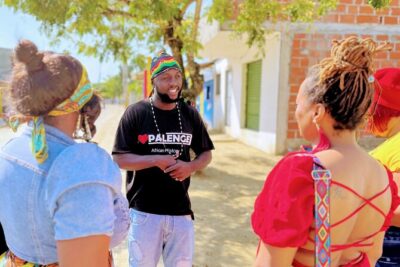
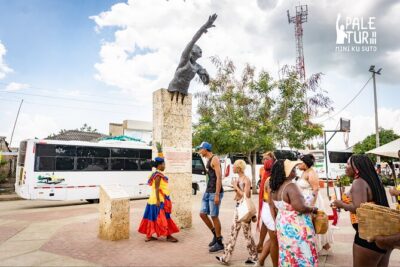
The Palenque visit is built around a sequence of meaningful locations, not random stops. You start with the town square, which is where community life becomes visible fast. This is a good place for your brain to switch gears from tourist mode into cultural mode, because square spaces tend to show how people gather and communicate.
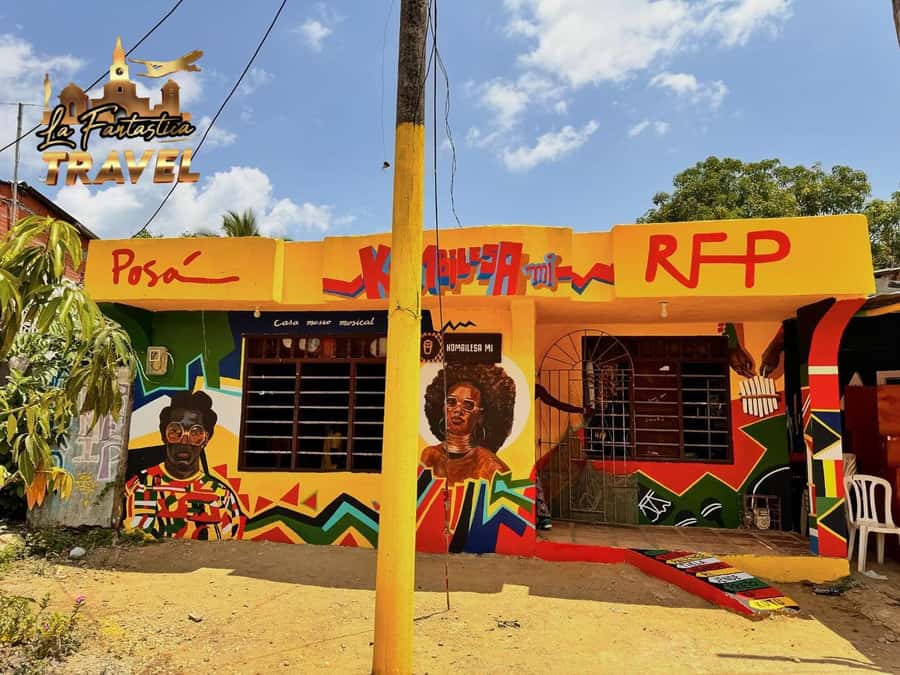
From there, you go to the house of Kombilesa mi, described as a key folkloric stop. You also visit a folkloric rap group there. That detail is important. It signals that Palenque culture is not only preserved through older traditions. It also lives through modern forms that still carry identity.
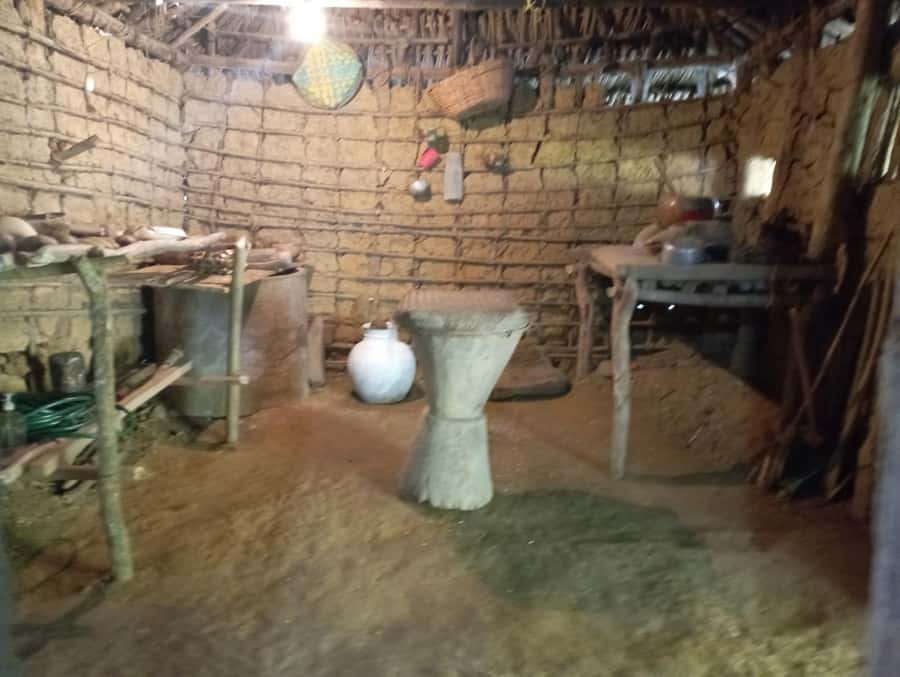
Next is the museum house. Even without going too formal, this stop helps you connect the story you are hearing to objects, storytelling, and context. Then you head to Palenque Viejo, which is where the heritage feels more grounded in place and time.
Finally, you stop for traditional medicine. This is one of those parts of the day that can surprise first-time visitors, because it moves beyond dance and history into daily-life knowledge. You get a look at how healing traditions connect to community memory and how knowledge is passed down.
Across these stops, the tour also frames Palenque’s history honestly, including the sensitive topic of slavery. The way this is handled matters, because it keeps the story from feeling sanitized or simply celebratory. You get both resilience and reality, presented as part of the community’s experience.
Drums, dance, and Bantu language words you can carry home
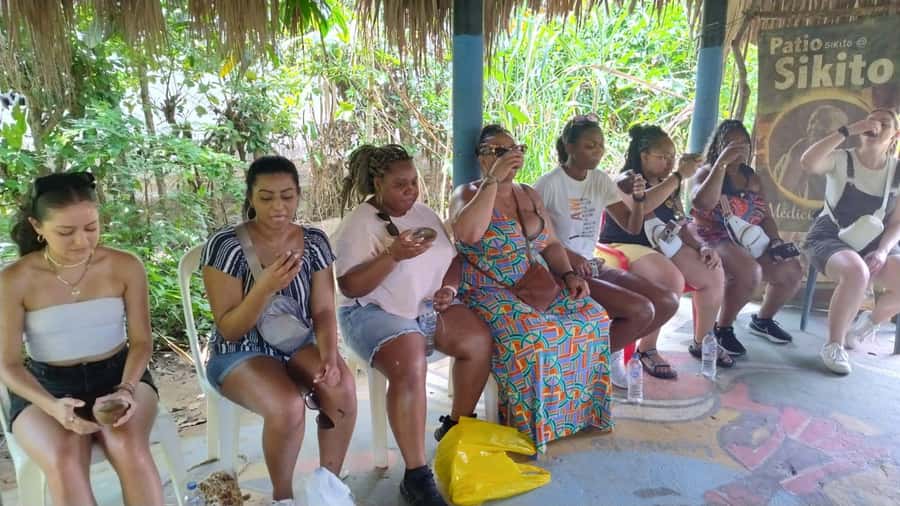
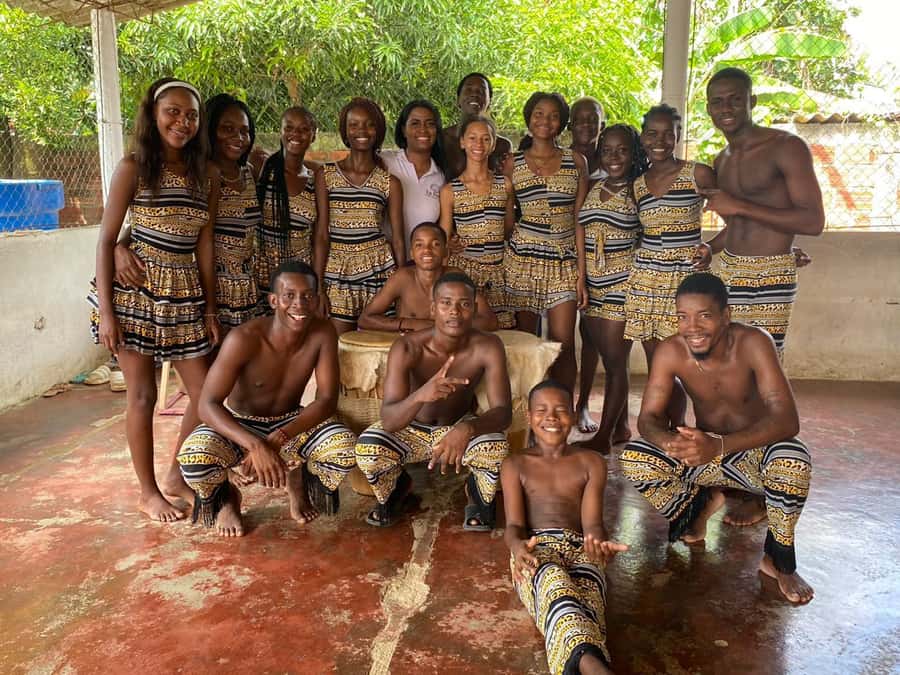
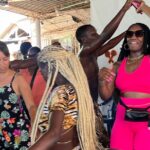
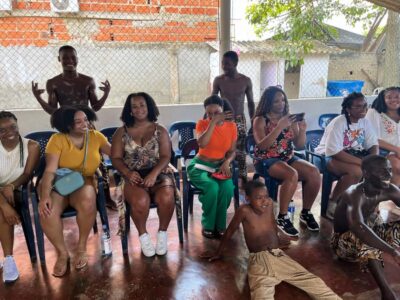
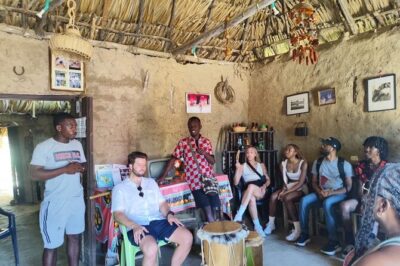
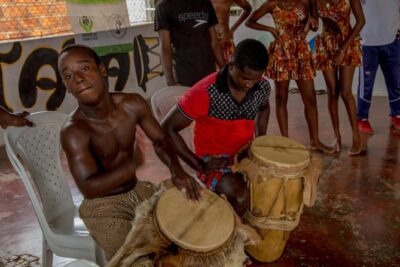
The tour’s headline skill is rhythm. There is a dance show where you are not just watching. You join in, and you even play drums as part of the program. If you have energy, it rewards you. If you are shy, it still works because the flow is guided and repeatable, and the goal is participation, not performance perfection.
The dance is tied to cultural learning. The tour includes instruction on traditional dance steps, taught in a way that lets you follow along. Multiple guides get mentioned across groups, including Romeo, and people speak highly of how the day feels when the guide keeps things lively and moving.
Language is the other standout. During the tour, a native bilingual guide teaches you some words in the Bantu language of Guinea and Congo. Even if you only remember a few, you leave with something concrete. You can point to a word or phrase and connect it directly to what you saw and heard in Palenque, rather than treating the experience like a show.
One extra tip for this part: bring a positive attitude toward participation. This is not a stiff museum day. Wear something breathable, and plan to laugh at yourself a little when your timing is off. That is where the cultural connection happens.

Traditional medicine: respectful context, real community knowledge
The traditional medicine stop is more than a side attraction. It is one of the few moments on this tour where you feel how heritage works as a living practice, not only a past event.
During this stop, you learn from people who know the topic, typically through direct explanation and local guidance. The goal is not to turn it into a science class. It is to show the role of curanderos and herbal knowledge in the community, and why passing it down matters.
Some tour experiences include shopping or extra add-ons, but here you should be ready for education more than retail. One review mentioned wishing they could purchase a tonic or tincture, which suggests the practical items might not always be what you expect. If you want souvenirs, keep your expectations flexible and ask what is available on the day.
The best way to approach this stop is with curiosity plus respect. If you ask questions, keep them grounded in what you saw and what the guide explains. This is not the time to argue cultural practices against modern assumptions. You are here to understand how knowledge serves the community.
Lunch in Palenque: the food break that actually earns its place
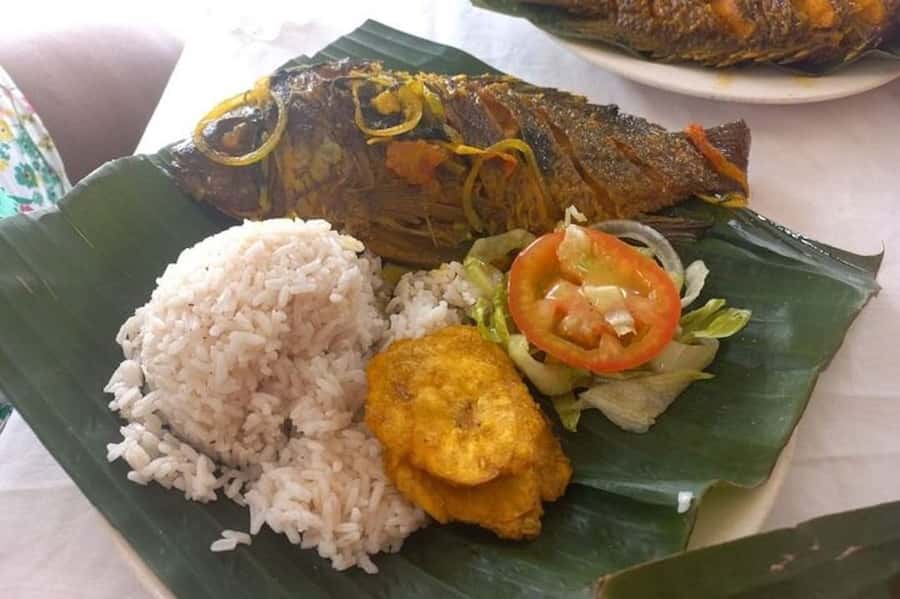
Lunch is included, and it is not an afterthought. The tour ends the Palenque segment with a delicious typical palenquero dish served as part of the experience.
What should you look for? In reviews, some people mentioned dishes such as fish cooked in coconut milk and chicken, plus drinks made with sugar cane juice. Those specific items suggest the lunch can be flavorful and local rather than generic. Even if your exact plate varies, you can expect a real palenquero style meal, not a cafeteria solution.
Because the day includes drumming, walking, and dance, lunch is also practical. It gives you energy for the return drive and keeps the day from turning into a hungry, cranky checklist.
One small travel tip: eat like you plan to be out for a while. This is a half-day that stretches due to pickup and logistics, so do not skip lunch expecting to grab something later.
Photo stop at Palenquito and how to handle the midday sun
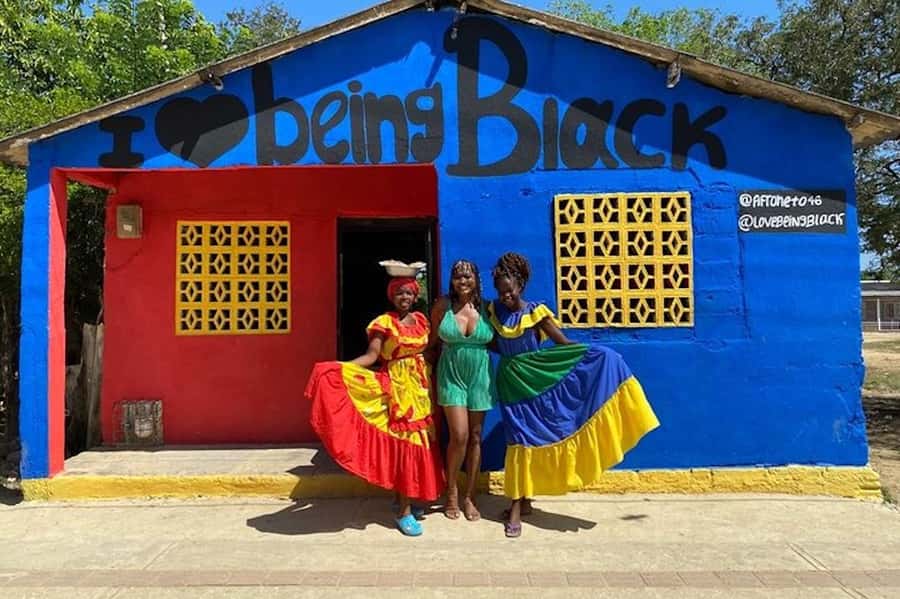
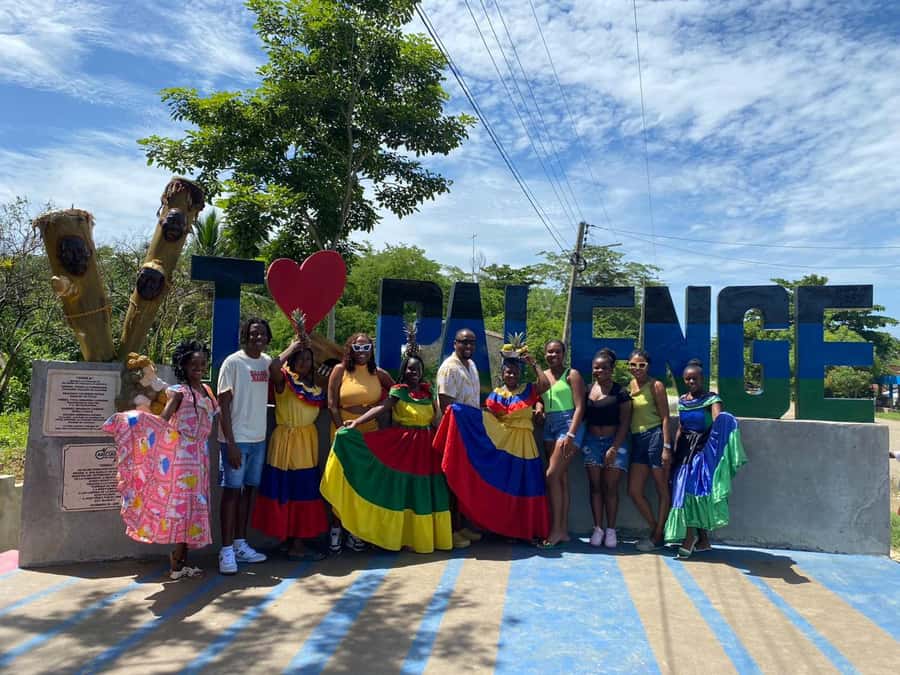
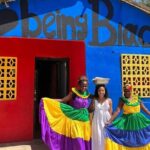
After lunch and the Palenque programming, you get a short stop for photos in the letters of YO AMO A PALENQUE. It is quick, but it is useful. It gives you a clean moment to get a photo that ties your trip together visually.
Then you head back toward Cartagena. On a hot day, this return matters. One review mentioned umbrellas were provided for people who did not bring one when it was hot and sunny. That is a nice detail to remember. Still, I would rather you pack your own basics too: sunscreen, water, and a hat.
For this kind of cultural day, it is also smart to bring a little cash for tipping. Some people strongly encouraged having tip money for performers and local guides, especially the dancers and artisans who do a lot of the on-the-ground teaching. If you join the dance, they notice. A small tip is one way to say thank you.
Price and Logistics: Is $108 worth it?
At $108 per person for about 6 hours, this tour sits in the mid-range for Cartagena excursions that go beyond city walls. The value is not only the ride to Palenque. It is what you get once you arrive: dance participation, Bantu language words, multiple cultural stops, and lunch.
You should also know what you are paying for. Several people felt the day was worth it because it combined history, culture, and a real meal, and because the guide approach made it feel connected rather than staged. The sensitivity around slavery was also highlighted as handled honestly, which is hard to measure until you are on a tour that does it well.
That said, one review thought the activity was expensive for what it is. That usually comes from one of two things: a mismatch in expectations (wanting more time at fewer stops) or feeling like transportation and pickup eat into your day. If you are hoping for a slower pace with plenty of free time to wander, this may feel structured.
My practical take: if you want a guided, participation-based cultural visit to Palenque with lunch included, the price makes sense. If you mainly want independent time and are sensitive to long pickup delays, you may feel the squeeze.
Guides who make the day click: Romeo, Damaso, and more
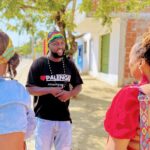
A big part of this tour’s reputation comes from how the guiding works with local specialists. Many groups mention Romeo as a standout guide, and people also mention Damaso as a local apprentice tour guide. You also see other names pop up in group experiences, like David and Andres, plus others for certain dates.
What I like about this structure is that the tour experience is not only a bus guide explaining facts. The dancers, artisans, and herbalist or curandero voices matter in the day’s flow. That is why people leave feeling like they met the people, not just the sites.
If you get Romeo or a similar energetic lead, expect a day that moves, explains clearly, and keeps the cultural tone respectful.
Should you book this Palenque tour from Cartagena?
Book this tour if you want a half-day that connects dance, language, and history in a real community setting. It is a strong choice for anyone interested in African heritage and the roots of Palenque, and for travelers who learn best by doing, not just by listening. If you are the type who likes to ask questions during a cultural stop and you enjoy rhythm and participation, you will likely have a great time.
Skip it, or choose carefully, if you hate long pickup schedules and you dislike structured itineraries with limited free time. Also, consider your comfort with heat and movement during the interactive dance portion.
If your goal is to understand Palenque as a living community with a story that includes joy and painful history, this is a very sensible way to do it from Cartagena, with lunch included and a guide team that keeps things human.
FAQ
How long is the Cartagena to Palenque tour?
The tour duration is listed as 6 hours, with about 5 hours in Palenque activity.
What does the tour cost?
The price is $108 per person.
Where does pickup happen in Cartagena?
Pickup is at the Clock Tower for guests staying in the historic center at 8:00 am. For Bocagrande, Castillo Grande, and Laguito, pickup is between 8:20 am and 8:45 am. For Marbella, Cabrero, Crespo, Cielo Mar, and hotels in the northern zone and Manzanillo del Mar, pickup is between 8:30 am and 9:00 am. Guests in Manga and the island of Barú should arrive at the Clock Tower at 8:00 am.
What language is the tour guide speaking?
The tour is offered with a live guide in Spanish and English.
What is included in the price?
It includes an air-conditioned vehicle, private transportation, a native bilingual guide, the dance show, lunch (almuerzo), bottled water, and typically everything connected to the Palenque visits.
What will I do during the Palenque visit?
You visit the town square and key community stops, including the house of Kombilesa mi, a folkloric rap group, the museum house, Palenque Viejo, and traditional medicine. You also join a dance show where you learn steps and play drums, and you get Bantu language words taught by the guide.
Is lunch included, and what kind of food is it?
Lunch is included and is a typical Palenquero dish. Specific lunch items can vary by day, but local food like fish or chicken and sugar cane based drinks have been mentioned.
Is there free cancellation and reserve now, pay later?
The tour offers free cancellation up to 24 hours in advance for a full refund. It also has a reserve now, pay later option, so you can book without paying immediately.
Is there a photo stop?
Yes, there is a brief stop in Palenquito to take pictures in the letters of YO AMO A PALENQUE.
The Rest of Our Cartagena Reviews


Everything Else We Reviewed in Cartagena

Palenque Tells Its Own Story
Just added to our Cartagena shelf
- White Night Boat Party: Dinner Buffet, Dancing and Open Bar
★ 4.6 · 3 reviews - The best sunset tour in the bay: Open bar party & fun
★ 5.0 · 3 reviews - Tayrona Park adventure in Santa Marta: Cabo San Juan from Cartagena
★ 3.8 · 3 reviews - Cartagena: Rosario Islands Private Boat Tour
★ 4.8 · 3 reviews - Mud Volcano Tour in Cartagena with Lunch
★ 3.4 · 3 reviews
Palenque Afro-Colombian Heritage, compared.
 ★ 4.7Cartagena: Palenque´s tour, dance show, lunch, pick-Up incluFrom $112182 reviews
 ★ 5.0Tour a san Basilio de Palenque desde cartagenaFrom $110123 reviews
 ★ 5.0Mud Volcano and Palenque Cultural ExperienceFrom $22561 reviews
 ★ 5.0Visit Palenque with natives : history, culture and ancestral legacyFrom $10253 reviews
 ★ 4.4From Cartagena: San Basilio de Palenque TourFrom $7849 reviews
 ★ 5.0Tour cultural to san Basilio de Palenque from cartagenaFrom $9945 reviews
 ★ 5.0Private Tour with Certified Guide of San Basilio De PalenqueFrom $13037 reviews
 ★ 5.0Visit San Basilio de Palenque with a NativeFrom $11535 reviews
Where else this tour turns up