
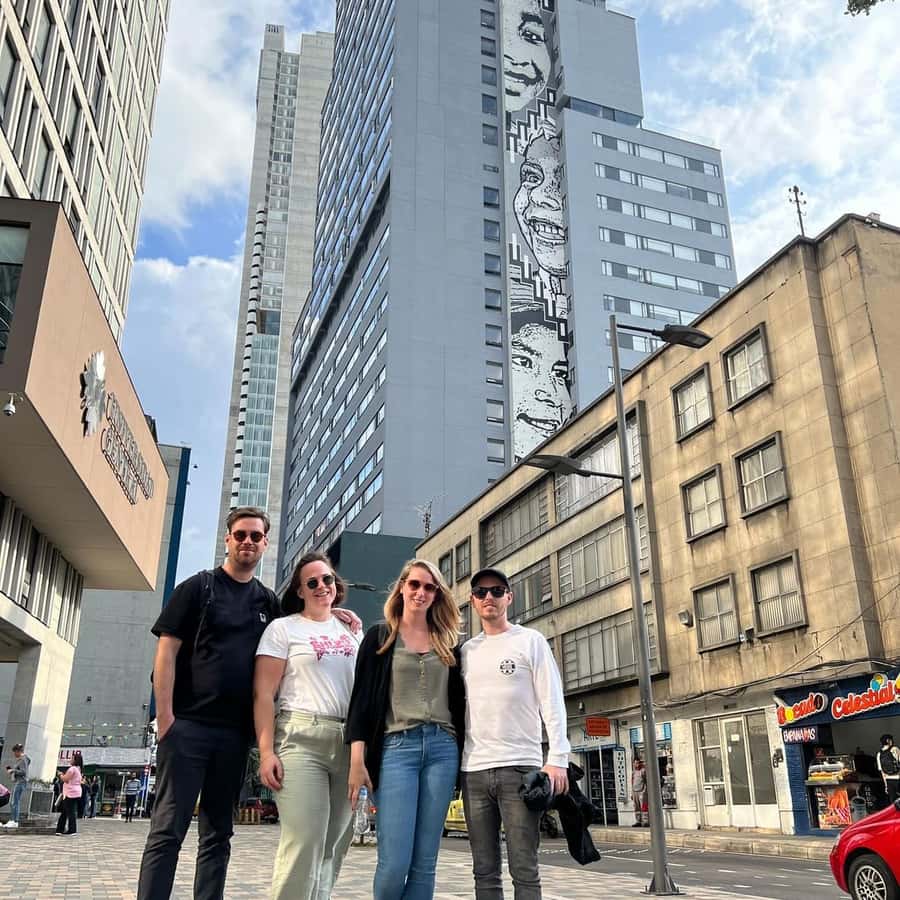
REVIEW · COMUNA 13 & GRAFFITI STREET ART WALKS
Bogotá: Graffiti Tour el mejor recorrido de arte urbano
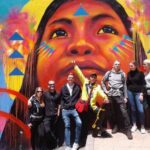
Bogotá has a second language, street art. This 2-hour walk helps you read that language on the streets, with a guide who connects murals to the Bogotá graffiti movement and its ties to Colombian history.
I love how the route turns walls into a story, not just photos. I also love the human touch from guides such as Lifred, Ivonne, Yvonne, Giovanni, Luis, Christian, and Fabian, who bring clear explanations and make time for questions.
One thing to consider is that it is a city walking tour. You’ll spend a couple of hours on your feet, so plan for street-level uneven sidewalks and weather.
In This Review
- Key highlights before you go
- Price, meet-up point, and timing that actually works
- What you’re really doing: reading Bogotá through walls
- The walk itself, step by step, and what each part teaches
- Guides that make or break a street tour, and why this one scores high
- The social side of urban art in Bogotá
- What you’ll learn, even if you think you already know graffiti
- Comfort tips for a smooth street-walk
- Is it worth $13 for two hours?
- Who should book this tour
- Should you book the Bogotá graffiti tour?
- FAQ
- Where is the meeting point for the Bogotá graffiti tour?
- How long is the tour?
- How much does the tour cost?
- What time does the tour run?
- What language is the guide?
- Is the tour wheelchair accessible?
- Is there free cancellation?
- Can I reserve now and pay later?
- Is there a private tour option?
- How do I contact the provider for reservations?
Key highlights before you go
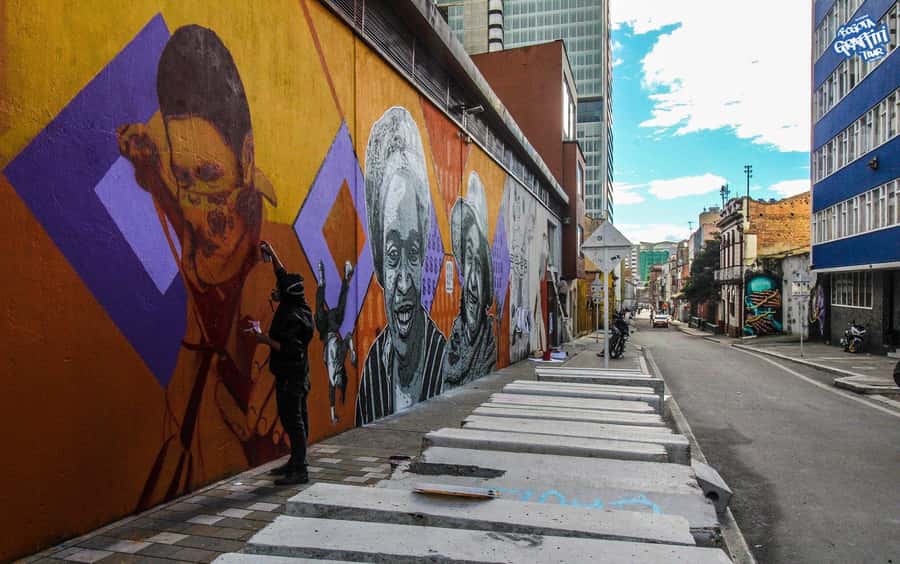
- Start in Parque de los Periodistas and get your bearings fast before the walk begins
- 2-hour city art story focused on artists, the movement, and its relationship to Colombian history
- Guides that teach as they walk, including street art basics and how to look for details
- Social process angle, showing graffiti as a tool for appropriation and change in at-risk communities
- Small-price, high-value format for an English guided experience at $13 per person
Other guided walks through the painted stairways
- Bogotá: La Candelaria Graffiti & Urban Art Guided Tour★ 4.7 · 250 reviews
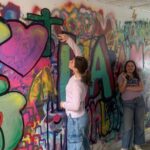
- Fun Graffiti Workshop: The Art of Aerosol and Color★ 5.0 · 73 reviews
- Graffiti Tour in La Candelaria Bogotá with Transportation★ 5.0 · 68 reviews
- Bogotá: Graffiti Tour el mejor recorrido de arte urbano★ 4.7 · 41 reviews
Price, meet-up point, and timing that actually works

For $13 per person, this is one of those deals where you pay for a guide’s perspective, not just access to a few murals. The tour runs about 2 hours, with scheduled windows listed around 10:00am to 12:30pm and 2:00pm to 4:30pm, so you can pair it with lunch or an afternoon plan.
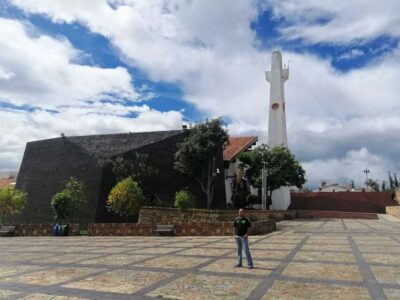
Meet your guide at Parque de los Periodistas in Bogotá. That matters more than you might think. Starting in a known public place helps you avoid the first-ten-minutes chaos that can happen on street tours.
If you like flexibility, this operator offers reserve now and pay later. There is also free cancellation up to 24 hours in advance for a full refund, which is handy when Bogotá weather or your schedule shifts.
Accessibility is listed as wheelchair accessible, which is great. Still, remember this is a walking experience, so pace and comfort will depend on the streets around the route.
What you’re really doing: reading Bogotá through walls
The tour is framed as a walk through the city’s walls. You’re not just looking at graffiti as decoration. You’re learning how the Bogotá graffiti movement formed, who shaped it, and how it connects to broader Colombian history.
The key word here is story. The guide explains why certain styles show up where they do, and how artists use public space to communicate. You’ll also get a sense of how the movement developed over time, not as a random trend, but as something tied to culture, identity, and public conversation.
A big plus is that the tour is described as an initiative, not just a one-off showing. That comes through in the themes: you’ll hear about graffiti as a tool for appropriation and change, and how urban art can connect to community support and public participation.
The walk itself, step by step, and what each part teaches
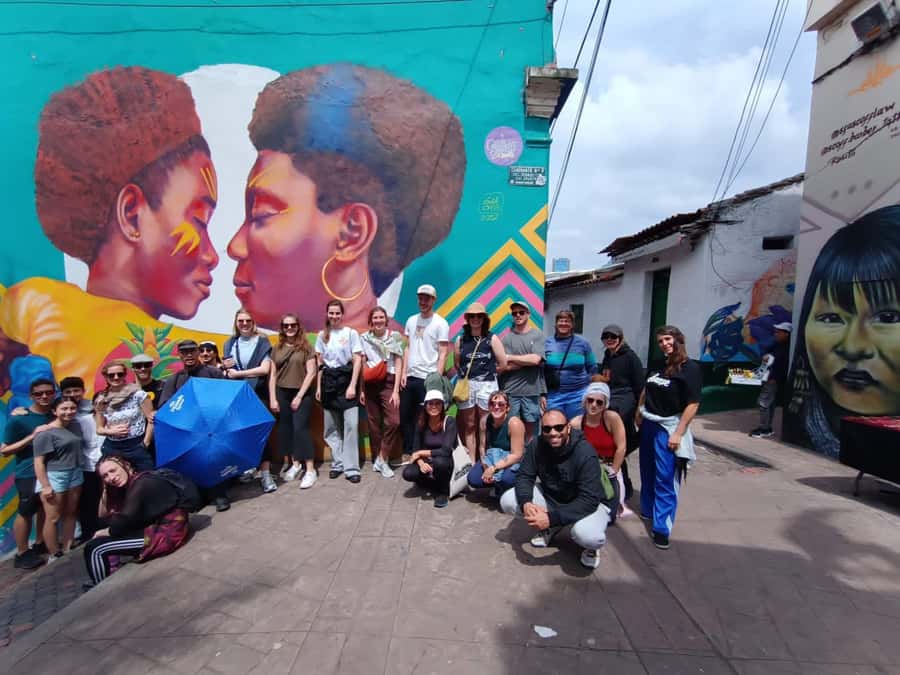
You start at Parque de los Periodistas, where your guide sets the tone. This first stretch is about orientation: how to look, what to notice on the wall, and what kind of stories you’ll be chasing during the walk. If you’re new to street art, this is where you learn the basics without it turning into a lecture.
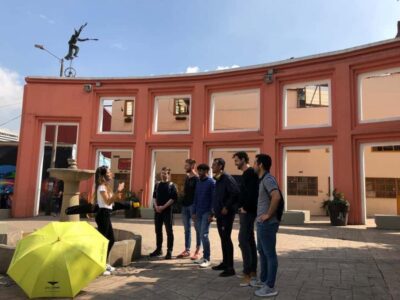
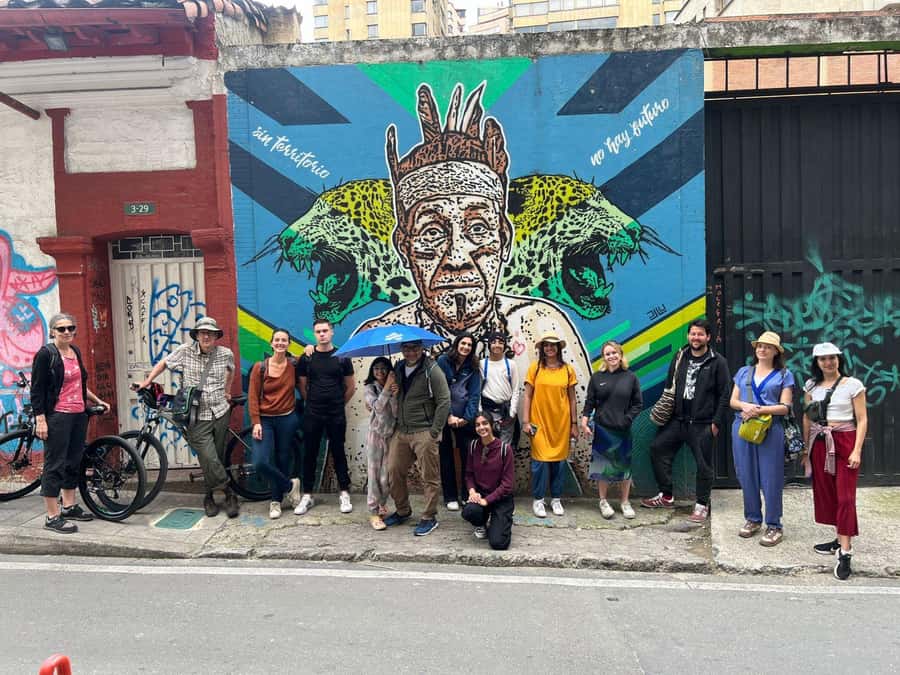
Then you move into the central street-art viewing zone around Jimenez Avenue with Carrera 4. The tour format is designed so you can see multiple examples in a short time, while still getting explanation. Expect the guide to point out details you might otherwise miss, like how different artists use color, lettering, placement, and scale to make meaning.
As you go, the tour shifts from what you’re seeing to why it matters. This is where the guide connects the art to the movement’s relationship with Colombia’s history. Depending on the guide’s style, this can include how graffiti is used to comment, protest, or claim space, and how that message changes across different artists and periods.
A good sign of a well-run street tour is that it doesn’t treat every wall the same. Here, the guide uses variety as the lesson. You’ll see different kinds of graffiti expressions, and the guide explains what makes each one distinct in purpose and context.
The last part is typically where questions get answered and the pieces start fitting together. Many guides in this program are described as patient and attentive, and that matters. If you want to ask about a particular mural, an artist name, or how graffiti works technically, this is the time to do it.
Guides that make or break a street tour, and why this one scores high
Street art is visual, but the real value is in interpretation. This tour puts heavy weight on the guide.
Names that show up in the experience include Lifred, Ivonne (also listed as Yvonne), Giovanni, Luis, Christian, Fabian, and Antoine. Across these guides, the common threads are warmth, clarity, and the ability to answer questions without making you feel rushed.
You can also tell the guide is there to teach, not just to point. One part of the experience description is that the guide shares street art basics. Another is that they connect each example to broader themes, like street art as protest and the way graffiti can reflect collaboration between artists and even building owners.
If you enjoy a tour where you’re allowed to think out loud and ask why something is placed a certain way, you’ll probably like this format. If you want a tour that just moves fast from wall to wall with minimal talk, you might find the explanation-heavy pacing a bit slower than you expected.
The social side of urban art in Bogotá
A lot of graffiti tours stop at aesthetics. This one is positioned as something bigger.
The experience is described as an initiative that promotes urban art and supports social processes, working with local, national, and international artists. It also mentions connections to communities at risk, community houses, cultural centers, foundations, district schools, and graffiti tables in different locations.
So when the guide talks about appropriation and change, it’s not just a slogan. The tour is set up to make you think about graffiti as a form of participation, not only an act of tagging or vandalism. It’s framed as a tool that can give voice, claim visibility, and support community conversations.
That perspective is useful for you even if you don’t consider yourself an art person. It changes the way you interpret the street. Instead of asking only what the colors look like, you start asking what the message is, who it’s for, and what kind of space the artists are trying to shape.
What you’ll learn, even if you think you already know graffiti
By the time you’re done, you should come away with a different way of looking at Bogotá walls.
Here are the learning targets you’re likely to feel during the walk:
- How the Bogotá graffiti movement developed and how it relates to Colombian history
- How to spot different elements that signal style and intent, not just aesthetics
- Why street art can act as protest, and how it can also show collaboration
- How graffiti can function as a social process, with connections to local institutions and community spaces
And because the tour is described as a guided experience with live interpretation in English, you won’t have to translate everything in your head.
If you’re the kind of person who loves asking questions, you’ll probably get a satisfying answer rhythm. Guides are described as patient, thoughtful, and focused on making sure everyone understands the story.
Comfort tips for a smooth street-walk
Because this is a city walk, your comfort matters.
Wear shoes you trust. You’ll be on sidewalks and street edges, and Bogotá streets can be uneven. Bring water, especially if you do the midday window. And if you hate sun on your neck, plan a cap or light layer.
It’s also smart to arrive a few minutes early at Parque de los Periodistas so you can settle in. Starting on time helps the guide keep the flow of explanations and your viewing stops.
If you’re taking photos, don’t rush. The best moments often come when the guide explains what to look for and then you see the wall differently. Give yourself time to linger.
Is it worth $13 for two hours?
Yes, if what you want is meaning, not just sights.
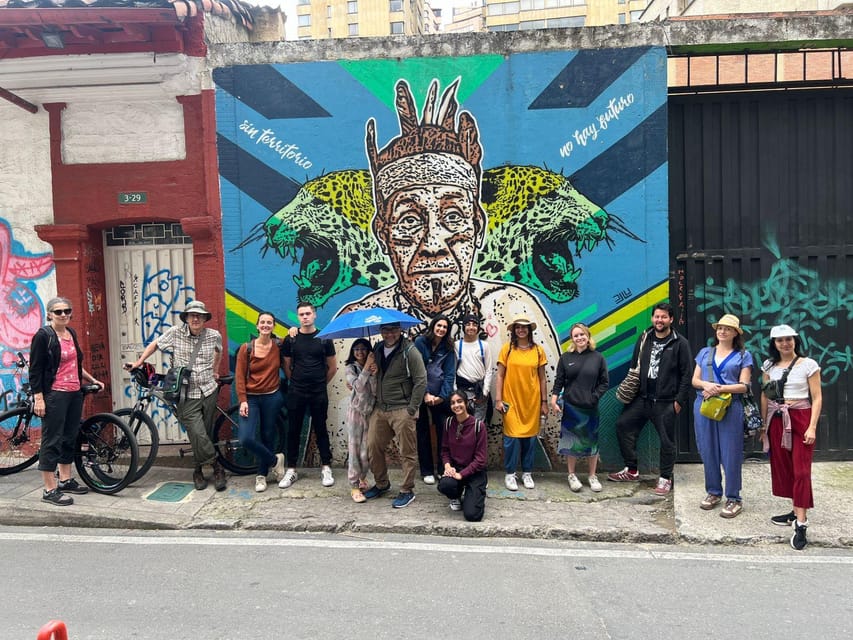
At $13 per person, the price is low enough that you’re not taking a big risk. You’re also not paying a museum-style ticket where you only get information if you already know the language of art. Here, the tour is set up to teach you how to read graffiti as you walk.
The value also comes from the format: you get multiple examples, guided context, and an opportunity to ask questions. You’re not stuck with one mural and an awkward silence.
The only reason it might feel like poor value is if you only want a quick photo stop. If you want a slow, story-led walk, this is more aligned with your time.
Who should book this tour
This experience fits best if you:
- Want a first taste of Bogotá street art that explains the “why”
- Like tours where the guide answers questions and teaches basics
- Enjoy city walking tours and want your photos to come with context
- Care about how art connects to community and social processes
It might be less satisfying if you:
- Want zero walking and only seated viewing
- Prefer ultra-short tours with minimal explanation
- Don’t want to think about history or social meaning, just aesthetics
Should you book the Bogotá graffiti tour?
If you’re planning time in Bogotá and you want an activity that changes how you see the city, I think it’s a very safe booking. Starting at Parque de los Periodistas, walking through the central street-art zone near Jimenez Avenue and Carrera 4, and spending around 2 hours with an English guide is a good way to make the city feel personal fast.
Book it if you want the murals explained, not just photographed. Skip it if your ideal day is mostly quick stops, minimal talking, and a strict itinerary with no time spent on questions.
If you’re unsure, look at your comfort with walking and whether you like story-based guidance. If yes, this is exactly the kind of experience that gives you more than you expected from a simple city tour.
FAQ
Where is the meeting point for the Bogotá graffiti tour?
The meeting point is Parque de los Periodistas in Bogotá, Colombia.
How long is the tour?
The duration is 2 hours.
How much does the tour cost?
The price listed is $13 per person.
What time does the tour run?
Starting times are listed in two windows: 10:00am to 12:30pm and 2:00pm to 4:30pm.
What language is the guide?
The tour guide is listed as English. The company also notes you can ask about tours in Spanish, German, and French.
Is the tour wheelchair accessible?
Yes, the activity is listed as wheelchair accessible.
Is there free cancellation?
Yes. You can cancel up to 24 hours in advance for a full refund.
Can I reserve now and pay later?
Yes. The tour offers Reserve now & pay later, meaning you can book your spot without paying today.
Is there a private tour option?
Yes. Private tour is listed under the included options.
How do I contact the provider for reservations?
You can email [email protected].
The Rest of Our Bogota Reviews

Everything Else We Reviewed in Bogota
Comuna 13 and the Painted Stairs
Just added to our Bogota shelf
- Fun Graffiti Workshop: The Art of Aerosol and Color
★ 5.0 · 3 reviews - From Bogota: White Water Rafting Experience
★ 4.4 · 3 reviews - From Bogota: Excursion to Jaime Duque Park
★ 5.0 · 3 reviews - Bogotá: La Candelaria Food Tour with Tastings
★ 4.2 · 3 reviews - Walking tour José Celestino Mutis Botanical Garden 3 hrs
★ 5.0 · 3 reviews
Comuna 13 & Graffiti Street Art Walks, compared.
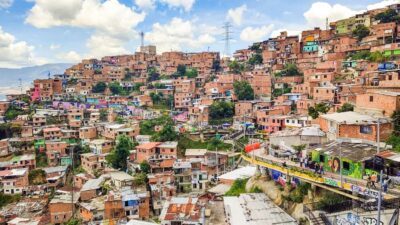 ★ 4.8Medellin: Comuna 13 Graffiti Tour, Cable Car & Street FoodFrom $189,046 reviews
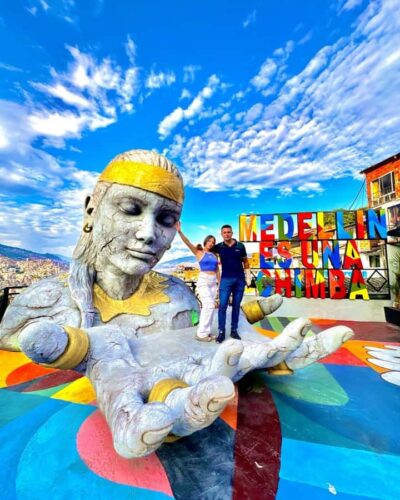 ★ 4.9Medellín: Comuna 13 True Story and Street Food TourFrom $141,779 reviews
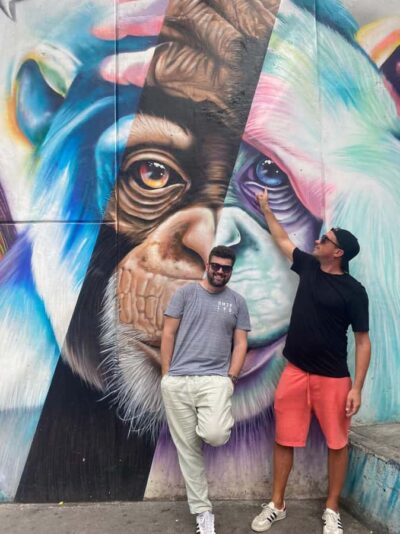 ★ 4.8Medellín: Comuna 13 District Tour with Cable Car RideFrom $271,467 reviews
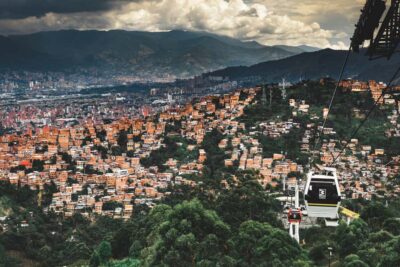 ★ 4.9Medellín: Private City Tour with Metrocable and Comuna 13From $76330 reviews
 ★ 4.9Medellín: Comuna 13 Tour with Snacks And Your Own GraffitiFrom $11311 reviews
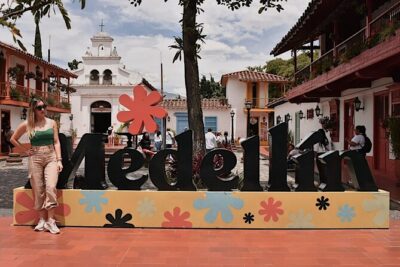 ★ 4.5City Tour + Commune 13 MedellinFrom $37295 reviews
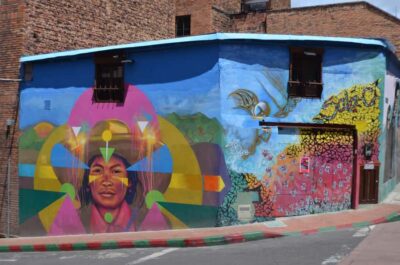 ★ 4.7Bogotá: La Candelaria Graffiti & Urban Art Guided TourFrom $16250 reviews
 ★ 4.9Medellín: Comuna 13 and Graffiti Guided Tour with a LocalFrom $16239 reviews
Where else this tour turns up