
REVIEW · BOGOTá LA CANDELARIA & MONSERRATE
Cartagena Grand City Tour
Cartagena changes fast. This Grand City Tour gives you the contrasts in one day, from Bocagrande and Manga panoramas to the big views from Castillo de San Felipe and La Popa. I like that the day is guided end-to-end, so you walk more intelligently than if you wing it. I also like that you get a local-market option (Bazurto) before you zoom into the historic heart.
A possible drawback: it is a long day with a lot of road time, and the tour finishes with a walk in the historic center where return transport is not included.
You’ll come away with a cleaner understanding of Cartagena, not just photos of the walls. The route is built for seeing more than one Cartagena, and the private-group format makes it easier to ask questions and slow down when something grabs you.
In This Review
- Key Highlights You’ll Feel Immediately
- Why This Cartagena Grand City Tour Works Beyond the Walled City
- Getting Oriented: Bocagrande and Manga Panoramas
- Bazurto Market, Optional but Worth Knowing About
- After Lunch: Old City and Getsemaní on Foot
- Plaza de Bolívar and San Pedro Claver Church: Two Stops With Meaning
- Castillo de San Felipe de Barajas: Spain’s Defense and Your Big View Moment
- Cerro de la Popa Monastery: The View That Explains the City
- Price and Logistics: Is $301 a Good Value?
- What to Bring (And How to Survive the 8-Hour Day)
- Should You Book This Grand City Tour?
- FAQ
- How long is the Cartagena Grand City Tour?
- What is the price per person?
- What languages are available for the live guide?
- Is hotel pickup included?
- What does the tour include?
- Are drinks included?
- Which places are part of the tour?
- What should I bring?
- Is free cancellation available?
Key Highlights You’ll Feel Immediately
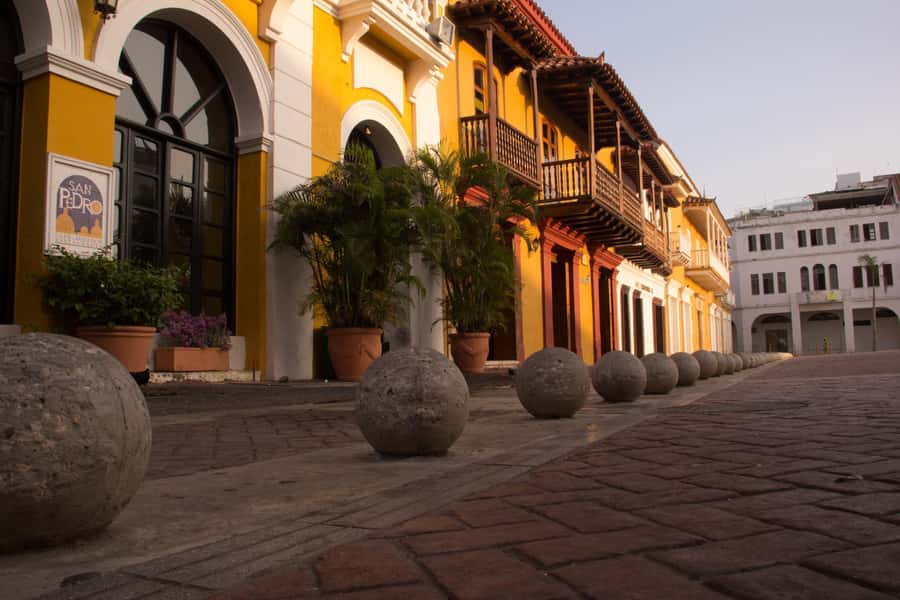
- Neighborhood contrast with real context: Bocagrande, Manga, Old City, and Getsemaní are shown as different worlds, not just different streets.
- Fortress views that make sense: San Felipe is huge, and the route helps you understand why that mattered.
- La Popa viewpoint plus monastery stop: you get the climb payoff and the culture piece in the same stretch.
- Bazurto market option: a chance to see everyday Cartagena beyond postcard sights.
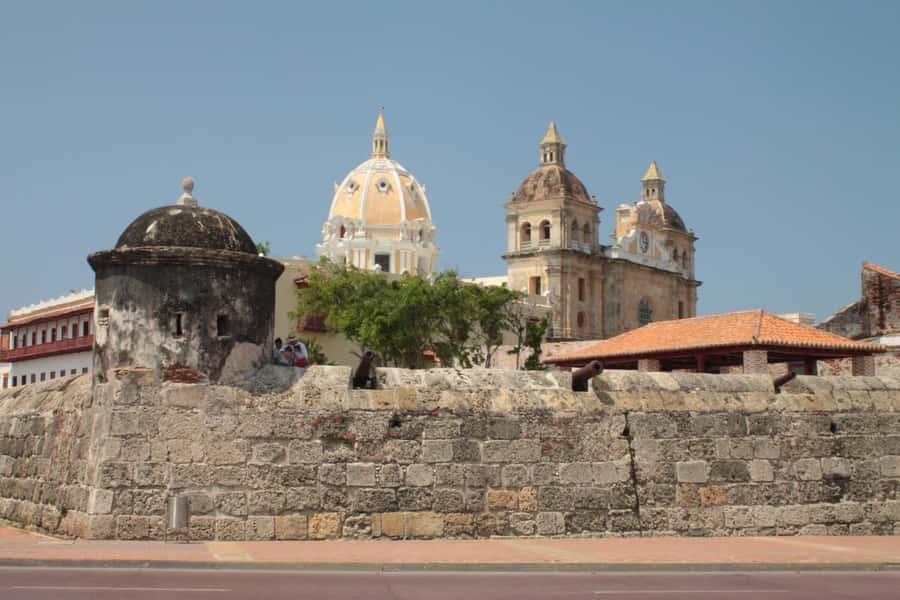
- Photo-friendly walking in the historic center: Plaza de Bolívar and San Pedro Claver Church anchor your time in the Old City.
- Private group with a live guide: Spanish or English guide, plus time to ask questions.
Around La Candelaria and up the hill, other options
- Walking Tour Cartagena Old City with Gold Museum and Plaza de Bolivar★ 4.5 · 28 reviews
Why This Cartagena Grand City Tour Works Beyond the Walled City
If your only Cartagena plan is the Walled City, you’ll miss half the story. This Grand City Tour is designed to show how the city expanded, where people live now, and how power and faith shaped the skyline. That matters because Cartagena is not one vibe. It is layers.
I like the structure because it is not random sightseeing. You start with a panoramic look at major districts, then you hit a local market option, then you move into the Old City areas for the classic landmarks. After that, you go outward to the fortress and La Popa for the viewpoints that explain why Cartagena was worth defending.
The day also sets expectations clearly. You spend time on the road, and you do a final walking segment in the historic center. If you prefer very low transit days, plan for a full 8-hour commitment and bring what you need to stay comfortable.
Getting Oriented: Bocagrande and Manga Panoramas
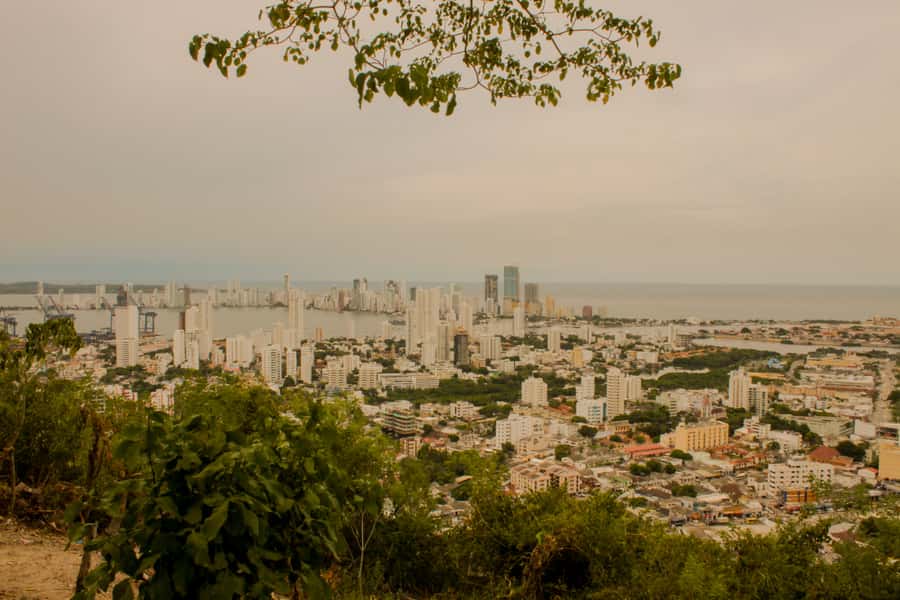
The tour begins with hotel pickup in Cartagena, then you head out to see Cartagena from a wider angle. The route passes through Bocagrande and Manga, giving you a kind of “map in motion.” Instead of learning street names first, you learn the city’s geography and how neighborhoods relate to the coast and the Old City.
This is a smart move because Cartagena’s layout can feel confusing, especially in heat. Bocagrande tends to read as more modern and tourism-oriented, while Manga has its own residential feel and architectural character. Even if you do not plan to spend hours there, the panorama helps you connect what you see later in the day with the bigger picture.
Practical tip: wear shoes you can walk in. You are not just riding around. Even if the first stops are views, you will still be out of the vehicle enough to get sun on your face and legs. Bring a sun hat and water, and you’ll stay comfortable for the long hours ahead.
Bazurto Market, Optional but Worth Knowing About
One standout feature here is the option to explore Bazurto, a local market where you see how Cartagena shops, eats, and lives day-to-day. If you like food culture, this can be a highlight because it shifts your perspective from monuments to daily reality.
You get the chance to look at local fruits and flavors, and more importantly, you get to watch how people move through a busy market world. That kind of context makes later historic stops feel more human. It also helps you understand that Cartagena’s economy and culture did not stop at the walls.
Reality check: markets can be intense. If crowds, smells, or bargaining make you uncomfortable, you can choose to keep that part lighter. But if you’re curious, Bazurto is one of the fastest ways to understand the city’s modern pulse.
After Lunch: Old City and Getsemaní on Foot
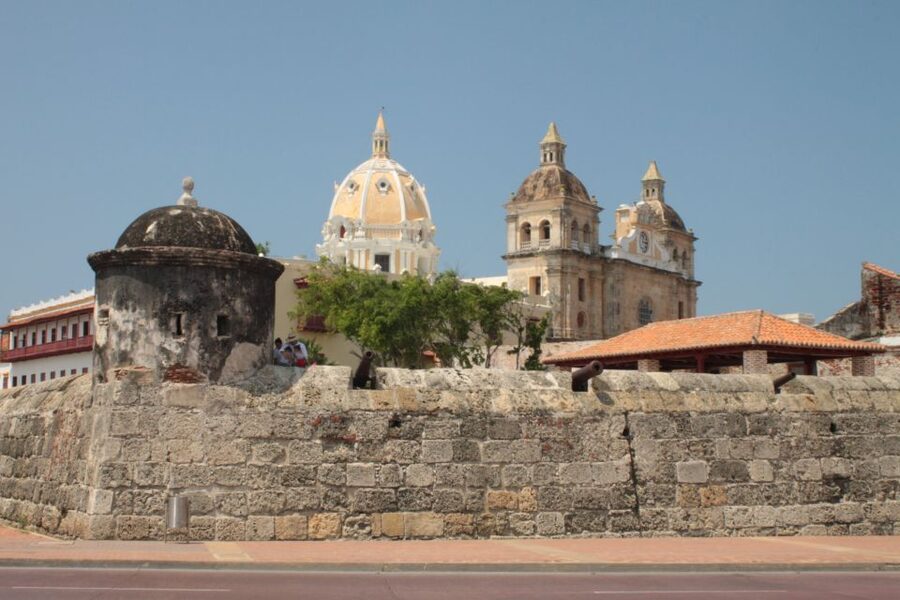
Lunch happens before you spend deeper time in the historic neighborhoods. After that meal, the tour shifts into walking mode through the Old City and Getsemaní. This is where the architecture and street texture do the teaching.
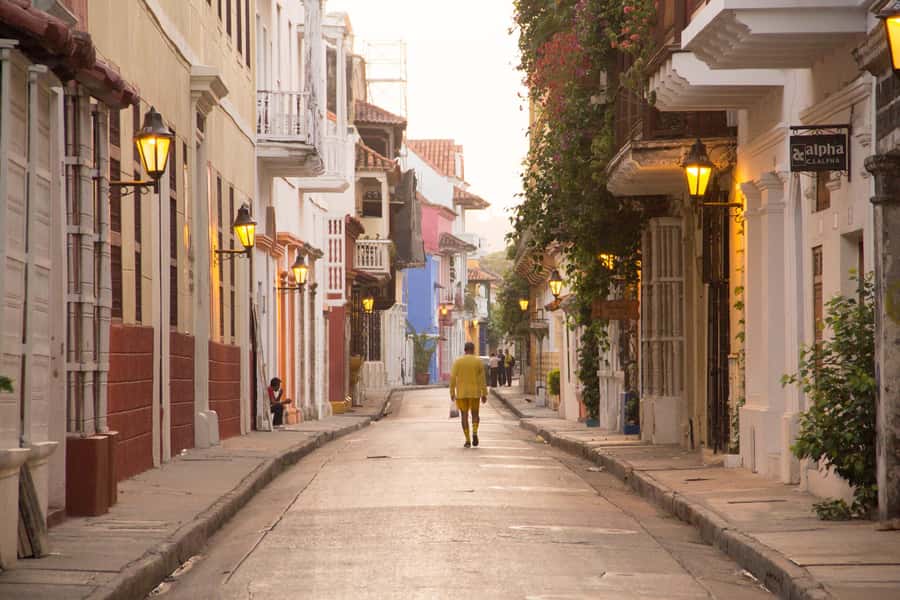
In the Old City area, you’ll move through lanes and plazas that highlight the mix of influences behind Cartagena’s design. Getsemaní adds another layer, where you can sense how neighborhoods grew and changed over time. The walking portion is key because it slows your pace enough to notice details, like how churches sit in relation to squares and how streets open up into view corridors.
This is also the part of the day where your guide’s job really matters. A good guide connects the visual dots, so you are not just reading plaques. You’re learning what you’re seeing and why it survived, changed, or disappeared.
If you hate stepping off and on transport all day, this section can still feel tiring. You’ll do it better if you pace yourself, sip water, and keep your eyes up. The fun is in the geometry of streets and the way buildings frame the light.
Other city runs through Cartagena
Plaza de Bolívar and San Pedro Claver Church: Two Stops With Meaning
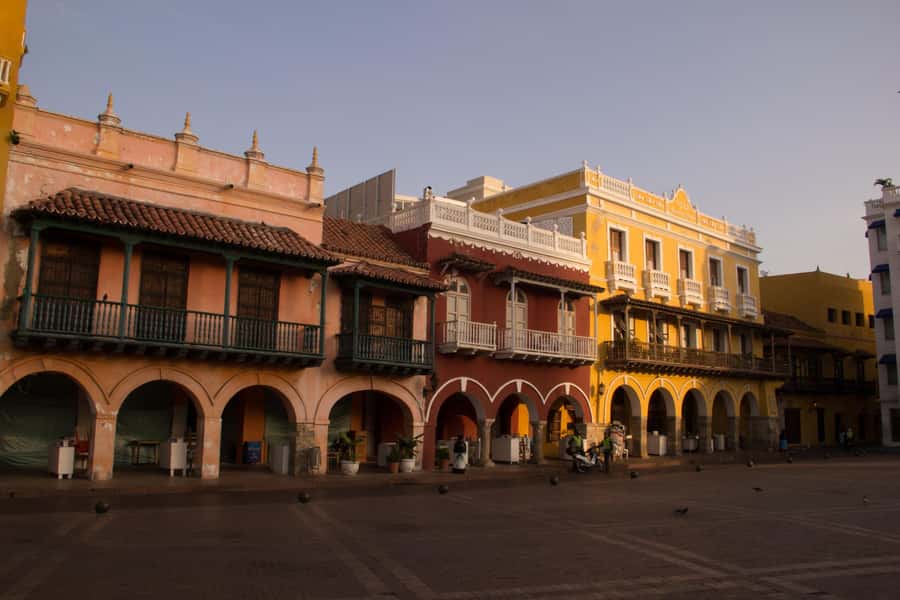
Two of the tour’s most important “anchor” points are Plaza de Bolívar and the San Pedro Claver Church. These stops matter because they tie together civic power and religious influence, both of which show up across Cartagena.
At Plaza de Bolívar, you get a central gathering space that feels like Cartagena’s public living room. Then you visit San Pedro Claver Church, described as a 17th-century masterpiece. The focus here is religious art and artifacts that help tell Cartagena’s cultural story through what people built and preserved.
What I like about this pairing is timing. You see major plazas and then you step into a church where the meaning becomes more specific. If you’ve been traveling through museums all week, this still works because it is a lived-in sacred space, not just a display room.
Practical tip: churches can be cool inside compared to the street. Bring a light layer if you run cold, and keep an eye on your hat before you go inside. You’ll want your face shaded outside too, since the day includes long sun exposure time.
Castillo de San Felipe de Barajas: Spain’s Defense and Your Big View Moment
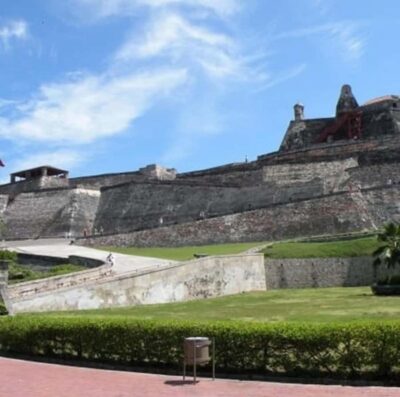
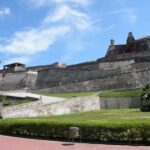
Then comes one of the biggest reasons people sign up for a grand city tour. You visit Castillo de San Felipe de Barajas, called the largest Spanish military structure in the Americas. That is not a small claim, and when you arrive, the scale explains it fast.
This fortress is valuable for two reasons. First, it is an architectural feat. Second, it helps you understand the logic of coastal defense. Cartagena’s story is tied to sea access, wealth, and the need to protect routes and ports. The fortress was built to do exactly that.
Also, the views are the payoff. From the fortress area, you see Cartagena in a way that feels strategic, not just scenic. You can connect why certain angles, heights, and sight lines mattered. That makes your photos more than selfies on stone.
Heads up: this part of the day likely involves both walking and stairs. It can be hot. Wear shoes with grip, take slow steps, and drink water when you can. Your legs will thank you later, especially because the day does not end right after this stop.
Cerro de la Popa Monastery: The View That Explains the City
Cerro de la Popa is the “camera wants to linger here” stop, and for good reason. You go to a centuries-old monastery on the hill, and the experience is built around the view back toward Cartagena.
This is where the tour’s earlier planning starts to click. You’ve already seen major districts from the road, you’ve walked through historic civic and church spaces, and you’ve looked at fortifications. Now you see the city with height, perspective, and a broader understanding of what the city looks like when you remove ground-level distractions.
It is also a quieter moment than the market or main streets. The monastery setting gives you a different tempo, more pause, more looking. Even if you’re not a big religious-art person, the viewpoint alone makes it a worthwhile stop.
Practical tip: bring water for this segment too. Hill visits can take longer than expected, and shade may be limited. If you’re sensitive to sun, try to keep your hat on and your pace steady.
Price and Logistics: Is $301 a Good Value?
The price is $301 per person for an 8-hour tour. For Cartagena, that can feel reasonable or steep depending on what you expect. Here’s the value logic: you’re paying for hotel pickup and drop-off, an expert live guide, lunch, and entry tickets. You’re also paying for fewer hassles, since the tour includes skip-the-ticket-line service.
The “hidden” value is the time. In a city where sights are spread out, a guided route saves you from planning and from lost time between neighborhoods. Also, private-group format means you can ask questions and get your pace adjusted to your interests, instead of being swept along with a bigger crowd.
Two important cost notes to plan for:
- Extra drinks are not included, so budget for water or soft drinks if you’ll want more than what’s provided.
- The price you paid does not include 19% VAT for foreigners entering as tourists. The operator says you need to send proof, specifically a copy of your passport and a photo of the entry stamp, to meet national tax authority requirements.
One more logistics note: the tour ends with a walking exploration of the historic center, and transportation back to the hotel is not included. If your hotel is far or you do not want to walk at the end of an 8-hour day, make sure you’ve got a plan for how you’ll get back.
What to Bring (And How to Survive the 8-Hour Day)
This tour asks for practical travel gear more than special gear. Bring:
- Passport or ID card
- Comfortable shoes
- Sun hat
- Water
The day has a lot of sun exposure, plus significant walking at least in the Old City and around major landmarks. A sun hat and water are not optional extras, they are the difference between enjoying the viewpoints and feeling wiped out.
If you’re planning photos, keep your phone charged. Between fortress steps, monastery overlooks, and church interiors, you’ll be taking more pictures than you think. Also, pack light enough that you can move easily during walking stops.
Finally, plan your expectations: you’re not doing one neighborhood in depth. You’re connecting many parts of Cartagena. That’s why you come away with clarity about the city rather than just a list of sites.
Should You Book This Grand City Tour?
Book it if you want an efficient introduction to Cartagena with more variety than the Walled City alone. The route gives you major viewpoints (San Felipe and La Popa), historic anchors (Plaza de Bolívar and San Pedro Claver Church), and a chance to see real local life with the optional Bazurto Market stop.
Skip it, or at least reconsider, if you hate long transit time. The tour includes 4 hours of transportation for visits like Isla de Manga, Castillo de San Felipe, and La Popa, and the day ends with a walk where return transport is not included.
If you’re the kind of traveler who likes asking questions, this private-group format is a plus. You can get more out of the day when your guide can respond to what you care about.
FAQ
How long is the Cartagena Grand City Tour?
The tour duration is 8 hours.
What is the price per person?
The price listed is $301 per person.
What languages are available for the live guide?
The live guide is available in Spanish and English.
Is hotel pickup included?
Yes, pickup is available from your hotel in Cartagena.
What does the tour include?
It includes hotel pick-up and drop off, lunch, an expert live guide in your preferred language, and entry tickets to the places visited. It also includes skip-the-ticket-line service.
Are drinks included?
Extra drinks are not included.
Which places are part of the tour?
The tour visits Cartagena’s notable areas beyond the Walled City, including Bocagrande and Manga for panoramic overview, an optional stop at Bazurto, the Old City and Getsemaní, Plaza de Bolívar, San Pedro Claver Church, Castillo de San Felipe de Barajas, and Cerro de la Popa (monastery). It also mentions visiting Isla de Manga as part of the day’s travel.
What should I bring?
Bring a passport or ID card, comfortable shoes, a sun hat, and water.
Is free cancellation available?
Yes, you can cancel up to 24 hours in advance for a full refund.
Everything Else We Reviewed in Cartagena

Cartagena City Routes
La Candelaria, Then Up Monserrate

Just added to our Cartagena shelf
- White Night Boat Party: Dinner Buffet, Dancing and Open Bar
★ 4.6 · 3 reviews - The best sunset tour in the bay: Open bar party & fun
★ 5.0 · 3 reviews - Tayrona Park adventure in Santa Marta: Cabo San Juan from Cartagena
★ 3.8 · 3 reviews - Cartagena: Rosario Islands Private Boat Tour
★ 4.8 · 3 reviews - Mud Volcano Tour in Cartagena with Lunch
★ 3.4 · 3 reviews
Bogotá La Candelaria & Monserrate, compared.
 ★ 4.8Bogotá: Guided La Candelaria Walking TourFrom $161,229 reviews
 ★ 4.9Bogotá: Private City Tour, Monserrate, Emerald and BoteroFrom $65798 reviews
 ★ 4.9Bogotá City Tour with Monserrate, Gold and Botero MuseumsFrom $65584 reviews
 ★ 4.7Bogotá: La Candelaria Graffiti & Urban Art Guided TourFrom $16250 reviews
 ★ 4.4Bogota: Monserrate Entry TicketFrom $16233 reviews
 ★ 4.7Bogotá: City Tour, Monserrate, Gold Museum, Plaza de BolivarFrom $88168 reviews
 ★ 4.8BOGOTA: City Tour, Monserrate, Gold Museum, Botero Museum, Plaza BolívarFrom $81146 reviews
 ★ 4.7Shared Tour of Bogota’s Historic Downtown (La Candelaria)From $13100 reviews
Where else this tour turns up