
REVIEW · BOGOTá LA CANDELARIA & MONSERRATE
Shared Tour of Bogota’s Historic Downtown (La Candelaria)
One of Bogotá’s darkest and loudest stories lives here. This walking tour in La Candelaria pulls you through capital origins, public squares, and street-level culture in about 150 minutes.
I especially liked how it ties big national moments to real corners of the neighborhood, like Bolívar Square and the buildings around it. And you get to taste local heritage too, with chicha when it’s available.
The main thing to plan for is the walking, roughly 7 km on hilly streets, and the crowd factor can be real since it’s a shared group tour.
In This Review
- Key things that make this tour worth your time
- First steps in La Candelaria, meeting by Museo del Oro
- Bolívar Square and Bogotá’s capital story in real stone and street layout
- From 1948 riots to the Justice Palace siege, why Bogotá’s pain has public footprints
- Chicha tasting at Concordia market: an ancestral drink, explained in your mouth
- Chorro de Quevedo and El Embudo alleys, where graffiti carries memory
- Botero Museum area and the False Door, symbols you’ll start noticing everywhere
- Price and logistics: $13 for 3 hours, if you bring the right energy
- Should you book this La Candelaria historic downtown walk?
- FAQ
- How long is the Bogota’s Historic Downtown walking tour?
- How much does the tour cost?
- Where do I meet the guide?
- What’s included during the tour?
- Is food or drinks included?
- How much walking should I plan for?
- What should I bring and what’s not allowed?
Key things that make this tour worth your time
- Bolívar Square focus: You get the story behind the space, not just photos.
- El Bogotazo context: The 1948 riot is handled with clear, neutral framing.
- Chicha tasting when available: An ancestral drink, explained and sampled if conditions allow.
- Candelaria graffitis in El Embudo: Street art as memory and resistance.
- A mix of national and local landmarks: Squares, markets, and cultural stops in one route.
- Practical guide energy: Guides are prompt, talk a lot, and keep you moving with breaks.
Around La Candelaria and up the hill, other options
- Bogotá: Guided La Candelaria Walking Tour★ 4.8 · 1,229 reviews
- Bogotá: Private City Tour, Monserrate, Emerald and Botero★ 4.9 · 798 reviews
- Bogotá City Tour with Monserrate, Gold and Botero Museums★ 4.9 · 584 reviews
- Bogotá: La Candelaria Graffiti & Urban Art Guided Tour★ 4.7 · 250 reviews
First steps in La Candelaria, meeting by Museo del Oro
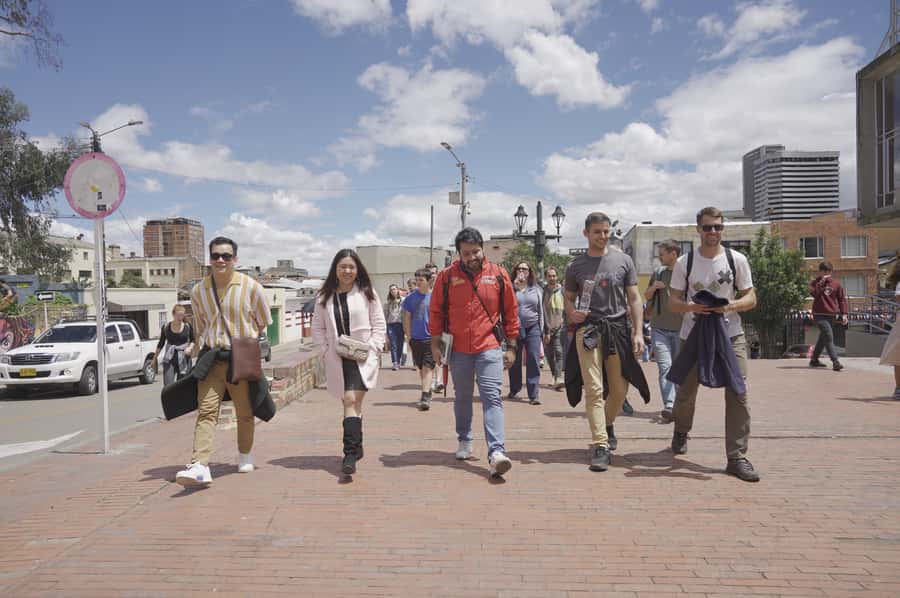
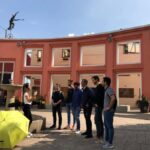
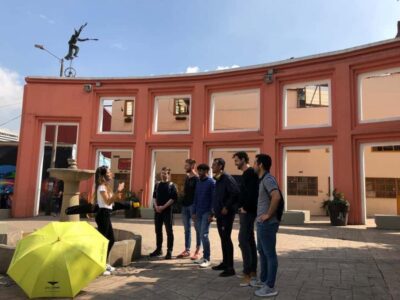
Your tour day starts where you can orient fast: meet in front of the Museo del Oro, look for the red umbrellas from Beyond Colombia. If you’ve just landed or you’re still shaking out jet lag, that matters. Being on the edge of a major site helps you get your bearings quickly before the history starts pouring out.
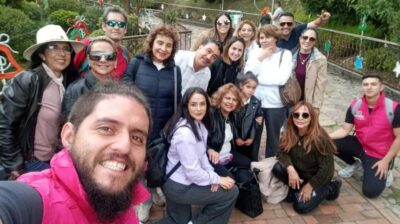
This is a shared walking tour, so you’ll meet other people along the way. That’s part of the fun if you like a lively group energy, and part of the challenge if you prefer quiet. The guides work in English and Spanish, and the structure is built around stopping often enough to listen and absorb, not just power-walking from stop to stop.
Because Bogotá sits high and La Candelaria has slopes, you should come ready for effort. The tour is around 3 hours, and you’ll walk about 7 km with rest stops. Bring comfortable shoes first, then everything else. A hat and sunscreen are not optional here, and water is a must even if you think you can “just make it.” One participant noted how tiring the uphill portions felt, so I’d plan for stamina, not bravado.
Also, keep it simple with your camera. You’re not allowed flash photography, and you should avoid anything that slows the group. No smoking on the route.
Bolívar Square and Bogotá’s capital story in real stone and street layout
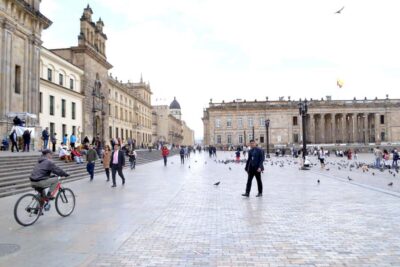
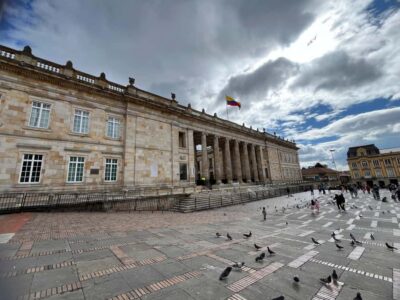
If you want the quickest path to understanding Bogotá, start with its public center. This tour spends real time around Simón Bolívar Main Square, and it’s not only about the landmark itself. The guide explains why the place matters: how Bogotá became Colombia’s capital and how that status shaped what got built, what got prioritized, and how people move through the city.
I like this approach because it gives the square a job. Instead of seeing a plaza as a postcard, you see it as an engine for civic life. You’ll connect the story to the surrounding building history, so when you look up at facades and official structures, you’re not just guessing what you’re seeing. The tour helps you read the neighborhood like a map of power and change.
This is also where the timing of your visit matters. Walking tours work best when your brain is still fresh. If you come early in your trip, you’ll have a mental framework for later stops in the city. If you come mid-trip, you’ll recognize patterns you may have missed before, like which institutions cluster near major squares and how streets funnel foot traffic.
Photo tip: focus on the relationship between the square and nearby streets. You’ll get better pictures that way, and it’s easier to remember what you learned once you can “see the why.”
From 1948 riots to the Justice Palace siege, why Bogotá’s pain has public footprints
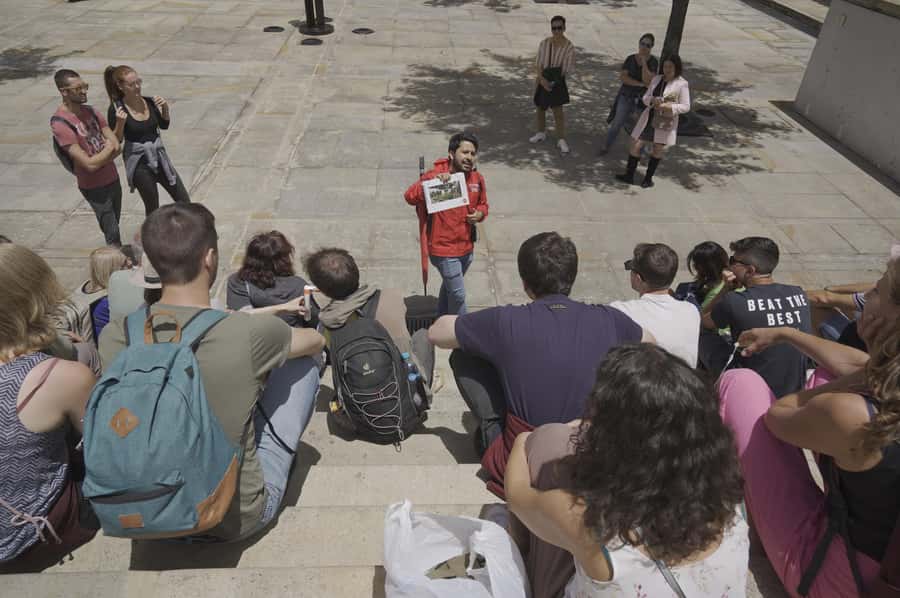
Some history in Bogotá is not polite. The tour tackles the Bogotazo Riot of 1948, linked to Jorge Eliécer Gaitán, and it also references later violence connected to the Justice Palace siege. The key here is that the tour is built to be accurate and objective, promising not to take sides. That matters, because when you talk about tragedy, the details can quickly turn into propaganda if the guide’s approach is off.
What you’ll get instead is context you can hold in your head. You’ll hear how political conflict turned into street upheaval, and how those moments left emotional and physical marks in the city’s memory. Even if the subject makes you uncomfortable, the tour doesn’t avoid it. It frames it so you understand why the city speaks about these events the way it does.
I also appreciate how the guide places these events in relation to the places you’re standing near. When you connect a historical event to a real location, it stops being a distant date in a textbook. You start thinking: what did people see, what did they fear, and what changed afterward?
One consideration: this part of the tour can feel heavy. If you’re sensitive to conflict topics, you might want to pace yourself mentally. Bring water and snacks if you can later, even though food is not included. And if the stories are too intense in one block, that’s your cue to take a breath during a rest stop rather than pushing through on adrenaline.
Chicha tasting at Concordia market: an ancestral drink, explained in your mouth
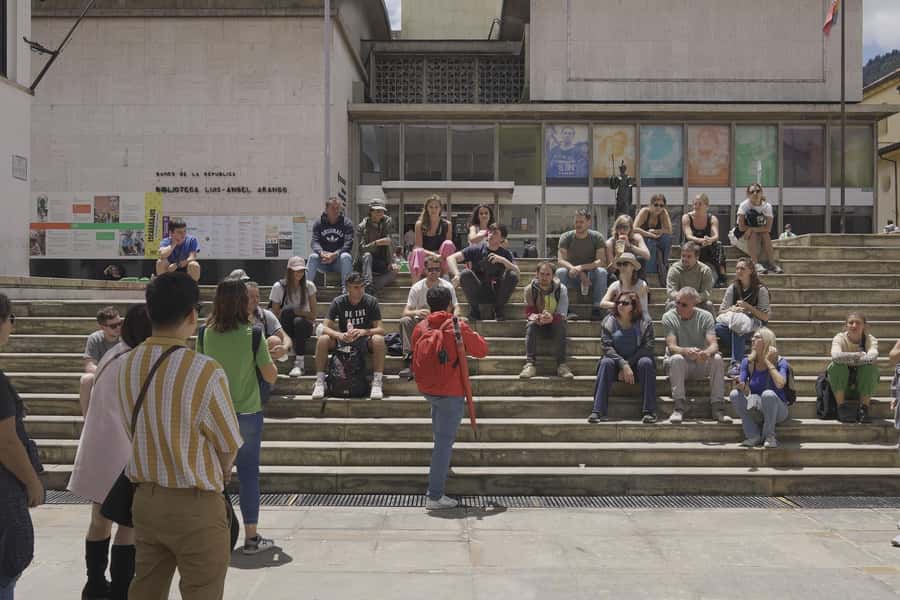
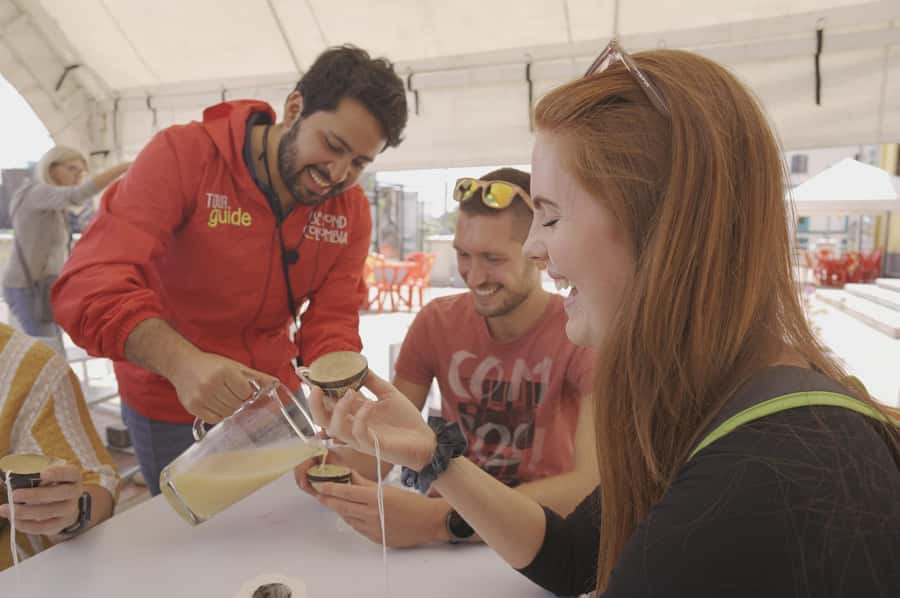
One of the most fun parts of this walking tour is the focus on chicha, described as both ancestral drink and cultural heritage. You’ll have the chance to taste it in the context of the Concordia market, but the guide notes it’s when available. That’s smart, because in real life markets run on time, suppliers, and conditions you can’t control.
Here’s why I think this stop is more than a drink moment. The guide connects chicha to local identity, so you’re tasting something with a backstory, not just checking a box. Even if you’re not sure you’ll like it, the explanation helps you understand what you’re tasting and why it’s part of everyday culture for many people.
What should you expect? A tasting is usually small, so it’s not a full meal replacement. The main thing is to be ready for a traditional beverage profile. If you have dietary restrictions or prefer to avoid certain ingredients, you should ask your guide during the stop, since the tour doesn’t promise a specific serving beyond the tasting being available when possible.
If you’re on a first visit, this stop also helps you understand Bogotá’s food culture beyond “fancy dining.” Markets and local alleys are where you see what residents actually reach for.
Bring your senses. Chicha is not about neutrality. It’s about character.
More of the Bogota backstory
Chorro de Quevedo and El Embudo alleys, where graffiti carries memory
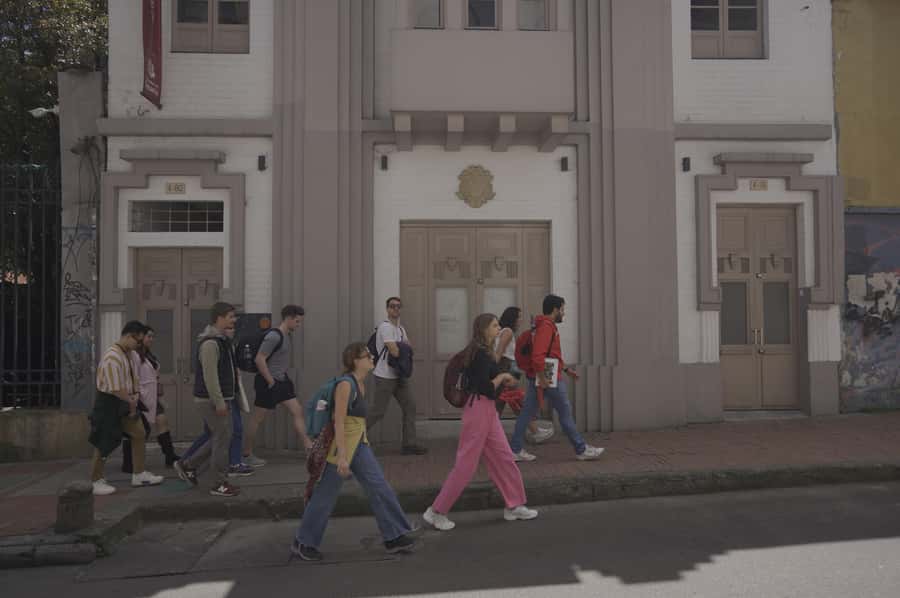
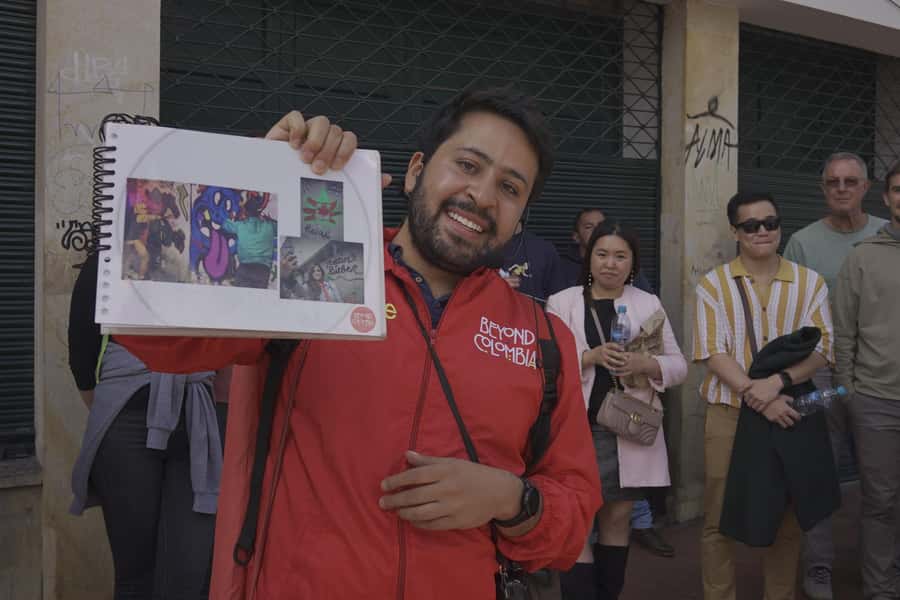
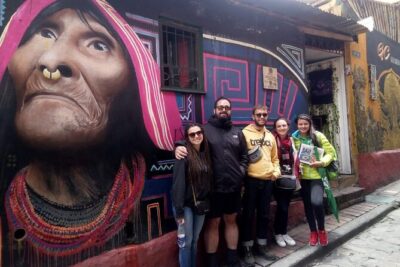
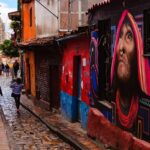
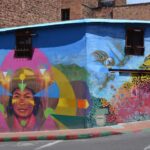
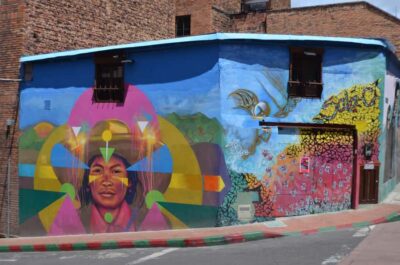
La Candelaria has layers, and one of the most visible is on walls. This tour includes the iconic graffitis of Candelaria, specifically in the El Embudo alleyway. If you think street art is only decoration, you’ll likely rethink that here.
The guide explains local graffitis and murals as more than style. There’s an angle of influence, technique, and resistance. That framing matters. When you see the art as commentary, you start understanding the neighborhood’s emotional geography. It’s a way of speaking when formal narratives feel distant or controlled.
Another stop worth your attention is Chorro de Quevedo, described as a foundation square. This is one of those places where the “why” is the point. The guide helps you understand how Bogotá formed and how stories of origins still shape how people feel about the center today.
And along the way, the tour touches on the myth of El Dorado. It might sound like a legend stop, but it’s useful. Myths like that show how outside ideas shaped local myths in return, and how storytelling became part of the region’s identity long before modern Colombia formed.
If you want a smooth photo experience, just remember: this is an active neighborhood stop. Don’t block walkways. Keep your camera ready but your attention on what the guide is pointing out.
Botero Museum area and the False Door, symbols you’ll start noticing everywhere
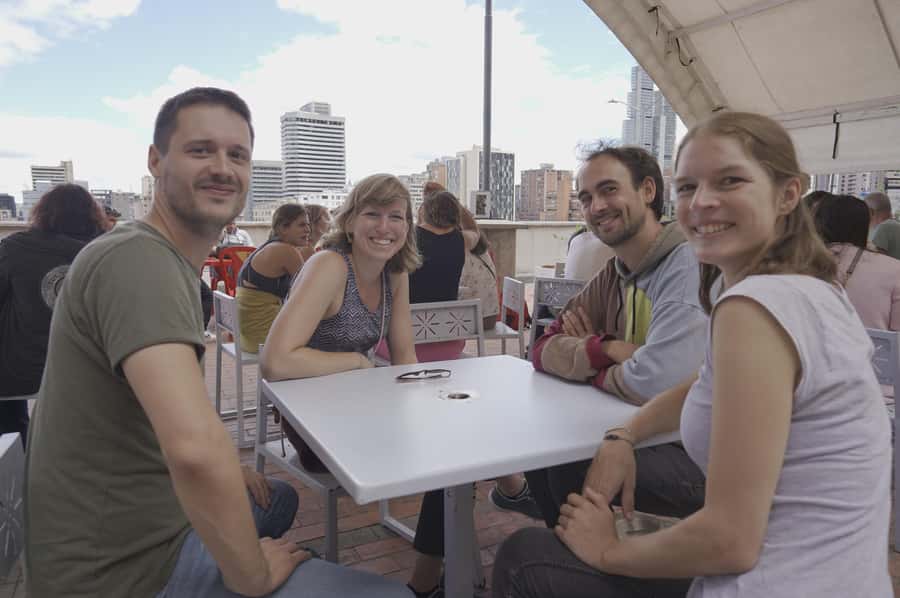
A good walking tour teaches you to look differently after it ends. This one pushes that skill by adding cultural landmarks that function as symbols.
You’ll visit the area associated with Botero’s Museum and the nearby cultural square, and the guide connects Botero to broader local identity rather than treating him like a standalone artist. You’ll also hear about the False Door, which is the kind of detail you could easily miss if you were walking on your own. The guide gives it meaning, so it doesn’t stay a random wall feature.
I love stops like this because they train your attention. Once you understand one local symbol, it becomes easier to spot others across the city. You stop relying on signage and start reading intent, humor, and meaning in public space.
There’s also mention of food and commerce alley experiences, including a local gastronomic alley and an informal emerald market. You’re not going to leave with a shopping spree if you weren’t planning one, because drinks and food are not included, and tickets are not part of this format. But the tour can give you a sense of what to look for when you do want to eat or buy something later.
And if you’re curious about “where should I go next,” these kinds of stops often lead to the best practical advice from the guide. The tour includes recommendations from local allies for lunch, coffee, and souvenirs after the walk, using the wristband the guide gives you at the end.
Price and logistics: $13 for 3 hours, if you bring the right energy
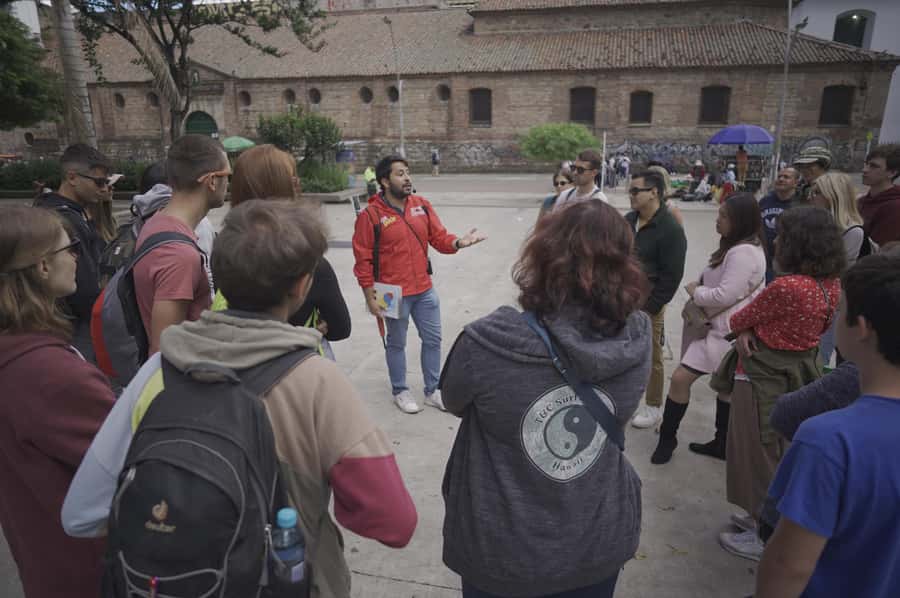
At $13 per person for about 150 minutes, this tour is strong value if you want context. The price includes an English-speaking tour guide and key sightseeing around the historic center in Candelaria. You also get accurate and objective knowledge of Colombian history, with the guide promising not to take sides. That’s not a small point when you’re dealing with political events like El Bogotazo.
What’s not included keeps the cost low. You won’t pay for transportation to and from your hotel. You also won’t pay tickets for entrances, because the tour says it won’t take you to places with sudden extra charges. Food and drinks are on you, except for the chicha tasting when available. That makes planning easier, since you can choose your own meal style later.
The trade-off is effort. You’ll walk about 7 km. Reviews also hint that the walk can feel uphill and tiring at Bogotá’s altitude. So if you’re the type who hates being pushed past your comfort zone, this might not feel as relaxing as you hoped. The guide does take rest stops, and the route is still designed to be doable. But you should go into it expecting movement, not a gentle stroll.
Also, it’s not suitable for people with mobility impairments or wheelchair users, since it’s a walking format over uneven streets.
Finally, watch what you bring. You need comfortable shoes, hat, sunscreen, camera, and water. You’re not allowed smoking or flash photography. Umbrellas and capes are discouraged, so bring rain protection in a way that won’t become a hassle in a group setting. A rainproof coat can work better than an open umbrella among lots of people.
Should you book this La Candelaria historic downtown walk?
I’d book this tour if you have a short time in Bogotá and want a guided path through the parts that explain the city. The standout value is the combination of public squares and street-level culture: Bolívar Square, the story around El Bogotazo, Chicha at Concordia, and the El Embudo graffiti stop. It’s also a smart first or second-day activity because it gives you a framework for what you’ll see later.
I’d think twice if you can’t handle a long, hilly walk. At about 7 km and around 3 hours, it’s not a sit-and-watch tour. And because it’s shared, you may encounter bigger group energy. If you prefer quiet, private time, you might feel boxed in.
Also, consider the topic mix. If political tragedy stories are hard for you, know the tour includes them. The guide’s objective stance helps, but the material is still serious.
If your travel style is walking, learning in context, and connecting history to real streets, this is a good bet for $13.
FAQ
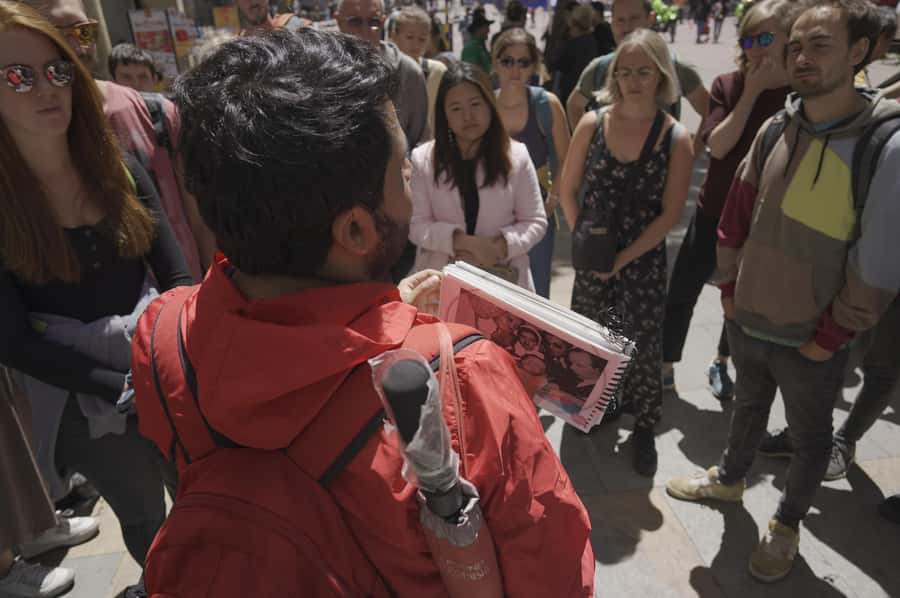
How long is the Bogota’s Historic Downtown walking tour?
The tour lasts about 150 minutes, which is roughly 3 hours.
How much does the tour cost?
It costs $13 per person.
Where do I meet the guide?
Meet right in front of the Museo del Oro with the Beyond Colombia team, look for the red umbrellas.
What’s included during the tour?
Included are an English-speaking tour guide, sightseeing of essential historic center places in Candelaria, and recommendations from local partners. Chicha tasting is included when available. You’ll also receive a wristband at the end for partner discounts.
Is food or drinks included?
No. Drinks, food, and souvenirs are not included. Chicha tasting is included only when available.
How much walking should I plan for?
You’ll walk about 7 km and you’ll also make resting stops.
What should I bring and what’s not allowed?
Bring comfortable shoes, water, a hat, sunscreen, and a camera. Smoking is not allowed, and flash photography is not allowed.
Everything Else We Reviewed in Bogota


Bogota and Its Past
La Candelaria, Then Up Monserrate
Just added to our Bogota shelf
- Fun Graffiti Workshop: The Art of Aerosol and Color
★ 5.0 · 3 reviews - From Bogota: White Water Rafting Experience
★ 4.4 · 3 reviews - From Bogota: Excursion to Jaime Duque Park
★ 5.0 · 3 reviews - Bogotá: La Candelaria Food Tour with Tastings
★ 4.2 · 3 reviews - Walking tour José Celestino Mutis Botanical Garden 3 hrs
★ 5.0 · 3 reviews
Bogotá La Candelaria & Monserrate, compared.
 ★ 4.8Bogotá: Guided La Candelaria Walking TourFrom $161,229 reviews
 ★ 4.9Bogotá: Private City Tour, Monserrate, Emerald and BoteroFrom $65798 reviews
 ★ 4.9Bogotá City Tour with Monserrate, Gold and Botero MuseumsFrom $65584 reviews
 ★ 4.7Bogotá: La Candelaria Graffiti & Urban Art Guided TourFrom $16250 reviews
 ★ 4.4Bogota: Monserrate Entry TicketFrom $16233 reviews
 ★ 4.7Bogotá: City Tour, Monserrate, Gold Museum, Plaza de BolivarFrom $88168 reviews
 ★ 4.8BOGOTA: City Tour, Monserrate, Gold Museum, Botero Museum, Plaza BolívarFrom $81146 reviews
 ★ 4.5Monserrate Tour in Bogotá Including TicketsFrom $2882 reviews
Where else this tour turns up