
REVIEW · COMUNA 13 & GRAFFITI STREET ART WALKS
Shared Tour Cali’s Salsa, Graffiti & Resistance Experience
Cali’s salsa is louder than music. This tour connects salsa to street art and popular resistance, with murals you can read like a timeline. I like how the history is tied to everyday life, and I also like the practical way the walk points you toward real salsa spots afterward. The main drawback is simple: you walk a lot, about 8 km, so comfortable shoes matter.
What makes this experience feel different is its focus. You are not just learning steps or facts, you are seeing how Cali people use rhythm, lyrics, and visual art to talk back to power. Guides such as Christian, Cristian, and Cris are praised for staying energetic and storytelling style, so the message lands without getting heavy.
This is a shared, 150-minute walking tour in Valle del Cauca, starting at the Plazoleta Jairo Varela with the red umbrellas. It costs $13 per person, with no tickets, no transport included, and no food or drinks. If you want a calm museum-style pace, this one might not fit. If you want a street-level look at why Cali feels the way it does, it is a strong pick.
In This Review
- Key highlights to notice
- Salsa in Cali is protest music you can see
- Meeting at Plazoleta Jairo Varela and pacing yourself for 8 km
- Murals of salsa legends and resistance messages
- What to look for while you listen
- Calle del Pecado and river boulevard curve, where nightlife gets explained
- The historical arc: Caribbean roots to Cali’s 60s to 80s boom
- World Cup Tunnel, 5th Avenue, and a route built for listening
- Cult salsa bars, then what to do with your new perspective
- A note on guide energy
- Is the $13 price a good deal?
- Who should book this Cali salsa and street art tour
- Should you book? A simple decision guide
- FAQ
- How long is the tour?
- Where do I meet the tour guide?
- Is the tour in English and Spanish?
- What is included in the price?
- Is food or drinks included?
- Will there be any entrance tickets or paid stops?
- Do I need transportation to join the tour?
- What should I bring?
- Is smoking allowed and is the tour wheelchair accessible?
- Is there a way to keep flexibility with payment and cancellation?
Key highlights to notice
- Salsa explained as a popular cultural movement, tied to social struggles and African emancipation roots
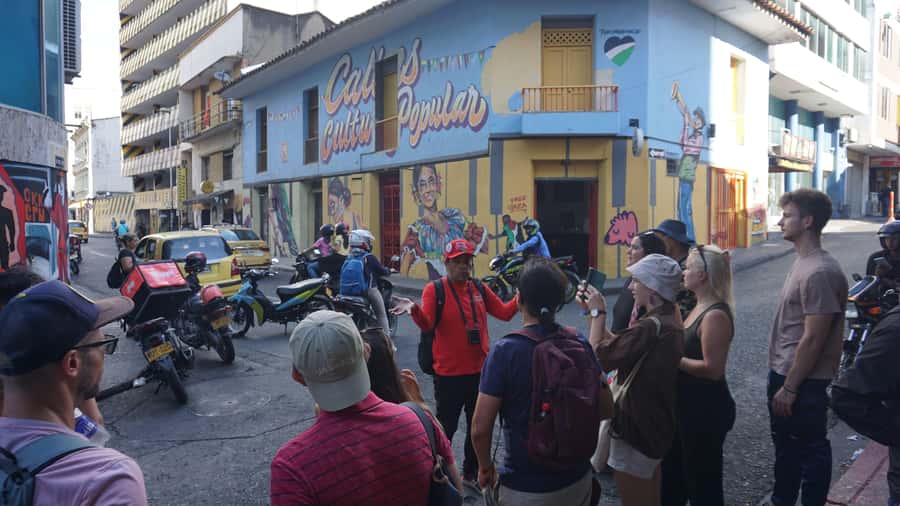
- Murals that pair musicians’ tributes with activist messages, often close to each other
- Iconic Cali stops named right on the route, like the Plazoleta de la Caleñidad and Calle del Pecado
- A guided story that travels through Caribbean Antilles to New York, then Cali’s 60s to 80s boom
- Cult salsa bar recommendations, plus partner discounts if you show the free walking tour map
- About 8 km of walking in roughly 150 minutes, with resting stops but still real mileage
Not decided yet? These Cali Colombia bookings earned solid marks in our reviews.
- Shared Tour Cali’s Historical Downtown★ 4.8 · 143 reviews
- Cali: Street Food Tour★ 4.8 · 71 reviews
- Afro Walking Tour. The colors of Cali.★ 5.0 · 61 reviews
- Cali: City Tour★ 4.9 · 57 reviews
Salsa in Cali is protest music you can see
Cali is famous for salsa, but this tour treats salsa as something bigger than entertainment. You learn that salsa grew through a historical process connected to African emancipation, and you see how that legacy shaped music into social expression. Instead of treating salsa like a polished product, you get it as cultura popular, a way people organize feelings, memory, and identity in public.
The tour also keeps coming back to lyrics. Salsa songs can carry revolutionary moments, dramatic love stories, historical events, and social manifestos. That is why the guide keeps pointing you toward the street art. The murals in Cali do not just decorate walls, they explain who deserves credit, who suffered, and what the community refuses to forget.
My favorite part of the concept is how it connects music to resistance without turning it into a lecture. The route is designed so you learn history while you are still moving through the city’s visual language. You end up with a different mental picture of salsa, one that includes nightlife, romance, and protest in the same breath.
And yes, Cali’s nightlife matters here. Salsa is the local icon of identity, but you are also shown that nightlife sits beside social struggle. The tour frames Cali as energetic, creative, and at the same time shaped by social outbreaks, protests, and solidarity. That balance is the point.
Meeting at Plazoleta Jairo Varela and pacing yourself for 8 km
Plan for a real walking experience. The tour runs about 150 minutes, but the route includes roughly 8 km on foot, plus listening stops along the way. Transport to and from your hotel is not included, and the tour itself is walking with rests, not a ride-around city tour.
Your practical checklist is short and worth following:
- Comfortable shoes
- Water for hydration
- Camera for street art and salsa scenes
One small detail that affects your day, especially in crowded areas: keep your belongings close. The tour mentions crowded spots, so it is not a casual stroll where you can casually set your phone down.
Group style is also important. This is a shared tour, not private. That usually means you will meet other solo travelers and pairs, and you might be guided through a route at a steady pace. The good news is that the guide team is set up for English and Spanish, and there is an optional Spanish audio guide. Smoking is not allowed.
If you are sensitive to heat, bring extra water habits. The tour is only 2 hours, but 8 km adds up faster than you think, especially when you stop often to look at murals and listen. Also, if you use a wheelchair, the tour is not suitable.
Murals of salsa legends and resistance messages
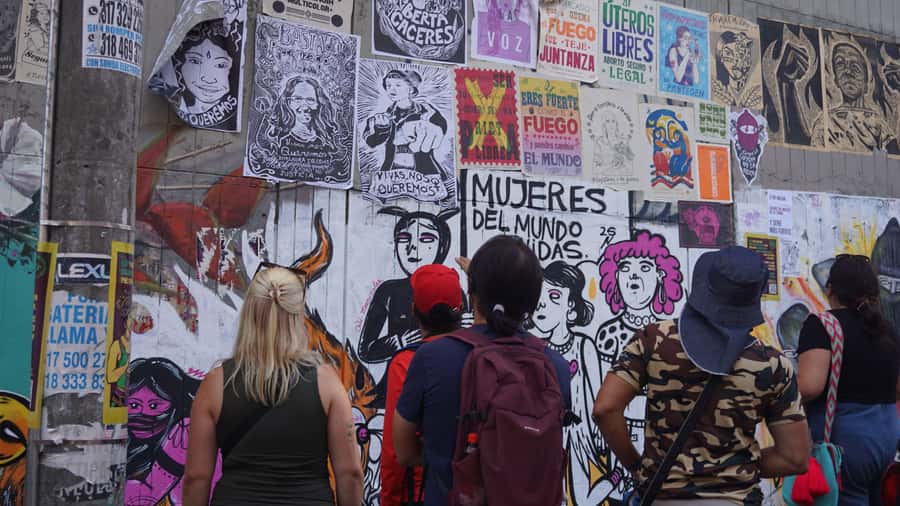
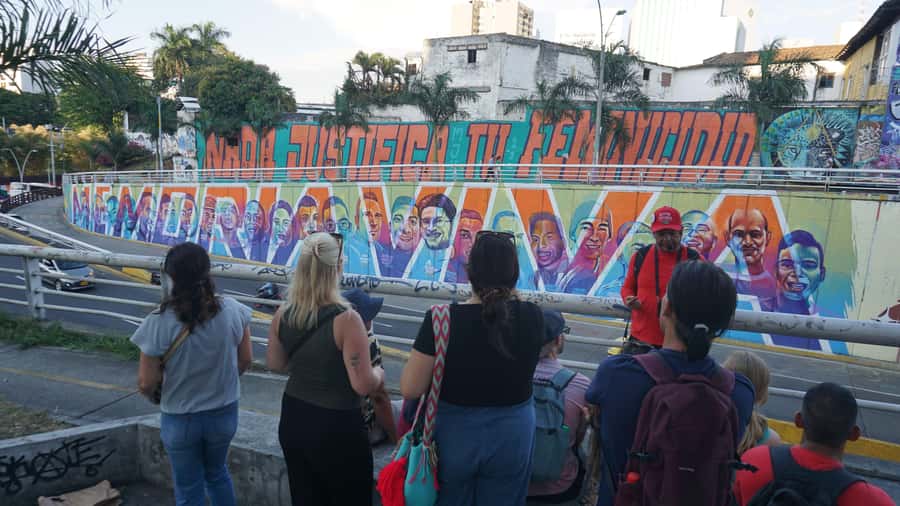
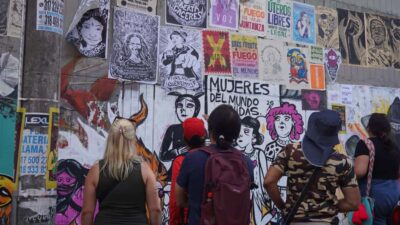
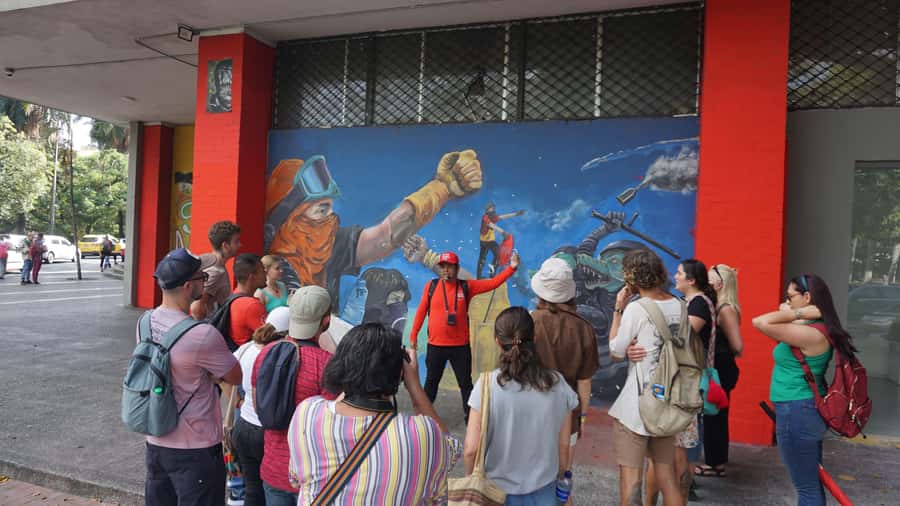
This is where the tour becomes more than history. You are shown murals that pay tribute to salsa characters, connecting them to the musical and social contributions that shaped Cali. The key idea is contrast: near those tribute paintings, you will also see more radical activist messages tied to popular struggle and causes.
That pairing helps you understand something essential. Salsa is not only a sound, it is a communication system. People learned to speak through rhythm and lyrics, and they learned to argue through art. Murals act like street archives. They also teach you how Cali people remember, and what they want the next generation to notice.
On the route, you will hit places built around local identity and nightlife culture. The Plazoleta de la Caleñidad is one of the named stops, and it sets the tone for what follows: Cali salsa as local identity, not a foreign product. From there, the walk shifts into areas where flavor, music, and street energy overlap.
Then there is the graffiti monument to victims N21. This kind of stop changes the mood in a good way, because it grounds the whole salsa and resistance theme. It reminds you that art is not only celebration, it is also remembrance.
Photography is part of the job. Bring your camera, take pictures of faces on the walls, and get close enough to capture what the guide points out. If your instinct is to rush, slow down. These murals are meant to be read, not just photographed.
What to look for while you listen
Keep your eyes moving in two directions:
- The salsa tribute imagery, who or what it honors.
- The nearby activist messages, what struggle they reference.
That pattern is the core of the tour’s “salsa with a different perspective” promise.
Other nights and other days in the Valle
Calle del Pecado and river boulevard curve, where nightlife gets explained
Cali’s salsa reputation is partly technique and style, but it is also the city’s nightlife energy. This tour does not ignore that side. It walks you through named spots where salsa culture lives in the street scene.
Two stops that fit this idea are Calle del Pecado, described as the street of flavor, and The Curve of the River Boulevard. Those names matter because they cue you that the tour will connect music culture to how people actually socialize. Salsa here is not only for dance classes. It is a popular lifestyle, and the streets reflect that.
When you reach Calle del Pecado, expect the guide to connect what you see around you with what salsa means in Cali. Think about how lyrics talk about love, freedom, conflict, and everyday life. Then compare that with what graffiti and murals communicate in visual form. Even if you do not know every detail yet, the message clicks faster because you are in the context, not reading it later.
The Curve of the River Boulevard also helps because it gives you space to observe the city feel. You can use that time to practice being present. Take a breath, look at the surroundings, and let the guide’s explanation tie back to the route you already covered.
Practical note: these areas can feel crowded. That matters for your comfort and for your belongings, so keep things secure and move when the group moves.
The historical arc: Caribbean roots to Cali’s 60s to 80s boom
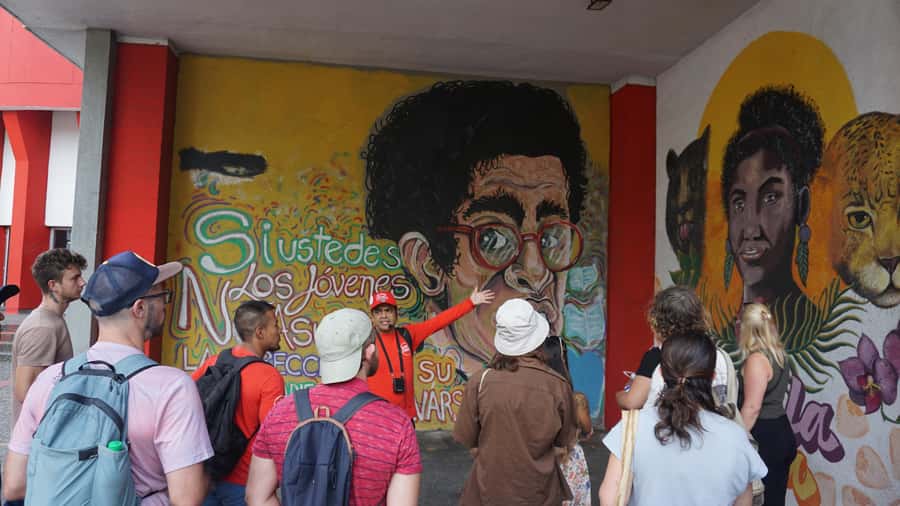
A good salsa story needs a time machine, and this one gives you one. You learn that salsa begins in the Caribbean Antilles, then shifts through a major musical mix period where it also finds definition in New York. After that, you get the Cali connection, especially the boom years of cultural development between the 1960s and 1980s.
Why this historical arc is valuable is simple. It prevents you from treating salsa as “just Cali’s thing.” You see the bigger network of influence behind the dance and music. You also see how people took something carried by history and shaped it into a local voice.
The tour also emphasizes salsa as a social movement. That framing explains why lyrics can feel like reporting and storytelling, not only romance. It also explains why art shows up beside it. When people face social struggles, they use whatever tools they have, music, dance, posters, walls, and public rhythm.
If you like understanding culture as a human process, not a branding slogan, you will enjoy this part. It makes the later mural stops feel logical. Each wall becomes an answer to the question: who are we, and what are we fighting for?
You are also reminded of something the guide keeps pointing back to: salsa exists thanks to emancipation history, meaning it carries ancestral survival and expression. That is a heavy idea, but the tour keeps it grounded in what you see.
World Cup Tunnel, 5th Avenue, and a route built for listening
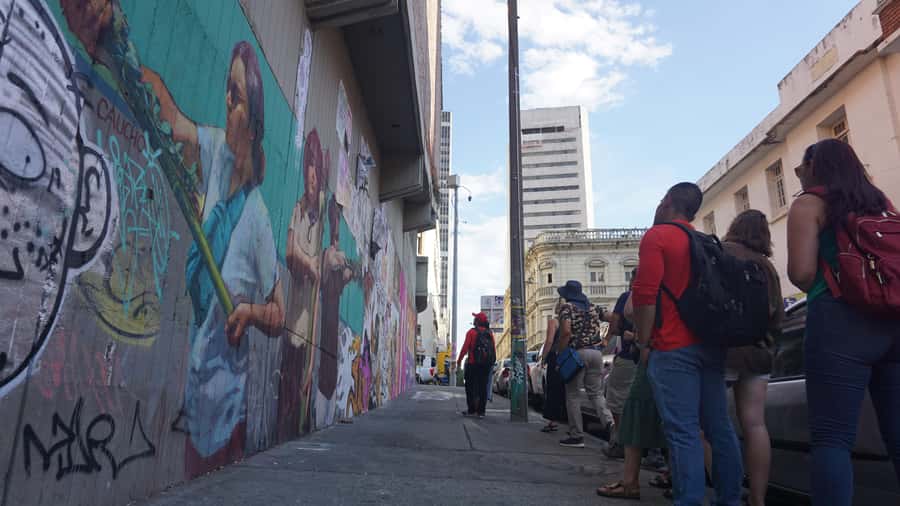
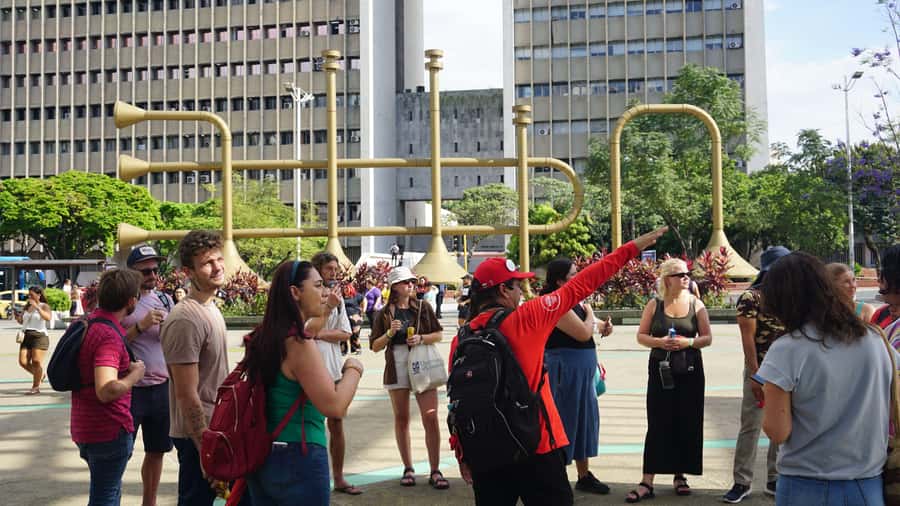
The route includes the World Cup Tunnel and 5th Avenue. These are not random landmarks. They function as “anchor points” where you pause, look, and connect the dots between sound, street art, and local stories.
The value here is that the guide uses the city itself as a teaching tool. Instead of listing names and dates, you get to watch how public art and public spaces carry meaning. Even if you are not a street-art expert, the guide’s role is to teach you how to read what is in front of you.
At these stops, I would pay extra attention to what the guide points at. In a walking tour like this, your best photos and your best learning moments often happen right when someone says, look at that detail. Keep your camera ready, but do not block your view. Listen first, then shoot.
Also remember the pacing. Because you walk about 8 km, your attention can fade if you treat the route like a checklist. Instead, pick one theme to track through the whole walk:
- How salsa connects to social struggle
- How murals show memory and identity
- How nightlife culture relates to the message in music
If you track just one, you finish the tour with a clear takeaway rather than a pile of names.
Cult salsa bars, then what to do with your new perspective
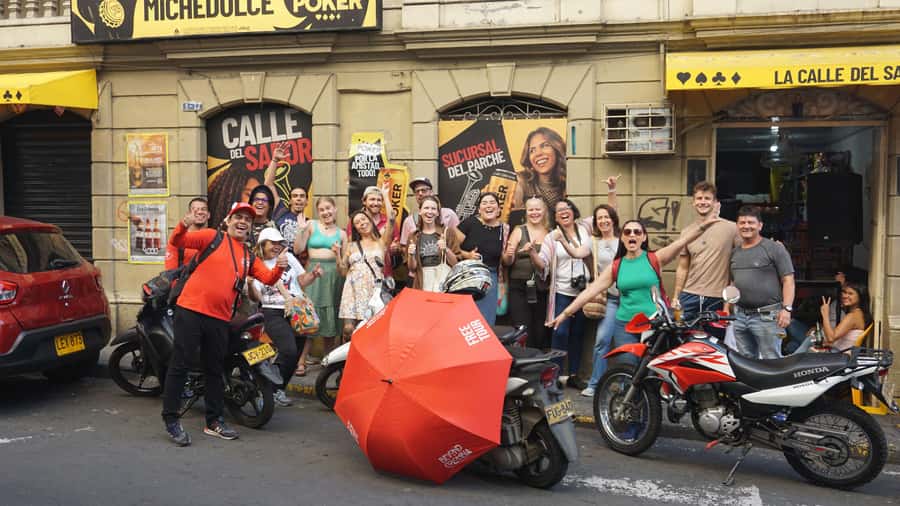
One of the most practical parts of the tour is that it does not end at the last mural. You get recommendations for cult salsa bars. That matters because Cali salsa is not only something you watch. If you want to keep learning, you need places where people actually dance and share music.
The tour also includes benefits and discounts with recommended partners, if you show the Free Walking Tour Map from their link. You do not have to hunt for it at the last minute. Bring your phone with the info ready, or check the map ahead of time so you can use the discount right when you want it.
Keep expectations realistic: drinks and food are not included. If you plan to grab something after, budget a little cash. Also, since you will likely feel hungry after walking, have a plan for where you want to eat before you wander.
If you go out dancing the same night, this tour sets you up well. You now understand the why behind the music. That makes the dance feel more meaningful because you can hear the social stories behind the rhythm.
A note on guide energy
The guides credited in the experience are often described as animated and enthusiastic. That is not small talk, it changes the experience. When a guide keeps the story moving, you stay engaged through a longer walk and multiple stops.
Guides like Christian and Cristian are repeatedly mentioned for enthusiasm and storytelling. If you have a preference for lively explanations over quiet academic notes, this one fits.
Is the $13 price a good deal?
For a 150-minute walking experience that includes a professional guide, history of Cali salsa and its link to popular culture, sightseeing of representative salsa movements, and active street art murals, $13 is hard to beat. The value improves because there are no ticket or entrance charges included, and the tour does not rope you into extra paid stops.
The price also makes sense for what you get after. Bar recommendations and partner discounts with the walking tour map can save you money later. Even if you only use one recommendation, it can quickly offset the cost.
What you should understand upfront is what is not covered. You handle your own food, drinks, and getting to and from the meeting point. You also provide your own hydration through water you bring.
Overall, you are paying for a guided street education, not a packaged show. If you like culture you can touch and see, $13 buys a lot of meaning per minute.
Who should book this Cali salsa and street art tour
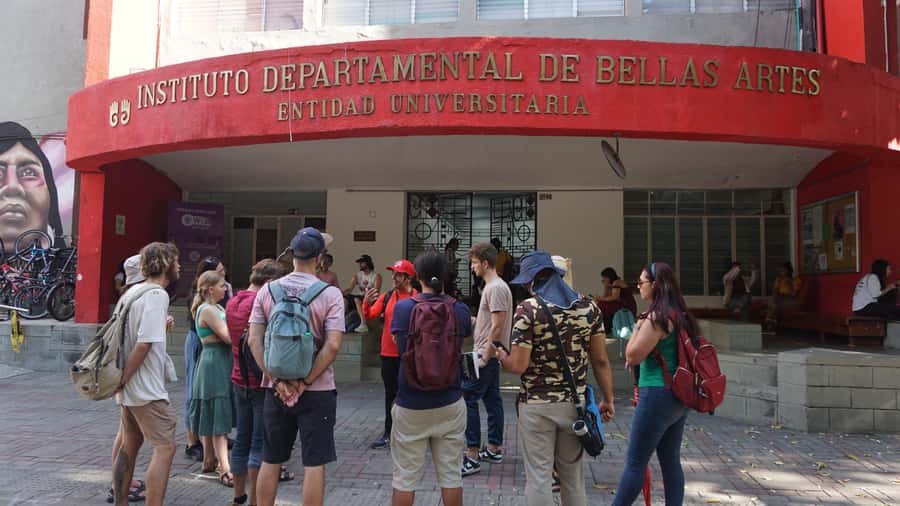
This tour is a strong match if you:
- Want salsa history tied to social movements, not just dance technique
- Like seeing how graffiti and murals communicate ideas
- Enjoy walking tours and can handle about 8 km in 150 minutes
- Want a fun, energetic guide style, with English or Spanish support
It may not fit if:
- You want a wheelchair-friendly route, since it is not suitable for wheelchair users
- You dislike long walks or crowded areas
- You only want salsa as entertainment and nothing about social context
If you are visiting Cali for the first time, this is also a smart orientation route. You learn the city’s salsa identity while you still have time to use the bar tips at night.
Should you book? A simple decision guide
Book it if you want Cali salsa with context. You will walk through murals that connect music to resistance, learn an origin story from the Caribbean to New York to Cali, and leave with practical salsa bar leads. The format fits people who learn best by looking while listening.
Skip it if you are not up for roughly 8 km of walking, or if you want food and transport included. This is a guide-led route built around street art and story, so bring water, bring shoes, and keep your phone ready for photos.
FAQ
How long is the tour?
The tour lasts about 150 minutes, roughly 2 hours.
Where do I meet the tour guide?
Meet at the Plazoleta Jairo Varela with the red umbrellas.
Is the tour in English and Spanish?
Yes. The live tour guide is available in Spanish and English. There is also an optional audio guide in Spanish.
What is included in the price?
The price includes a professional Beyond Colombia guide, salsa history and cultural context, sightseeing of representative salsa movements, and street art murals, plus recommendations of salsa bars and partner discounts if you show their Free Walking Tour Map.
Is food or drinks included?
No. Drinks and food are not included.
Will there be any entrance tickets or paid stops?
No. The tour does not include tickets or entrances, and it does not take you to places where sudden extra charges apply.
Do I need transportation to join the tour?
Transportation to and from your hotel is not included. The tour is walking, with resting stops.
What should I bring?
Bring comfortable shoes, a camera, and water (or your preferred hydration).
Is smoking allowed and is the tour wheelchair accessible?
Smoking is not allowed. The tour is not suitable for wheelchair users.
Is there a way to keep flexibility with payment and cancellation?
Yes. You can reserve now and pay later, and free cancellation is available up to 24 hours in advance for a full refund.
Everything Else We Reviewed in Cali Colombia


Cali Keeps Dancing
Just added to our Cali Colombia shelf
- From Cali: Whale Watching Day Trip in Buenaventura
★ 4.6 · 3 reviews - Private Tour on a 1100cc Cruiser Motorcycle
★ 5.0 · 4 reviews - Cali: Pico de Loro Trekking Adventure – Farallones de Cali
★ 5.0 · 4 reviews - Craft Beer Pub Crawl in Cali
★ 5.0 · 4 reviews - Flavors of Cali: Food tour at the local market
★ 5.0 · 5 reviews
Comuna 13 & Graffiti Street Art Walks, compared.
 ★ 4.8Medellin: Comuna 13 Graffiti Tour, Cable Car & Street FoodFrom $189,046 reviews
 ★ 4.9Medellín: Comuna 13 True Story and Street Food TourFrom $141,779 reviews
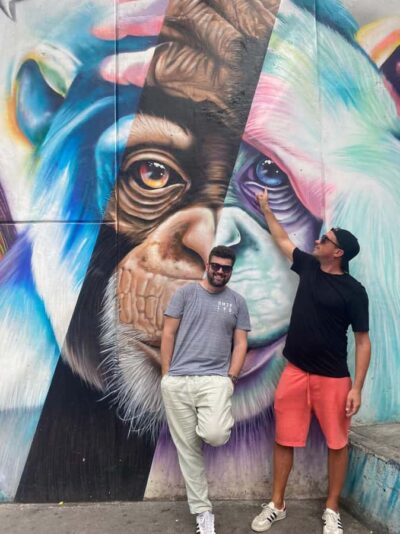 ★ 4.8Medellín: Comuna 13 District Tour with Cable Car RideFrom $271,467 reviews
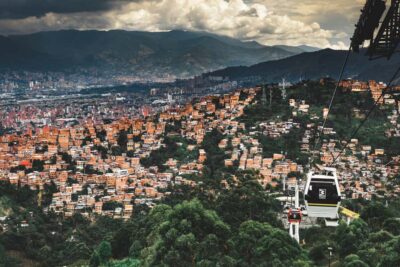 ★ 4.9Medellín: Private City Tour with Metrocable and Comuna 13From $76330 reviews
 ★ 4.9Medellín: Comuna 13 Tour with Snacks And Your Own GraffitiFrom $11311 reviews
 ★ 4.5City Tour + Commune 13 MedellinFrom $37295 reviews
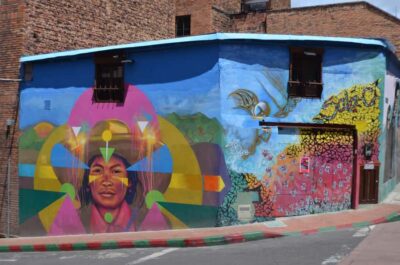 ★ 4.7Bogotá: La Candelaria Graffiti & Urban Art Guided TourFrom $16250 reviews
 ★ 4.9Medellín: Comuna 13 and Graffiti Guided Tour with a LocalFrom $16239 reviews
Where else this tour turns up