
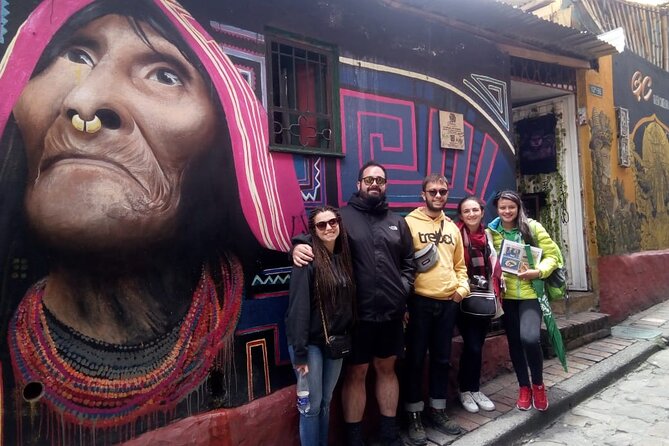
REVIEW · HISTORICAL TOURS
Historical tour Bogota
Bogotá’s history lives on its street corners. This 3-hour walk in the La Candelaria area connects legends like El Dorado to real political turning points, from colonial days through the Bogotazo, all at a comfortable pace. You’ll also get built-in context for how people live today, including what to do next in the city center.
I love two things most: the way the route turns famous names into stories you can picture on the sidewalk, and how guides keep it engaging and not draining. I’ve seen praise for guides like Paula, Jennifer, and Ricardo Jiménez for explaining politics, culture, and everyday life in a friendly, clear way.
One consideration: you’ll be walking for about 3 hours over uneven central streets, so wear comfy shoes and keep a moderate fitness level in mind.
In This Review
- Key Highlights You Shouldn’t Miss on This Bogotá Walk
- Why This 3-Hour Historical Tour in Bogotá Works for First-Time Visitors
- Plaza de Bolívar, Bogotá’s Core Starting Point
- Teatro Colón and the Simón Bolívar Connection
- La Candelaria Cultural Block and the Botero Thread
- Chorro del Quevedo and the Chicha Prohibition Story
- La Concordia Market Square: Local Drinks, Juices, and Souvenirs
- Eje Ambiental, Monserrate Views, and García Márquez Social Life
- Jorge Eliécer Gaitán Monument and the Bogotazo
- Plazoleta del Rosario Finale: Emerald Market Energy and Next-Day Ideas
- Price, What’s Included, and How to Think About Value
- Logistics That Affect Your Comfort (Not Just Your Calendar)
- Who Should Book This Bogotá Historical Tour (and Who Might Skip It)
- Should You Book This Historical Tour Bogota?
- FAQ
- How long is the historical tour in Bogotá?
- Where does the tour start and end?
- Is the tour walking only, and what fitness level is needed?
- Are admission tickets included?
- Are snacks or drinks included in the price?
- Will the tour run in bad weather?
Key Highlights You Shouldn’t Miss on This Bogotá Walk
- Plaza de Bolívar orientation: start with the city’s core and the buildings you’ll keep seeing referenced afterward.
- Teatro Colón stop with Bolívar connection: a quick look at a major landmark tied to Simón Bolívar’s life.
- La Candelaria cultural block and Botero angle: learn how art threads into Bogotá’s identity.
- Chorro del Quevedo and the chicha prohibition story: one of those facts that feels surprising until it clicks historically.
- Monserrate views plus García Márquez meeting place: you get the scenery and the literary-social context.
- Jorge Eliécer Gaitán and the Bogotazo: real national history tied to a monument you can actually stand in front of.
More of the Bogota backstory
- Shared Tour of Bogota’s Historic Downtown (La Candelaria)★ 4.7 · 100 reviews
- 7-hour City Tour of Historic Bogotá with Monserrate★ 4.7 · 47 reviews
- Bogota’s Historic Center and Monserrate in one day★ 4.9 · 8 reviews
- Candelaria Unveiled: Cool-tural Heritage Walking Tour★ 4.4 · 6 reviews
Why This 3-Hour Historical Tour in Bogotá Works for First-Time Visitors
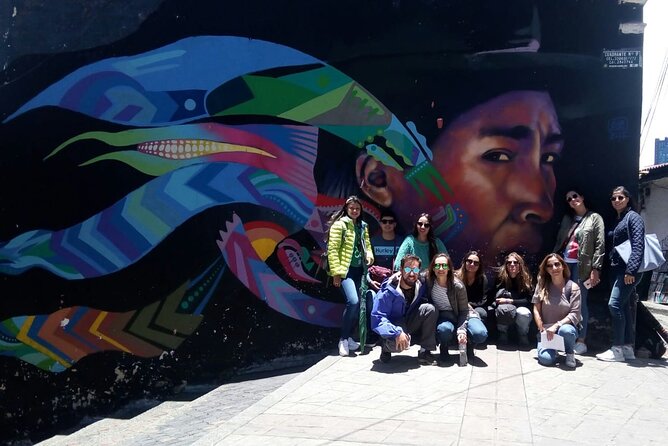
If you’re short on time in Bogotá, this kind of route is worth its weight in simple directions. You spend a few hours doing the hard part for your brain: putting major names and events onto actual neighborhoods, plazas, and streets.
The best part is that it’s not just “here’s a building.” The tour is designed to link eras together. You begin with how the capital took shape, then move through indigenous presence, colonial rule, independence, and later events like the Bogotazo. That arc makes Bogotá feel less like a list of facts and more like one long story with chapters you can recognize.
A nice bonus for planning: the ending is set up for momentum. You finish in the same central zone where you can keep wandering, shopping, or eating without needing a whole new plan.
Plaza de Bolívar, Bogotá’s Core Starting Point
Your first major stop is Plaza de Bolívar, the kind of plaza that helps you understand Bogotá’s layout in one shot. From here, the tour frames the city’s beginnings and points you toward the key buildings that show up again and again in Colombian history conversations.
This is a good start because it gives you a mental map before the story gets more intense. It also helps you appreciate later stops, since many of them relate back to the political and civic center you’re seeing right away.
If you’re the type who gets turned around easily, arrive with a little patience and do the “look around first” thing before your guide starts. The plaza is open, and it makes it easier to follow the walk.
Teatro Colón and the Simón Bolívar Connection
Next up is Teatro Colón Bogotá, where you get a quick, high-impact lesson at one of Colombia’s notable landmarks. The highlight here is the connection to Simón Bolívar, tied to where he lived.
This stop is short, but it does something important. It shifts the tour from “general national story” to “personal history.” When Bolívar becomes tied to a place you can see, his role stops feeling abstract.
I’d use this moment to slow down and look at the building and surroundings. Even if you’re not into architecture, it helps you lock in the era the guide is talking about.
La Candelaria Cultural Block and the Botero Thread
Then you’ll head to the area around the Museos del Banco de la República. From the outside, you get a sense of the cultural block in La Candelaria and why it matters to the city.
The guide also brings Fernando Botero into the conversation, focusing on the artist’s life. This is a smart move because Botero is so recognizable, but most people don’t connect him to a broader Bogotá identity until someone explains the link.
One practical reason I like this stop: it anchors you in art and culture without forcing you to plan museum tickets or timed entries. It’s an efficient “add meaning first” moment before you keep walking.
Chorro del Quevedo and the Chicha Prohibition Story
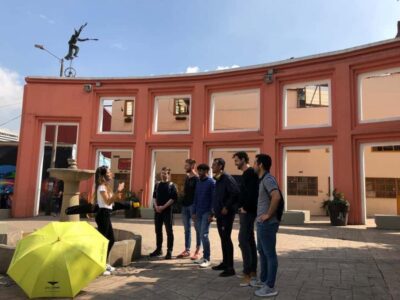
At Plaza Del Chorro Del Quevedo, you learn about the foundation square of Bogotá and why it matters. The tour also includes a story about chicha and how it was prohibited.
That chicha detail is exactly the kind of thing that makes a walking tour memorable. It’s not just food trivia. It’s a window into how authorities, culture, and daily life collide across time.
If you like history that shows up in ordinary habits, this stop delivers. Chicha becomes a clue for how Bogotá’s social world has changed, and why certain traditions faced pressure.
La Concordia Market Square: Local Drinks, Juices, and Souvenirs
The next stop is Plaza De Mercado La Concordia, where you’re in a market-square setting rather than a purely monument-based one. The tone shifts here, and that’s a good thing on a history-heavy walk.
You can have the traditional drink of Bogotá, chicha, or choose a typical Colombian juice. There’s also time to buy souvenirs if you want something small to bring home.
A balanced note: since snacks and meals are not included, you’ll want to decide early if you’re planning to stop for a drink. If you’re already doing lunch later, a single beverage here is plenty. If you want the full food-and-drink experience, build this into your schedule and bring a little extra cash for market purchases.
Eje Ambiental, Monserrate Views, and García Márquez Social Life
At Eje Ambiental, the tour gives you one of the more satisfying “photo and context” combinations. You get a nice view toward Monserrate and learn how to get to the hill.
More than the view, though, this stop ties in Gabriel García Márquez, including the square where he used to have social meetings. That turns a skyline element into part of Bogotá’s literary culture.
I like stops like this because they help you picture where people gathered, not just what they wrote or ruled. And if you’re planning a Monserrate visit later, this is where the orientation starts.
Tip for your day: after this stop, you’ll probably want to keep walking with more purpose. You’ll have enough context to decide whether Monserrate fits your remaining hours.
Jorge Eliécer Gaitán Monument and the Bogotazo
Now comes a heavier chapter. At the Jorge Eliecer Gaitan Monument, the tour explains who Gaitán was and why he mattered to Colombia. You also get the link between his story and the Bogotazo, and how it connects to the violence in Colombia.
This isn’t framed as scary shock value. The guide’s job here is to place events into a human timeline so you can understand the scale and why it still echoes.
A practical way to handle this stop: let the guide finish the full explanation before you start scanning the area for photos. It’s tempting to treat monuments like photo backdrops, but the monument works best when you absorb the story first.
If you want your Bogotá to feel meaningful, this is one of the most important stops on the route.
Plazoleta del Rosario Finale: Emerald Market Energy and Next-Day Ideas
The tour ends at Plazoleta del Rosario, a square known for its emerald market. It’s a fitting finale because the walk shifts from big historical chapters to daily commerce and local texture.
You’ll learn what the tour means by that emerald market focus, and you may see how the stone is marketed in a more informal way. Then the guide gives recommendations for your stay in the city.
This is where the tour becomes more than a sightseeing walk. The guide’s practical suggestions can save you time, especially when you’re trying to decide where to eat or which spots make sense next.
One review detail that stands out here is how some guides end with help beyond history, including pointers for coffee spots, money exchange, and museums. Even if you don’t use every suggestion, that kind of local sorting is valuable when your plans are still half-formed.
Price, What’s Included, and How to Think About Value
The price listed is $19.77 per person, and it’s a fair match for what you get. You’re buying a structured 3-hour orientation walk through the center, guided by a real person, with focus on major landmarks and key national stories.
Admission tickets show up as free for the stops along the way, and you’re not spending your time figuring out separate entrances. Instead, you get a guided route that keeps the day coherent.
What’s not included is also important. Snacks, drinks, meals, and purchases are on you. That matters because the route includes a market stop where you might want a drink. If you budget loosely, you might feel surprised at the end. If you budget intentionally, it becomes a bonus.
Also watch for the “free tour” label. Some groups using free-tour style formats end by contributing at the end, and there are examples of people choosing to pay after the tour lasted about 3 hours. If that’s your style, bring some cash so you can respond at the end, even if you start with a booking plan.
Bottom line: for a short stay, this price is a practical way to get your bearings fast and learn the country’s story without building your own self-guided itinerary.
Logistics That Affect Your Comfort (Not Just Your Calendar)
This walk is designed to be about 3 hours, and the group size is capped at 30 travelers. Smaller groups generally help with questions and pacing, and the reviews consistently praise guides for making the tour feel clear rather than rushed.
There’s also a weather note worth taking seriously. The tour will not be cancelled due to bad weather, so bring an umbrella. Bogotá can throw rain into your plans, and this tour keeps going. Plan your clothing like you might need it.
The meeting point is in La Candelaria, and the walk finishes near central shopping and dining at the Rosario area. If you’re using public transport, being near transit helps you reduce stress before and after the tour.
Finally, it’s listed as moderate physical fitness. That’s not a warning to avoid it, it’s a heads-up to wear shoes you trust on stone sidewalks.
Who Should Book This Bogotá Historical Tour (and Who Might Skip It)
This is a great fit if you:
- Have limited time and want a story-based orientation to Bogotá’s center.
- Like history that connects politics, culture, and everyday life.
- Want guidance on what to do next, especially around where to eat and what to explore.
It might be less ideal if you:
- Prefer museums and quiet indoor time only. This is a street-level walk.
- Want a super deep, stop-by-stop archaeology or museum-hour plan. This tour is about direction and understanding, not slow exploration.
If you enjoy getting your bearings quickly and leaving with a mental timeline, this works very well. If you love long, detailed, individual museum hours, you might pair it with one extra museum visit on a separate day.
Should You Book This Historical Tour Bogota?
Yes, if you’re arriving in Bogotá and want a clean way to understand the city in just a few hours. The route hits the kind of places that help you navigate the center, and the stories behind them give you context for why people talk about Bogotá the way they do.
I’d book it early in your trip. You’ll make better choices afterward, because your guide’s narrative turns landmarks into reference points. And if you’re lucky enough to get a guide like Paula or Jennifer, you should expect clear explanations with an upbeat, friendly tone that keeps the history from feeling heavy.
Just come prepared for a real walking day, bring your umbrella, and plan to spend a little extra for market drinks or your final square snacks. Then you’ll get what this tour is best at: making Bogotá’s past feel like it’s standing right in front of you.
FAQ
How long is the historical tour in Bogotá?
It lasts about 3 hours.
Where does the tour start and end?
It starts at Cra. 7 #11-10 in La Candelaria and ends at Av Jimenez de Quesada #6-71 in La Candelaria, finishing at Rosario Square.
Is the tour walking only, and what fitness level is needed?
It’s a walking tour of the city center. It’s listed as suitable for travelers with a moderate physical fitness level.
Are admission tickets included?
For the listed stops, admission tickets are shown as free. The tour includes a tourist guide and a walk through areas of interest in the center.
Are snacks or drinks included in the price?
No. Snacks, drinks, meals, and purchases are not included.
Will the tour run in bad weather?
The tour will not be cancelled due to bad weather, so it’s recommended to bring an umbrella.
The Rest of Our Bogota Reviews



Everything Else We Reviewed in Bogota
Bogota and Its Past
Just added to our Bogota shelf
- Fun Graffiti Workshop: The Art of Aerosol and Color
★ 5.0 · 3 reviews - From Bogota: White Water Rafting Experience
★ 4.4 · 3 reviews - From Bogota: Excursion to Jaime Duque Park
★ 5.0 · 3 reviews - Bogotá: La Candelaria Food Tour with Tastings
★ 4.2 · 3 reviews - Walking tour José Celestino Mutis Botanical Garden 3 hrs
★ 5.0 · 3 reviews
Historical Tours, compared.
 ★ 4.9Cartagena: Historic Center and Getsemaní Shared Walking TourFrom $122,716 reviews
 ★ 4.8Shared Tour Cali’s Historical DowntownFrom $13143 reviews
 ★ 4.9Medellín: History & Local Life Essentials Tour on an E-BikeFrom $48130 reviews
 ★ 5.0Historical Shared Tour Salsa, Graffiti & Resistance in CaliFrom $14107 reviews
 ★ 4.7Shared Tour of Bogota’s Historic Downtown (La Candelaria)From $13100 reviews
 ★ 4.9Medellin Historic Walking TourFrom $1486 reviews
 ★ 4.9From Medellín: Private Pablo Escobar History TourFrom $6384 reviews
 ★ 5.0Cali: Walking tour of the historic centerFrom $4169 reviews
Where else this tour turns up