
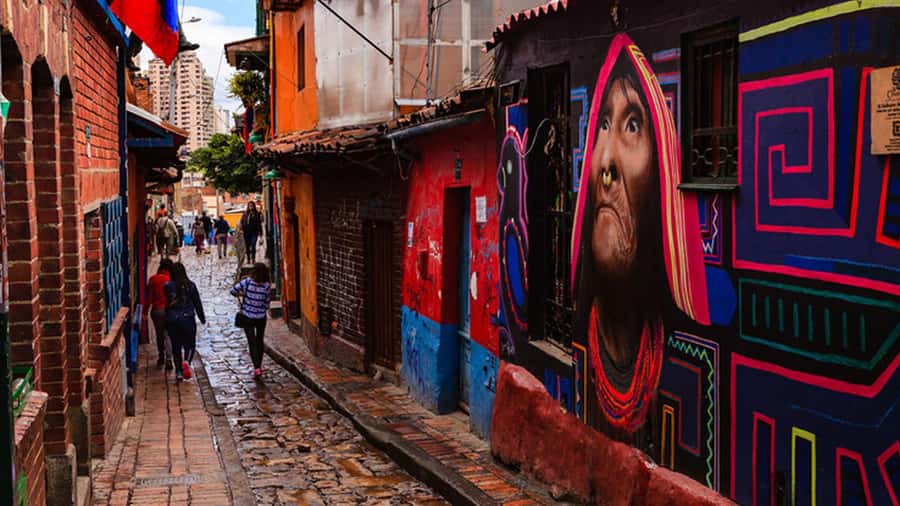
REVIEW · BOGOTá LA CANDELARIA & MONSERRATE
Candelaria Unveiled: Cool-tural Heritage Walking Tour
You get history, art, and real local know-how in one compact walk. I like how this tour connects the street-level sights to the bigger story of Bogotá and Colombia, and I also like the hands-on guidance for what to eat and do afterward in the city. One thing to keep in mind: it is a walking tour through older streets, so comfortable shoes matter, especially around the cobblestones.
What makes it work is the mix of major landmarks with “how to see it right” commentary, plus a guide who keeps things moving. You’ll go English or Spanish with the live guide, and the pace is designed for about 150 minutes from start to finish at the Botero Museum. My only caution is simple, any tour can suffer a hiccup if a guide does not show up, so double-check your meeting details the day before.
In This Review
- Key Highlights You Should Know
- A 150-Minute Walk Through Bogotá’s La Candelaria
- Meeting at Monumento a Policarpa Salavarrieta, Then Getting Oriented Fast
- La Concordia Market: Crafts, Culture, and a Food-Friendly Pause
- Chorro de Quevedo Plaza: Where the City’s Founding Story Takes Shape
- Callejón del Embudo: A Cobblestone Street With a Built-In Secret
- Teatro Colón: Historic Ambience, City-Life Energy
- Plaza de Bolívar: The Civic Heart and Its Surrounding Landmarks
- Casa de La Pola and Iglesia San Ignacio: Liberation and Faith in Close Proximity
- Gabriel García Márquez Cultural Center and Manzana Cultural: Museums in One Neighborhood Block
- Museo Botero Finale: Why This Ending Fits the Neighborhood
- How the Best Recommendations Help You After the Tour Ends
- Guides Matter: Sharik and Jorge Set the Tone
- Price and Value for Bogotá’s Historic-Core Orientation
- Who This Tour Fits Best (And Who Might Reconsider)
- Should You Book Candelaria Unveiled?
- FAQ
- How long is the tour?
- Where does the tour start?
- Where does the tour finish?
- What languages is the live guide available in?
- What is included in the price?
- What is the price per person?
- Is the tour wheelchair accessible?
- Is free cancellation available?
- Is it suitable for everyone?
Key Highlights You Should Know
- Chorro de Quevedo, tied to Bogotá’s founding story in 1538 by Gonzalo Jiménez de Quesada
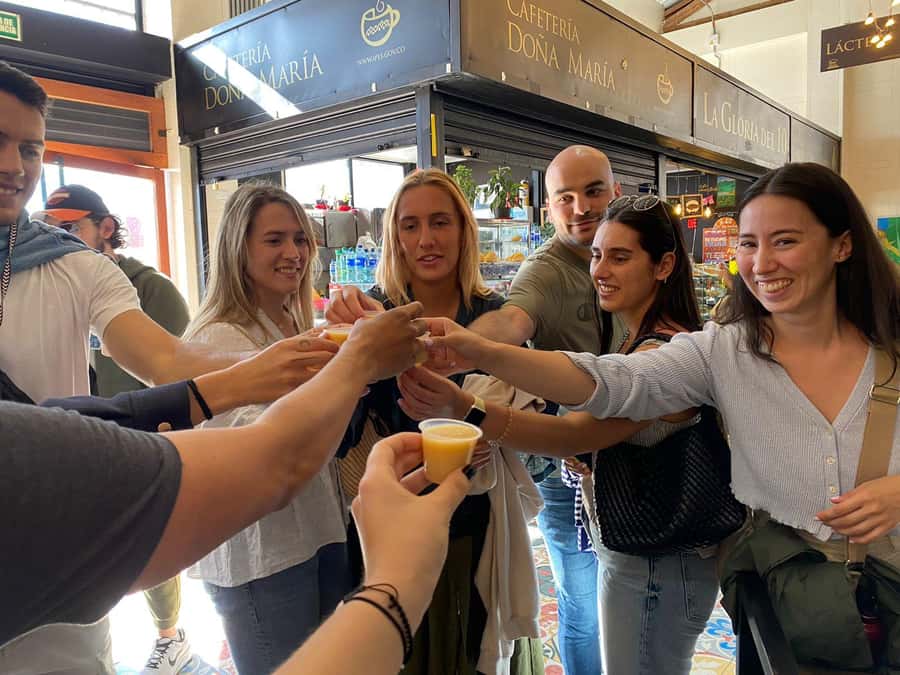
- La Concordia market area, where local crafts and culture set the tone fast
- Callejón del Embudo, a cobblestone street shaped like a funnel on the edge of the old Quebrada de San Bruno
- Bolívar Square, the civic center framed by major national landmarks
- Manzana Cultural and museums, including time with the Botero Museum to cap the tour
Around La Candelaria and up the hill, other options
- Bogotá: Guided La Candelaria Walking Tour★ 4.8 · 1,229 reviews
- Bogotá: Private City Tour, Monserrate, Emerald and Botero★ 4.9 · 798 reviews
- Bogotá City Tour with Monserrate, Gold and Botero Museums★ 4.9 · 584 reviews
- Bogotá: La Candelaria Graffiti & Urban Art Guided Tour★ 4.7 · 250 reviews
A 150-Minute Walk Through Bogotá’s La Candelaria
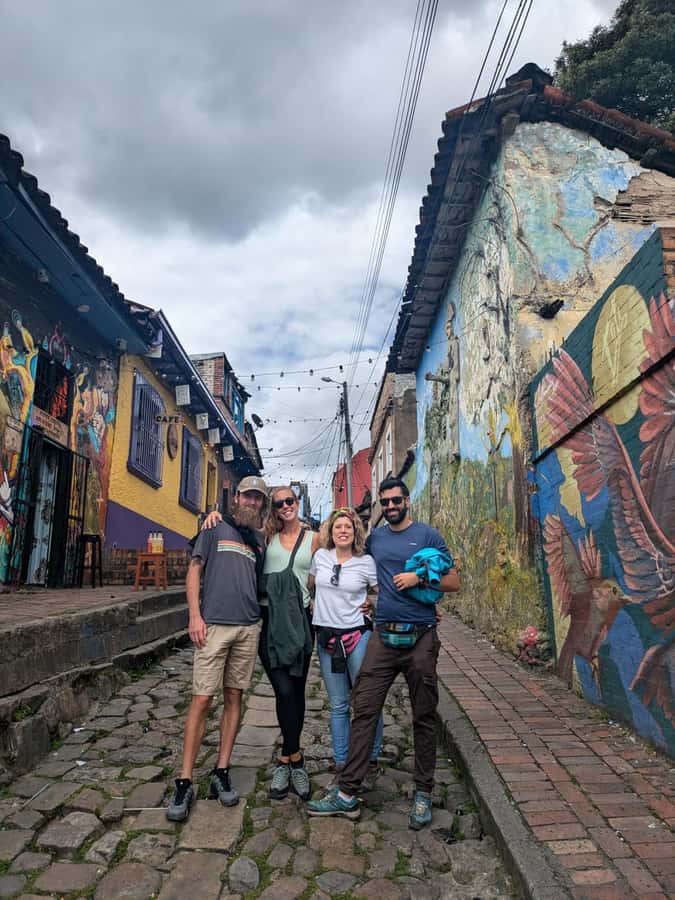
This is the kind of tour that helps you stop guessing. In about two and a half hours, I like that you get a practical orientation to La Candelaria, one of Bogotá’s most historically loaded neighborhoods, without feeling stuck in a lecture mode.
You’ll see big names and big places, but you’ll also learn how they connect. The result is that when you later wander on your own, you know what you are looking at and why it matters.
Meeting at Monumento a Policarpa Salavarrieta, Then Getting Oriented Fast
You start in front of the Monumento a Policarpa Salavarrieta. That is a strong opening point because Policarpa Salavarrieta was a heroine of the liberation campaign, and her story sets a theme for the whole walk.
From the first minutes, a good guide helps you get your bearings quickly. You’re not just moving from photo spot to photo spot, you’re learning how people, politics, and place names tie together in central Bogotá.
La Concordia Market: Crafts, Culture, and a Food-Friendly Pause

La Concordia is where the tour slows down in a useful way. You get a guided look at a market area that blends tradition, crafts, and local culture, and it’s a nice place to notice how daily life fits into historic surroundings.
If you care about eating well without overthinking it, this stop pays off. Even if you do not buy anything, you can use what you learn to spot where the best snacks and lunch options tend to be later.
Chorro de Quevedo Plaza: Where the City’s Founding Story Takes Shape
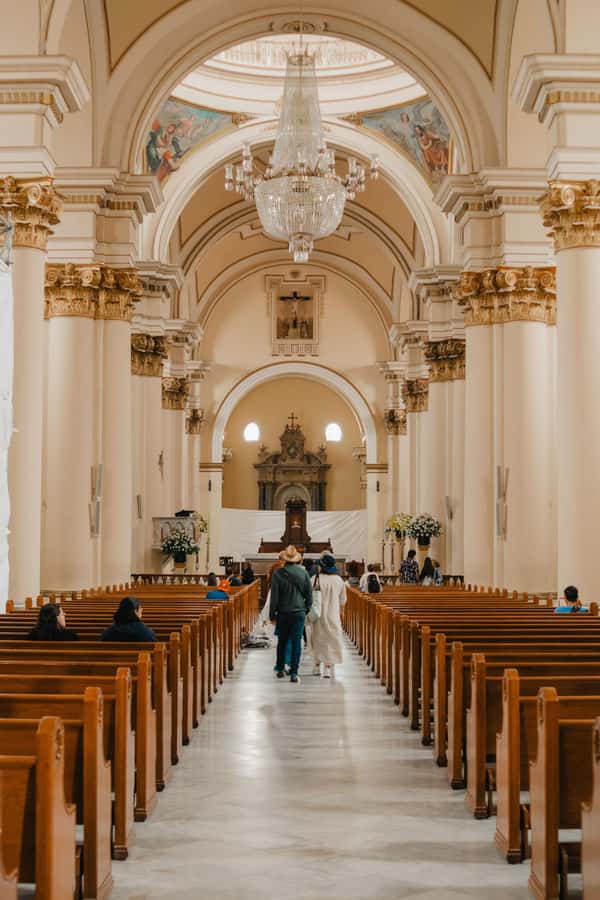
Chorro de Quevedo is one of those places that instantly makes history feel specific. It is identified as the area where Bogotá was founded in 1538 by the Spanish conquistador Gonzalo Jiménez de Quesada, and that date gives you a clear timeline anchor.
I like how the tour frames the neighborhood as a living layer cake. You are looking at streets and plazas that have kept their identity while the city grew around them, including new power centers and later cultural institutions.
Other Bogota routes done on foot
Callejón del Embudo: A Cobblestone Street With a Built-In Secret
Next comes Callejón del Embudo, a cobblestone street shaped like a funnel. The standout detail is the reason for the shape: it was the edge of the ancient Quebrada de San Bruno.
What I find useful here is that the tour teaches you to read the city’s geography. Even when the water is long gone, the street layout holds clues, and once you notice that, you’ll start seeing patterns everywhere in Bogotá.
Practical note: cobblestones can be a slip hazard when you are not paying attention. I recommend shoes with grip and a steady pace, especially if you plan to keep walking after the tour ends.
Teatro Colón: Historic Ambience, City-Life Energy
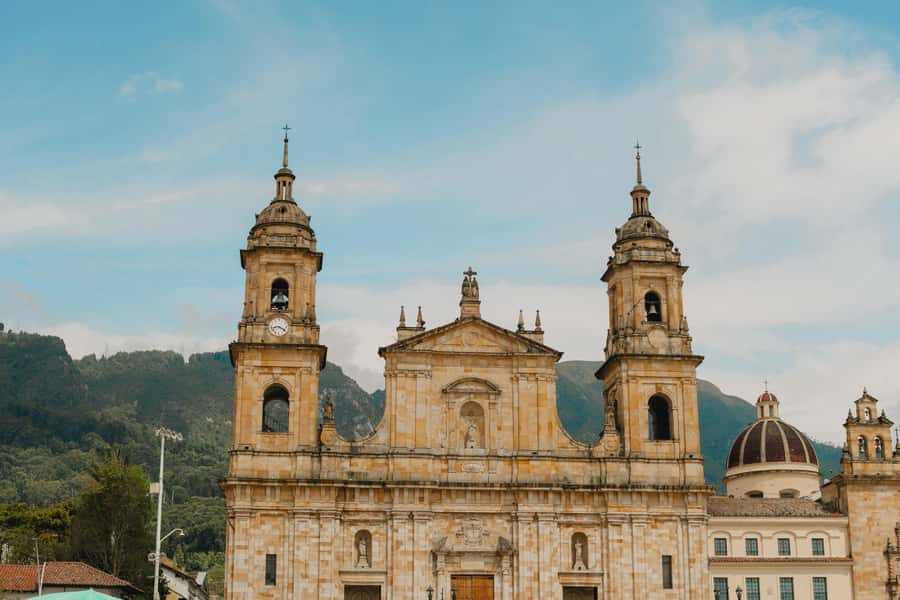
You’ll also get a stop at Teatro Colón. Even if you are not catching a show, the building helps you understand how culture and public life took shape in central Bogotá.
This part of the walk works best when you let your guide do the connecting. You’ll get context about how theaters, institutions, and major streets supported the city’s public identity over time.
Plaza de Bolívar: The Civic Heart and Its Surrounding Landmarks
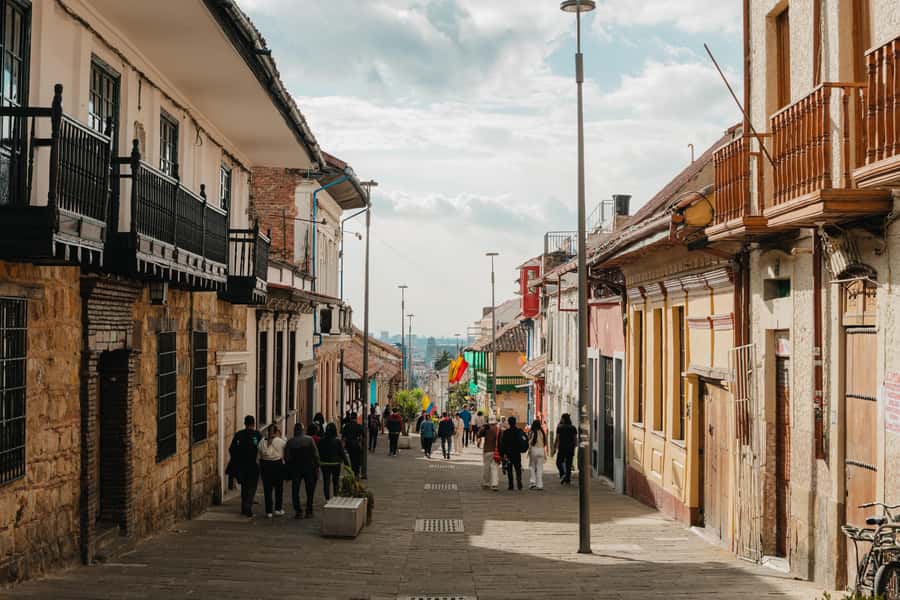
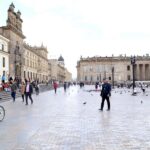
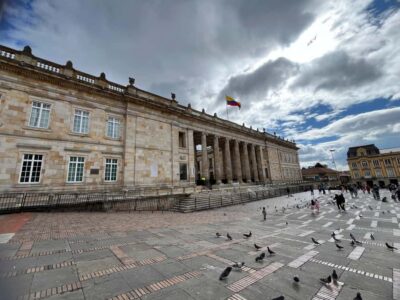
Plaza de Bolívar is the center of gravity for Bogotá. The area is surrounded by iconic buildings like the Palace of Justice and the National Capitol, so you are standing in the middle of political and national symbolism.
What makes this stop valuable is perspective. Instead of treating it as one “pretty square,” you learn how civic power is staged around a public space, which helps you understand why this area remains so important.
Casa de La Pola and Iglesia San Ignacio: Liberation and Faith in Close Proximity

The tour includes Casa de La Pola, tied to Policarpa Salavarrieta, and also stops by Iglesia San Ignacio, built in the 17th century. That pairing is smart because it shows two major threads in the city’s older identity: resistance and religion.
At Casa de La Pola, the story gives you a human lens on liberation history, not just a date on a wall. At Iglesia San Ignacio, you get the sense of how 17th-century architecture and Catholic tradition shaped the way central Bogotá looked and functioned.
This is also a good reminder that the “historic” part of La Candelaria is not frozen. Buildings and stories keep influencing how people think and move through the neighborhood today.
Gabriel García Márquez Cultural Center and Manzana Cultural: Museums in One Neighborhood Block
You’ll visit the Gabriel García Márquez Cultural Center as part of the guided portion. Then the walk connects you to Manzana Cultural, a key area that houses three of the most important museums, including the Botero Museum.
This is where the tour starts paying off for art lovers and for anyone who wants a smarter museum strategy. The idea is not just to see one place, it is to understand that the area works like a cluster, so you can plan your time efficiently if you want to return later.
Museo Botero Finale: Why This Ending Fits the Neighborhood
The tour finishes at the Botero Museum, and that ending makes sense. Botero’s work feels at home in a place that blends politics, religion, and public art spaces, and you get a chance to pause and absorb rather than keep sprinting between stops.
If you are the type who needs a “landing point” at the end of a walking tour, this helps. Finishing at a major museum means you can decompress, take your time, and decide what you want to explore next without rushing.
How the Best Recommendations Help You After the Tour Ends
One of the best parts is that the tour is not only about what you see. The experience is also designed to give you recommendations for restaurants, clubs, and activities in Bogotá.
I love when a walking tour helps with day-two decisions. You get to ask questions while you’re still in the neighborhood, and that means your choices are more likely to match where you actually are in the city, not where your imagination thinks you are.
Guides Matter: Sharik and Jorge Set the Tone
The guide quality seems to be a major reason people rate this tour so highly. I paid attention to the fact that guides like Sharik and Jorge are specifically praised for being informative, for handling questions well, and for keeping the route engaging even when the group is small.
Here’s why that matters in practice: La Candelaria has a lot going on, and it’s easy to get lost in details without a thread. A strong guide gives you that thread fast, so you understand what you’re seeing while you’re still standing there.
If your Spanish is coming along, you can still benefit fully in English, and if you’re comfortable in Spanish, you might find it even easier to follow smaller story details.
Price and Value for Bogotá’s Historic-Core Orientation
At $16 per person for about 150 minutes, this is positioned as good value for a city-orientation walk. You’re not just paying for sightseeing, you’re paying for a guide, guided segments, and some entrances to museums and churches.
That matters because museum time is rarely “free time.” If you are trying to make your limited days count, having at least some admissions included can lower friction and help you keep momentum.
Is it a “private guide all day” experience? No, it’s a focused walking tour. But for most visitors, that structure is exactly what you want when you’re aiming to understand Bogotá’s colonial architecture and then move on to your own plans.
Who This Tour Fits Best (And Who Might Reconsider)
This works well if you want a guided introduction to central Bogotá. If you like history tied to place names, want help connecting architecture to national stories, and appreciate practical local tips, you’ll probably enjoy it.
It may not be ideal if you need very slow pacing or if walking is a challenge for you. It is wheelchair accessible, but the tour still involves walking through the neighborhood, including cobblestone areas like Callejón del Embudo.
Also, it is not suitable for people over 95 years, so if you’re traveling with someone at the upper end of that range, you’ll want to plan a different format.
Should You Book Candelaria Unveiled?
I’d book it if you want an efficient, story-driven way to see La Candelaria and walk away with a clearer sense of what to do next in Bogotá. The route hits major landmarks and connects them to real context, and the Botero Museum finish gives you a satisfying end point.
I would book with one extra habit: confirm the meeting spot the day before and arrive a bit early at the Monumento a Policarpa Salavarrieta. Like any group activity, rare issues like a no-show can happen, and being prepared helps you protect your day.
If you’re choosing between “just wandering” and “getting the threads,” this is a smart middle step.
FAQ
How long is the tour?
The tour lasts about 150 minutes.
Where does the tour start?
The meeting point is in front of the Monumento a Policarpa Salavarrieta.
Where does the tour finish?
The tour finishes at the Botero Museum.
What languages is the live guide available in?
The guide offers live interpretation in English and Spanish.
What is included in the price?
You get an expert guide, plus entrance to some museums and churches.
What is the price per person?
The price is $16 per person.
Is the tour wheelchair accessible?
Yes, the tour is wheelchair accessible.
Is free cancellation available?
Yes, you can cancel up to 24 hours in advance for a full refund.
Is it suitable for everyone?
It is not suitable for people over 95 years.
Bogota and Its Past
Walk Bogota Slowly

La Candelaria, Then Up Monserrate
Just added to our Bogota shelf
- Fun Graffiti Workshop: The Art of Aerosol and Color
★ 5.0 · 3 reviews - From Bogota: White Water Rafting Experience
★ 4.4 · 3 reviews - From Bogota: Excursion to Jaime Duque Park
★ 5.0 · 3 reviews - Bogotá: La Candelaria Food Tour with Tastings
★ 4.2 · 3 reviews - Walking tour José Celestino Mutis Botanical Garden 3 hrs
★ 5.0 · 3 reviews
Bogotá La Candelaria & Monserrate, compared.
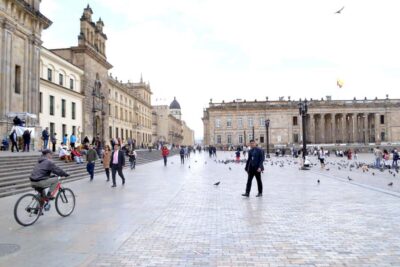 ★ 4.8Bogotá: Guided La Candelaria Walking TourFrom $161,229 reviews
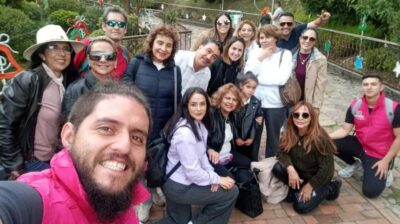 ★ 4.9Bogotá: Private City Tour, Monserrate, Emerald and BoteroFrom $65798 reviews
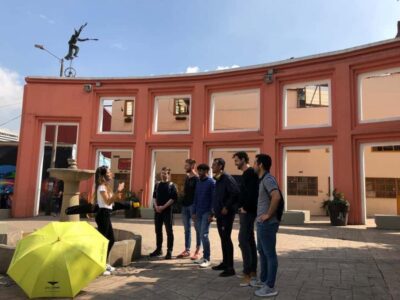 ★ 4.9Bogotá City Tour with Monserrate, Gold and Botero MuseumsFrom $65584 reviews
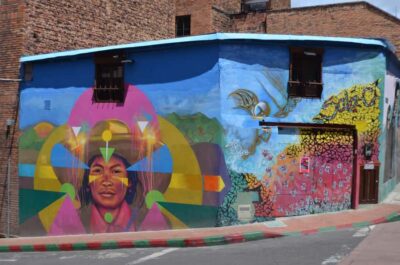 ★ 4.7Bogotá: La Candelaria Graffiti & Urban Art Guided TourFrom $16250 reviews
 ★ 4.4Bogota: Monserrate Entry TicketFrom $16233 reviews
 ★ 4.7Bogotá: City Tour, Monserrate, Gold Museum, Plaza de BolivarFrom $88168 reviews
 ★ 4.8BOGOTA: City Tour, Monserrate, Gold Museum, Botero Museum, Plaza BolívarFrom $81146 reviews
 ★ 4.7Shared Tour of Bogota’s Historic Downtown (La Candelaria)From $13100 reviews
Where else this tour turns up